Urban Mining in India 2026: Battery Scrap Supply, Pricing and Recycling Strategy
By Sudarshan Karweer · sudarshan@growthifye.com · +91 84510 99371 (Call / WhatsApp) · 2026-08-28
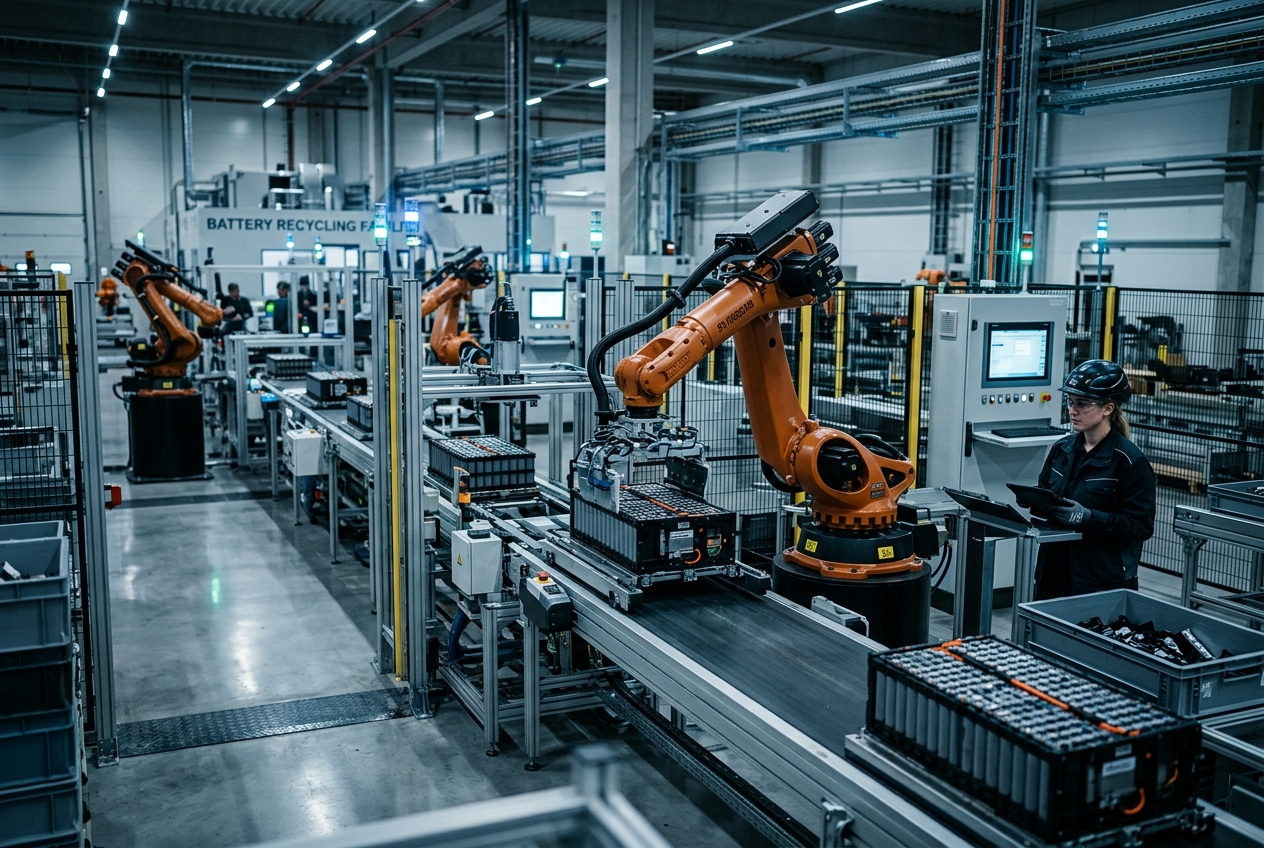
India’s battery recycling discussion often jumps straight to chemistry recovery rates or policy intent. In 2026, the more immediate commercial question is simpler: where will the feedstock come from, at what quality, under what contracts, and with what compliance trail? That is the real urban-mining challenge.
For Indian renewable-energy developers, EV ecosystem players, C&I consumers, lenders and policymakers, battery recycling is no longer only an end-of-life issue. It is now a supply-chain, infrastructure and risk-allocation issue. The economics of recycling projects, black mass refining, precursor manufacturing and second-life integration all depend on predictable scrap flows. Without feedstock visibility, announced capacities remain only partially financeable.
This article looks at India’s 2026 battery urban-mining landscape through the lens of scrap generation, collection channels, pricing mechanisms, compliance architecture and project strategy. The angle is deliberately different from generic battery recycling explainers: the central issue is not whether recycling is necessary, but how India can build bankable scrap pipelines across EVs, consumer electronics, telecom, UPS, stationary storage and manufacturing rejects.
Why urban mining is now a strategic energy issue
Urban mining refers to recovering valuable materials from products already in use or discarded within the economy, instead of relying only on virgin mineral extraction. In India’s battery sector, that means lithium-ion cells, battery packs, production scrap, lead-acid batteries, electronics batteries and eventually solar-storage hybrids entering formal recovery channels.
In 2026, this matters for five reasons.
- Battery demand in India is scaling faster than domestic raw-material availability.
- Cell and pack manufacturing incentives have increased the strategic value of locally recoverable nickel, cobalt, lithium, copper, aluminium and graphite.
- Battery Waste Management Rules and EPR obligations are pushing OEMs toward auditable take-back systems.
- Lenders are asking harder questions on end-of-life liability, ESG disclosure and residual-value assumptions.
- Imported intermediates remain exposed to price volatility, freight costs and geopolitics.
India still depends heavily on imported cells, active materials and processed minerals. Even with local gigafactory plans, upstream dependence remains significant. Urban mining will not replace mining or imports in this decade, but it can reduce exposure at the margin, improve circularity metrics and support domestic refining scale.
For the power sector, the implication is direct: as BESS deployment expands in grid, RE-plus-storage and C&I applications, end-of-life and material recovery pathways become part of project bankability. Recycling strategy is becoming a financing variable, not merely a compliance note.
What the scrap pool looks like in India in 2026
India’s battery scrap supply in 2026 comes from four broad sources, each with very different quality, ownership and traceability characteristics.
1) Manufacturing scrap
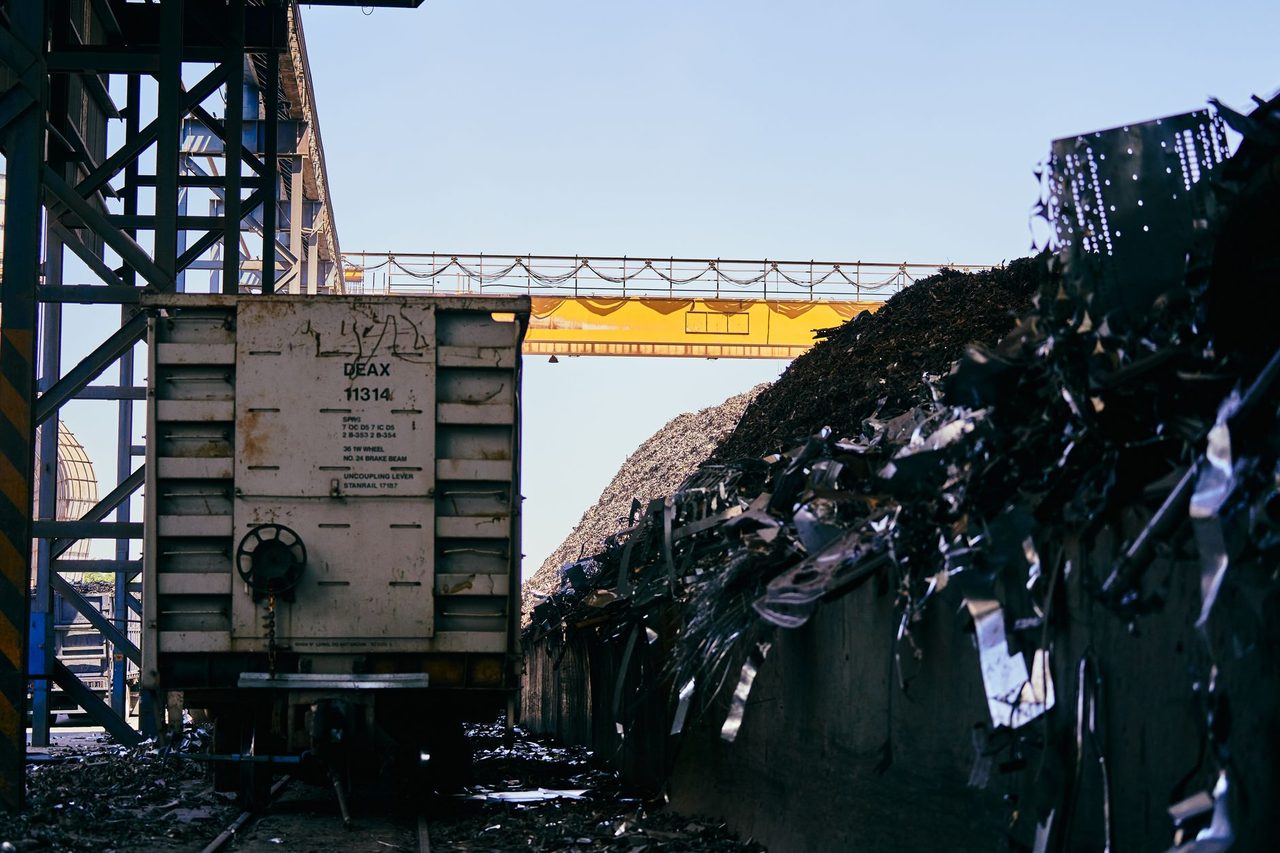
This is the most attractive feedstock for recyclers and black mass processors. It includes electrode trims, defective cells, off-spec material, formation rejects and pack-assembly waste. Compared with end-of-life batteries, manufacturing scrap is cleaner, chemically more uniform and easier to process.
Typical industry estimates in early-stage cell manufacturing suggest scrap rates can start in the high single digits and gradually reduce with process maturity. In newer facilities, effective scrap generation can initially exceed 8-10% of throughput before optimization. For recyclers, this is premium feedstock. For manufacturers, it is both a yield problem and a circularity opportunity.
2) Consumer electronics batteries
Mobile phones, laptops, wearables, power banks and small appliances generate a large number of units but relatively low mass per item. Collection is fragmented and reverse logistics costs are high per kilogram. However, this stream is important because it provides early lithium-ion recycling volumes while EV batteries are still maturing.
The challenge is collection density. Scrap is spread across households, repair shops, aggregators and informal dismantlers. Unless OEMs and PROs build strong take-back networks, much of this material leaks out of the formal system.
3) EV battery and pack scrap
In 2026, the largest visible EV-linked recycling stream is still not full end-of-life passenger-car packs. It is a mix of warranty returns, damaged batteries, production rejects, two- and three-wheeler battery replacements, fleet scrap, transit damage and non-repairable modules.
Two-wheeler and e-rickshaw ecosystems are especially important in India because of volume and operational stress. Batteries in these segments often face high cycling intensity, variable charging practices and uneven thermal management. That creates a meaningful stream of repair, refurbish and recycle decisions earlier than many passenger EV forecasts assume.
4) Stationary and industrial batteries
Telecom towers, UPS systems, data centres, industrial backup applications and early BESS installations form another significant stream. Some remains dominated by lead-acid, where India already has a mature recycling ecosystem. But lithium-ion share is rising, especially in premium backup power and storage applications.
For developers and C&I operators, this category deserves attention because project documentation increasingly needs auditable disposal and recovery pathways. This is where capabilities such as End-of-life fleet audits and Reverse logistics become commercially relevant.
The hard part is collection, not processing capacity alone
A common market misconception is that announced recycling capacity automatically solves circularity. It does not. In practice, the biggest near-term bottleneck is formal feedstock aggregation.
India now has a growing list of recyclers and integrated players with shredding, discharge, dismantling and hydro- or pyro-metallurgical ambitions. The issue is whether these facilities can run at healthy utilization on compliant, chemistry-sorted feedstock.
Three market realities define 2026:
- Collection networks are uneven across states.
- A meaningful share of scrap still moves through informal channels.
- Ownership of used batteries is often disputed or poorly documented.
This matters because battery recycling margins are highly sensitive to inbound quality and logistics. A recycler receiving mixed chemistries, damaged packs with poor documentation, or low-volume small lots from scattered cities faces materially higher cost per tonne.
Indicative reverse-logistics costs vary widely by chemistry, packaging requirement, distance and hazard profile. For small-format batteries, collection and logistics can exceed the embedded material value unless subsidised through EPR or bundled channels. For EV packs, transport can range from a few rupees per kg for local bulk movement to much higher levels when UN-compliant packaging, thermal isolation, emergency protocols and interstate movement are involved.
Informal-sector leakage is another commercial issue. When high-value fractions like copper, aluminium or reusable components are stripped out before the battery reaches a formal recycler, the remaining economics deteriorate. This is one reason why integrated collection, sorting and contracting models are gaining importance.
Pricing in 2026: black mass value, discounts and contract structures
Battery scrap pricing in India is still evolving toward more standardized formulas. In 2026, most commercially sophisticated transactions are based on one of three structures.
- Fixed-price purchase for defined scrap categories
- Formula-linked pricing based on contained metal value and recovery assumptions
- Tolling or revenue-share arrangements where ownership is retained upstream
The right model depends on chemistry, assay confidence, volume and counterparty sophistication.
For lithium-ion material, the key pricing determinant is recoverable metal content after process losses and treatment charges. In practice, recyclers and refiners apply discounts for contamination, moisture, mixed chemistry, poor SoH data, incomplete discharge records and hazardous packaging requirements.
Typical pricing conversations revolve around:
- Chemistry: LFP, NMC, NCA and LMO have very different value profiles
- Form factor: cell, module, pack, black mass or manufacturing scrap
- State of charge and safety condition
- Purity and non-battery contamination
- Lot size and frequency
- Whether copper, aluminium and plastics are included in the transaction
LFP dominates several Indian mobility applications and is increasingly relevant in stationary storage. Its safety and lifecycle advantages are well known, but recycling economics are more challenging because there is no cobalt or nickel upside. That means collection efficiency, processing cost and policy support become more critical. For many recyclers, LFP profitability in 2026 still depends on integrated revenue from lithium recovery, by-product valorisation, producer contracts and scale.
By contrast, NMC-bearing scrap generally supports stronger material recovery economics, though actual realizations depend on assay, hydromet yields and refining quality. Market discounts remain substantial when traceability is weak.
For lenders and strategic investors, the key takeaway is that recycling revenue assumptions should never be modelled using headline metal prices alone. The bankable number is net realized value after collection cost, safe transport, pretreatment loss, assay variance, refining charges, working-capital lockup and compliance overhead.
Policy and compliance signals shaping urban mining in 2026
India’s Battery Waste Management Rules remain the central compliance framework, especially through EPR obligations on producers. The broad policy direction is clear: formalize take-back, improve traceability, reduce unsafe disposal and create demand pull for registered recyclers and refurbishers.
But implementation quality varies. The practical questions in 2026 are less about policy announcements and more about evidence trails:
- Is the producer’s EPR plan linked to real collection channels?
- Are recyclers registered and technically capable for the chemistry handled?
- Are transactions digitally documented and auditable?
- Is the chain of custody credible enough for lenders, boards and regulators?
For companies exposed to batteries across fleets, storage assets or distributed equipment, EPR compliance should not be treated as a back-office filing exercise. It affects vendor selection, offtake contracts, provisioning, insurance and ESG disclosures.
This is where Growthifye service lines such as Module & battery recycling and Circularity reporting fit naturally into broader project strategy. Clients increasingly need not only compliance but a defendable material-flow narrative for investors, customers and regulators.
State pollution control practices, hazardous-waste permitting, transport compliance and fire-safety enforcement also shape operational viability. A recycler may have nameplate capacity, but actual throughput depends on permissions, local enforcement, trained labour and emergency-response systems.
What developers, OEMs and lenders should do differently
A practical urban-mining strategy in India should begin with segmentation, not slogans. Different battery streams need different commercial models.
For OEMs and producers
- Map scrap generation by source: manufacturing, warranty, field failure, end-of-life, damaged returns
- Separate refurbishment, second-life and recycling decision trees
- Lock in regional collection partners instead of relying only on national master contracts
- Use chemistry-specific handling and pricing frameworks
- Build EPR compliance systems around auditable tonnage, not estimated returns
For C&I users and fleet operators
- Maintain asset-level records of battery age, chemistry, throughput and incident history
- Include end-of-life clauses in battery procurement and O&M contracts
- Run periodic End-of-life fleet audits for EV fleets, UPS banks and storage systems
- Compare resale, second-life and recycle options before asset replacement
For recyclers
- Prioritise long-term feedstock agreements over spot-market dependency
- Invest in sorting, diagnostics and safe discharge systems
- Build capacity for low-value but high-volume chemistries like LFP, not only cobalt-rich streams
- Develop transparent assay and settlement protocols to build trust with institutional counterparties
For lenders and investors
- Stress-test utilization assumptions against contracted feedstock, not announced demand
- Check whether logistics and permitting risk are reflected in project contingencies
- Review working-capital needs for scrap procurement and settlement delays
- Require clear evidence of EPR-linked supply pipelines and downstream offtake for recovered materials
For renewable-energy developers adding storage, this issue will intensify over the next few years. A 50 MWh or 100 MWh storage asset financed in 2026 needs a visible end-of-life pathway even if decommissioning is years away. Residual value cannot be assumed without a credible recycler, traceable records and chemistry-specific recovery economics.
The next phase: from compliance to domestic materials strategy
India’s battery circularity market is moving from a compliance-led phase to a materials-strategy phase. That is a major shift.
In the first phase, the dominant questions were: who is responsible, what rules apply, and how will waste be collected? In the next phase, the questions are more industrial:
- Can recovered black mass support domestic precursor or cathode supply chains?
- Can LFP-heavy scrap streams be processed profitably at scale?
- Can producers secure closed-loop or semi-closed-loop contracts?
- Can India reduce import dependence on selected battery materials through formal urban mining?
The answer depends on data discipline, commercial contracting and execution at city level. Urban mining is not built by policy language alone. It is built by collection points, fire-safe warehousing, certified transporters, assay labs, registered recyclers, digital chain-of-custody systems and realistic settlement terms.
For Indian stakeholders, the most important 2026 insight is this: the battery recycling market will not be won by the player with the largest declared processing capacity. It will be won by the player with the most reliable feedstock access, best compliance architecture and strongest downstream monetisation.
That is why circularity strategy must be integrated early into energy, mobility and manufacturing planning. Waiting until batteries become waste is already too late.
If your organisation is assessing battery scrap pipelines, recycler selection, EPR compliance, storage end-of-life planning or circularity-linked project strategy, contact Growthifye’s advisory desk for a practical assessment tailored to your assets and market exposure.
Explore Growthifye's related capabilities
This analysis connects directly to our advisory practice: End-of-life fleet audits · Second-life battery applications · Module & battery recycling · EPR compliance.
About the author

Chief Executive Officer, Growthifye — With over 23 years in management consulting, Sudarshan has taken businesses from concept to scale — building and scaling new-age digital and energy businesses.
- 23+ years in management consulting
- EY alumnus
- Led large-scale BESS programmes, capital raises and advisory mandates
Want this analysis applied to your project?
Talk to our team