CBG Digestate in India 2026: Offtake Models, Nutrient Value and Project Bankability
By Sudarshan Karweer · sudarshan@growthifye.com · +91 84510 99371 (Call / WhatsApp) · 2026-09-14
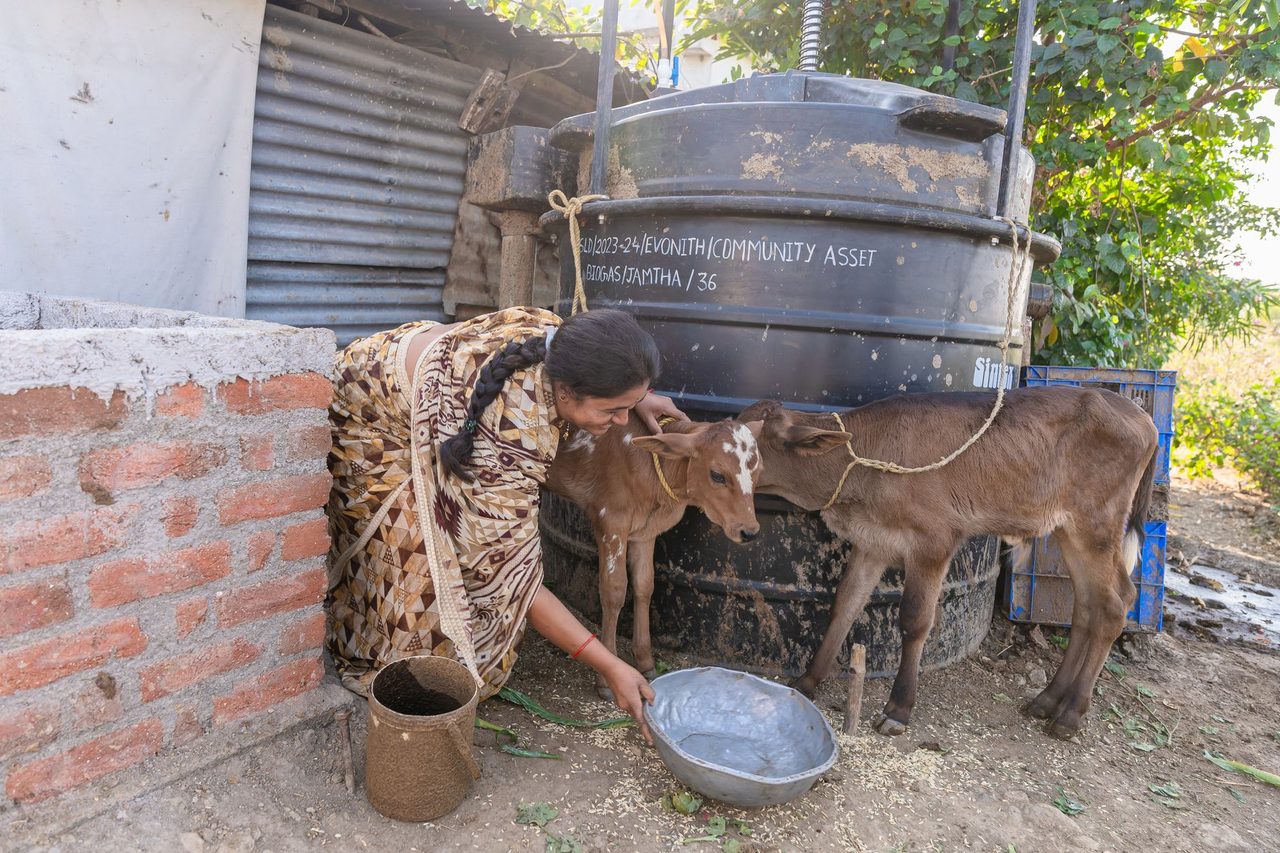
Photo: EqualStock IN on Pexels
India’s CBG build-out in 2026 is no longer judged only on gas yield and offtake under SATAT or private fuel contracts. Serious developers, lenders and industrial buyers are now focusing on the co-product that determines whether a plant is merely operational or consistently profitable: digestate.
For many projects using press mud, cattle dung, food waste, spent wash concentrates, poultry litter, municipal organic fractions or agro-residues, digestate can contribute 8% to 25% of EBITDA depending on feedstock, solids handling, drying strategy, logistics radius and realised nutrient pricing. In weaker projects, digestate becomes a disposal cost. In stronger projects, it is a contracted product with clear quality specifications, stable dispatch routes and an auditable contribution to project cash flow.
This article looks at digestate as a bankability issue, not just a by-product handling problem. The 2026 question is simple: can your CBG project demonstrate repeatable nutrient value realisation at scale, within realistic transport economics and under Indian regulatory conditions?
Why digestate has moved to the centre of CBG economics
Two shifts explain the change.
First, feedstock competition has increased. In several states, delivered feedstock prices have risen faster than early project models assumed. Segregated wet waste with lower contamination and predictable calorific or volatile solids profiles now commands a premium. Press mud and agro-industrial residues are also seeing tighter regional competition. That means projects need every possible rupee of co-product value to protect DSCR and payback.
Second, lenders have become more conservative after seeing operational variance across first-generation CBG assets. Plants that hit nameplate gas output but fail on digestate evacuation face storage bottlenecks, odour complaints, leachate handling issues, higher working capital and, in some cases, local enforcement action. Banks and NBFCs are therefore asking for stronger evidence on digestate quality, offtake and seasonality.
A useful rule of thumb for 2026 project screening is this:
- If digestate is modelled only as a line item revenue without tested demand mapping, discount it heavily.
- If digestate is assumed to sell at premium organic fertiliser prices without nutrient consistency or branding costs, haircut the assumption.
- If digestate evacuation depends on monsoon-sensitive farm roads, uncontracted traders or free lifting by local farmers, treat it as an operational risk, not a reliable income stream.
In Growthifye’s advisory work across waste-to-energy and circular value chains, digestate now sits alongside gas offtake, feedstock security and water balance as a core diligence item.
What digestate products actually sell in India in 2026
Digestate is not one product. The marketability depends on the form in which it leaves the plant and the claims attached to it.
Most Indian CBG facilities produce one or more of the following:
- Raw wet digestate slurry, typically 90% to 96% moisture
- Separated liquid fraction for nearby fertigation or land application
- Separated solid fraction with 65% to 80% moisture
- Dried manure-like product in powder or granule form
- Enriched organic fertiliser blended with additives or micronutrients
- Compost-like product matured post-digestion for specific crop segments
The economics vary sharply by format.
Raw slurry has the lowest processing cost but the worst transport economics. At high moisture, moving nutrients beyond 15 to 25 km often destroys margin unless farmers collect at source or the plant has captive nearby land application channels.
Separated solids improve handling and reduce logistics cost per unit nutrient, but still need moisture control, pathogen management, storage planning and market development.
Dried and bagged digestate can access wider agricultural markets and agro-input dealers, but it requires capex for drying, screening, bagging and quality control. It also introduces power or thermal energy costs and higher working capital for packaging, inventory and channel margins.
As of 2026, indicative ex-plant price bands seen in the market can vary widely by state and product quality:
- Wet slurry: often nil to Rs 300 per tonne, and in some locations effectively a disposal route
- Dewatered solids: around Rs 800 to Rs 2,500 per tonne depending on nutrient content, moisture and local demand
- Dried organic manure-type product: roughly Rs 3,000 to Rs 7,000 per tonne
- Branded enriched organic fertiliser: potentially higher, but only with registrations, distribution capability, quality consistency and farmer acceptance
These numbers are not universal benchmarks. Freight can exceed product value quickly. That is why the delivered economics to end user matter more than the ex-plant sticker price.
Nutrient value: what lenders believe and what they discount
Developers often pitch digestate using total NPK numbers. Lenders increasingly look beyond that.
For project finance, what matters is not only total nitrogen, phosphorus and potassium, but:
- Plant-available nutrient fraction
- Batch-to-batch consistency
- Moisture variability
- Contamination risk from plastics, glass, heavy metals or salts
- Pathogen load where relevant
- Crop-specific usefulness
- Competing local fertiliser pricing
A digestate sample showing decent lab NPK is not enough if the feedstock mix changes materially every month.
For example:
- Cattle dung-based digestate may enjoy farmer familiarity but can show lower monetisable nutrient density per transported tonne if moisture is high.
- Press mud and agro-residue blends can produce acceptable soil amendment value but may require stronger sales support to justify premium pricing.
- Municipal organic waste routes may face market resistance if source segregation is weak and contamination is visible.
- Poultry litter and some industrial organic streams can generate stronger nutrient profiles but may also raise salinity, ammonia or handling concerns if not managed correctly.
In practical underwriting, many lenders in 2026 will take one of three approaches:
- Count only a conservative floor value for digestate revenue, sometimes 30% to 50% below sponsor case
- Treat digestate as cost-neutral in the base case and upside in the sensitivity case
- Accept fuller revenue recognition only where tested offtake, quality protocols and logistics evidence are available
That means digestate bankability is earned through data. Plants need monthly nutrient testing, contamination records, moisture measurement, customer complaint tracking and dispatch evidence. This is where Circularity reporting can materially improve lender confidence, especially for multi-site developers seeking repeat financing.
The offtake models that are working in India
There is no single winning digestate offtake model, but some structures are proving more durable than others.
1) Farmer pickup within a short radius
This is common for dung-based and agro-residue-based plants in rural belts. It works when:
- The plant is within 10 to 20 km of irrigated agricultural demand
- Product is familiar and trusted
- Loading is simple
- The project can tolerate seasonal lifting fluctuations
Its weakness is that it rarely supports lender-grade revenue certainty unless there is a long operating history.
2) Aggregator or dealer-led bulk offtake
A local agri-input distributor, trader or aggregator lifts separated solids or dried material and handles onward sales.
This reduces developer marketing burden but introduces counterparty risk. Contracts should define:
- Minimum monthly lifting quantities
- Moisture and nutrient specs
- Rejection criteria
- Payment timeline
- Freight responsibility
- Seasonal inventory obligations
In 2026, dealer margins can materially reduce realised plant value, but this model still outperforms ad hoc spot disposal.
3) Captive linkage with plantation, sugar, horticulture or institutional land users
This is among the strongest structures for stable evacuation. Large estates, sugar-linked command areas, fruit clusters and commercial agriculture users can absorb meaningful volumes if agronomic performance is demonstrated.
The advantage is repeat demand and potentially lower sales overhead. The limitation is concentration risk if one anchor customer dominates volumes.
4) Branded sale as organic or enriched input
Some developers want to capture higher value through processing, bagging and branded distribution. This can work, but it is a different business. It needs:
- Product registrations and compliance pathway clarity
- Dealer network building
- Marketing spend
- Working capital discipline
- Strong quality assurance
Unless the sponsor has agri-input experience, lenders tend to treat this as execution risk.
5) Toll processing or third-party conversion
Instead of investing fully in downstream fertiliser processing, a CBG plant may send digestate solids to a partner for drying, blending or granulation under a revenue-share or fee model. This can reduce capex and execution complexity, though margins are shared.
For several mid-sized projects, this hybrid route can be more bankable than installing full downstream processing on day one.
Digestate logistics is where most models fail
Transport economics usually decide whether digestate is a product or a burden.
Consider a simple 10 to 12 TPD CBG project. Depending on feedstock and process design, it may generate a very large daily digestate stream by mass, especially before separation and drying. Even if gas revenue is healthy, digestate can create a hidden logistics business inside the plant.
Key design and commercial questions include:
- What is the moisture level after separation?
- How many days of safe storage are available on site?
- Is there monsoon-proof loading and drainage?
- Can dispatch continue during periods of low farm uptake?
- What is the average delivered freight cost per tonne at 10 km, 25 km and 50 km?
- Is the nutrient value per delivered tonne still attractive against competing products?
In many states, trucking costs for low-value bulk material can make a mockery of optimistic sales assumptions. A project selling dewatered digestate at Rs 1,500 per tonne ex-plant may find that loading, bagging, dealer commission and freight consume most of the spread.
This is why front-end plant design matters. Dewatering equipment selection, drying philosophy, storage layout, internal roads, odour control and truck turnaround planning all affect circular revenue. Digestate should not be treated as an afterthought in EPC scope.
Regulatory and compliance issues developers should not ignore
Digestate sits at the intersection of waste handling, fertiliser positioning, pollution control and local land-use acceptance. The exact compliance path depends on feedstock mix, state-level enforcement practice and product form.
In 2026, developers should evaluate at least the following:
- SPCB and local body conditions linked to waste processing and effluent handling
- Storage and runoff management to prevent secondary pollution
- Whether the product is sold, given away, land-applied or further processed
- Labelling and nutrient claims if sold as a value-added input
- Contamination controls, especially for mixed organic waste streams
- Record keeping for quantity produced, dispatched and rejected
For municipal or mixed feedstock plants, one failed quality incident can damage local market acceptance for months. Odour and vector issues around poorly managed digestate storage also create reputational risk that lenders increasingly factor into operational due diligence.
Where projects are built around segregated collection ecosystems, EPR compliance and waste traceability practices from adjacent circular sectors can offer useful discipline, even if the regulatory architecture differs from batteries or plastics. The common lesson is simple: trace inputs, test outputs and document movement.
What a bankable digestate strategy looks like in 2026
A digestate plan becomes financeable when it moves from broad intention to evidenced execution. The strongest projects typically show the following:
- Feedstock-linked nutrient characterisation over multiple months
- A realistic split between wet, solid and dried product volumes
- Quality control SOPs for contamination, moisture and sampling
- Radius-wise demand mapping with named counterparties
- Draft or executed offtake agreements with minimum lifting commitments
- Logistics costing by season, not just annual averages
- Storage adequacy for dispatch disruptions
- Conservative revenue assumptions in the financial model
- Fallback disposal or low-value evacuation route that remains compliant
Sponsors should also stress-test three cases:
- Base case with conservative digestate pricing and moderate evacuation efficiency
- Downside case with monsoon disruption, lower nutrient realisation and delayed customer payments
- Upside case where product upgrading or stronger local demand improves spreads
For many CBG assets, the difference between an acceptable and weak DSCR is not gas output alone. It is whether digestate stops being a seasonal nuisance and becomes a managed circular product.
This is also where independent technical and commercial support helps. End-of-life fleet audits may belong more naturally to battery circularity, but the same discipline of material mapping, recovery planning and documented value-chain control is now relevant across bioenergy and waste-to-energy projects as well.
The strategic takeaway for developers, lenders and policymakers
India’s CBG market in 2026 is maturing from subsidy-led enthusiasm to performance-based scrutiny. That is healthy. Projects with disciplined feedstock contracting, strong process control and credible digestate monetisation will separate from those that rely on aggressive assumptions.
For developers, digestate should be designed into the project from day zero: process, storage, product form, market channel and transport radius must be aligned.
For lenders, digestate deserves the same diligence intensity as feedstock and gas offtake. Conservative underwriting is justified where data is thin.
For policymakers, the next step is not merely more capacity announcements, but clearer quality frameworks, market linkages and local enforcement consistency so that nutrient recovery from organic waste can scale credibly.
Digestate is not a side stream. In many Indian CBG plants, it is the difference between a circular infrastructure asset and a stranded operating headache.
If you are evaluating a CBG project, digestate offtake strategy or wider waste-to-energy circularity plan, contact Growthifye’s advisory desk for project diligence, market assessment and execution support.
Explore Growthifye's related capabilities
This analysis connects directly to our advisory practice: End-of-life fleet audits · Second-life battery applications · Module & battery recycling · EPR compliance.
About the author

Chief Executive Officer, Growthifye — With over 23 years in management consulting, Sudarshan has taken businesses from concept to scale — building and scaling new-age digital and energy businesses.
- 23+ years in management consulting
- EY alumnus
- Led large-scale BESS programmes, capital raises and advisory mandates
Want this analysis applied to your project?
Talk to our team