Solar Module Repowering & Recycling in India 2026: Residual Value and Circular EPC
By Sudarshan Karweer · sudarshan@growthifye.com · +91 84510 99371 (Call / WhatsApp) · 2026-09-12

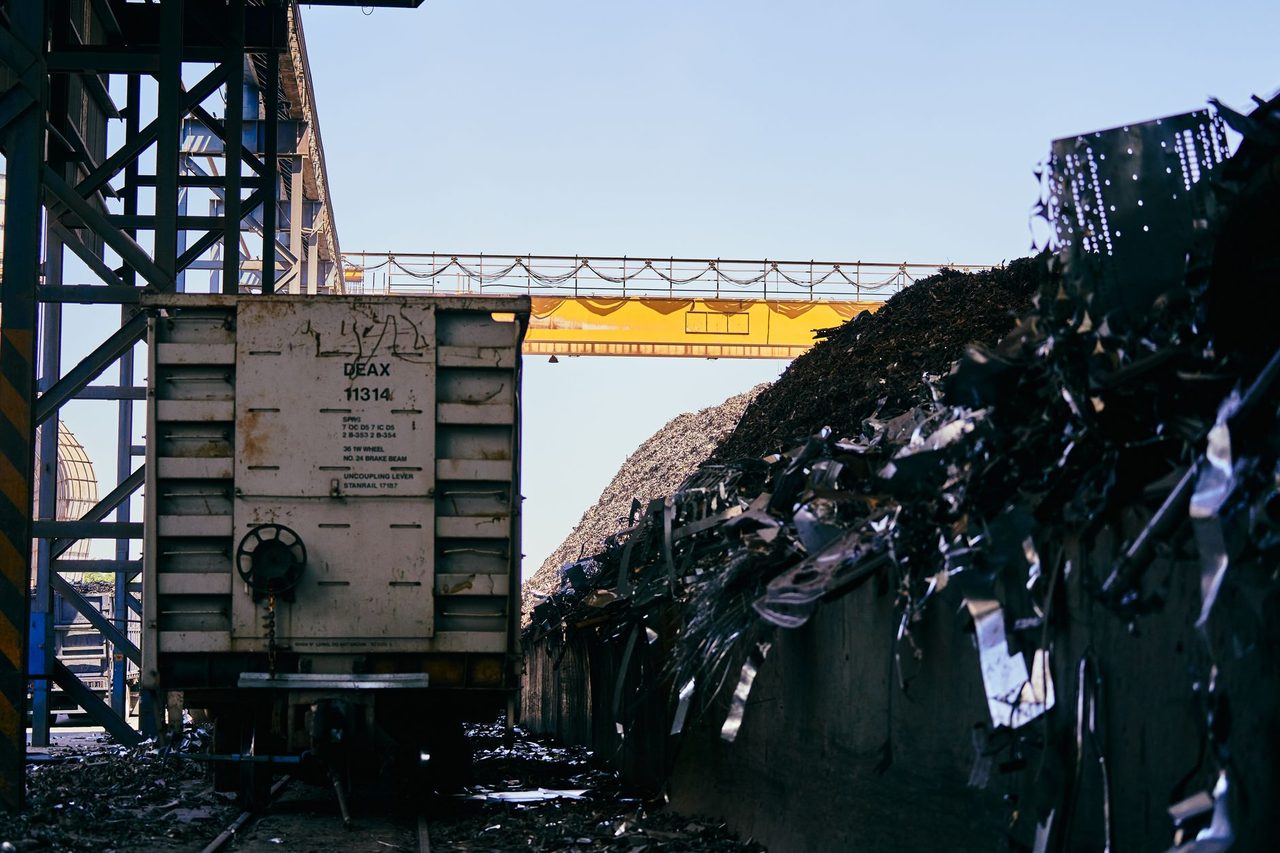
Photo: Markus Spiske on Pexels
India’s utility-scale and C&I solar market is entering a new circularity question in 2026: what should asset owners do with aging, underperforming or technologically obsolete modules when repowering becomes more economic than continued operation? The answer is not limited to end-of-life disposal. It sits at the intersection of energy yield, scrap recovery, EPR, site re-engineering, insurance, lender consent and EPC execution.
For developers, IPPs, C&I consumers, lenders and DISCOM-facing asset owners, repowering is becoming a capital-allocation decision. Older projects commissioned in the 2012-2018 period are now showing enough performance divergence that replacing modules, inverters or complete blocks can increase annual yield per acre, improve CUF, reduce O&M complexity and extend asset life. But unless the residual value of displaced modules and associated balance-of-system scrap is assessed correctly, project IRR can be understated or overstated by a meaningful margin.
This article focuses on a distinct 2026 angle within circularity: solar module repowering linked to recycling and residual-value capture in India.
Why repowering is becoming a circularity issue in India
India’s early utility-scale portfolio includes projects built with lower-wattage polycrystalline modules, first-generation central inverters, tighter DC architecture constraints and less sophisticated SCADA-driven diagnostics than what is standard today. In many parks, module degradation may still be within warranty assumptions on paper, but actual output losses can be amplified by:
- PID and hotspot clusters
- backsheet cracking and encapsulant browning
- junction-box and connector failures
- mismatch losses from mixed replacements over time
- inverter obsolescence and spares scarcity
- land-constrained layouts where modern modules can lift MW density
For C&I open-access and captive projects, the business case can be even sharper because the value of incremental generation is tied to avoided industrial tariffs, which in 2026 commonly range around Rs 6.0-9.5/kWh depending on state, voltage level and tariff category. A 1 kWh increase in delivered generation is therefore more valuable to many C&I offtakers than to a legacy fixed-tariff utility PPA asset.
In utility-scale projects, repowering economics often hinge on whether the owner can add energy yield without reopening land risk, transmission access or major permitting uncertainty. In both cases, the displaced equipment creates a circularity stream that must be managed professionally.
This is where a repowering strategy differs from a simple recycling strategy. The owner must decide whether each batch of removed modules should be:
- redeployed internally for low-criticality applications
- sold into secondary markets where technically and legally feasible
- dismantled for material recovery
- blended across the above routes by quality band
A poor decision here can reduce recoveries, create compliance exposure or undermine lender confidence.
The 2026 economics: repowering value is not only in extra generation
Most owners first model repowering based on additional annual energy output. That is necessary but incomplete. A proper 2026 financial model should include at least six value buckets.
- Incremental generation from higher-efficiency modules
- Reduced degradation trajectory versus aging fleet baseline
- Lower forced-outage and maintenance cost due to new equipment
- Salvage or secondary-market value of displaced modules and BOS scrap
- Recovered value from recyclable materials such as aluminium, copper and glass fractions
- Potential extension of useful project life and refinancing optionality
In today’s Indian market, older utility-scale projects with 250-330 Wp era modules may be compared against replacement configurations in the 580-650 Wp class, depending on site design, tracker compatibility and electrical reconfiguration. Even where DC nameplate increase is constrained, higher-efficiency modules can improve space utilisation and reduce mismatch.
For many projects, the headline module scrap value is modest relative to energy upside. However, BOS recovery is often underestimated. Cable, aluminium structures, combiner boxes, old inverter housings, transformers and switchgear components can produce meaningful scrap proceeds if segregation quality is high and sale channels are formalised. On large portfolios, this can move project-level repowering economics enough to affect investment committee approval.
Indicatively in 2026, owners reviewing decommissioned or displaced solar assets often see these broad value bands, though site-specific results vary widely:
- Intact but aging modules for secondary disposition: highly variable, often priced per watt based on flash-test results, visual grading and batch traceability
- Damaged or non-redeployable modules for recycling: low direct recovery value today, with logistics and compliant handling materially affecting net outcome
- Aluminium scrap: generally one of the more visible recovery lines
- Copper from cables and electrical systems: attractive where theft risk and contamination are controlled
- Inverter and transformer scrap: dependent on make, dismantling quality and metal composition
The important point is that residual value is no longer an afterthought. It should be underwritten before EPC scope is frozen.
How to classify removed modules: reuse, second use or recycle
A practical repowering programme starts with segmentation. Not every removed panel should go to a recycler, and not every panel should be resold. Owners need a decision tree built on safety, performance and legal defensibility.
The minimum screening framework usually includes:
- serial-number traceability
- age and original bill of materials
- electroluminescence or equivalent defect screening where feasible
- flash-test output banding
- insulation and safety checks
- visual inspection for breakage, delamination, backsheet damage and corrosion
- transport survivability assessment
Broadly, removed modules fall into three groups.
First, modules with acceptable electrical output and no critical safety defects may be candidates for secondary deployment in low-risk applications, such as temporary installations or less performance-sensitive captive uses, subject to applicable compliance and contractual restrictions.
Second, modules with reduced but usable performance may have niche secondary demand, but only if buyers understand degradation, warranty limitations and handling requirements. This market remains fragmented in India. Pricing discounts are steep when traceability is weak.
Third, heavily degraded, damaged or unsafe modules should go directly into compliant recycling streams.
This is where End-of-life fleet audits matter. Without lot-wise condition mapping, owners frequently mix high-potential and low-potential material, destroying resale optionality and complicating recycler negotiations.
Policy and compliance in 2026: the repowering blind spot
India’s circularity regulations are evolving faster than many solar owners’ asset-management processes. On paper, module replacement may look like a technical upgrade, but once equipment exits service it enters a compliance-sensitive waste and material-recovery chain.
For 2026 board decisions, four policy areas matter most.
First, e-waste compliance and applicable producer responsibility obligations continue to shape who can collect, transport, dismantle and process solar-related waste streams. Owners should not assume that a general scrap buyer is an adequate downstream counterparty.
Second, state pollution-control permissions, transporter authorisations and storage protocols can materially affect execution timelines. Temporary on-site accumulation of removed modules without proper packaging and inventory control creates environmental, safety and legal risk.
Third, contractual compliance under existing PPAs, land documents, financing agreements and insurance policies may require consent before substantial equipment replacement. This is especially relevant when repowering changes DC capacity, module dimensions, structural loading or evacuation equipment.
Fourth, ESG and disclosure expectations from lenders and large corporate offtakers are becoming more granular. It is no longer enough to state that material was “disposed of responsibly.” Auditable documentation on quantities, destinations, recycler credentials and recovery pathways is increasingly requested.
In this context, EPR compliance and Circularity reporting are becoming integral to repowering transactions, not side files for sustainability teams.
Contracting structure: where projects lose value
The biggest commercial mistakes in repowering-linked recycling usually arise in scope allocation. Owners often tender new EPC supply and installation separately from dismantling, logistics and waste recovery, assuming that competitive pricing will improve outcomes. In practice, fragmented scope can create disputes over breakage, title transfer, packaging standards, theft losses and revenue sharing from scrap.
A bankable structure should define at least the following:
- who owns removed modules and BOS at each stage of dismantling
- acceptable damage rates during removal and loading
- test protocol for determining reuse versus recycle category
- packaging, stacking and transport standards
- approved downstream recyclers and disposal certificates
- scrap sale mechanism and revenue waterfall
- environmental indemnities and contamination responsibility
- timeline alignment between outage window and recommissioning
For utility-scale assets, outage days directly affect revenue. Therefore, the circularity workstream must be synchronised with generation-loss planning. A 100 MW project that loses even a few additional days because removed material blocks work fronts or transporter approvals are delayed can see a measurable hit to annual cash flow.
Owners should also be careful with all-inclusive scrap assumptions in EPC bids. Some contractors price scrap recovery optimistically to reduce headline EPC cost, then later renegotiate once actual material condition proves worse than expected. Lenders and investors should ask for sensitivity cases using conservative scrap proceeds, not top-quartile assumptions.
Reverse logistics and recycler selection in India
Solar-module recycling economics in India remain highly sensitive to logistics. Modules are bulky, fragile and relatively low in commodity value per truckload compared with metals-rich battery scrap. This means transport planning can determine whether the owner captures net positive value or simply minimises compliance cost.
The practical questions are straightforward:
- How far is the nearest qualified recycler or authorised aggregation point?
- Can modules be palletised and moved without excessive breakage?
- Is backhaul available from remote solar parks?
- Can loads be consolidated across portfolio sites?
- Are aluminium frames being removed on-site or downstream?
- What is the chain-of-custody protocol for weighed quantities?
For projects in Rajasthan, गुजरात, Karnataka, Andhra Pradesh, Telangana, Tamil Nadu and Maharashtra, inter-state movement may be commercially rational depending on recycler capability, but only when documentation and transporter compliance are tightly managed. Remote parks with poor road connectivity face higher per-unit evacuation costs and greater breakage risk.
Because of this, Reverse logistics should be designed at portfolio level wherever possible. A 20 MW site handled alone may struggle to negotiate attractive terms. A 300 MW or 500 MW portfolio programme can standardise testing, packaging and recycler selection, reducing per-unit cost and improving auditability.
Recycler selection should not be based only on gate fee or nominal recovery percentage. Owners should evaluate:
- actual process capability for glass, aluminium, silicon and silver-bearing fractions
- environmental and worker-safety controls
- throughput scale and turnaround time
- downstream offtake arrangements for recovered materials
- documentary strength for compliance and reporting
- ability to handle mixed-condition loads without dispute
Module & battery recycling capability is increasingly relevant for firms working across hybrid assets, because many repowering projects involve co-located storage, inverter replacement or integrated circularity planning.
What lenders, utilities and policymakers should watch
For lenders, repowering should be assessed not merely as capex replacement but as an asset-quality reset with circularity implications. Credit review should test whether incremental generation assumptions are realistic, whether warranties on new equipment are enforceable, and whether displaced-asset handling could generate contingent liabilities.
Useful diligence questions include:
- Has the owner established a module grading protocol before removal?
- Are scrap and recycling proceeds modelled conservatively?
- Do financing documents permit the repowering scope without amendment?
- Is the selected EPC or asset manager experienced in circular dismantling?
- Are insurer notifications and engineering reviews complete?
Utilities and DISCOM-linked stakeholders should watch repowering because it can improve delivered energy reliability from aging plants without requiring fresh greenfield land. In some cases, repowering may be a lower-friction route to system performance improvement than entirely new site development.
For policymakers, the main gap is operational clarity around large-scale solar de-installation and material routing. India does not need only more recycling capacity; it needs better integration of testing, resale standards, transport compliance and auditable recovery pathways. Repowering will generate a wave of modules that are not all “waste” in the same way on day one. Regulations and market infrastructure should recognise this hierarchy.
The next three years are likely to separate owners who treat displaced modules as a compliance burden from those who treat them as a managed residual-value class. The latter group will make better repowering decisions, present cleaner risk profiles to lenders, and create more credible circular supply chains.
For Indian asset owners, the actionable message is simple: do not approve a repowering budget without a residual-value plan, compliance pathway and logistics strategy. Generation upside may justify the project, but disciplined circular execution protects the downside and often adds hidden value.
If your portfolio is approaching a repowering decision, contact Growthifye’s advisory desk for support on technical-commercial screening, End-of-life fleet audits, Reverse logistics strategy and compliant circularity execution.
Explore Growthifye's related capabilities
This analysis connects directly to our advisory practice: End-of-life fleet audits · Second-life battery applications · Module & battery recycling · EPR compliance.
About the author

Chief Executive Officer, Growthifye — With over 23 years in management consulting, Sudarshan has taken businesses from concept to scale — building and scaling new-age digital and energy businesses.
- 23+ years in management consulting
- EY alumnus
- Led large-scale BESS programmes, capital raises and advisory mandates
Want this analysis applied to your project?
Talk to our team