Battery Reverse Logistics in India 2026: Collection Economics, Safety and Compliance
By Sudarshan Karweer · sudarshan@growthifye.com · +91 84510 99371 (Call / WhatsApp) · 2026-08-27

India’s battery circularity market in 2026 is no longer constrained only by recycling technology. The harder execution challenge is reverse logistics: identifying spent batteries, aggregating them at viable scale, moving them safely across states, and preserving traceability from asset owner to authorised recycler.
For Indian C&I users, renewable developers, fleet operators, DISCOM-linked storage programmes, lenders and policymakers, this is where economics and compliance now converge. A lithium-ion battery pack may still hold recoverable value, but that value can be destroyed quickly by poor collection practices, unsafe dismantling, damaged cells, missing documentation, or long dwell times in uncontrolled storage.
This article focuses on a distinct but central circularity topic for 2026: battery reverse logistics in India. It covers collection economics, safety requirements, operating models, contracting structures, policy context and execution strategy across EV fleets, telecom backup systems, C&I storage, rooftop and utility-linked systems, and behind-the-meter battery assets.
Why reverse logistics is now the bottleneck
India has moved past the stage where circularity can be treated as a narrow end-of-pipe compliance issue. Several parallel trends are driving urgency:
- EV battery volumes are rising from e-2W, e-3W, e-bus and commercial fleet deployments commissioned during 2021-2024
- Telecom and distributed backup batteries are entering replacement cycles, especially in high-temperature operating regions
- C&I battery systems commissioned for demand-charge reduction and backup resilience are beginning to generate early replacement and warranty-return flows
- Producers and obligated entities face tighter scrutiny under Battery Waste Management Rules implementation
- Lenders and corporate ESG teams increasingly ask for verifiable chain-of-custody and downstream processing evidence
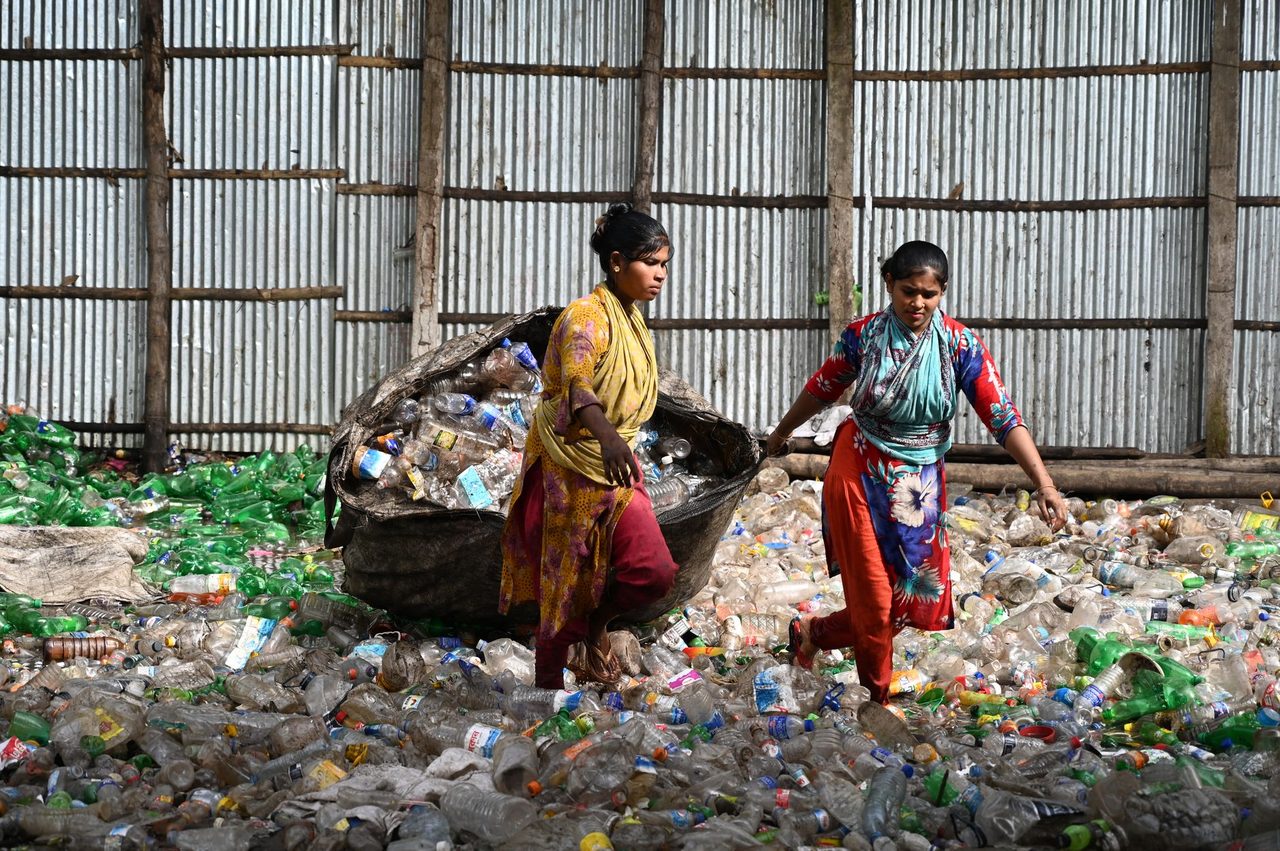
In practice, recycling plants do not receive a uniform, sorted, fully documented waste stream. They receive mixed chemistries, damaged packs, uncertain state of charge, inconsistent labelling, and fragmented small-lot collections from multiple counterparties. This raises handling cost per tonne and creates major safety and liability exposure.
For many project sponsors, the commercial issue is simple: a recycler’s quoted recovery economics can look attractive on paper, but net realisation falls once packing, temporary storage, testing, discharge, permits, transport, insurance and rejection risk are included.
The 2026 India policy and compliance landscape
The policy base for battery movement and disposal in India rests primarily on the Battery Waste Management Rules, 2022 and their continuing implementation architecture through CPCB and state pollution control systems. By 2026, market participants also have to align operationally with a broader set of requirements that affect logistics even when they are not battery-specific.
Key compliance themes in 2026 include:
- Producer responsibility and auditable fulfilment pathways under battery waste rules
- Registration, authorisation and reporting expectations for entities handling waste batteries and sending material to recyclers/refurbishers
- Hazardous material transport protocols for damaged, defective or end-of-life lithium batteries, including packaging, declaration and emergency response readiness
- State-level enforcement differences affecting storage approvals, transport interpretation and local inspections
- Contractual allocation of liability for fires, leakage, misdeclaration, pilferage and downstream non-compliance
For obligated entities, compliance is no longer satisfied by obtaining a generic vendor undertaking. Regulators, investors and enterprise customers increasingly expect evidence on:
- Source of battery waste
- Chemistry and quantity
- Date of collection
- Temporary storage conditions
- Handover records
- Transport details
- Receipt by authorised destination
- Final processing pathway
That makes EPR compliance inseparable from logistics design. A weak collection chain creates reporting gaps, and those gaps can undermine both compliance claims and circularity reporting.
Economics: what reverse logistics really costs
In Indian market discussions, reverse logistics economics are often understated because value is benchmarked only against contained metals. The actual cost stack is more layered.
A typical cost build-up for lithium-ion battery reverse logistics in 2026 may include:
- Site audit and identification: Rs 0.5-2.0 per kg equivalent for dispersed assets, higher for fragmented small-ticket collections
- Safe removal and segregation: Rs 1-5 per kg depending on pack size, access and labour controls
- Diagnostics, discharge and isolation: Rs 2-8 per kg for higher-risk or uncertain-condition batteries
- UN-spec or equivalent compliant packaging and cushioning: Rs 3-12 per kg, materially higher for damaged batteries
- Temporary warehousing: Rs 1-4 per kg per month depending on fire protection and throughput
- Primary transport to aggregation hub: Rs 2-10 per kg depending on distance and backhaul availability
- Secondary transport to recycler or refurbisher: Rs 2-8 per kg
- Insurance, documentation and incident cover: Rs 0.5-3 per kg
For small and geographically dispersed lots, all-in reverse logistics can reach Rs 12-35 per kg, and in difficult damaged-battery cases can exceed that range. For better-organised fleet collections with standardised packs and predictable pickup windows, costs can be compressed into a lower band.
Economics also vary strongly by chemistry and format:
- LFP batteries generally have lower embedded material value than NMC/NCA systems, making logistics efficiency more critical
- Small-format e-2W and e-3W batteries are easier to aggregate but expensive to manage if they come through informal channels without traceability
- Large BESS modules and rack batteries offer lower per-unit handling frequency but require stricter lifting, isolation and fire-response procedures
- Telecom batteries may be operationally easier to retrieve if OEM and tower-company contracts already define swap cycles and return routes
The strategic question for asset owners is not just “What is the recycler’s gate price?” It is “What is my net recovery after compliant collection, storage, documentation and movement?” For many portfolios, that answer determines whether centralised aggregation hubs or regional routing models are more viable.
Collection models that work in India
There is no single best reverse-logistics model across all battery streams. The operating model must match asset geography, battery type, ownership structure and compliance obligations.
Four models are proving most practical in 2026:
1. OEM-led take-back
Best suited for structured fleets, telecom contracts and containerised energy storage systems where the original supplier retains some service involvement.
Advantages:
- Better product knowledge and safer handling
- Easier serial-number and warranty tracking
- Stronger documentation for downstream compliance
Limitations:
- Coverage may be weak once batteries change ownership
- Independent logistics economics may be opaque
- Non-OEM batteries create fragmented residual flows
2. Recycler-led aggregation
Authorised recyclers appoint collection partners or run regional pickup networks.
Advantages:
- Direct route to compliant processing
- Better coordination on acceptance standards
- Scope to bundle multiple waste streams for scale
Limitations:
- Risk of cherry-picking higher-value chemistry
- Lower service quality in remote geographies
- Potential mismatch between collection promises and actual logistics capability
3. Producer responsibility organisation or managed compliance network
Used where obligated entities need standardised collection and documentary evidence across states.
Advantages:
- More formal chain-of-custody
- Better reporting discipline
- Useful for enterprises focused on EPR compliance across product categories
Limitations:
- Can add administrative cost
- Quality varies widely by operator
- Needs careful downstream verification
4. Enterprise-led central aggregation
Large C&I groups, utilities, EV fleets or developers create their own internal collection and consolidation process before transfer.
Advantages:
- Control over storage, audit quality and data
- Better bargaining power with recyclers
- Cleaner portfolio-level traceability
Limitations:
- Requires internal SOPs, trained staff and liability management
- Needs enough volume to justify hubs
- Harder for companies with many small third-party sites
For many clients, the best answer is hybrid: internal asset mapping plus specialist service support for Reverse logistics and final delivery to approved recyclers or second-life processors.
Safety, storage and transport: where value is lost fastest
Battery circularity programmes often fail operationally at three points: unsafe removal, poor temporary storage and transport misclassification.
The minimum practical controls in 2026 should include:
- Battery condition triage: intact, suspect, damaged, critical
- State-of-charge management before dispatch where technically feasible
- Isolation of swollen, punctured or thermally stressed units
- Non-conductive, shock-resistant packing and terminal protection
- Fire segregation distances and ventilation in storage areas
- Site emergency response protocol and trained handlers
- Incident logging and photographic handover records
- Clear route planning and transporter briefing
This matters financially. A single thermal event can destroy not only a shipment but also invalidate insurance, trigger local enforcement action and disrupt future offtake arrangements. It can also jeopardise lender comfort on broader portfolio operations if the asset owner is seen as weak on end-of-life risk controls.
For second-life candidates, safety discipline is even more important. Mishandling during removal or transport can reduce remaining usable value. Packs that may have been suitable for stationary use can become non-viable if they are physically damaged, deeply discharged or mixed without traceability. That is why End-of-life fleet audits and Second-life battery applications should be linked early, rather than treated as separate decisions after collection begins.
What lenders, developers and C&I users should put into contracts
The market is moving from simple scrap-sale agreements toward structured service contracts. That shift is necessary because the commercial risk sits across multiple parties: generator of waste, asset owner, site operator, transporter, aggregator, recycler, refurbisher and insurer.
At minimum, battery reverse-logistics contracts in India should address:
- Battery ownership transfer point
- Responsibility for packaging and site preparation
- Acceptance criteria by chemistry, form factor and condition
- Rejected-load protocol and cost allocation
- Temporary storage limits and pickup timelines
- Incident, fire and contamination liability
- Data capture fields for each consignment
- Certificates of receipt and final processing
- Audit rights over downstream vendors
- Pricing formula linked to weight, chemistry and recoverable value
- Treatment of residual assets suitable for reuse or refurbishment
Developers and C&I consumers should also align these contracts with broader procurement and O&M structures. If EPC, O&M and battery supplier agreements are silent on return logistics, disputes usually emerge at the worst time: after warranty ambiguity, when the battery is already off-line and occupying unsafe storage space.
Lenders evaluating battery-backed projects should ask for a reverse-logistics plan as part of technical and ESG diligence. This should include named channels, estimated costs, compliance pathway, contingency plans for damaged units, and realistic assumptions on net residual value. Overstated salvage assumptions can materially distort project economics.
A practical strategy for Indian portfolios in 2026
For enterprises managing battery exposure across facilities or fleets, the most bankable approach is to build reverse logistics as a planned operating function rather than a terminal-event reaction.
A practical sequence is:
- Map installed battery assets by chemistry, capacity, age, OEM, location and ownership
- Segment assets into likely paths: reuse, second-life, recycling, warranty return
- Establish site-level SOPs for isolation, storage and documentation
- Identify regional aggregation points based on transport radius and volume density
- Pre-qualify transporters, refurbishers and recyclers
- Define digital chain-of-custody fields and reporting format
- Stress-test economics under low-value chemistry scenarios, especially LFP-heavy portfolios
- Integrate compliance evidence into annual Circularity reporting
For Indian corporates, this is becoming part of risk management, not just sustainability. Reverse logistics affects:
- Compliance exposure
- Fire and HSE risk
- Working capital tied up in idle end-of-life inventory
- Recovery value from spent assets
- Reputation with customers and regulators
- Future insurability of storage-heavy sites
The same logic applies to policymakers and utilities. If India wants formal battery circularity markets to scale, collection economics must improve through standardisation, authorised channel depth, safer storage infrastructure and interoperable traceability. Recycling capacity alone will not solve leakages to unsafe informal handling.
In 2026, the winners in battery circularity will not just be those with metallurgical capability. They will be those who can control chain-of-custody from site to processor at predictable cost and acceptable risk.
Growthifye works with industry participants on battery and clean-energy circularity strategy, including End-of-life fleet audits, Reverse logistics, EPR compliance and integration of second-life and recycling pathways into bankable project and portfolio decisions.
If your organisation is planning battery replacement, fleet retirement, storage repowering or compliance-led collection programmes, contact Growthifye’s advisory desk for a practical assessment of your reverse-logistics and circularity strategy.
Explore Growthifye's related capabilities
This analysis connects directly to our advisory practice: End-of-life fleet audits · Second-life battery applications · Module & battery recycling · EPR compliance.
About the author

Chief Executive Officer, Growthifye — With over 23 years in management consulting, Sudarshan has taken businesses from concept to scale — building and scaling new-age digital and energy businesses.
- 23+ years in management consulting
- EY alumnus
- Led large-scale BESS programmes, capital raises and advisory mandates
Want this analysis applied to your project?
Talk to our team