Battery Metal Recovery in India 2026: Tolling, Pricing and Offtake Contracts
By Sudarshan Karweer · sudarshan@growthifye.com · +91 84510 99371 (Call / WhatsApp) · 2026-09-15
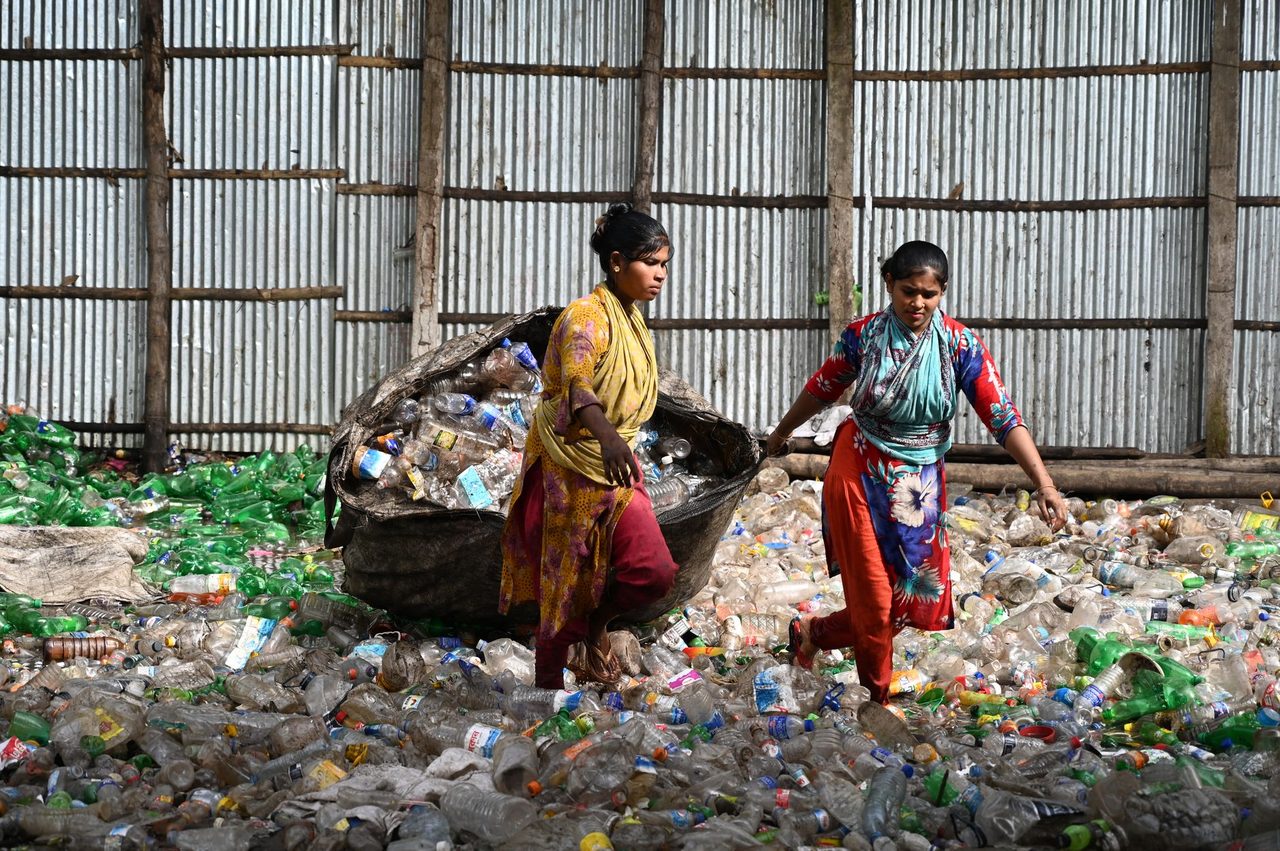
Photo: Mumtahina Tanni on Pexels
India’s battery recycling market in 2026 is no longer defined only by collection targets or hydromet plant announcements. The next bottleneck is commercial architecture: how recyclers source black mass or spent batteries, how metals are priced and settled, how OEMs structure recycling partnerships, and how lenders underwrite cash flow volatility. For developers, battery OEMs, fleet operators, utilities and financiers, the central question is shifting from “can India build recycling capacity?” to “can that capacity secure feedstock, sell recovered metals reliably and convert paper margins into bankable cash flows?”
This article focuses on that commercial layer. Specifically, it looks at battery metal recovery in India through three lenses that matter in 2026: tolling versus buy-sell business models, black mass and metal pricing formulas, and offtake structures for lithium, nickel, cobalt, manganese, graphite and copper-bearing outputs. This is a different issue from plant EPC, take-back network design, second-life BESS revenues or EPR logistics. It is about contract design, working capital, price risk and lender comfort.
Why metal recovery economics now matter more than nameplate capacity
India’s policy direction remains clear. Battery waste collection and EPR accountability are strengthening, EV penetration continues to enlarge future scrap pools, and domestic cell manufacturing ambitions are creating interest in local circular raw materials. But capacity claims across recycling and refining can look impressive on paper while masking two hard realities:
- near-term feedstock remains tight for many chemistries, especially production scrap of consistent quality
- metal price volatility can turn nominal gross margins into weak cash conversion if contracts are poorly designed
In 2026, a recycler’s viability depends less on announced tonnes per annum and more on five variables:
- secured feedstock under enforceable contracts
- chemistry-wise recovery yields validated at commercial scale
- pricing formulas linked to accepted reference benchmarks
- impurity, moisture and assay dispute protocols
- working-capital support for inventory and settlement cycles
For lenders, this means capacity utilisation assumptions must be stress-tested by chemistry mix, not just total tonnage. A plant built around NMC and NCA recovery economics cannot simply replace missing feedstock with LFP and expect the same revenue per tonne. For OEMs and fleet owners, it means choosing recycling counterparties with transparent assay, settlement and downstream offtake capability rather than only gate-fee promises.
India’s 2026 feedstock reality: chemistry mix is changing the contract playbook
A major commercial shift in India is the growing relevance of LFP alongside NMC variants. This has consequences across the recycling chain.
For NMC and NCA scrap, value recovery is still driven by nickel, cobalt and lithium, with copper and aluminium credits providing additional support. For LFP, the absence of nickel and cobalt changes the economics sharply. Lithium recovery becomes more important, iron and phosphate value remains limited relative to Ni-Co chemistries, and the tolerance for logistics inefficiency or low yields is much lower.
Typical 2026 market behaviour in India reflects this divergence:
- NMC production scrap commands stronger recycler interest and tighter commercial terms
- mixed end-of-life packs require greater preprocessing, discharge, dismantling and sorting costs
- LFP-heavy streams increasingly need either lower procurement prices, processing subsidies through EPR-linked structures, or integrated refining strategies to stay attractive
- black mass buyers are becoming more selective on chemistry purity and contamination thresholds
In practical terms, this means a single “per kg battery scrap” rate is becoming less useful. Contracts now need chemistry-specific schedules. Fleet operators with mixed batteries, especially in e-mobility and stationary applications, should expect differential pricing by state of health, cathode chemistry, pack format and preprocessing condition.
This is also where Growthifye capabilities such as End-of-life fleet audits and Reverse logistics become commercially relevant. A rigorous audit of installed and retiring battery assets can materially improve recovery planning, contract negotiation and residual value estimation before recycling or repurposing decisions are locked in.
Tolling vs buy-sell: the two dominant recovery models in India
In 2026, most serious commercial discussions in Indian battery recycling fit into one of two structures: tolling or buy-sell.
1) Tolling model
Under tolling, the battery owner, OEM, trader or black mass supplier retains title to material. The recycler processes it for a fee and returns recovered products or settles value after agreed deductions.
This model is gaining traction when:
- OEMs want traceability and circularity claims on recovered metals
- customers seek tighter control over EPR evidence and material chain-of-custody
- feedstock owners want exposure to upside in metal prices
- recyclers are relatively new and cannot absorb major balance-sheet commodity risk
Common Indian tolling structures in 2026 include:
- fixed processing fee per tonne of black mass or battery input
- fee plus reagent/utility pass-through above benchmark consumption bands
- metal recovery sharing, where recycler retains a percentage of recovered value
- assay-based net settlement after refining and impurity deductions
Advantages:
- lower working-capital burden for recyclers
- reduced inventory price exposure
- stronger traceability for OEM compliance and Circularity reporting
- easier alignment where customer wants recycled content claims
Challenges:
- complex assay and reconciliation protocols
- disputes over recoverable metal content and process losses
- dependence on downstream refiners for final payable terms
- lower upside for recyclers if fee structures are conservative
2) Buy-sell model
Here, the recycler purchases spent batteries, intermediate scrap or black mass, takes title and sells recovered salts, mixed hydroxide/carbonate products, alloy fractions or refined metals onward.
This remains common where:
- scrap aggregators need immediate cash realisation
- recyclers have stronger market intelligence on metal sales
- there is confidence in yield control and downstream offtake
- input streams are relatively standardised, such as manufacturing scrap
Advantages:
- recyclers capture commodity upside if procurement is disciplined
- contract execution can be simpler for smaller suppliers
- downstream sales flexibility can improve margin optimisation
Challenges:
- significant working-capital requirement
- exposure to lithium, nickel and cobalt price swings
- mark-to-market inventory risk
- higher lender scrutiny on hedging and stock valuation
For many Indian projects, lenders in 2026 prefer hybrid structures during ramp-up: tolling for anchor customers and buy-sell for opportunistic volumes. This reduces balance-sheet stress while establishing yield credibility.
How black mass and recovered metal pricing is actually being negotiated
Pricing in India is becoming formula-led rather than purely negotiated per shipment. That is a healthy shift. It reduces disputes and gives financiers more confidence in revenue forecasting.
Typical pricing frameworks include:
- payable metal basis linked to independent benchmark prices for lithium, nickel, cobalt and copper
- agreed payable percentages for each metal after assay confirmation
- deductions for moisture, packaging, contaminants and non-target fractions
- treatment charges and refining charges, either fixed or benchmark-linked
- impurity penalties above threshold levels
For black mass, the most important commercial levers are:
- chemistry purity
- n- contained metal values by assay
- moisture content
- fluorine and other contaminant levels
- lot size and consistency
- payment timing and final settlement cycle
In 2026 India, payment cycles can vary from advance plus provisional settlement on dispatch to 100% final payment after umpire assay and downstream sale. Smaller suppliers often underestimate how much value can be trapped in delayed settlement or penalty schedules.
Indicative market practice in 2026:
- copper and aluminium fractions often settle faster because they are easier to place with domestic buyers
- lithium-bearing intermediates still face wider payable range depending on purity and downstream refining route
- nickel and cobalt payables remain stronger in cleaner NMC streams than in mixed black mass lots
- assay differences beyond pre-agreed bands increasingly trigger umpire mechanisms, adding time and cost
For battery OEMs, this means recycling tenders should not compare only headline procurement price or processing fee. The real comparison must include:
- assay basis and lab accreditation
- payable percentages metal by metal
- impurity deduction schedule
- loss and moisture methodology
- timing of provisional and final settlements
- title transfer point and transit risk
A recycler offering a higher nominal payable but weaker settlement mechanics can be less attractive than one with a tighter, transparent formula.
Offtake contracts: the missing bankability link for many recyclers
Feedstock contracts get most of the attention, but in lender committees the harder questions often concern product offtake. Who buys the recovered output? At what specification? With what floor or formula? Over what volume commitment?
In India, many recyclers still rely on ad hoc sales of mixed outputs. That may work in strong metal markets, but it is not ideal for debt underwriting. By 2026, stronger projects are securing offtake in one of four forms:
- domestic sale of copper, aluminium and steel fractions to established recyclers or smelters
- export-linked sale of black mass or intermediate salts to overseas refiners, subject to compliance and logistics controls
- domestic industrial offtake for selected chemical intermediates where purity and consistency are acceptable
- strategic offtake with battery or materials players seeking long-term circular sourcing
Bankable offtake contracts increasingly include:
- product specification schedule
- minimum annual offtake quantity or take-or-pay features
- benchmark-linked price formula with payables clearly stated
- quality rejection and reprocessing provisions
- logistics and Incoterms clarity
- payment security or credit support
- sanctions, export-control and compliance warranties where relevant
For lenders, the ideal scenario is not necessarily a fixed price contract. In commodity-linked businesses, fixed pricing can create as much risk as it removes. What matters more is clarity of formula, counterparty strength and proven placement routes.
A practical point for Indian recyclers is that not every output needs a long-term offtake contract. But at least one or two major revenue streams should have visible sales channels before financial close. Otherwise, the project effectively asks lenders to underwrite both technology and market-making risk simultaneously.
Working capital, price volatility and what lenders will test in 2026
Battery metal recovery is working-capital intensive. Even efficient plants can hold significant value in inbound inventory, in-process material, receivables and assay-related settlement delays. This is where many optimistic business plans fail stress testing.
Lenders and investors in 2026 typically focus on:
- inventory days by material type
- time between receipt, assay, processing and final sale
- margin sensitivity to lithium, nickel and cobalt price movements
- concentration risk on feedstock suppliers and buyers
- FX exposure where imported scrap, reagents or export sales are involved
- contingency for environmental compliance shutdowns or yield underperformance
A practical underwriting framework for Indian projects should include downside cases such as:
- 15% to 25% decline in benchmark lithium prices
- lower plant utilisation during chemistry changeover or qualification periods
- delayed receivables due to assay disputes
- reduced payable from downstream refiner for off-spec material
- higher effluent treatment and reagent costs
Projects that survive these tests usually share common traits:
- phased capacity ramp-up rather than aggressive day-one assumptions
- a feedstock book diversified across OEM scrap, manufacturing scrap and end-of-life material
- documented assay and mass-balance procedures
- at least partial tolling revenues to stabilise cash generation
- realistic DSCR calculations that account for commodity volatility
This is also where EPR compliance can support, but not replace, commercial discipline. EPR-linked volumes may improve visibility of material flow. They do not automatically solve pricing risk, settlement delays or offtake uncertainty.
What developers, OEMs and policymakers should do next
For market participants across India’s circular battery chain, the next step is not just more capacity announcements. It is better contract quality.
Developers and recyclers should:
- separate chemistry-specific economics in all business plans
- avoid relying on blended average value assumptions across LFP and NMC streams
- secure at least one anchor feedstock agreement and one anchor offtake pathway before major capex drawdown
- standardise assay, moisture and impurity clauses across suppliers where possible
- align procurement and sales contracts so settlement timing does not create avoidable cash gaps
OEMs, fleet owners and energy storage operators should:
- evaluate recycling bids on full netback basis, not only top-line payable or lowest fee
- insist on chain-of-custody and auditable recovery reporting
- map future retirements through End-of-life fleet audits to improve commercial planning
- assess whether some assets belong in Second-life battery applications before recycling, especially for stationary use-cases with manageable warranty and safety controls
Policymakers and regulators should:
- continue tightening formalisation of battery waste channels
- support standardisation in documentation, testing and digital traceability
- reduce ambiguity in movement, storage and processing compliance for legitimate operators
- encourage domestic quality standards for recycled battery materials to improve market confidence
India’s battery circularity market in 2026 is entering a more mature phase. Engineering still matters, and so do permits, logistics and EPR systems. But the decisive edge is moving toward contract structure and cash-flow design. Recyclers that master tolling, benchmark-linked pricing and credible offtake will be better positioned than those relying only on headline capacity or optimistic commodity assumptions.
For Indian C&I consumers, developers, lenders and policymakers, that is the real takeaway: battery recycling is becoming a commercial infrastructure business, not just a waste-processing activity. The winners will be those who can connect feedstock certainty, process yields, compliant operations and monetisable metal outputs into one coherent financing story.
If your organisation is evaluating battery retirement strategy, metal recovery partnerships, EPR compliance or circular project bankability, contact Growthifye’s advisory desk for a focused assessment of contracts, cash flows and implementation options.
Explore Growthifye's related capabilities
This analysis connects directly to our advisory practice: End-of-life fleet audits · Second-life battery applications · Module & battery recycling · EPR compliance.
About the author

Chief Executive Officer, Growthifye — With over 23 years in management consulting, Sudarshan has taken businesses from concept to scale — building and scaling new-age digital and energy businesses.
- 23+ years in management consulting
- EY alumnus
- Led large-scale BESS programmes, capital raises and advisory mandates
Want this analysis applied to your project?
Talk to our team