भारतीय discoms के लिए MDM 2026: स्मार्ट मीटर डेटा गुणवत्ता, राजस्व और RDSS ROI
By Sudarshan Karweer · sudarshan@growthifye.com · +91 84510 99371 (Call / WhatsApp) · 2026-09-18
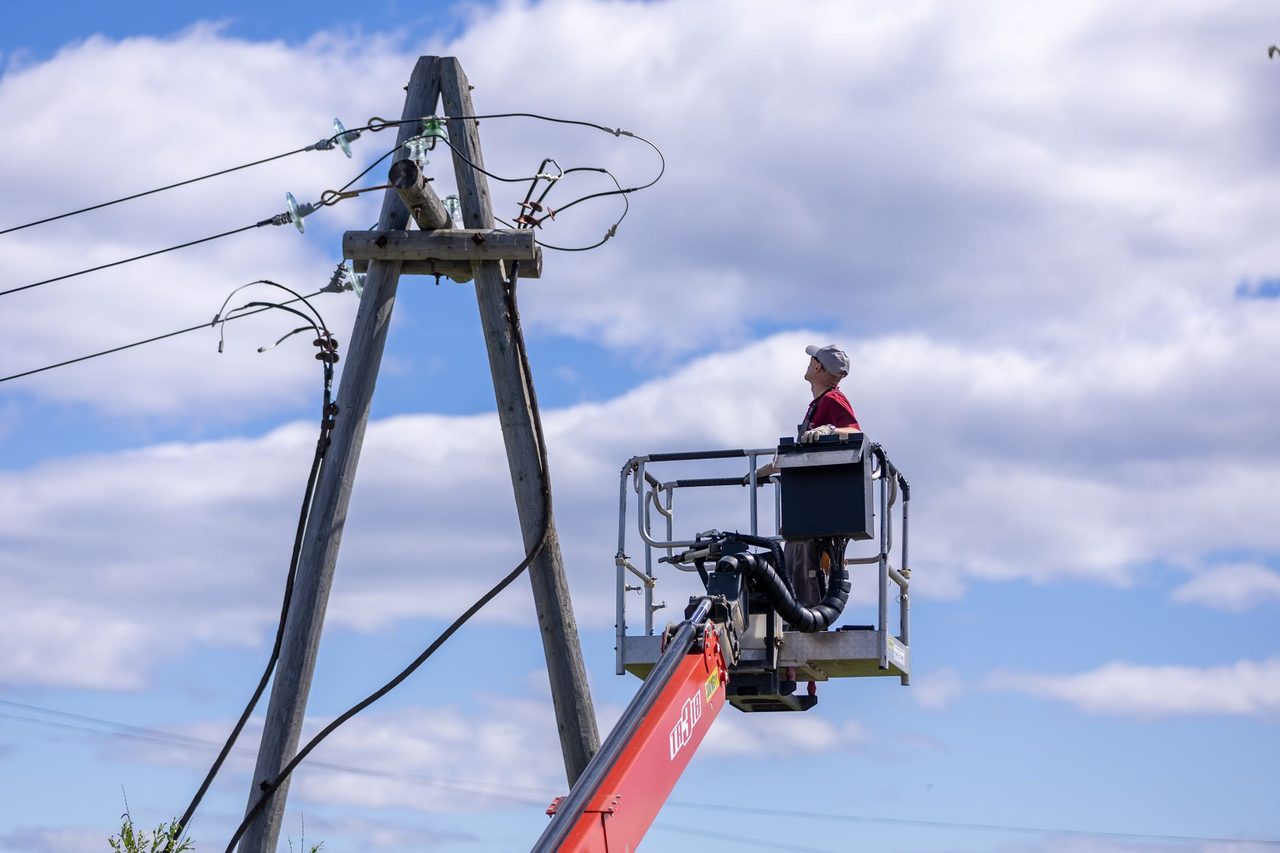
Photo: Sergei Starostin on Pexels
भारत में AMI rollout ने क्षेत्र का ध्यान मीटर खरीद से डेटा संचालन की ओर मोड़ दिया है। 2026 में discoms के लिए कठिन प्रश्न अब यह नहीं है कि कितने स्मार्ट मीटर लगाए गए, बल्कि यह है कि क्या अंतराल डेटा, घटनाएँ, tamper अलार्म और load profiles वास्तव में बिलिंग दक्षता, संग्रह प्रदर्शन, outage response और AT&C loss analytics में सुधार कर रहे हैं। यहीं meter data management, या MDM, रणनीतिक रूप से महत्वपूर्ण हो गया है।
कई भारतीय utilities के लिए AMI head-end systems पहले से ही बड़े पैमाने पर meter reads ingest कर रहे हैं। लेकिन head-end systems billing-grade validation, estimation, editing, aggregation, exception handling, interval analytics और enterprise integration के लिए utility के दीर्घकालिक source of truth के रूप में डिज़ाइन नहीं किए गए हैं। एक मजबूत MDM layer के बिना, discoms अक्सर fragmented data pipelines, manual reconciliations और उस डेटा में कम भरोसे के साथ रह जाते हैं, जिसका उपयोग वे revenue assurance और network planning के लिए करना चाहते हैं।
यह लेख 2026 में भारतीय discoms के लिए MDM को utility digitalisation की प्राथमिकता के रूप में देखता है, विशेष रूप से RDSS, prepaid smart metering, feeder और DT energy accounting, तथा मापनीय operational outcomes पर lenders की बढ़ती जाँच के संदर्भ में। यह यह भी स्पष्ट करता है कि C&I consumers, RE developers और financiers को distribution companies द्वारा उपयोग किए जाने वाले meter data की गुणवत्ता की परवाह क्यों करनी चाहिए।
भारत के 2026 utility landscape में MDM अभी क्यों महत्वपूर्ण है
भारत का smart metering programme उस पैमाने पर पहुँच चुका है जहाँ data quality केवल IT issue नहीं, बल्कि operational और financial issue बन गई है। RDSS के तहत, utilities से billing efficiency, collection efficiency और AT&C loss reduction में सुधार दिखाने की अपेक्षा की जाती है। Smart meters इन लक्ष्यों का समर्थन कर सकते हैं, लेकिन केवल तभी जब data पूर्ण, validated और billing, outage management तथा analytics workflows में एकीकृत हो।
एक MDM platform AMI head-end और meter data पर निर्भर enterprise applications के बीच स्थित होता है। इसकी भूमिका में शामिल है:
- interval reads, billing reads और event data का validation
- स्वीकृत business rules का उपयोग करके missing values का estimation
- controlled workflows के माध्यम से suspect reads का editing
- settlement-quality और billing-quality datasets का निर्माण
- communication failures, clock drift और duplicate reads जैसी exceptions का प्रबंधन
- energy accounting के लिए feeder, DT और consumer-level data का aggregation
- CIS, billing, outage management, analytics और planning systems को feed करना
भारतीय discoms के लिए यह इसलिए महत्वपूर्ण है क्योंकि meter communication success rates शायद ही कभी पूरे क्षेत्र में समान होती हैं। व्यवहार में, daily read success strong RF या cellular pockets में 95% से ऊपर और कठिन terrains, high-rise clusters या chronic telecom instability वाले क्षेत्रों में 80% से नीचे हो सकती है। यदि उन gaps को disciplined validation-estimation-editing workflows के माध्यम से नहीं संभाला जाता, तो billing accuracy घटती है, prepaid balances अविश्वसनीय हो जाते हैं और consumer disputes बढ़ते हैं।
Urban C&I-heavy license areas में, high-value consumers पर केवल 0.5% से 1.0% तक की billing leakage भी महत्वपूर्ण annual revenue loss में बदल सकती है। यदि Rs 1,500 crore से Rs 3,000 crore के annual billed demand वाले HT और बड़े LT portfolio में weak meter-data controls हैं, तो leakage potential हर वर्ष कई crore rupees तक पहुँच सकता है। इसलिए MDM केवल backend system नहीं, बल्कि revenue protection layer है।
भारतीय discom stack में HES और MDM के बीच अंतर
एक सामान्य implementation mistake यह मान लेना है कि AMI head-end system enterprise-grade meter data management की भूमिका निभा सकता है। head-end का प्राथमिक कार्य device communication है: reads एकत्र करना, commands जारी करना, events pull करना और meter populations के साथ connectivity बनाए रखना। यह आवश्यक है, लेकिन पर्याप्त नहीं।
MDM का operating purpose अलग होता है। यह standardise और industrialise करता है कि data पर कैसे भरोसा किया जाए और utility भर में उसका उपयोग कैसे किया जाए। 2026 में एक सामान्य discom architecture में, stack increasingly शामिल करता है:
- Smart meters और communication network
- HES for meter communication and command execution
- MDM for VEE, historical storage and enterprise data services
- CIS और billing systems
- Prepaid vending या balance management systems
- Feeder और DT energy accounting applications
- Outage, customer-service और field-force tools
- Theft detection, loss segmentation और load research के लिए analytics layers
यह separation विशेष रूप से उन utilities के लिए महत्वपूर्ण है जो RDSS के तहत multi-vendor AMI estates चला रही हैं। अलग-अलग meter OEMs और HES providers events, registers और load-profile structures को अलग तरह से प्रस्तुत कर सकते हैं। एक मजबूत MDM layer इन अंतरों को सामान्यीकृत करती है ताकि billing, analytics और audit functions हर बार नए vendor cluster जोड़ने पर न टूटें।
यही एक कारण है कि Vendor-neutral specifications procurement के दौरान increasingly महत्वपूर्ण हैं। यदि MDM data model, VEE rules, API structures और integration responsibilities कमजोर रूप से परिभाषित हैं, तो utilities को pilot circles से statewide deployments तक scale करते समय बाद में महंगा rework करना पड़ सकता है।
Revenue assurance: MDM सबसे स्पष्ट ROI कहाँ उत्पन्न करता है
भारत में MDM का सबसे तात्कालिक business case revenue assurance है। Smart meters monthly kWh reads से कहीं अधिक उत्पन्न करते हैं। वे interval consumption, outage events, reverse current flags, magnetic tamper alarms, neutral disturbance indicators, cover-open events, remote connect-disconnect logs और voltage-quality information प्रदान करते हैं। लेकिन यह raw telemetry तभी commercial value बनाती है जब उसे actionable workflows में व्यवस्थित किया जाए।
एक MDM platform कम-से-कम छह तरीकों से revenue में सुधार करता है:
- Higher actual-read billing rate: fewer provisional bills और fewer manual exceptions
- Missing data का बेहतर handling: validated estimation से bill delays कम होते हैं
- Tamper-event correlation: suspect events को consumption anomalies से जोड़ा जा सकता है
- Read-to-bill cycle compression: billing-quality data की faster availability
- Accurate prepaid balance updates: consumer trust और collection integrity के लिए critical
- Stronger audit trails: dispute resolution और regulatory scrutiny में सहायता
मान लीजिए एक discom के पास 50 lakh smart meters हैं और मिश्रित portfolio में प्रति consumer औसत monthly billed revenue लगभग Rs 700 से Rs 900 है। यदि MDM-प्रेरित सुधार unbilled या delayed-billed accounts को केवल 1.5 percentage points तक घटा दें, तो working-capital impact महत्वपूर्ण हो सकता है। इसी तरह, यदि exception-based monitoring target field action के लिए प्रति माह 20,000 से 50,000 high-risk meter cases की पहचान करती है, तो recovered revenue MDM investment को जल्दी उचित ठहरा सकता है।
High-value C&I segments में, interval data validation बेहतर contract-demand enforcement, time-of-day billing integrity और disputed consumption patterns के reconciliation को भी समर्थन देती है। open-access और captive-heavy industrial clusters के लिए data confidence महत्वपूर्ण है, क्योंकि billing disputes power-procurement planning, demand penalties और quality of supply संबंधी दावों तक फैल सकते हैं।
AT&C analytics, DT metering और feeder accounting में MDM की भूमिका
भारतीय utilities अक्सर feeder या division स्तर पर AT&C loss reduction की चर्चा करती हैं, लेकिन smart metering ने consumer-level और transformer-level energy accounting को अधिक granular बना दिया है। उस granularity का अच्छी तरह उपयोग करने के लिए consumer meters, feeder meters और DT meters से डेटा का time alignment, cleansing और consistent aggregation होना चाहिए। यही वह कार्य है जिसे MDM platform समर्थन देने के लिए बनाया गया है।
एक mature MDM environment के साथ, discoms यह कर सकते हैं:
- Feeder input versus DT output versus billed consumption का reconciliation
- Geography, feeder, transformer और consumer class के आधार पर loss pockets की पहचान
- technical-loss patterns और probable theft या billing gaps के बीच अंतर करना
- zero-consumption, low-consumption और sudden-drop cases का बड़े पैमाने पर विश्लेषण
- interval demand patterns का उपयोग करके transformer overloading visibility में सुधार
- anecdotal field reports के बजाय साक्ष्य के आधार पर loss-reduction drives का समर्थन
यह RDSS के तहत अत्यंत प्रासंगिक हो जाता है क्योंकि system strengthening और smart metering पर capital spending का मूल्यांकन increasingly measurable utility outcomes के आधार पर किया जाता है। जो utility विश्वसनीय baseline और post-implementation loss data प्रस्तुत नहीं कर सकती, उसे regulators, state governments या lenders के सामने आगे के investment priorities को justify करने में कठिनाई हो सकती है।
C&I consumers को भी परोक्ष लाभ मिलता है। बेहतर energy accounting utilities को broad-based tariff pressure के बजाय theft-prone pockets को अधिक सटीक रूप से target करने में मदद कर सकती है। समय के साथ, अधिक data-driven loss-reduction programme cross-subsidy stress को कम कर सकता है और industrial feeders में supply quality की predictability को बेहतर बना सकता है।
Outage operations, service quality और utility OT के साथ integration
MDM पर अक्सर केवल billing के संदर्भ में चर्चा होती है, लेकिन इसका मूल्य network operations तक फैला हुआ है। Smart meters last-gasp और first-breath messages, voltage loss events और restoration indicators उत्पन्न करते हैं। जब इन्हें सही ढंग से प्रबंधित किया जाता है, तो यह dataset feeder SCADA alone की तुलना में outage visibility को अधिक सटीक बना सकता है।
जो utilities SCADA / ADMS integration में निवेश कर रही हैं, उनके लिए MDM एक cleaner historical event repository और customer-level outage analysis के लिए एक trusted meter-event stream प्रदान कर सकता है। यह OT systems की जगह नहीं लेता; बल्कि operational workflows में प्रवेश करने वाले distributed-edge data की विश्वसनीयता बढ़ाकर उनका पूरक बनता है।
Typical use cases में शामिल हैं:
- यह सत्यापित करना कि reported outage consumer-specific है या area-wide
- switching operations के बाद meter level पर restoration status pinpoint करना
- call-centre agents को event-backed outage information उपलब्ध कराना
- no-voltage events के clusters के आधार पर field crews को प्राथमिकता देना
- अधिक granular timestamps के साथ restoration performance को मापना
जिन circles में utilities बाद में FLISR & self-healing networks तैनात करती हैं, वहाँ clean meter event data downstream restoration की पुष्टि करके और उन pockets को उजागर करके मूल्य जोड़ सकता है जहाँ switching ने केवल प्रभावित load का एक हिस्सा ही बहाल किया। यह विशेष रूप से dense urban networks में उपयोगी है जहाँ multiple tie points और complex low-voltage topologies होती हैं।
कार्यान्वयन संबंधी गलतियाँ जिनसे भारतीय discoms को बचना चाहिए
MDM projects तब अपेक्षित परिणाम नहीं देते जब उन्हें generic IT deployments के बजाय utility-process transformations की तरह माना जाता है। भारत में सबसे आम गलतियाँ तकनीकी असंभवताओं से नहीं, बल्कि governance और design समस्याओं से जुड़ी हैं।
मुख्य pitfalls में शामिल हैं:
- Consumer, feeder और DT hierarchies में कमजोर data model design
- IT, billing और operations teams के बीच VEE rules की स्पष्ट ownership का अभाव
- Communication gaps और field-device data inconsistencies को कम आँकना
- Meter populations में poor clock synchronisation और time-stamp quality
- HES, MDM, CIS और prepaid platforms के बीच अपर्याप्त API design
- Archival, cybersecurity और data-retention requirements की अनदेखी
- Core data-quality workflows को ठीक करने से पहले dashboards लागू करना
Utilities को go-live से पहले measurable acceptance criteria तय करने चाहिए। इनमें ऐसे metrics शामिल होने चाहिए जैसे:
- Consumer segment के अनुसार daily billing-read availability
- Interval data completeness percentage
- Type और ageing bucket के अनुसार exception volumes
- Estimated-versus-actual billing ratio
- Read acquisition से bill-ready dataset तक का समय
- Key tamper conditions के लिए event-to-ticket conversion rates
- Feeder-to-DT-to-consumer aggregation की accuracy
Testing के दौरान programme discipline भी महत्वपूर्ण है। एक गंभीर utility deployment software demonstration पर समाप्त नहीं होना चाहिए। FAT to SAT planning में realistic meter populations, communication failure scenarios, billing-cycle edge cases, tamper-event mapping और existing enterprise systems के साथ integration शामिल होना चाहिए। अन्यथा, post-go-live data exceptions utility teams को अभिभूत कर सकते हैं और platform में विश्वास कम कर सकते हैं।
2026 में lenders, policymakers और market participants को क्या देखना चाहिए
Lenders और policymakers के लिए MDM maturity इस बात का proxy बनती जा रही है कि smart-meter capex स्थायी cash-flow gains देगा या नहीं। एक discom installed meter counts बता सकती है, लेकिन investors और public agencies को कठिन प्रश्न पूछने चाहिए:
- कितने smart meters प्रतिदिन complete bill-ready data दे रहे हैं?
- Deployment के बाद estimated billing कितना कम हुआ है?
- Circle के अनुसार billing efficiency और collection efficiency का trend क्या है?
- क्या tamper-event workflows field recoveries और prosecutions में परिणत हो रहे हैं?
- क्या feeder और DT energy accounting auditable, time-aligned data पर आधारित है?
- Consumer complaints को interval data के माध्यम से utility कितनी जल्दी reconcile कर सकती है?
RE developers के लिए, विशेष रूप से rooftop solar, storage और behind-the-meter optimisation में सक्रिय लोगों के लिए, cleaner discom meter data अंततः बेहतर demand profiling, अधिक accurate net-metering या gross-metering reconciliation और distribution-level hosting-capacity assessments को अधिक credible बना सकता है। C&I consumers के लिए, यह billing disputes को कम कर सकता है और load curves, outages और time-of-day charges के बारे में transparency बढ़ा सकता है।
रणनीतिक निष्कर्ष सरल है: AMI data exhaust बनाता है, लेकिन MDM उस डेटा से enterprise value बनाता है। 2026 में, जो भारतीय discoms केवल endpoints और communication में निवेश करेंगी, वे पीछे रह जाएँगी। जो disciplined meter-data backbone बनाएँगी, वे cash collections में सुधार, tariffs को defend करने, loss pockets को target करने और भविष्य की digital-grid capabilities का समर्थन करने के लिए बेहतर स्थिति में होंगी।
जैसे-जैसे utilities digitalisation को scale करती हैं, MDM का मूल्यांकन standalone software purchase के रूप में नहीं, बल्कि smart metering, analytics, revenue assurance और control-centre workflows को समाहित करने वाले end-to-end operating model के हिस्से के रूप में किया जाना चाहिए। इसका अर्थ है procurement clarity, मजबूत data governance, integration discipline और pilot से statewide scale तक realistic KPI tracking।
Growthifye utilities, developers और financiers को system architecture, business-case modelling, Vendor-neutral specifications और FAT to SAT execution में practical digital-grid advisory प्रदान करता है। यदि आप मूल्यांकन कर रहे हैं
About the author

Chief Executive Officer, Growthifye — With over 23 years in management consulting, Sudarshan has taken businesses from concept to scale — building and scaling new-age digital and energy businesses.
- 23+ years in management consulting
- EY alumnus
- Led large-scale BESS programmes, capital raises and advisory mandates
Want this analysis applied to your project?
Talk to our team