BESS VGF Tenders: Bankable या सिर्फ Illusion?
0:00 / 12:54 · Episode 3
- 01VGF should be treated as a capex grant in financial models, never blended into revenue assumptions that flatter equity IRR
- 02RTC and FDRE obligations carry marginal cycling costs that are not being modelled separately from standalone storage tariff assumptions
- 03Real-world capacity utilization in Gujarat and similar grids runs at 60-70%, well below the 80%+ assumptions used in many BESS financial closes
- 04Lenders relying on VGF-backing as a proxy for safety are missing that operational risk has simply shifted from equity to debt service coverage
- 05Record-low tariffs like Rajasthan's Rs 1.775 create herd pricing pressure on subsequent tenders regardless of site-specific dispatch realities
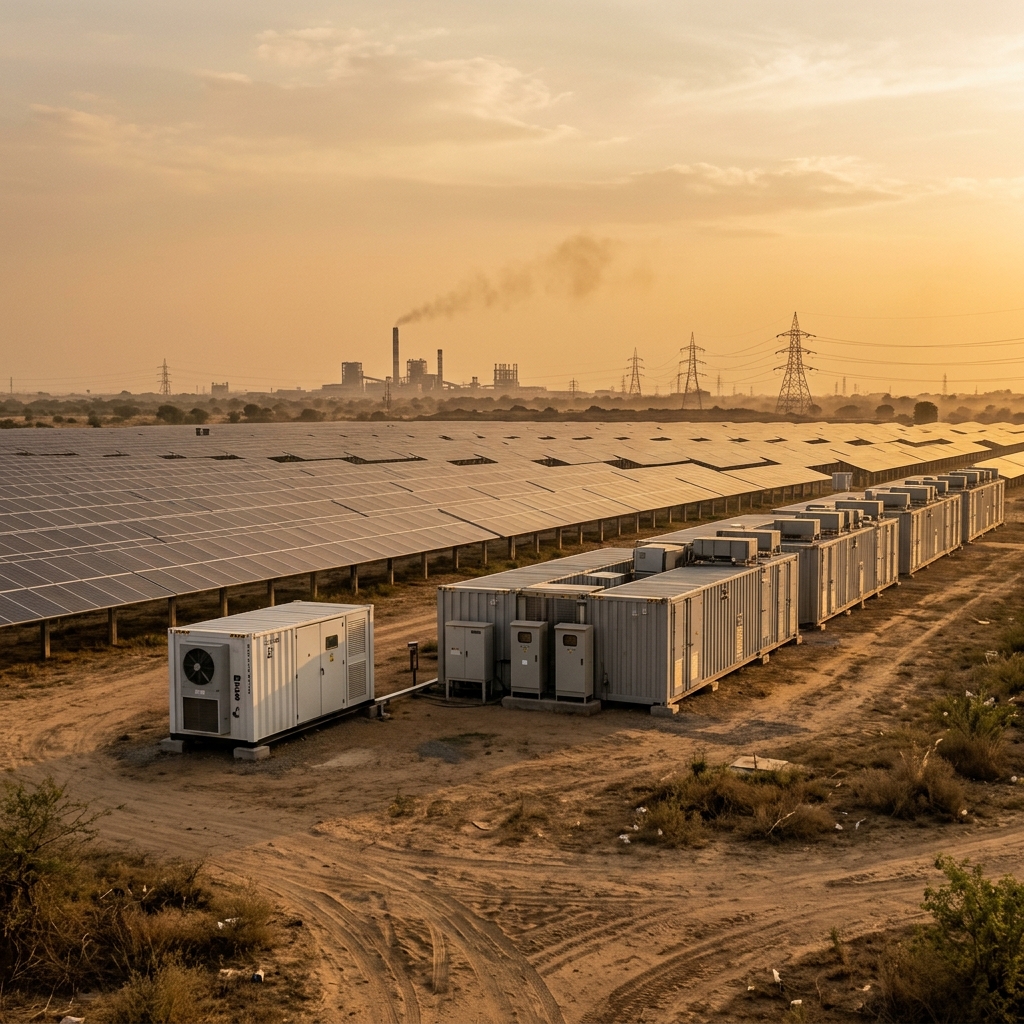
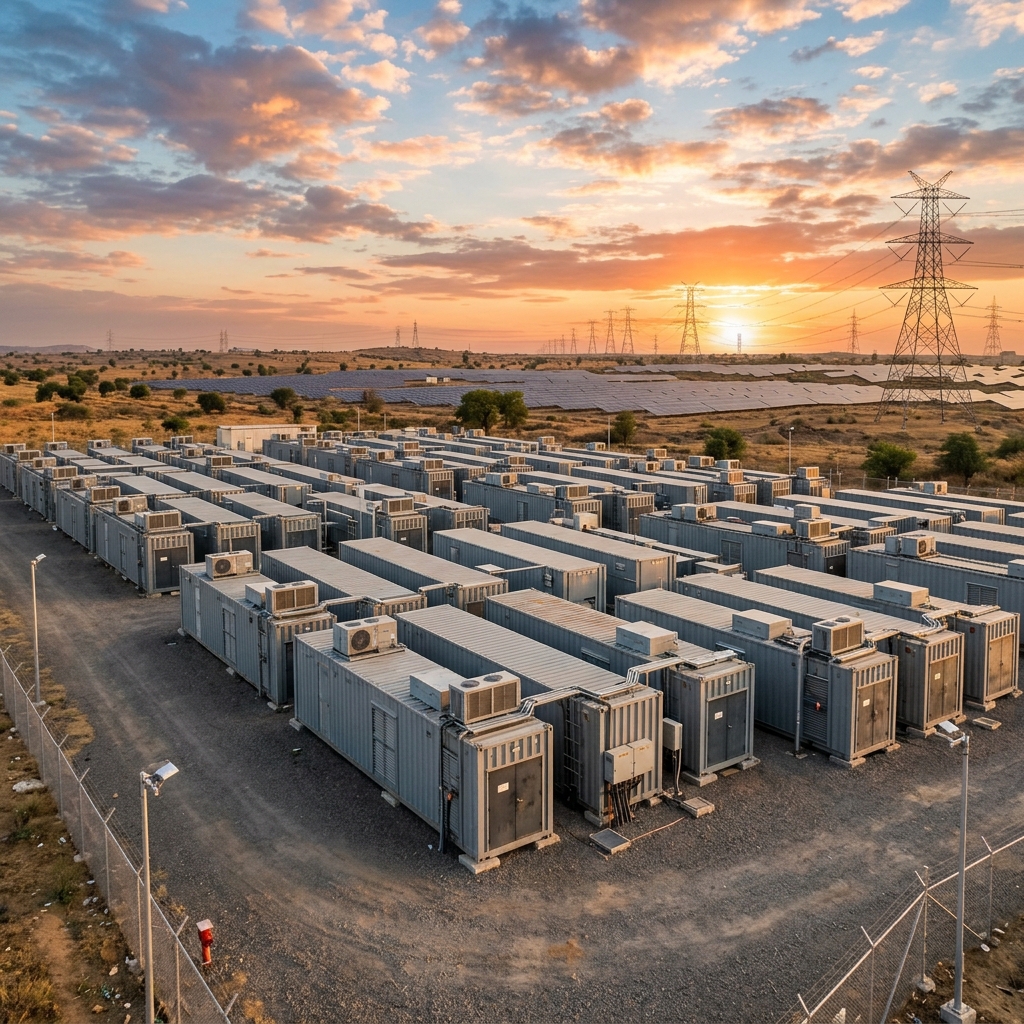
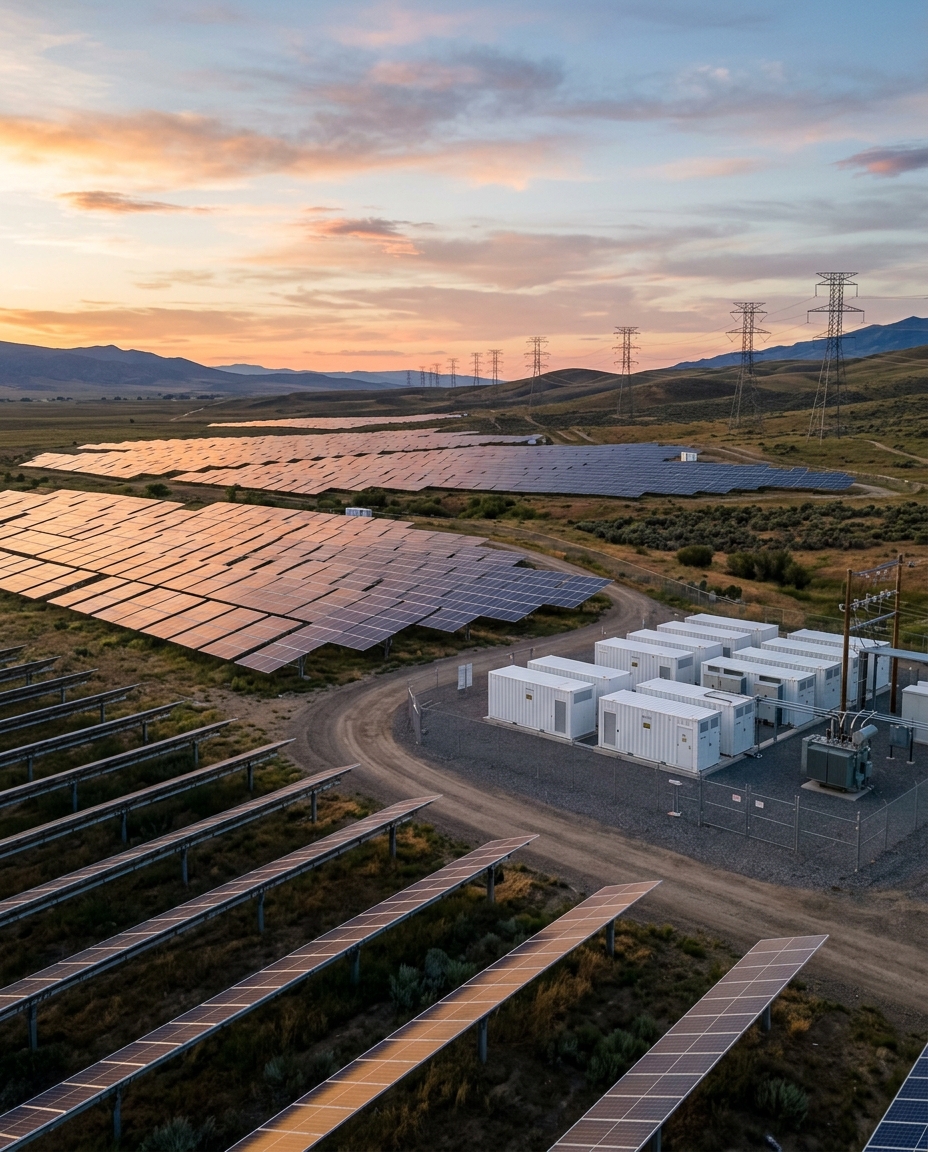
In this episode of Growthifye Grid, Sudarshan Karweer and Neha unpack why VGF-backed BESS tenders in Gujarat and Madhya Pradesh may be creating a bankability illusion rather than fixing real project economics. They walk through MP Power Management's 282.5 MW/1130 MWh VGF tender, GUVNL's 335 MW award to Advait, Equentia and Sundrops, and Rajasthan's record-low Rs 1.775 auction, questioning whether these tariffs reflect actual dispatch realities. A worked anonymised case shows how an RTC obligation attached to a 250 MW/500 MWh standalone BESS pushed debt service coverage from 1.15 to 0.92 purely from unmodelled cycling costs. Sudarshan lays out what lenders, developers and discoms should each change in underwriting and bidding, before making the contrarian case that VGF is triggering herd pricing across states rather than genuine bankability improvement.
43 turns · 1,747 words · click a timestamp to listen from there
Cold Open
Sudarshan Karweer
देखिये, अगर आपको लगता है कि VGF मिलते ही कोई BESS project अपने आप bankable हो जाता है, तो जरा रुकिए। Gujarat और MP में जो template बन रहा है, वो असल में weak project economics को viability gap funding के पीछे छुपाने वाला खेल है, fix करने वाला नहीं।
Welcome to Growthifye Grid
Sudarshan Karweer
नमस्कार, मैं हूँ Sudarshan Karweer, और यह है Growthifye Grid। मेरे साथ हैं Neha, हमारी Business Analyst। आज हम बात करेंगे BESS VGF tenders की, खासकर Gujarat और Madhya Pradesh के, और क्यों मुझे लगता है कि यह पूरा structure bankability का template नहीं, बल्कि एक बहुत महंगी accounting illusion बनता जा रहा है।
What's Happening: VGF Push in Gujarat & MP
Neha
Sudarshan जी, पिछले छह महीनों में तीन बड़े states ने VGF-backed BESS tenders निकाले हैं। MP Power Management ने दो सौ बयासी point पांच megawatt, ग्यारह सौ तीस megawatt-hour का tender floated किया VGF support के साथ। Gujarat में GUVNL पहले ही तीन सौ पैंतीस megawatt Advait, Equentia, Sundrops को award कर चुका है। तो VGF असल में क्या ठीक कर रहा है?
Sudarshan Karweer
VGF मतलब सरकार आपके capex का एक हिस्सा upfront pay कर देती है, ताकि tariff कम दिखे, bid competitive लगे। मंशा अच्छी है। लेकिन असली problem यह है कि developers VGF को revenue gap भरने के लिए use कर रहे हैं, risk कम करने के लिए नहीं। मतलब RTC और FDRE obligations की actual cycling economics ठीक से model ही नहीं हो रही।
Neha
लेकिन अगर VGF की वजह से tariff नीचे आ रहा है, तो discom को तो सीधा फायदा है ना। Rajasthan में RVUNL का एक gigawatt, दो gigawatt-hour auction record-low एक रुपया सतहत्तर पैसे पर बंद हुआ। यह तो अच्छी खबर लगती है, फिर आपको इसमें दिक्कत क्या दिख रही है।
Sudarshan Karweer
अच्छी खबर तब है जब वो tariff sustainable हो। एक रुपया सतहत्तर पैसे तभी काम करेगा जब project को साल में लगभग तीन सौ पैंतालीस दिन, रोज दो cycle मिलें। लेकिन Grid-India के actual dispatch data देखिये, average utilization साठ से सत्तर percent capacity factor पर अटका है, सौ percent पर नहीं। यह gap भरेगा कौन, developer या lender?
Neha
तो आपका कहना है developers standalone storage की merchant revenue और RTC-FDRE की contracted revenue को mix करके एक rosy financial model बना रहे हैं, जो actual ground reality से मेल नहीं खाता?
Sudarshan Karweer
बिल्कुल यही। समझिये, RTC और FDRE contracts में developer को morning और evening दोनों peak में fixed load profile देना होता है। किसी दिन solar कम आया तो battery को extra cycle करना पड़ता है gap भरने के लिए। लेकिन financial models में यह extra cycling cost और तेज degradation capture ही नहीं हो रहा, क्योंकि VGF ने upfront capex इतना हल्का कर दिया कि लोग सोचते हैं cushion है।
The Numbers: VGF Percentage vs Real IRR
Neha
चलिए numbers पर आते हैं। इन state tenders में VGF percentage आमतौर पर कितना जा रहा है, और उससे actual project IRR पर क्या असर पड़ता है?
Sudarshan Karweer
ज्यादातर state tenders में VGF thirty से forty percent of capex तक जा रहा है। मान लीजिये एक BESS का capex साढ़े तीन करोड़ रुपये per megawatt-hour है, चालीस percent VGF मिल गया तो equity outlay काफी हल्का दिखता है। इससे headline IRR बारह से चौदह percent तक दिख जाता है। लेकिन यह IRR contracted utilization पर calculate हुआ है, actual dispatch पर नहीं।
Neha
तो actual utilization गिरने पर यह IRR कितना नीचे आ सकता है, कोई real example है आपके पास?
Sudarshan Karweer
मैंने खुद एक developer के साथ इस पर काम किया, नाम नहीं लूँगा। उनका base case था अस्सी percent capacity utilization factor पर चौदह percent equity IRR। जब हमने actual Gujarat grid dispatch pattern से stress test किया, पैंसठ percent utilization पर, IRR सीधे आठ point दो percent पर आ गिरा। छह percentage points का gap, सिर्फ dispatch assumption की वजह से।
Worked Mini-Case: The RTC Cycling Trap
Neha
यह case थोड़ा detail में बता सकते हैं, बिना नाम लिए? यह पूरा setup कैसा था और actual problem कहाँ पकड़ी गई।
Sudarshan Karweer
यह दो सौ पचास megawatt, पांच सौ megawatt-hour standalone BESS था, GUVNL type structure में। Developer ने bid डाला दो लाख अस्सी हजार रुपये per megawatt per month पर, VGF मिला पैंतीस percent capex का। Model में assume किया दो cycle per day, तीन सौ पचास days per year। पर contract में RTC obligation भी attached था, यानी evening peak में solar कम हो तो battery extra draw करेगी बिना extra payment के।
Neha
और उस extra draw का actual cost किसने compute किया, financial close के वक्त?
Sudarshan Karweer
यही असली problem है, किसी ने ठीक से नहीं किया। हमने actual load curve लगाकर model फिर बनाया तो पता चला साल में लगभग पचास दिन battery को तीन cycle तक जाना पड़ा बिना extra tariff के। इससे degradation तेज हुई, augmentation capex पाँच साल जल्दी आ गया, और debt service coverage ratio one point one five से गिरकर zero point nine two पर आ गया।
Neha
zero point nine two DSCR मतलब तो technically covenant breach की territory है, यह तो serious बात है।
Sudarshan Karweer
बिल्कुल, lender के नजरिये से यह covenant breach है। यहीं VGF का असली खतरा है। VGF ने developer को गलत confidence दे दिया कि equity कम लगा है इसलिए risk भी कम है। पर risk debt पर shift हो गया, equity पर नहीं। Lender सोच रहा था VGF-backed project safe होगा, असल में downside सारा operational cash flow पर था।
What Lenders, Developers, Utilities Should Do
Neha
तो lenders और developers को अलग तरीके से underwrite करना चाहिए इन VGF deals को, आपकी सिफारिश क्या है exactly?
Sudarshan Karweer
तीन चीज़ें बदलनी होंगी। पहला, VGF को capital structure में grant की तरह treat करिये, revenue नहीं। दूसरा, RTC और FDRE obligations की marginal cycling cost अलग से model करिये, standalone storage tariff assumption के साथ मत मिलाइये। तीसरा, हर lender को अपना independent dispatch stress test चाहिए, discom के historical curtailment pattern के साथ, सिर्फ VGF percentage देखकर comfort मत लीजिये।
Neha
developers की तरफ से bidding strategy में क्या बदलना चाहिए फिर?
Sudarshan Karweer
Developers को capacity utilization factor का range देना चाहिए, single point estimate नहीं। पिछले हफ्ते एक developer से यही बात हो रही थी, उन्होंने कहा tender document में single CUF मांगा जाता है इसलिए वैसे ही bid डालते हैं। ठीक है, पर internal financial model में scenario analysis करिये, पचास, साठ, सत्तर percent CUF पर, वरना equity holder को असली risk का अंदाज़ा ही नहीं होगा।
Neha
और discoms की तरफ से इस पूरे structure में क्या गलती हो रही है?
Sudarshan Karweer
Discoms VGF के जरिये tariff नीचे दिखाकर अपने regulator को खुश कर रहे हैं, चाहे CERC हो या state commission। लेकिन RTC penalty clauses इतने कड़े हैं कि developer के पास कोई हेजिंग room नहीं बचता। अगर discom को true firm power चाहिए, तो ancillary services market का revenue share भी developer को देना चाहिए, ताकि cycling cost recover हो सके। अभी सिर्फ one-way risk transfer हो रहा है।
Neha
तो basically VGF ने bidding competitive तो बना दिया, पर risk allocation ठीक नहीं हुआ, यही निष्कर्ष है आपका?
Contrarian Take: VGF as Herd Pricing
Sudarshan Karweer
बिल्कुल यही बात है। SECI का example भी लीजिये, बारह सौ megawatt ISTS-connected solar-plus-storage projects award हुए Engie, NLC, RPIL, Oriana को, तीन रुपये बारह से तेरह पैसे per kWh पर। tariff attractive लगता है, पर उसमें भी storage की dispatch flexibility की value ठीक से price नहीं हुई। सब लोग एक जैसी गलती कर रहे हैं, बस अलग states में।
Neha
तो अगर मैं सीधे पूछूँ, क्या VGF पूरी तरह एक गलत policy है फिर?
Sudarshan Karweer
नहीं, VGF गलत नहीं है, implementation गलत है। सच कहूँ तो, standalone storage के early-stage market को VGF जैसी support चाहिए ही, क्योंकि merchant revenue अभी भारत में mature नहीं हुआ। मेरी contrarian बात यह है कि अभी VGF bankability बढ़ाने के बजाय tariff discovery को artificially नीचे धकेल रहा है, जिससे अगले round के bidders पर भी unrealistic pricing का दबाव आ जाता है।
Neha
मतलब एक tender की गलत pricing अगले tender को भी infect कर देती है, यह चेन कैसे चलती है?
Sudarshan Karweer
यही तो चेन reaction है। Rajasthan में एक रुपया सतहत्तर पैसे का record-low tariff आया, अब हर developer अगले bid में उससे नीचे जाने का दबाव महसूस करेगा, चाहे उनका site-specific dispatch profile बिल्कुल अलग क्यों न हो। यह herd pricing है, fundamentals पर आधारित नहीं। असली stress तीन-चार साल बाद, refinancing के वक्त दिखेगा।
Neha
तो अभी जो projects financial close कर रहे हैं, उनका असली test 2028-29 के आसपास आएगा, यह सही समझूँ?
Sudarshan Karweer
हाँ, exactly तभी। जब पहला augmentation capex cycle आएगा, degradation curve सामने आएगी, और RTC penalty का actual invoke history दिखेगी। तभी पता चलेगा कि VGF ने असल में कुछ ठीक किया था या सिर्फ समस्या को तीन-चार साल आगे टाल दिया, lender की balance sheet पर।
Neha
पर कुछ developers तो conservative भी हैं, सब तो aggressive नहीं bid कर रहे इन auctions में।
Sudarshan Karweer
सही बात है। जिनके पास पहले से operational BESS assets हैं, वो ज्यादा realistic CUF लगाकर bid डाल रहे हैं, भले उनका tariff थोड़ा ऊँचा दिखे। तकलीफ यह है कि L1 pricing culture में वो शुरुआत में lose हो जाते हैं, और फिर बाकी सबको भी नीचे की तरफ खींचा जाता है। यही race to the bottom का असली खतरा है VGF के साथ।
Rapid Fire: Three Things to Remember
Neha
अच्छा, चलिए अब rapid-fire पर आते हैं। तीन बातें याद रखिये, Sudarshan जी, आज के लिए।
Sudarshan Karweer
पहली बात, VGF को grant मानिये, revenue नहीं। cash flow model में उसे सिर्फ upfront capex offset के तौर पर गिनिये, कहीं और नहीं।
Sudarshan Karweer
दूसरी बात, RTC और FDRE obligations की marginal cycling cost हमेशा अलग से stress test करिये, discom के actual historical dispatch data के साथ, tender document के assumed CUF के साथ नहीं।
Sudarshan Karweer
तीसरी बात, अगर आप lender हैं, तो VGF-backed होने का मतलब safe होना मत समझिये। covenant structure में minimum DSCR trigger रखिये जो actual operational cycling से जुड़ा हो, सिर्फ initial financial close numbers से नहीं।
Close & Next Episode
Neha
बहुत सारगर्भित discussion रही आज की, Sudarshan जी। अगले episode में क्या cover करेंगे हम फिर?
Sudarshan Karweer
अगली बार हम बात करेंगे transmission bottlenecks की, खासकर Rajasthan से evacuate होने वाले छह gigawatt solar की, और क्यों POWERGRID के नए ISTS tenders अकेले उस problem को solve नहीं कर पाएंगे।
Sudarshan Karweer
अगर आप developer हैं, lender हैं, या discom के साथ काम कर रहे हैं, और अपने BESS project की VGF-adjusted bankability चेक करवाना चाहते हैं, तो growthifye dot com पर हमसे जुड़िये। हम independent dispatch stress-testing करते हैं, बिना किसी tender bias के।
Neha
और अगर आपको यह episode useful लगा हो, तो अपनी team के साथ share करिये, especially जो लोग अभी अगले VGF tender की bid तैयार कर रहे हैं।
Sudarshan Karweer
मिलते हैं अगले episode में, Growthifye Grid पर। तब तक के लिए अपने numbers से एक बार जरूर पूछिए, क्या यह tariff असल dispatch पर टिका है, या सिर्फ कागज़ पर।
Got a question this episode left open? Ask in Hindi, English or Hinglish — Neha reads the queue before every recording, picks listener questions and reads them out in Hindi and English before Sudarshan answers, crediting you by first name.
अपना सवाल हिंदी या English में लिखिए — नेहा अगली रिकॉर्डिंग में चुने गए सवाल दोनों भाषाओं में पढ़ेंगी और सुदर्शन जवाब देंगे।
0 questions on this episode
No questions yet — be the first to put one to Sudarshan. · पहला सवाल आप पूछिए।