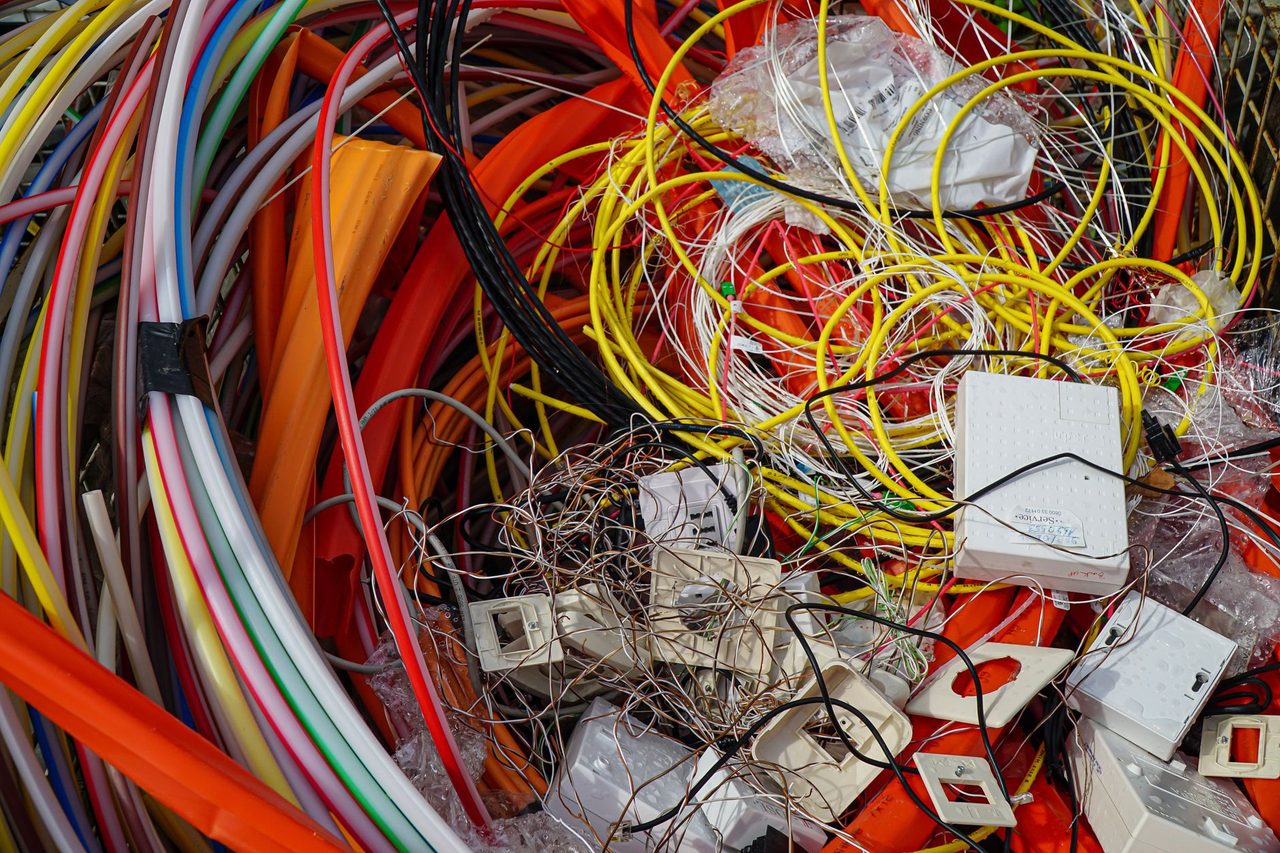
Solar Module EPR in India 2026: Compliance Costs, Contracts and Circularity Strategy
By Sudarshan Karweer · sudarshan@growthifye.com · +91 84510 99371 (Call / WhatsApp) · 2026-09-16
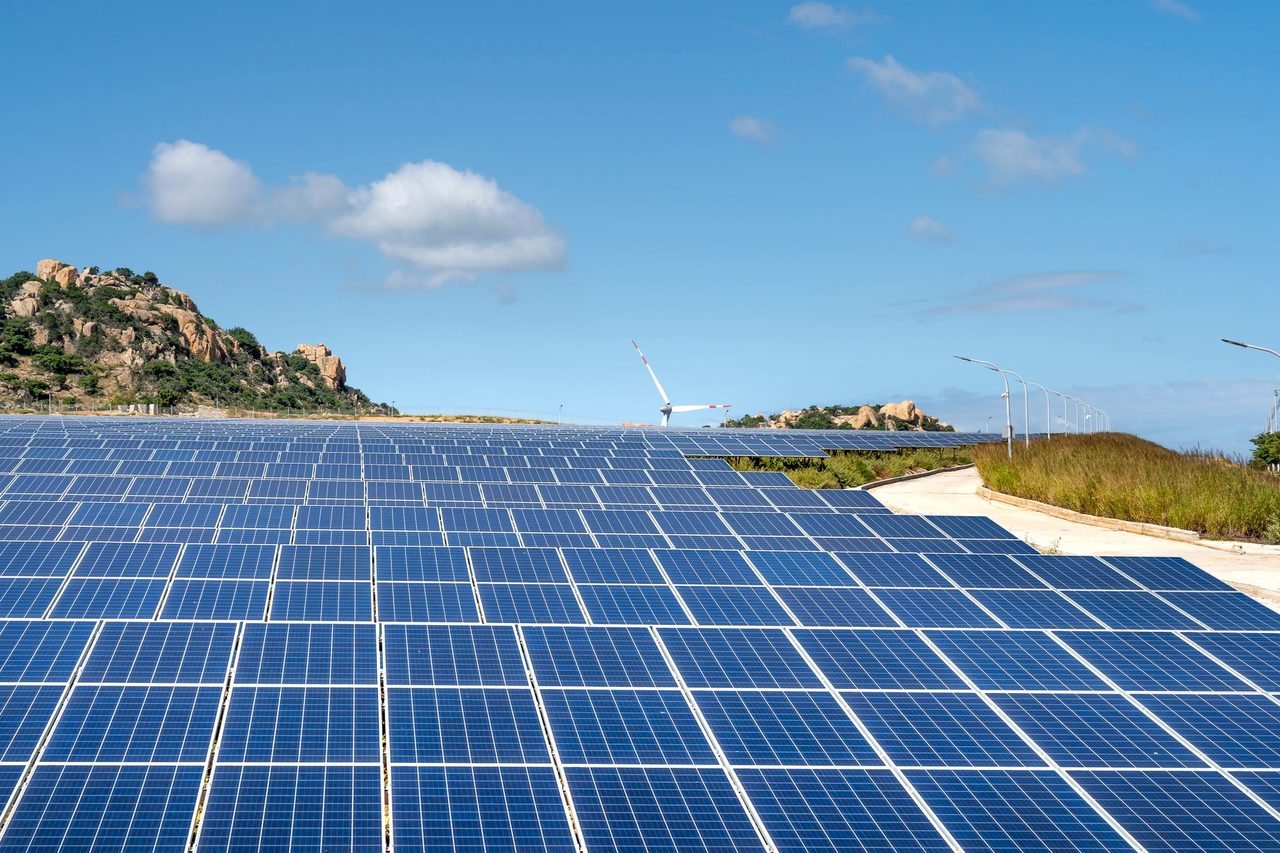
Photo: Quang Nguyen Vinh on Pexels
India’s solar industry has spent a decade optimising capex, generation yield and O&M. In 2026, a new variable is entering boardroom and lender conversations: solar module end-of-life compliance. For developers, C&I owners, utilities, investors and policymakers, solar module EPR is no longer a policy side note. It is becoming a measurable liability, a contracting issue and, if handled early, a circularity opportunity.
This article focuses on the operational and financial implications of solar module EPR in India in 2026: who is likely to bear the obligation, how costs are emerging, what contract structures are workable, what data systems are needed and where the biggest execution risks sit. That angle is distinct from plant-design or recycling-EPC discussions. The immediate market question is simpler: when module waste starts to scale, how do obligated entities comply at acceptable cost and with audit-grade traceability?
Why solar module EPR matters now in India
India has crossed the point where module waste can be treated as a distant 2040s problem. Three waste streams are already visible in 2026:
- Early breakage during transport, installation and operation
- Insurance-replacement modules after storms, hail, hotspots or fire events
- Repowering and technology upgrades in older utility and C&I assets
The annual waste volume from true end-of-life modules is still modest relative to installed base, but annual damaged and replaced inventory is meaningful enough to shape collection systems, recycler utilisation and commercial terms. In practice, many portfolios are already generating 0.2% to 0.8% annual module replacement volumes depending on site conditions, quality history and claims experience. On a 100 MWdc fleet with roughly 180,000 to 220,000 modules, even a 0.5% replacement rate can mean 900 to 1,100 modules requiring compliant handling in a year.
The trigger for board attention is not just waste volume. It is the convergence of:
- India’s tightening circular-economy and waste-management posture
- Increasing scrutiny on producer responsibility and downstream traceability
- Insurance and lender diligence on salvage, hazardous handling and disposal pathways
- Corporate ESG and procurement requirements from multinational C&I buyers
For many market participants, the challenge is that module waste sits awkwardly between EPC closeout, O&M obligations, OEM warranties, insurance settlements and waste rules. Unless roles are allocated clearly, the result is operational delay and cost leakage.
Regulatory context in 2026: where the compliance burden is heading
India’s waste rules and producer-responsibility architecture have matured faster in batteries and plastics than in solar modules, but the policy direction is clear. The practical expectation in 2026 is that module manufacturers, importers, brand owners, project owners and waste handlers all need better records, better chain-of-custody and cleaner allocation of compliance responsibilities.
For market participants, the key issue is less about abstract policy intent and more about the likely compliance stack that needs to be budgeted for now:
- Registration and record-keeping obligations for relevant entities in the value chain
- Waste inventorying at plant and fleet level
- Segregation, safe storage and transportation of damaged modules
- Transfer only to authorised handlers and recyclers
- Recovery documentation and audit support
- Reconciliation of warranty returns, insurance replacements and scrap disposal
Developers should assume that informal disposal channels will become increasingly risky. A damaged module lot sold to an unverified aggregator for immediate cash may look convenient, but it can create downstream legal, reputational and financing issues if traceability fails.
This is especially relevant for utility-scale sponsors raising long-tenor debt or platform capital. Lenders are increasingly asking whether waste obligations are contractually assigned, operationally planned and costed. That is now part of project-quality assessment, not an optional ESG appendix.
Who pays? The real commercial question behind module EPR
The central commercial issue in solar module EPR is cost allocation. In 2026, the answer still varies by asset type, contracting history and module source.
In principle, producers or importers may carry formal responsibility under an EPR-style framework. In practice, project owners often bear immediate operational responsibility because waste arises at site level and must be handled quickly. That creates a gap between legal obligation and cash-flow reality.
For Indian projects, there are five common commercial scenarios:
- OEM-led take-back: feasible where the module supplier has a defined India strategy, approved recycling partners and workable logistics terms
- Owner-managed compliance: common in fragmented fleets or where legacy supply contracts are silent on end-of-life handling
- O&M-led execution under owner oversight: practical for recurring breakage volumes but only if data and indemnity terms are clear
- EPC defect/replacement handling: relevant during DLP or early defect periods
- Insurance-led settlement with recycler disposal: useful after extreme-weather or fire events, but often poorly documented unless specified in claims protocol
Current market pricing remains immature and site-specific. For damaged crystalline-silicon module handling in India in 2026, all-in compliance costs can vary widely depending on location, volume and packaging condition. A practical working range many owners use for initial provisioning is Rs 8 to Rs 22 per module for onsite handling and temporary storage, Rs 6 to Rs 18 per module for aggregation and transport over moderate distances, and recycler gate economics that may range from a net disposal fee to a small scrap credit depending on glass recovery quality, aluminium frame value, contamination and whether junction boxes are intact.
For planning purposes, many portfolios are currently better served by budgeting on a per-tonne basis. Depending on geography and contamination profile, an indicative total cost range of Rs 12,000 to Rs 28,000 per tonne is a reasonable initial screen for compliant aggregation, freight and recycling. Remote sites, small lots and urgent dispatches sit at the higher end. Large, clean, frame-on lots near industrial clusters can do better.
The important point is not the exact number. It is that module EPR is now a budget line item. If sponsors are still assuming zero end-of-life cost or relying on uncertain salvage value, financial models are incomplete.
Contract design: where developers and C&I owners should tighten documents
Most solar waste problems are created by vague contracts signed years before the issue became material. In 2026, new PPAs may not need direct waste clauses, but EPC, module supply, O&M, asset-management and insurance documents certainly do.
At minimum, project companies should review and update the following provisions:
- Definition of waste categories: broken modules, failed modules, warranty-return stock, fire-damaged modules, packaging waste and BOS scrap should not be mixed casually
- Title transfer: specify when rejected or replaced modules become the property of the OEM, EPC contractor, insurer or owner
- Storage obligations: define who funds compliant storage, packaging and handling before evacuation
- Transport responsibility: clarify whether pickup is ex-site, regional hub or recycler gate
- Traceability evidence: require weighbridge slips, recycler certificates, shipment records and destruction or recovery confirmations
- Recovery standards: define minimum recycling or material-recovery expectations where commercially meaningful
- Data reporting: monthly or quarterly waste reporting should feed owner, lender and compliance dashboards
- Indemnity and leakage: unauthorised disposal, pilferage and undocumented resale need explicit remedies
This is where services such as End-of-life fleet audits and EPR compliance become commercially valuable. Before negotiating future-facing clauses, owners need a fact base: installed module mix, age profile, defect history, site dispersion, historical replacement rates, insurer claims pattern and likely recycler access.
For C&I portfolios, the contractual challenge is often harder than for utility-scale developers because systems are smaller, scattered across states and maintained by multiple vendors. Aggregating enough volume to get efficient recycler pricing can be difficult. A portfolio-level reverse-logistics framework usually works better than site-by-site improvisation.
Data and traceability: the hidden execution bottleneck
Many Indian solar owners underestimate how weak their waste data is. They know the generation profile of every string, but often cannot answer basic circularity questions across the fleet:
- Which module SKUs are installed at each site?
- How many damaged or replaced modules were removed in the last 24 months?
- Where are they currently stored?
- Were they claimed under warranty, insurance or owner expense?
- Has title transferred to any third party?
- Was the material recycled, refurbished, cannibalised or simply disposed?
Without this baseline, EPR execution becomes expensive. Recyclers price uncertainty. Insurers contest claims. OEMs dispute take-back eligibility. Auditors flag gaps.
A practical 2026 operating model is to create a circularity data layer inside existing O&M and asset-management systems. It does not need to be complicated at the start. The minimum viable architecture should include:
- Site-wise waste register linked to module serial or batch data where available
- Photo evidence and incident classification for each removal event
- Chain-of-custody logs from plant to storage hub to recycler
- Counterparty master of authorised transporters, aggregators and recyclers
- Reconciliation between physical inventory and accounting write-off
- Quarterly management dashboard with tonnes, units, cost and disposal status
This is also the point where Circularity reporting becomes useful to large C&I buyers and listed developers. Global customers increasingly ask not just whether solar power is procured, but how equipment waste is handled. Clean traceability can support procurement credibility, while poor records can undermine it.
Recycler capacity, logistics and economics: what the market looks like in 2026
India’s module recycling ecosystem in 2026 is still early-stage compared with batteries, but capacity is expanding. The challenge is less nominal plant count and more fit-for-purpose execution.
Owners should distinguish between three recycler profiles:
- Mechanical dismantling operators focused on frame, cable, junction-box and glass recovery
- Integrated processors attempting higher-value material separation with better yield control
- Waste handlers or aggregators that collect and bale material but outsource final processing
Not all capacity is equal. Key diligence questions include:
- What authorised permits and waste-category approvals does the operator hold?
- Can it manage laminated modules at commercial scale without excessive residue disposal?
- What percentage of incoming mass is actually recovered versus downgraded or landfilled?
- Does it provide verifiable outbound documentation for recovered fractions?
- Can it handle insurance-affected or fire-damaged modules safely?
Logistics remain a major cost driver. Modules are bulky, fragile and inefficient to move in small lots. Poor packaging can convert recyclable material into higher-cost mixed waste. As a result, regional aggregation hubs matter. In western and southern India, where industrial infrastructure and recycler access are stronger, costs are generally more competitive. In dispersed C&I portfolios across the north and east, transport and handling can dominate total spend.
A useful execution model for multi-site owners is:
- Site-level segregation and secure temporary storage
- Periodic consolidation to regional hubs once minimum economic quantity is reached
- Standardised packaging and manifesting protocols
- Tendered offtake to pre-qualified recyclers with fixed service-level metrics
This is where Reverse logistics and Module & battery recycling capabilities can reduce leakage. The gain is not only lower transport cost. It is also lower compliance risk and better recovery documentation.
What lenders, utilities and policymakers should watch
For lenders, module EPR should now be treated as part of technical and operational diligence for large portfolios. The risk is not that end-of-life costs destroy project IRRs today. The risk is unmanaged liability, disputed responsibility and future non-compliance in maturing portfolios.
Three lender checks are increasingly relevant:
- Is there a documented waste-management and EPR strategy at portfolio level?
- Are module replacement assumptions and disposal costs reflected in O&M reserves or lifecycle models?
- Are authorised recycler relationships and reporting formats already in place?
For DISCOM-linked and public-sector procurement, policymakers should recognise that circularity obligations work only if data and market plumbing are realistic. Overly ambitious obligations without clear digital reporting, recycler qualification norms and transition timelines can produce paper compliance rather than actual recovery.
Priority policy actions for 2026-2028 include:
- Clear assignment of obligations across domestic manufacturers, importers, brand owners and asset owners
- Standard digital manifests and waste traceability formats
- Harmonised guidance on damaged, warranty-return and repowered modules
- Accreditation or performance disclosure norms for recyclers
- Incentives for formal collection and regional aggregation infrastructure
The market also needs better disclosure of recovery quality. Reporting only tonnage collected is not enough. India should move toward material-recovery transparency so the difference between low-grade disposal and genuine circularity is visible.
A practical 12-month action plan for asset owners
If you operate solar assets in India in 2026, the best time to organise module EPR is before waste volumes spike.
A pragmatic 12-month plan looks like this:
- Map installed fleet by module make, vintage, wattage and site geography
- Quantify historical breakage, replacement and insurance-loss data
- Create a standard module-waste SOP for O&M teams
- Identify approved storage, packaging and dispatch protocols
- Pre-qualify at least two recycler pathways and one backup aggregator model
- Amend new O&M, EPC and supply contracts to assign title, cost and traceability clearly
- Build a per-tonne and per-module budget assumption into lifecycle models
- Set quarterly governance review with operations, procurement, legal and finance teams
The winners in module circularity will not necessarily be those with the cheapest recycler quote. They will be those who can combine compliance, logistics discipline, audit-grade data and sensible commercial allocation of responsibility.
Solar module EPR in India is moving from abstract sustainability language to operational reality. The portfolios that prepare now will protect lender confidence, reduce disposal leakage, improve insurer coordination and avoid expensive compliance catch-up later.
If your organisation is reviewing solar waste strategy, recycler contracting, portfolio data readiness or EPR implementation, contact Growthifye’s advisory desk for a practical assessment of compliance, logistics and circularity execution options.
Explore Growthifye's related capabilities
This analysis connects directly to our advisory practice: End-of-life fleet audits · Second-life battery applications · Module & battery recycling · EPR compliance.
About the author

Chief Executive Officer, Growthifye — With over 23 years in management consulting, Sudarshan has taken businesses from concept to scale — building and scaling new-age digital and energy businesses.
- 23+ years in management consulting
- EY alumnus
- Led large-scale BESS programmes, capital raises and advisory mandates
Want this analysis applied to your project?
Talk to our team