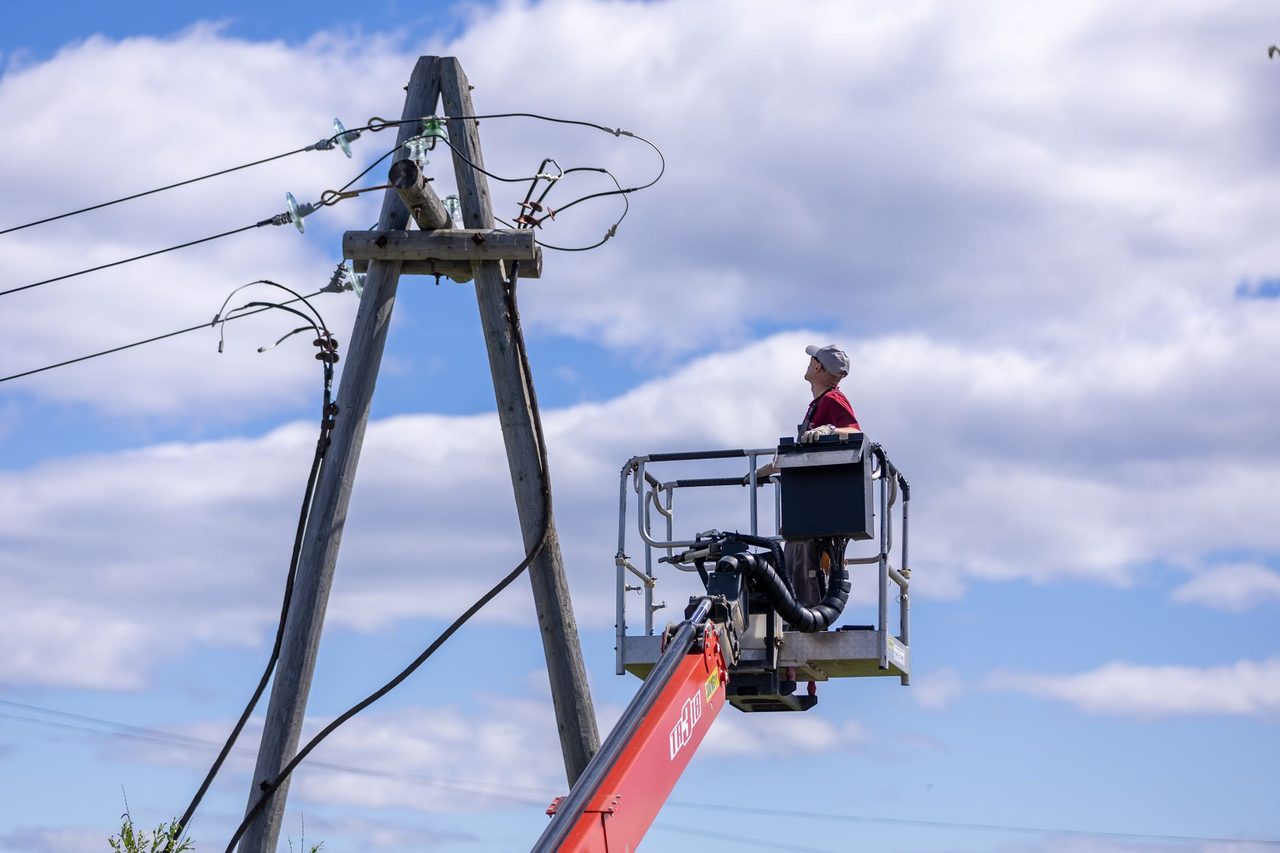
SCADA-ADMS Convergence for Indian DISCOMs 2026: Automation, RDSS and Loss ROI
By Sudarshan Karweer · sudarshan@growthifye.com · +91 84510 99371 (Call / WhatsApp) · 2026-09-14
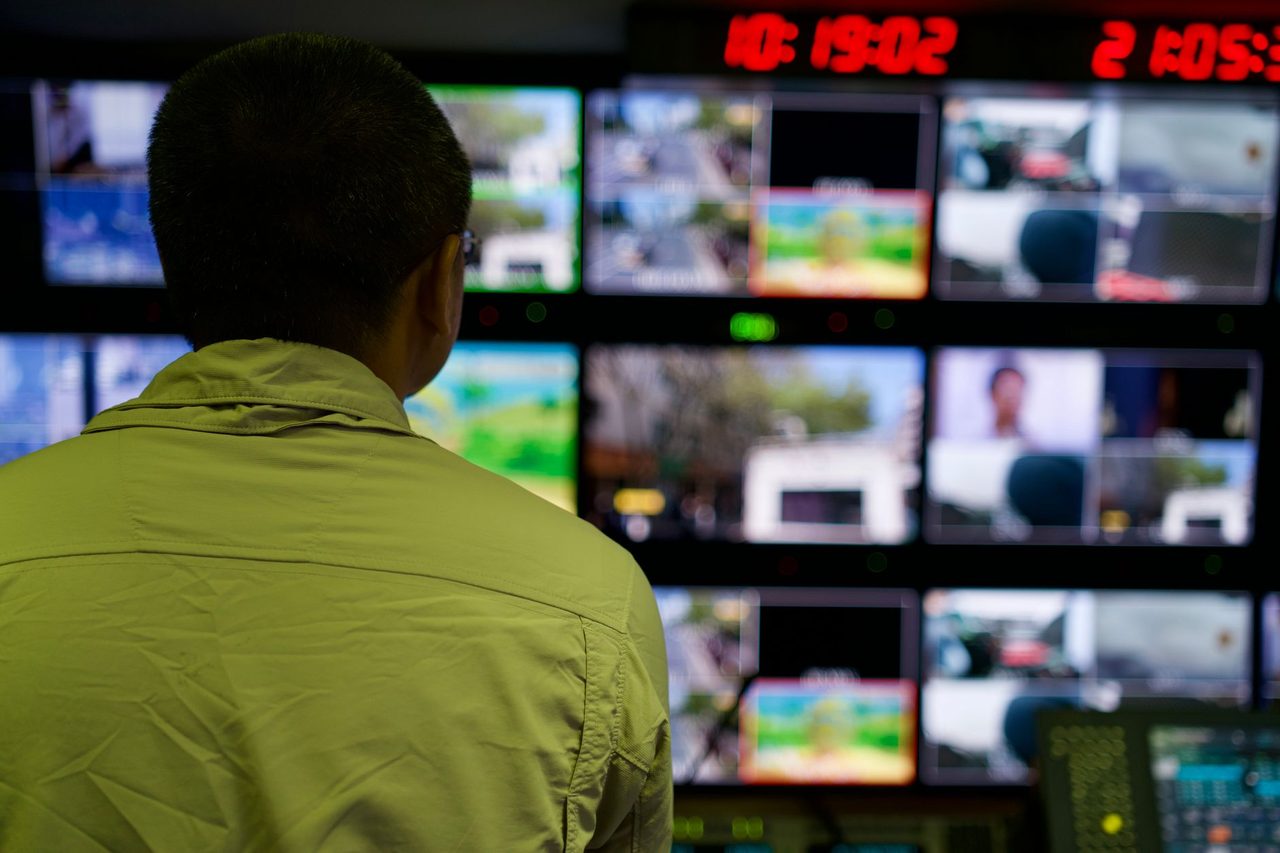
Indian DISCOM digitalisation in 2026 is moving beyond point solutions. After AMI, feeder metering, GIS, and substation upgrades, the next value pool is operational convergence: bringing SCADA and ADMS into one utility-grade control stack that improves reliability, reduces AT&C losses, and supports rising renewable penetration at the distribution edge.
For Indian utilities, this is not only a technology discussion. It is now a board-level capex and performance question tied to RDSS milestones, regulator scrutiny on outage metrics, and the need to operate an increasingly complex network with rooftop solar, EV charging, distribution transformers under stress, and uneven urban-rural load growth. A converged SCADA-ADMS program can deliver measurable operational gains if it is specified correctly, mapped to feeder realities, and implemented with utility workflows in mind.
This article explains where SCADA-ADMS convergence fits in the Indian context in 2026, what architectures are proving practical, what costs and benefits to expect, and how DISCOMs, lenders, developers and policymakers should evaluate the business case.
Why SCADA-ADMS convergence matters in India now
Most Indian DISCOMs historically treated SCADA as a supervisory visibility layer for urban substations and high-value feeders. ADMS, where deployed at all, often remained a pilot for outage management or network applications with partial model fidelity. That separation is becoming inefficient.
Three factors are pushing convergence in 2026:
- RDSS execution pressure to show measurable improvements in operational performance, feeder monitoring and loss reduction
- Growth in variable and behind-the-meter resources, especially rooftop solar in industrial, commercial and institutional segments
- Rising regulatory focus on supply quality, restoration time, network visibility and energy accounting consistency
A standalone SCADA system gives telemetry, alarms and remote switching. A proper ADMS layer adds model-driven applications such as switching analysis, load flow, topology processing, volt/VAR optimisation, outage location support, and crew-aware restoration workflows. When the two are converged rather than loosely interfaced, utilities avoid duplicate data models, inconsistent asset hierarchies and delayed operator action.
In practical DISCOM terms, this means one integrated operating picture from 33 kV and 11 kV substations down to feeder sections, ring-main units, reclosers, sectionalizers and, where available, transformer and consumer data. That integrated picture is what enables faster isolation of faults, better overload anticipation, improved voltage management and cleaner energy accounting.
What a workable Indian architecture looks like
A bankable SCADA-ADMS architecture for Indian DISCOMs in 2026 is usually not a rip-and-replace project. It is a staged integration of existing systems with selective upgrades to field devices, communications and enterprise data layers.
A practical architecture typically includes:
- SCADA master station for real-time telemetry, alarms, controls and historical event capture
- ADMS application suite with topology processing, network model management, outage and switching applications, and voltage optimisation where feasible
- GIS integration to create and maintain an accurate electrical network model
- AMI and feeder-meter data exchange for load profiling, energy balancing and exception analytics
- Substation automation interfaces using IEC 61850 at new or modernised substations
- OMS or outage workflow integration where customer call-centre and crew systems exist
- Communications backbone using fibre, MPLS, RF, 4G/5G or hybrid field connectivity depending on urban density and asset criticality
- Cybersecurity layers for role-based access, segmentation, logging and OT event response
In high-performing deployments, the utility first cleans up the asset registry and feeder topology. This matters because an ADMS is only as good as its model. If GIS says a switch exists but field crews bypassed it two years ago, the switching recommendation will be wrong. If feeder and DT naming differ across billing, GIS and SCADA systems, energy accounting will remain weak.
This is why DISCOMs increasingly seek Vendor-neutral specifications and integration planning before they tender software and automation packages. The commercial value of convergence depends less on software branding and more on data discipline, field-device quality, and operator workflow design.
Core use cases that actually deliver ROI
The ROI from SCADA-ADMS convergence in India does not come from dashboards. It comes from a handful of use cases that directly affect outage cost, technical losses, commercial losses and network utilisation.
1. Faster fault isolation and restoration
On dense urban 11 kV networks, every avoided minute of outage has economic value for C&I consumers and reputational value for utilities. With remote-operated switches, feeder telemetry and topology-aware applications, operators can isolate faulted sections and restore healthy sections faster than manual patrol-based operations.
In practical terms, utilities can target:
- 20-40% reduction in restoration time on automated feeders
- 10-25% improvement in annual interruption indices on selected urban circles, depending on field automation density
- Lower dependence on manual switching and phone-based field confirmation
This is especially relevant in state capitals, industrial clusters and high-load municipal circles where feeder outages have visible economic and political consequences.
2. Overload detection and transformer risk management
Many DISCOMs still operate with delayed visibility on feeder and transformer overloading. SCADA telemetry combined with ADMS applications and AMI-informed loading patterns can identify recurring peak stress windows, weak network sections and seasonal overload risks.
Typical outcomes include:
- Better feeder reconfiguration before summer peak
- Reduced transformer failure risk in high-growth areas
- More accurate capex prioritisation for conductor augmentation, new DTs or additional feeders
For lenders and state utilities, this improves capex efficiency because reinforcement is linked to observed system constraints rather than only legacy planning assumptions.
3. Voltage profile improvement and technical loss reduction
Where field instrumentation is adequate, ADMS-supported volt/VAR control can improve voltage compliance and reduce avoidable technical losses. Indian feeders with long LT networks, mixed agricultural demand or uneven urban expansion often suffer from poor end-of-line voltage and reactive power issues.
SCADA-ADMS convergence enables:
- Better capacitor bank control and switching schedules
- Improved tap-change coordination at primary substations
- Reduced feeder current through reactive power optimisation
- Lower losses and better voltage delivered to commercial and industrial loads
Even a 0.5-1.5% reduction in technical losses on high-energy feeders can translate into material annual savings for a medium or large DISCOM.
4. Energy accounting and theft detection support
SCADA-ADMS is not a direct anti-theft platform, but it sharpens feeder-level intelligence. When feeder telemetry, boundary metering and AMI interval data are stitched into one operational view, utilities can identify abnormal energy gaps, persistent imbalance pockets and suspicious load patterns.
This is useful for:
- Feeder-wise AT&C diagnostics
- Detection of meter bypass clusters or unmetered tapping zones
- Verification of load transfer impacts after switching operations
- Faster reconciliation between technical events and billing anomalies
On high-loss feeders, even a 1-2 percentage point AT&C improvement can create outsized financial value, especially where average cost of supply exceeds billed realisation by several rupees per kWh.
What numbers should DISCOMs and lenders use in 2026?
Indian utility digitalisation economics vary sharply by state, urban density, existing field assets and communications backbone. Still, some working ranges are useful for screening.
For 2026 planning, utilities may consider broad cost bands such as:
- Control centre software modernisation and ADMS application layer: often in the low tens of crores for a city-scale deployment, higher for multi-circle enterprise programs
- Remote terminal units, feeder automation controllers, intelligent electronic devices and communication upgrades: significant per-site capex, often driving the majority of field spending
- GIS cleanup, network model creation and integration services: a critical but often underestimated cost head
- Training, change management, FAT to SAT, cyber hardening and annual support: recurring essentials, not optional add-ons
On benefits, a serious business case usually combines:
- Opex savings from reduced manual switching, patrol and truck rolls
- Reliability gains for high-value feeders and urban circles
- Technical loss reduction through improved voltage and feeder operation
- AT&C improvement from better anomaly detection and energy accounting discipline
- Deferred capex through higher utilisation of existing assets and better switching plans
A medium to large city deployment can often justify itself if it achieves a mix of the following outcomes over 3-5 years:
- 10-20% reduction in fault restoration effort cost on automated feeders
- 0.5-1.5% technical loss reduction on covered network segments
- 1-3 percentage point improvement in AT&C loss on selected feeders when integrated with metering and field enforcement
- Reduced equipment failure and emergency replacement costs
For context, if a DISCOM serves feeders carrying hundreds of MU annually, even paise-level savings per kWh quickly add up. At an average power purchase cost of roughly Rs 4.5-6.5 per kWh and retail supply to C&I consumers often in the Rs 7-10 per kWh range depending on state and category, small network efficiency gains materially affect utility cash flows.
RDSS alignment and procurement pitfalls
In 2026, any SCADA-ADMS proposal for a DISCOM should be framed in RDSS language: measurable outcomes, integration readiness, scalability and auditable performance. Projects that are pitched as standalone software upgrades without field-operational impact are unlikely to produce acceptable returns.
Common procurement mistakes include:
- Buying ADMS modules before cleaning GIS and feeder topology data
- Over-scoping the control room while underfunding field automation devices
- Treating communications reliability as a telecom afterthought
- Ignoring interoperability between legacy SCADA, AMI, billing, GIS and outage workflows
- Weak operator training leading to low adoption of advanced applications
- Poor acceptance criteria during FAT to SAT, resulting in systems that work in demonstrations but fail during live network events
A strong tender and implementation approach should define:
- Feeder classes and automation priorities by loss level, outage history and consumer mix
- Required telemetry granularity and control points at 33 kV and 11 kV levels
- Data ownership, naming conventions and network model governance
- Interoperability protocols, including IEC 61850 where substation modernisation is included
- Cybersecurity controls and OT network segregation requirements
- KPI-linked acceptance metrics such as telemetry availability, switching success rate, restoration time improvement and model accuracy
Utilities that pair SCADA / ADMS integration with disciplined field automation strategy consistently outperform those that focus only on software procurement.
Why this matters to C&I consumers, RE developers and policymakers
For C&I consumers, SCADA-ADMS convergence directly affects power quality, outage duration and switching transparency on industrial feeders. In states with open-access growth and captive or group-captive renewable procurement, distribution reliability increasingly shapes whether grid supply remains operationally attractive alongside private energy assets.
For RE developers, better distribution visibility means smoother interconnection management, fewer unplanned curtailment events in constrained pockets, and improved confidence in substation and feeder loading data. This is important for rooftop solar aggregators, storage developers and hybrid projects interacting with distribution networks.
For lenders and infrastructure investors, a converged control and operations platform signals a more mature utility counterpart. It reduces informational opacity around outage behaviour, feeder performance and operational discipline. That can improve confidence in projects linked to distribution reform, network strengthening and behind-the-meter flexibility.
For policymakers, the case is broader: digitised network operations are now central to integrating distributed energy resources, reducing losses, improving consumer service and making public capex under RDSS more auditable. SCADA-ADMS convergence is no longer a premium feature for metro utilities alone. It is becoming core operating infrastructure for serious distribution reform.
Implementation roadmap for Indian DISCOMs
The safest path is phased execution with measurable milestones.
A practical roadmap looks like this:
- Phase 1: asset registry cleanup, GIS correction, feeder boundary validation, telecom assessment
- Phase 2: substation and feeder telemetry expansion, remote switching points, control centre modernisation
- Phase 3: ADMS applications for topology, switching, outage workflows and operator training
- Phase 4: advanced optimisation such as voltage management, DER visibility and integration with future flexibility platforms
Urban circles with high outage cost and high-load feeders should go first. Industrial belts, municipal cores and mixed-load rings often provide the fastest operational payback. Rural coverage can follow with a selective architecture rather than trying to automate every feeder uniformly.
Where utilities are also modernising substations, Growthifye's experience in IEC 61850 substation automation can help create cleaner interoperability between primary systems and central control applications. Likewise, field-to-control-centre execution quality matters enormously, which is why disciplined FAT to SAT governance should be built into every package from day one.
The bottom line
In 2026, SCADA-ADMS convergence is one of the most practical next-step digital investments for Indian DISCOMs that have already started work on metering, GIS and substation upgrades. Done well, it improves outage response, strengthens feeder operations, supports loss reduction and creates a more renewable-ready distribution system.
The business case is strongest when utilities target high-value feeders, insist on accurate network models, prioritise field automation over presentation-layer features, and procure through measurable operational outcomes rather than generic software scope. For policymakers and lenders, this is a reform lever with visible service and financial benefits. For C&I consumers and RE developers, it is a sign that India’s distribution edge is becoming more reliable, data-driven and integration-ready.
If your organisation is evaluating a utility automation roadmap, RDSS-aligned digital capex, or a bankable SCADA-ADMS architecture, contact Growthifye’s advisory desk for a practical assessment of technical scope, interoperability, implementation risk and ROI.
Explore Growthifye's related capabilities
This analysis connects directly to our advisory practice: IEC 61850 substation automation · FLISR & self-healing networks · DER management systems · SCADA / ADMS integration.
About the author

Chief Executive Officer, Growthifye — With over 23 years in management consulting, Sudarshan has taken businesses from concept to scale — building and scaling new-age digital and energy businesses.
- 23+ years in management consulting
- EY alumnus
- Led large-scale BESS programmes, capital raises and advisory mandates
Want this analysis applied to your project?
Talk to our team