RTCFDRERenewable Energy
RTC and FDRE bids explained: how firm renewable supply is actually priced
By Sudarshan Karweer · sudarshan@growthifye.com · +91 84510 99371 (Call / WhatsApp) · 2026-08-25
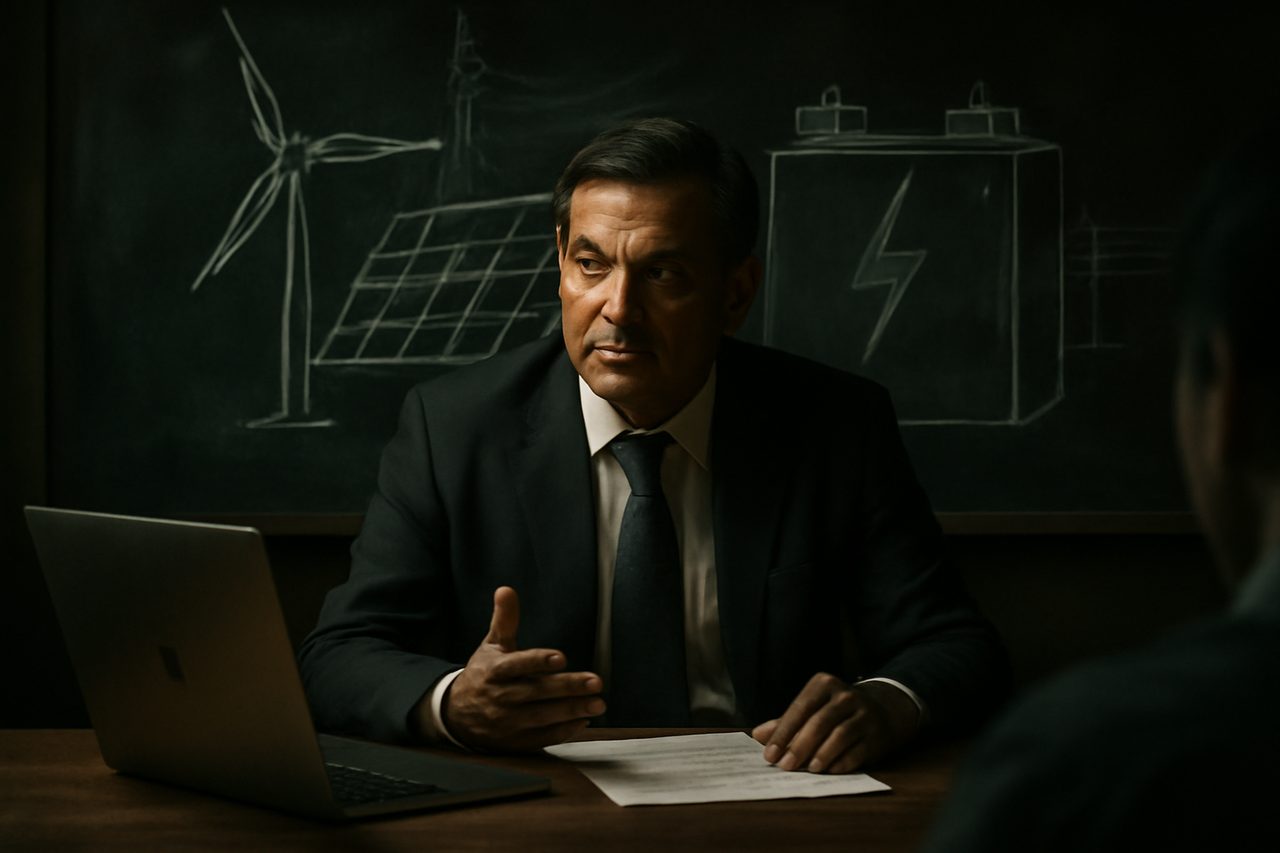
India's procurement of renewables is shifting from plain solar and wind to firm, dispatchable supply — Round-The-Clock (RTC) and Firm & Dispatchable RE (FDRE) tenders that demand high availability across every hour of the day.
Why plain solar can't bid alone A solar plant delivers most of its energy in six hours. An RTC obligation covers twenty-four. The gap is filled by blending wind (which peaks at different hours), oversizing generation, and adding storage that shifts surplus midday energy into the evening.
The portfolio math Winning bids are built on hourly — sometimes 15-minute — dispatch simulation across a full weather year. The optimiser trades off overbuild cost against storage cost against penalty exposure for under-supply. Small changes in assumed battery degradation or wind capacity utilisation move the levelised tariff by paise that decide auctions.
Penalties are the real risk FDRE contracts carry availability commitments with financial penalties. A bid that looks aggressive on tariff can be quietly loss-making once realistic resource variability is applied. Lenders now ask for exactly this stress analysis before financial close.
What developers should do Treat the dispatch model as the product. Validate resource data independently, model degradation honestly, and size storage for the obligation — not the press release. Our advisory desk builds lender-grade RTC/FDRE models that survive diligence, because the same model that wins the bid must also raise the debt.
About the author

Sudarshan Karweer
Chief Executive Officer, Growthifye — With over 23 years in management consulting, Sudarshan has taken businesses from concept to scale — building and scaling new-age digital and energy businesses.
- 23+ years in management consulting
- EY alumnus
- Led large-scale BESS programmes, capital raises and advisory mandates
RE & BESS Advisory$2B+ Capital Raised500 MWh BESS Executed200+ Man-Years Expertise
Want this analysis applied to your project?
Talk to our team