RDSS AMI Head-End Integration for Indian DISCOMs 2026: Interoperability and ROI
By Sudarshan Karweer · sudarshan@growthifye.com · +91 84510 99371 (Call / WhatsApp) · 2026-09-09
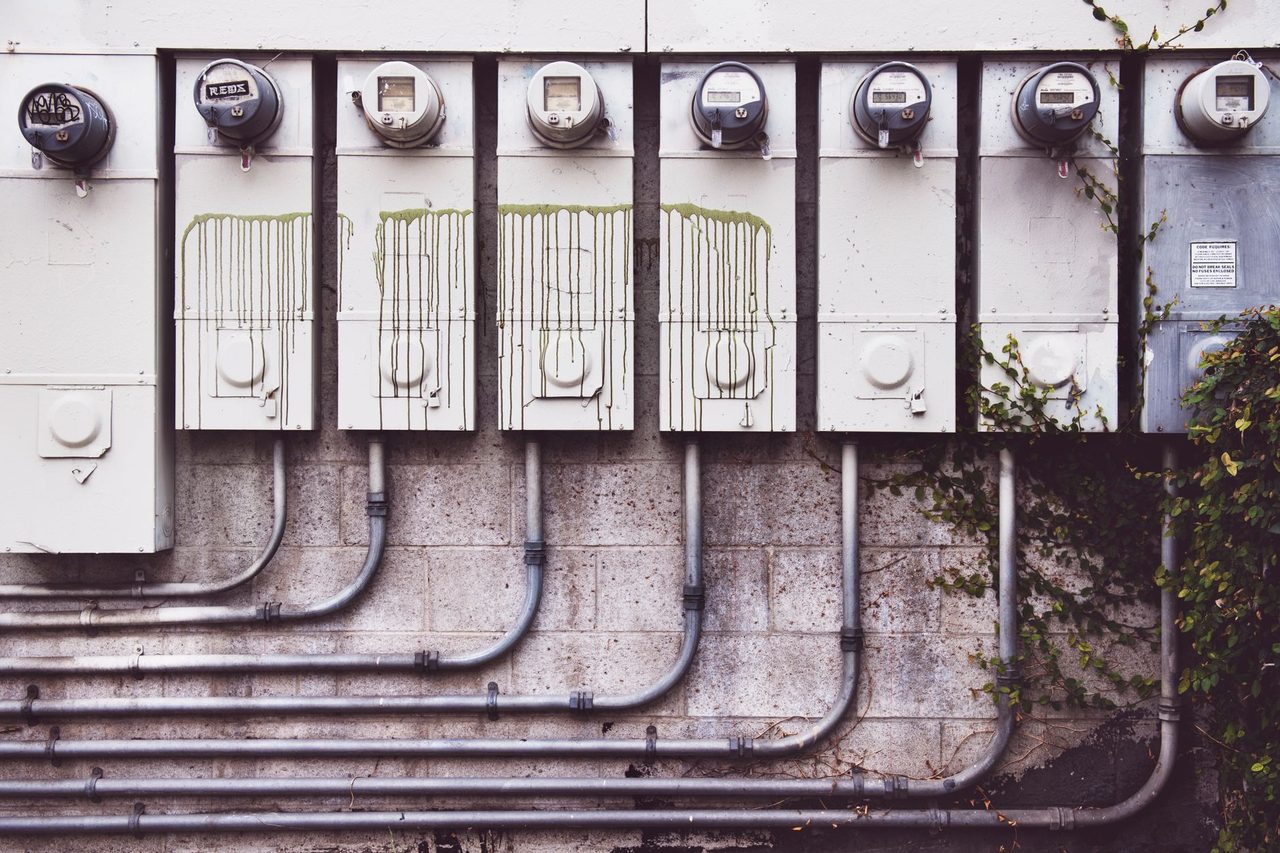
Photo: Tim Mossholder on Pexels
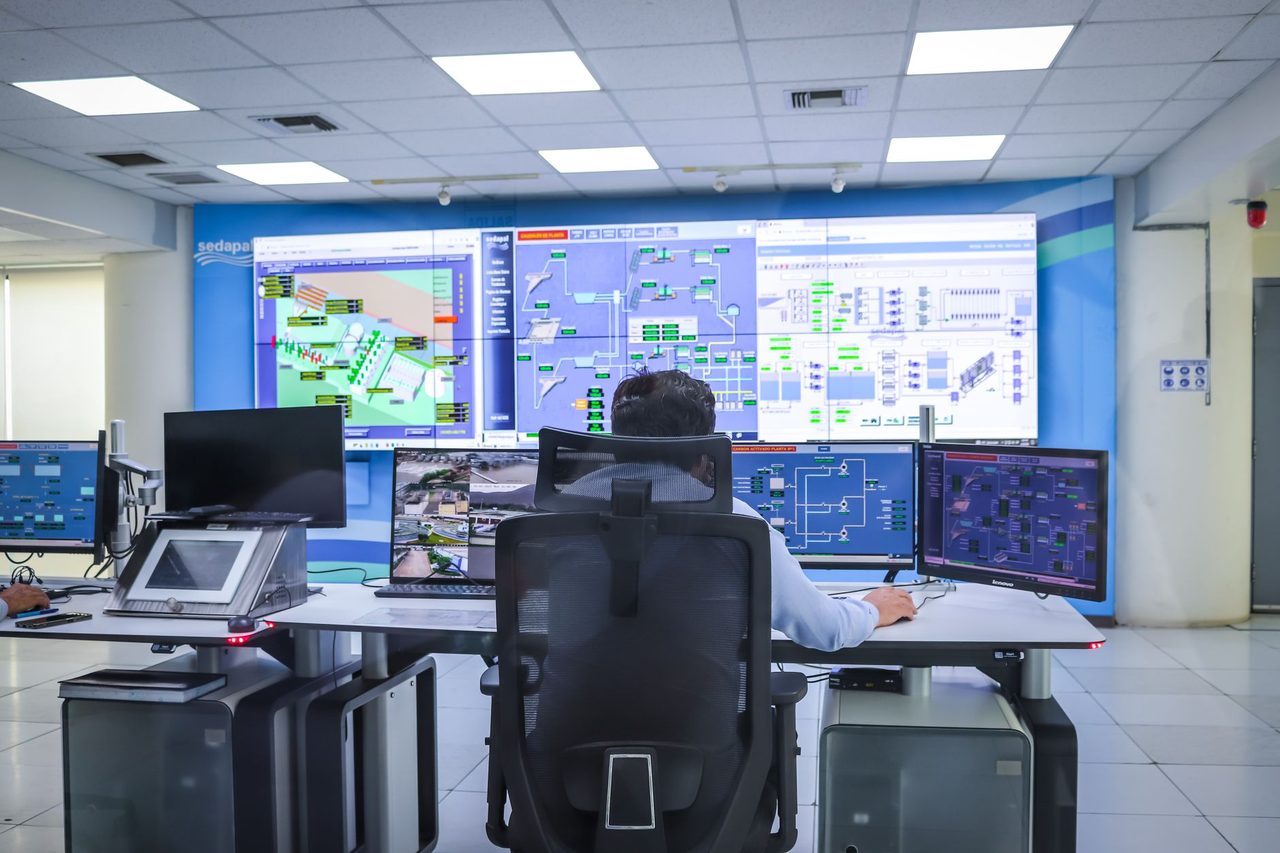
India’s smart metering conversation in 2026 has largely moved beyond meter procurement. The harder and more valuable question for utilities, lenders and state policymakers is this: how do AMI head-end systems actually integrate with billing, outage management, field-force, SCADA and consumer platforms to deliver measurable AT&C loss reduction and service improvement?
This is a critical issue under the Revamped Distribution Sector Scheme (RDSS). Across states, millions of smart prepaid and postpaid meters are being installed, yet business outcomes vary sharply. The difference is rarely the meter alone. It is usually the quality of system integration, data governance, exception handling and operational redesign around the meter data stream.
For Indian DISCOMs, a weakly integrated AMI stack creates a familiar pattern: interval data exists, but billing exceptions remain high; tamper alerts are generated, but field action is delayed; outage events appear in one platform, but consumer complaints are managed elsewhere; prepaid balances update, but recharge reconciliation is inconsistent. In commercial terms, this means delayed revenue recovery, avoidable OPEX and under-realised RDSS returns.
For C&I consumers, RE developers and lenders, this integration gap also matters. Better utility data systems improve outage visibility, voltage quality tracking, open access readiness, rooftop solar accounting and payment discipline. In states with increasing distributed energy, EV charging and behind-the-meter solar, AMI cannot remain a standalone meter-reading programme.
This article focuses on a topic distinct from smart meter analytics and MDM alone: AMI head-end integration architecture for Indian DISCOMs in 2026, with a practitioner view on interoperability, workflows, costs and ROI.
Why AMI integration is now the real bottleneck
Most large AMI projects in India include some combination of the following layers:
- Smart meters at consumer, feeder or distribution-transformer level
- Communication network using RF mesh, cellular, NB-IoT or hybrid models
- Head-End System (HES)
- Meter Data Management System (MDMS) or equivalent data repository
- Billing and collection system
- Consumer mobile/web applications
- Prepayment and recharge systems
- Outage Management System (OMS)
- Enterprise systems such as CRM, GIS, ERP and field-force mobility
The problem is that many deployments still operate with partial integration. HES and MDMS may be live, but event sharing with OMS is weak. Billing receives data, but not always with clean VEE logic. Tamper and neutral disturbance alerts reach dashboards, but not field teams in a prioritised, SLA-bound workflow. Prepaid meters are installed, but recharge, disconnection and reconnection states may not reconcile in near real time.
In 2026, this is not just an IT issue. It directly impacts the utility’s ability to deliver on RDSS-linked objectives such as:
- AT&C loss reduction
- Billing efficiency improvement
- Collection efficiency improvement
- Better reliability and consumer service metrics
- Financial turnaround and reduced ACS-ARR gaps
If a DISCOM is carrying AT&C losses of 18% to 28%, even a 1.5% to 3% loss reduction from better AMI integration can be financially material. For a utility with annual input energy of 20,000 MU and an average revenue realisation of Rs 6.2/kWh, a 2% reduction in effective loss translates to roughly Rs 248 crore per year of recoverable value, depending on baseline assumptions and collection performance. That is why integration design deserves board-level attention.
The minimum viable integration architecture for Indian DISCOMs
A practical 2026 architecture for AMI should not begin with vendor brochures. It should begin with business events and operational decisions.
At minimum, DISCOMs should define integration across six critical workflows.
- Meter-to-cash
- Outage detection and restoration confirmation
- Tamper and revenue protection
- Prepaid balance and recharge management
- Consumer service and complaint resolution
- Feeder, DT and consumer energy accounting
A robust stack typically works as follows:
- HES acquires reads, alarms, load profiles, connectivity status and control commands
- MDMS applies validation, estimation and editing rules, stores historical interval data and exposes curated outputs
- Billing system consumes validated billing determinants and exception status
- OMS or control-room applications consume outage and restoration signals where relevant
- CRM and field-force tools receive service orders, tamper cases, communication failures and meter health exceptions
- Analytics layer supports loss segmentation, demand analysis and collection prioritisation
The key design principle is event-led integration rather than file-led periodic exchange alone. Daily batch transfers are not enough for prepaid, outage and tamper workflows. A DISCOM using predominantly prepaid smart meters needs near-real-time synchronisation for balance updates, remote connect-disconnect commands and recharge acknowledgements.
This is where Vendor-neutral specifications matter. If integration logic depends excessively on proprietary APIs or custom scripts from a single OEM, future scale-up becomes expensive and fragile. Indian utilities should insist on published interface specifications, message acknowledgement logic, exception queues, retry rules and cyber-secure role-based access from day one.
Where interoperability breaks in practice
In Indian deployments, AMI integration problems usually appear in a few recurring locations.
First, master data quality is often weak. Consumer IDs, account numbers, feeder codes, DT codes, tariff categories, sanctioned load and GIS identifiers may not match across meter, billing and network systems. If the same consumer is represented differently in HES, billing and CRM, automation fails silently.
Second, event taxonomy is inconsistent. A tamper event generated by one meter OEM may not map cleanly into enterprise workflows used by another system integrator. Utilities then see too many low-value alarms and too little actionable intelligence.
Third, communication availability is uneven. In many urban projects, daily read success may exceed 95%. In semi-urban and rural pockets, it can be significantly lower depending on network design, topology and telecom conditions. Without integration logic for retry, substitution, exception scoring and field escalation, billing and operational KPIs suffer.
Fourth, remote operations are not always closed-loop. A connect or disconnect command may be issued, but confirmation may be delayed, missed or disputed. For prepaid and delinquent accounts, this creates revenue leakage and consumer grievance risk.
Fifth, outage workflows often remain disconnected from distribution operations. A last-gasp signal from a smart meter has real value only if it helps correlate transformer- or feeder-level outages, prioritise restoration and confirm supply return. Otherwise, the utility still depends mainly on complaint calls.
This is why AMI should increasingly be planned alongside SCADA / ADMS integration, especially in dense urban circles and high-value industrial belts. The commercial and reliability gains are larger when consumer-edge data and network-edge data are linked.
Business case: where the ROI actually comes from
Many AMI business cases in India are still presented mainly around manual meter reading savings. That is too narrow for 2026.
The larger value pools usually include:
- Billing on actual reads rather than average or provisional consumption
- Faster revenue recognition and lower billing-cycle leakage
- Reduction in theft, bypass, neutral disturbance and meter tamper losses
- Lower field visit costs for reads, disconnection, reconnection and complaint verification
- Improved prepaid collections and lower arrears build-up
- Better transformer and feeder energy accounting
- Reduced consumer dispute handling costs
- More reliable outage identification and restoration confirmation
Consider a DISCOM with 10 lakh AMI consumers, monthly billed energy of 450 MU and average billing efficiency already above 90%. Even then, a 0.8% improvement in billed energy, a 1.2% improvement in collection efficiency and a 20% reduction in avoidable field visits can collectively create a strong payback profile.
Illustratively:
- 0.8% billing uplift on 450 MU/month at Rs 6.2/kWh is about Rs 22.3 crore annually
- 1.2% collection efficiency gain on annual billed revenue of around Rs 3,348 crore is about Rs 40 crore of improved realisation
- If the utility avoids 8 lakh field visits annually at an all-in cost of Rs 120 to Rs 180 per visit, OPEX savings are about Rs 9.6 crore to Rs 14.4 crore
These are indicative ranges, but they show why integration is not a back-office detail. It is a core value driver.
For lenders and investors evaluating distribution reform exposure, one useful lens is this: do AMI projects have measurable integration-linked KPIs, or only installation KPIs? Meter deployment without workflow conversion often inflates capex but delays EBITDA impact.
Integration priorities under RDSS: what DISCOMs should do in 2026
DISCOMs do not need to integrate everything at once. But sequencing matters.
A practical implementation roadmap would prioritise the following.
- Phase 1: consumer master data cleansing across billing, HES and GIS-linked network hierarchy
- Phase 2: billing determinants, VEE rules, exception management and read validation
- Phase 3: prepaid transactions, remote connect-disconnect and recharge reconciliation
- Phase 4: tamper workflows, field mobility and revenue protection case management
- Phase 5: outage event correlation with OMS and selected SCADA inputs
- Phase 6: DT-feeder-consumer energy balancing and circle-level loss analytics
State utilities should also define operating KPIs that go beyond meter installation counts.
Useful KPIs include:
- Daily read success rate by technology and division
- Billing on actual reads as a percentage of total bills
- Remote connect/disconnect command success and closure time
- Tamper alert-to-field action time
- Recharge posting success rate for prepaid meters
- Last-gasp to outage ticket correlation rate
- Feeder-to-consumer energy accounting completeness
- Incremental billed and collected revenue attributable to AMI workflows
This is where disciplined FAT to SAT governance becomes essential. Too often, factory tests focus on device communication and basic command execution, while site acceptance fails to rigorously test end-to-end business scenarios. Utilities should insist on scenario-based testing such as:
- wrong tariff mapping
- partial communication outage
- duplicate consumer IDs
- unsuccessful reconnect confirmation
- meter replacement with account continuity
- tamper case generation and closure
- recharge reversal and settlement edge cases
Without this, systems may go live technically but not operationally.
Why C&I consumers and RE developers should track DISCOM AMI integration
At first glance, AMI integration may look like a utility-internal issue. It is not.
For C&I consumers, especially those with open access exposure, rooftop solar, captive arrangements or time-sensitive operations, better utility digitalisation can improve:
- billing accuracy
- outage visibility
- dispute resolution timelines
- demand profiling and contract-demand optimisation
- clearer import-export accounting where relevant
- better planning for EV charging and storage integration
For renewable developers, particularly in states with increasing rooftop penetration and distributed generation, integrated AMI data supports more credible load curves, better interconnection planning and improved visibility into local network constraints.
For policymakers, integrated AMI also supports cleaner subsidy accounting, more granular demand-side management and better targeting of high-loss pockets. In states where agricultural feeders, urban high-value feeders and mixed-load areas require different commercial strategies, data integration is the difference between broad assumptions and actionable planning.
As distributed energy scales, utilities will also need stronger coordination between AMI and DER management systems. While that is a broader roadmap item, the foundational requirement is already clear: consumer-edge data must be reliable, timestamped, validated and enterprise-accessible.
Procurement and contracting mistakes to avoid
Several recurring mistakes continue to slow value capture in Indian utility AMI programmes.
- procuring meters first and integration later
- leaving API definitions vague at bid stage
- underestimating master data cleansing effort
- accepting proprietary lock-in for interfaces and event models
- measuring success by installation count rather than cash-flow impact
- not assigning a single business owner for meter-to-cash transformation
- separating AMI operations from utility commercial teams
In EPC-style or system-integration contracts, payment milestones should be linked not only to hardware deployment but also to functional integration outcomes. Examples include:
- percentage of consumers billed from validated AMI reads
- prepaid transaction reconciliation accuracy
- successful closure rate of remote service orders
- reduction in estimated billing cases
- event integration with OMS or CRM
This is particularly important for RDSS-funded programmes, where the policy objective is sector improvement, not just technology installation.
Growthifye’s experience in utility digitalisation projects shows that interoperability decisions made during specification and testing stages have outsized impact on lifecycle performance. Areas such as Vendor-neutral specifications, SCADA / ADMS integration and FAT to SAT discipline are often more important to long-term outcomes than marginal differences in device features.
The 2026 takeaway for Indian power-sector stakeholders
In 2026, the AMI debate in India should move decisively from “how many meters were installed” to “how much business value was integrated into utility operations.” That shift matters for everyone: DISCOM management, state governments, regulators, lenders, C&I consumers and distributed energy developers.
The next wave of value under RDSS will come from making smart meters operationally intelligent inside the utility enterprise. That means reliable data pipelines, interoperable systems, event-driven workflows, strong testing and measurable financial KPIs.
Utilities that get this right can improve billing quality, strengthen collections, accelerate tamper response, reduce avoidable field OPEX and build a more digital-ready platform for future grid modernisation. Utilities that do not will still have meters in the field, but much of the promised value will remain stranded in silos.
If your organisation is evaluating AMI integration strategy, RDSS execution support, interoperability specifications or utility digitalisation ROI, contact Growthifye’s advisory desk for a practical discussion.
Explore Growthifye's related capabilities
This analysis connects directly to our advisory practice: IEC 61850 substation automation · FLISR & self-healing networks · DER management systems · SCADA / ADMS integration.
About the author

Chief Executive Officer, Growthifye — With over 23 years in management consulting, Sudarshan has taken businesses from concept to scale — building and scaling new-age digital and energy businesses.
- 23+ years in management consulting
- EY alumnus
- Led large-scale BESS programmes, capital raises and advisory mandates
Want this analysis applied to your project?
Talk to our team