NGO Energy Access in India 2026: CSR Funding, Clean Cooking and Rural Solar
By Sudarshan Karweer · sudarshan@growthifye.com · +91 84510 99371 (Call / WhatsApp) · 2026-08-25
India’s energy-access agenda has moved far beyond basic electrification. In 2026, the harder problems sit in the last mile: reliable daytime power for livelihoods, clean cooking adoption after first distribution, power for health and education facilities, and measurable social impact that stands up to donor, lender and CSR scrutiny. For NGOs, foundations, CSR teams, developers and district-level institutions, the question is no longer whether energy access matters. The question is how to structure projects so that they are financeable, implementable and measurable at scale.
For Growthifye’s NGO energy access practice, the most practical opportunities today are clustered around five use cases: CSR-funded rural solar for institutions and livelihoods, clean cooking programmes with verified usage, solarisation of community assets, blended grant-plus-enterprise models for village energy services, and impact MRV that converts outcomes into decision-grade data. This article sets out what is working in India in 2026, where the economics are tight, and how project sponsors can design programmes that survive both field realities and boardroom reviews.
Why NGO energy access needs a different project model in 2026
Grid expansion has been substantial, but access quality remains uneven across many rural and peri-urban geographies. For NGOs and CSR sponsors, this creates a mistaken assumption: because a village is officially electrified, distributed energy interventions are no longer necessary. In practice, a school with nominal grid connectivity may still face 4 to 8 hours of poor-quality supply in peak agricultural seasons, while a primary health centre may rely on diesel backup at delivered costs of Rs 22 to Rs 35 per kWh once transport, maintenance and pilferage are included.
That gap between nominal access and usable energy is where NGO-led projects remain relevant. The most successful programmes in 2026 are not generic “solar lamp distribution” initiatives. They are asset-backed, service-oriented interventions tied to measurable community outcomes:
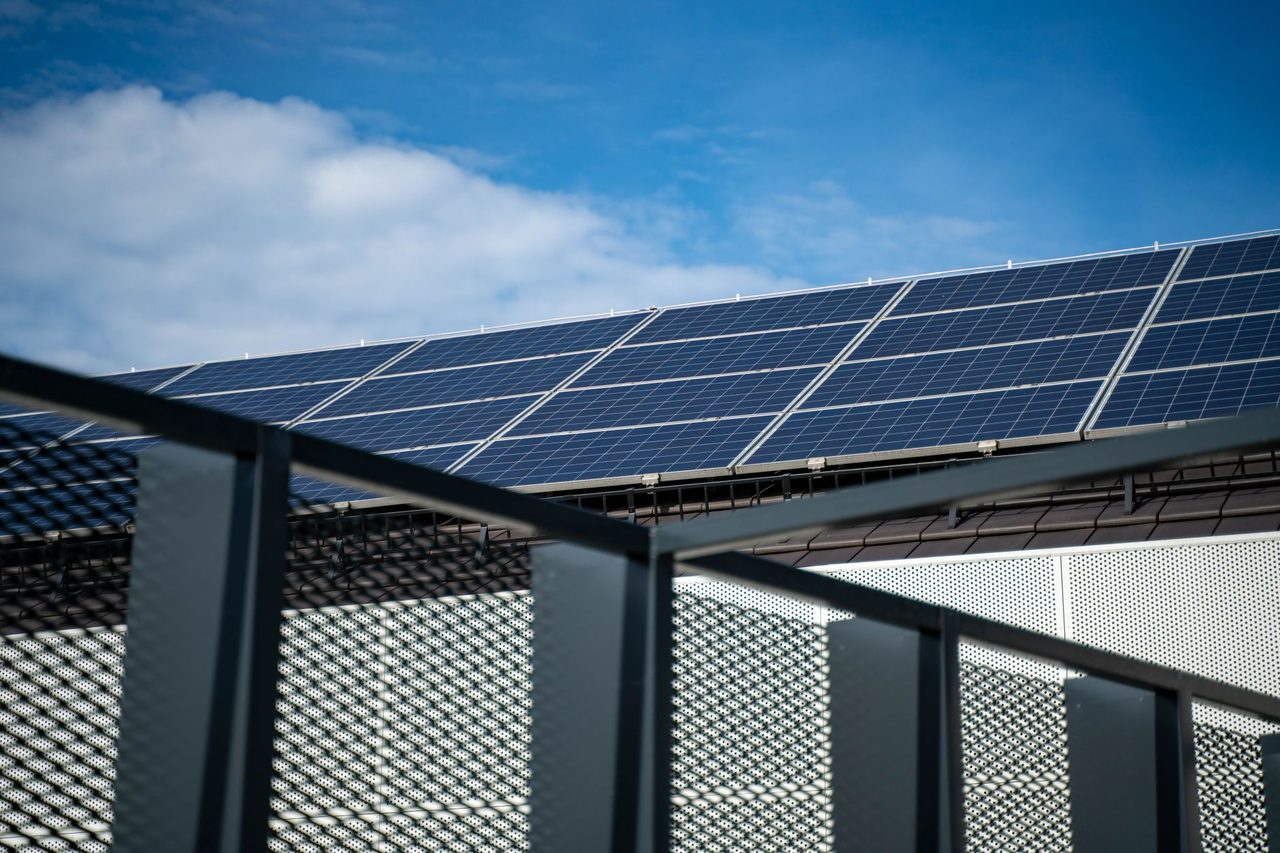
- Rural solar for schools, anganwadis, health sub-centres and drinking-water pumping
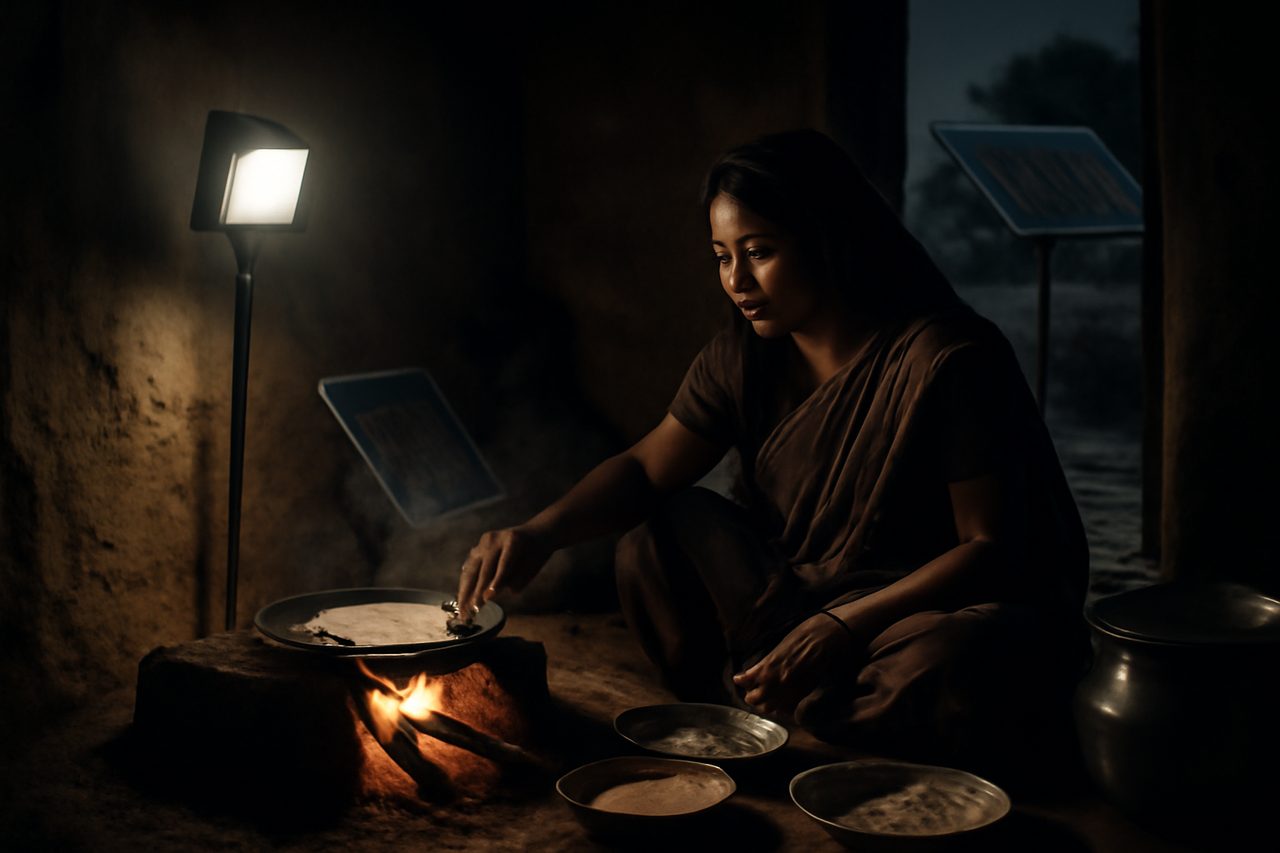
- Clean cooking for households, hostels, community kitchens and health facilities
- Solar livelihood systems for sewing, food processing, dairy chilling, micro-irrigation and rural enterprises
- Community energy infrastructure such as solar cold rooms, solar street lighting with maintenance contracts, and mini-grid-supported productive loads
- Monitoring, reporting and verification frameworks that measure uptime, usage, avoided diesel, time savings, health outcomes and emissions reduction
This shift matters because sponsors now expect programme discipline similar to infrastructure projects. CSR committees ask for asset registers, O&M plans and utilisation reports. Lenders and development partners ask for baseline studies, counterfactual assumptions and auditable output metrics. District administrations want alignment with state livelihood missions, health departments and rural development priorities. Energy access has become operational, not merely philanthropic.
The best-fit CSR and grant structures for rural solar projects
CSR remains a major source of concessional capital for NGO energy access, but weak programme design still leads to stranded assets. The most common failure mode is a one-time capex donation without ring-fenced O&M. In field terms, that often means dead batteries in year three, inverters bypassed after a fault, and no local technician trained to restore service.
A better structure in 2026 is a lifecycle-funded model. For a typical institutional rural solar project, sponsors should budget across five cost buckets:
- Development: need assessment, load audit, beneficiary mapping, permissions and community engagement
- Capex: modules, inverters, BOS, batteries where required, wiring, metering and civil works
- Commissioning: testing, safety compliance, training and handover documentation
- O&M reserve: annual preventive maintenance, remote monitoring, fault response and consumables
- MRV: baseline, periodic monitoring, impact reporting and third-party verification where needed
As a practical benchmark, an NGO or CSR sponsor planning rooftop or ground-mounted solar for rural institutions may see the following 2026 indicative capex ranges, depending on location, battery configuration and quality standards:
- 3 kW to 10 kW institutional rooftop solar without battery: about Rs 48,000 to Rs 62,000 per kW
- 3 kW to 10 kW with hybrid inverter and limited battery backup: about Rs 78,000 to Rs 1,10,000 per kW
- Solar water pumping for community use: roughly Rs 2.5 lakh to Rs 6 lakh depending on pump size, bore conditions and storage
- Solar DC livelihood kits or nano-enterprise systems: about Rs 25,000 to Rs 1.2 lakh per beneficiary enterprise
These are not procurement prices for all states and all specs, but they are useful planning numbers for NGO and CSR budgeting.
Where the project creates a revenue stream, full-grant funding is often not the optimal route. Consider blended structures instead:
- Grant for community or social-use load, user fee for productive-use load
- CSR-funded common infrastructure with village entrepreneur-led service delivery
- Viability-gap grant plus concessional debt for larger community energy systems
- Output-based disbursement linked to verified installations, uptime or usage thresholds
For example, a dairy cooperative energy project may fund solar for milk collection and chilling through grant support, while a modest per-litre energy service fee covers O&M. Similarly, a women’s self-help group using solar for food processing can receive first-loss grant support while contributing monthly service fees. These structures reduce asset abandonment and create local ownership.
Clean cooking in India: where NGOs should focus now
Clean cooking remains one of the biggest unresolved energy-access issues in India. LPG penetration improved significantly over the past decade, but refill affordability and sustained usage remain major barriers for low-income households. In many districts, households continue fuel stacking: LPG for quick cooking, biomass for long-duration meals, and kerosene or informal fuels when cash flow is tight.
For NGOs and CSR programmes in 2026, the right question is not “how many stoves were distributed?” but “what share of cooking events shifted, for how long, and at what sustained household cost?” That changes programme design.
The most relevant clean cooking pathways today are:
- Improved biomass cookstoves with verified emissions and usage monitoring in biomass-reliant communities
- Electric cooking pilots in areas with reliable power and affordable tariff structures
- Solar-electric community kitchens for hostels, schools, temples and nutrition centres, usually paired with grid power or battery support
- Biogas for cattle-rich institutions, hostels, gaushalas and community kitchens where feedstock logistics are credible
- LPG access support linked to refill financing, behaviour change and last-mile distribution partnerships
Economically, electric cooking in rural India is still selective rather than universal. If the effective domestic tariff is around Rs 4.5 to Rs 7 per kWh and the appliance mix is efficient, some cooking loads can be competitive, especially for institutions. But where supply reliability is poor or connected load is constrained, pure electric cooking is difficult without expensive backup systems.
Improved biomass and biogas therefore continue to matter, especially in tribal belts, forest-fringe settlements and remote habitations. However, NGOs should avoid under-specified stove programmes. A credible intervention in 2026 should include:
- Baseline fuel-use survey by household type
- Kitchen ventilation and user-behaviour assessment
- Stove performance specs, spare-parts pathway and warranty terms
- Training for cooks and household champions
- Follow-up checks at 1, 3, 6 and 12 months
- Usage verification through surveys, spot checks or sensor-backed MRV
For institutional clean cooking, economics are often stronger. A community kitchen serving 300 to 1,000 meals per day can justify better equipment and maintenance. Where biomass or LPG costs are volatile, hybrid systems combining efficient electric appliances, solar contribution and thermal storage can deliver lower operating costs over time. In many such cases, the social case is reinforced by reduced indoor air pollution exposure for women workers and kitchen staff.
Community energy models that can survive after the grant ends
The main criticism of NGO-led energy access is that systems stop working after the donor cycle. The answer is not to abandon grant funding; it is to use grant capital for the parts of the system that the market cannot fund alone, while building a local service model around the rest.
The strongest community energy models in India now share four characteristics:
- A clearly identified anchor load or institutional user
- A local operator, entrepreneur, cooperative or SHG with defined responsibilities
- A simple tariff or service-fee structure for recurring costs
- Remote monitoring and escalation protocols for faults
Consider a village-level solar energy centre with a 15 kW to 50 kW system. If it powers only social loads, financial sustainability will be weak unless a sponsor underwrites O&M. But if the same asset also supports milling, sewing, digital services, water purification, refrigeration or agri-processing, then a mixed revenue model becomes feasible.
Indicative 2026 use cases where this approach works best include:
- Solar-powered livelihood hubs for women-led enterprises
- Community cold storage for horticulture clusters and fisheries value chains
- Solarisation of drinking-water infrastructure with prepaid or institution-backed maintenance
- Productive-use mini-grid extensions in weak-grid geographies
- PHC and school solarisation bundled with maintenance and data reporting
Tariff design is central. In community energy projects, sponsors often underprice service because they confuse affordability with zero pricing. A better approach is a tiered contribution model:
- Zero or heavily subsidised tariff for essential social loads
- Standard service tariff for commercial and livelihood loads
- Maintenance reserve built into user charges or anchor-institution contribution
This can keep community systems operational without imposing full commercial tariffs on vulnerable households. In many rural enterprise settings, users will pay if uptime is dependable and the energy service clearly supports income generation. A sewing unit, flour mill or milk chilling point values reliability more than nominally low but inconsistent supply.
Impact MRV: from donor reporting to decision-grade evidence
In 2026, impact MRV is no longer optional for serious energy-access portfolios. Corporate CSR heads, international donors, family offices, climate-focused philanthropies and blended-finance platforms all want defensible metrics. The challenge is that many NGO reports still focus on outputs rather than outcomes.
Output metrics are useful but insufficient:
- Number of systems installed
- kW deployed
- Number of households reached
- Number of cookstoves distributed
Outcome metrics are what decision-makers increasingly need:
- Average daily energy delivered and uptime
- Hours of service improvement for schools and health facilities
- Diesel displacement in litres and avoided energy cost
- Reduction in household biomass use or LPG refill gap
- Productive-use income gains for micro-enterprises
- Time saved in fuel collection or water access
- Indoor air quality improvement and user adoption retention
- Emissions reduction using transparent assumptions and boundary conditions
The most robust MRV stack combines three layers:
- Baseline: socio-economic, energy-use, appliance, health or livelihood data before intervention
- Operational monitoring: remote system data, service logs, maintenance events and usage records
- Impact verification: periodic field surveys, sample-based audits and independent review where required
For rural solar assets, basic remote monitoring can capture generation, inverter status, battery health, outages and tamper alerts. For clean cooking, direct metering is harder, but sample-based sensors, refill tracking, structured surveys and spot-use observations can significantly improve confidence. The point is not to create expensive academic studies for every village; it is to establish a proportionate evidence framework that allows sponsors to compare interventions and allocate capital more intelligently.
NGOs should also align reporting with real stakeholder needs. A district administration may care about health-service continuity and water reliability. A CSR board may focus on beneficiary reach, utilisation and reputational risk. A lender or co-funder may care about asset performance, governance and cost recovery. One MRV framework can serve all three if designed correctly from the start.
Policy and implementation context in 2026
Energy-access projects do not operate in a vacuum. The best programmes are aligned with central and state schemes, local institutions and utility realities. In 2026, project developers and NGOs should map interventions against relevant policy and programme anchors such as:
- Companies Act CSR compliance priorities, especially health, education, rural development and environment-linked outcomes
- PM-KUSUM where agricultural and community water-energy interfaces are involved
- National and state livelihood missions for women-led enterprise integration
- Jal Jeevan Mission for solarisation opportunities in water infrastructure where technically suitable
- Health and education department programmes for institutional energy reliability
- State renewable-energy nodal agency guidelines on decentralised systems, subsidies or empanelment where applicable
- DISCOM interconnection rules, net metering or behind-the-meter permissions for institutional sites
Policy names and tariff structures differ by state, so project design must be state-specific. A rural institution in Maharashtra, Rajasthan, Uttar Pradesh or Odisha may face very different utility conditions, approval workflows and maintenance ecosystems. Similarly, viability for productive-use energy depends on local demand density and value-chain maturity, not merely on solar resource.
Procurement discipline is also crucial. Lowest-cost bidding often produces poor field outcomes in remote sites. Technical specifications should address module quality, inverter surge handling, battery chemistry where used, earthing, theft protection, enclosure standards, data logging and local service response times. NGOs should insist on post-installation responsibilities in contracts, not just delivery milestones.
Finally, social mobilisation remains as important as engineering. Clean cooking adoption, energy-fee collection, entrepreneur engagement and women’s participation all require on-ground facilitation. Projects fail when technical teams assume that equipment alone will change behaviour.
A practical execution roadmap for NGOs, CSR teams and co-funders
For organisations entering NGO energy access in 2026, a pragmatic sequence is more effective than a broad but shallow rollout.
Step 1 is portfolio scoping. Identify whether the primary objective is health, education, livelihoods, women’s empowerment, emissions reduction or resilience. This affects technology choice, beneficiary model and MRV design.
Step 2 is site prioritisation. Use a screening matrix that scores sites on energy deficit, institutional readiness, local partner strength, security, logistics, community demand and O&M feasibility.
Step 3 is business-model design. Decide which loads are grant-funded, which can bear user fees, and what entity will own, operate and maintain the asset.
Step 4 is technical standardisation. Develop 2 to 4 repeatable system archetypes rather than bespoke engineering for every site. This lowers procurement risk and simplifies maintenance.
Step 5 is MRV integration from day one. Build baseline surveys, asset coding, remote monitoring and reporting formats into implementation contracts.
Step 6 is post-installation support. Budget for technician visits, hotline support, spare parts and annual audits for at least three to five years.
Done correctly, NGO energy access is not a side activity. It is an infrastructure-plus-services portfolio that can improve social outcomes while creating durable local energy ecosystems. India’s 2026 context demands exactly this level of rigour: community projects that are financially realistic, technically resilient and evidentially strong.
If your organisation is planning CSR-funded rural solar, clean cooking, community energy systems or impact MRV in India, contact Growthifye’s advisory desk to structure a field-ready, financeable and measurable programme.
About the author

Chief Executive Officer, Growthifye — With over 23 years in management consulting, Sudarshan has taken businesses from concept to scale — building and scaling new-age digital and energy businesses.
- 23+ years in management consulting
- EY alumnus
- Led large-scale BESS programmes, capital raises and advisory mandates
Want this analysis applied to your project?
Talk to our team