
India 2026 NGO Energy Access: Solar-Powered Community Telecom Towers, CSR and MRV
By Sudarshan Karweer · sudarshan@growthifye.com · +91 84510 99371 (Call / WhatsApp) · 2026-09-16
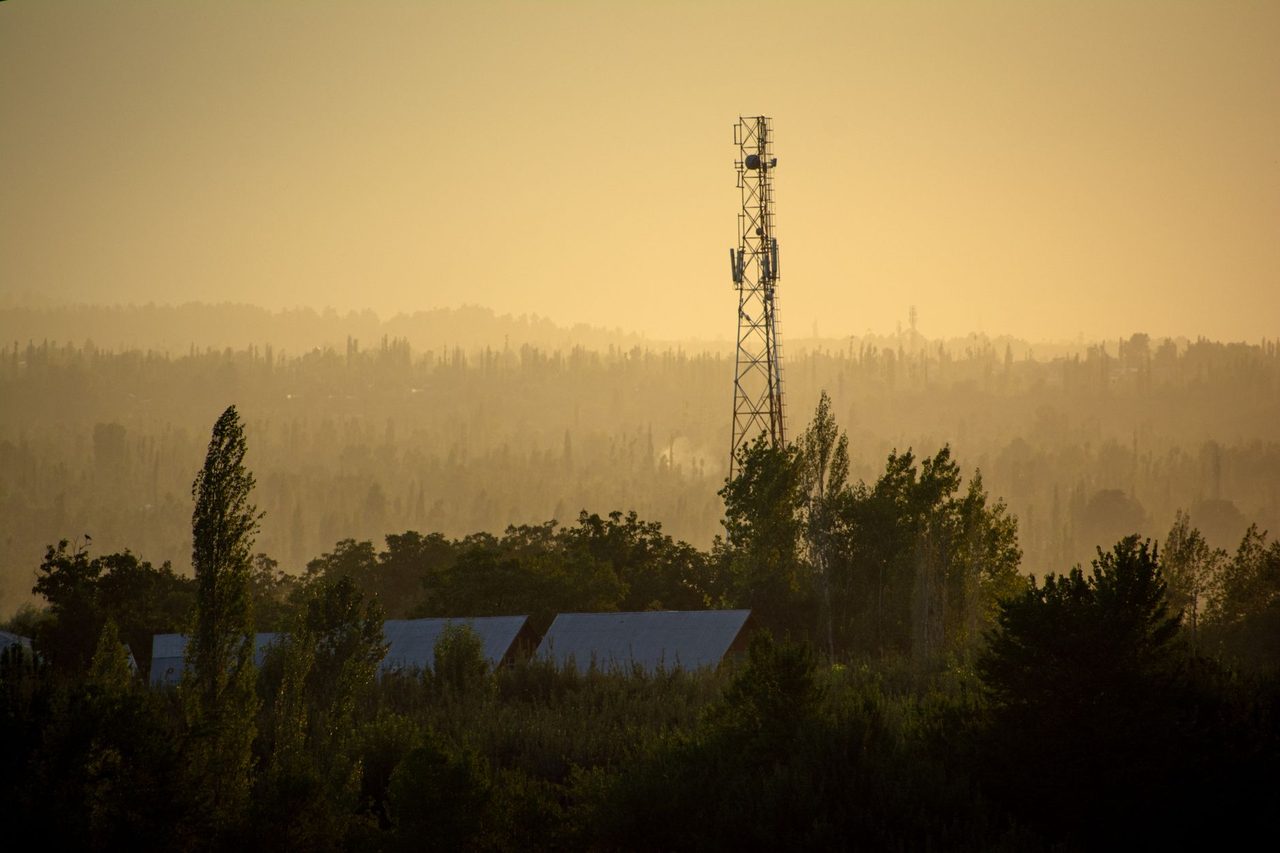
Photo: Raja Tasaduk Hussain Baba on Pexels
Rural telecom uptime is becoming an energy-access issue, not just a digital one. In India, many villages now have 4G coverage footprints and expanding data demand, but tower reliability still suffers where grid supply is weak, voltage is unstable, or diesel logistics are expensive. For NGOs, CSR teams, rural-development foundations and implementation partners, solar-powered community telecom towers offer a practical 2026 intervention that combines energy access, digital inclusion and measurable social impact.
Unlike school solarisation, health-clinic backup or mini-grids, telecom-tower decarbonisation sits at the intersection of community energy and essential infrastructure. It supports telemedicine, digital payments, e-governance, agri-market access, online education and emergency communications. It can also be structured with clear output and outcome metrics, making it attractive for CSR committees and grant makers that need credible utilisation and reporting.
This article explains how to design, fund and measure NGO-led or CSR-backed solar telecom tower programmes in India in 2026, with an emphasis on practical project economics, policy interfaces and execution risks.
Why telecom towers fit the NGO energy-access agenda in 2026
India’s rural energy-access agenda has shifted from first-time electrification to reliability, quality of service and productive use. In many districts, households may technically be connected to the grid, yet digital infrastructure remains dependent on diesel gensets because of:
- 4 to 12 hours of daily outages in weak rural feeders in some geographies
- voltage fluctuations that damage power electronics and battery banks
- difficult fuel logistics during monsoon seasons or in remote habitations
- rising diesel operating costs and theft risks
- growing tower loads from 4G densification and edge equipment
A single telecom tower serving a cluster of villages can influence service continuity for thousands of users. This makes it relevant for NGO energy access programmes focused on inclusion rather than only household-level assets. It is also one of the cleaner ways to deploy CSR for shared infrastructure because the benefits are community-wide and not restricted to a single institution.
In 2026, tower power is also more financeable than it was five years ago because:
- solar module prices remain structurally lower than early-2020s levels despite periodic volatility
- lithium battery systems have become more common for telecom applications, although advanced tubular or GEL configurations still appear in lower-cost designs
- remote monitoring systems have improved, allowing verifiable uptime and fuel-displacement data
- corporate ESG and CSR programmes increasingly prefer projects with hard operational metrics rather than one-time asset donations
What a solar-powered rural telecom tower project typically looks like
A rural telecom site in NGO or CSR-led programmes is usually a ground-based or rooftop tower installation with a tenancy profile of one to two operators, depending on the tower company and local demand. Power systems vary widely, but a common 2026 design envelope for rural India is:
- Average daily energy consumption: 20 to 60 kWh per day for smaller to mid-sized rural sites
- Peak load: 2 to 6 kW, depending on radio equipment, backhaul and cooling strategy
- Solar PV size: 5 kWp to 15 kWp for diesel-offset or hybrid sites; larger for high-solar, low-grid-reliability locations
- Battery storage: 20 kWh to 80 kWh usable capacity depending on autonomy target
- Backup architecture: solar + battery + grid, or solar + battery + diesel for weak/no-grid cases
- Target uptime: 99%+ for telecom-critical loads
In many Indian rural conditions, the best fit is not full diesel elimination on day one. It is a hybridisation pathway where solar and batteries reduce diesel runtime sharply while preserving network uptime. For NGO programmes, this matters because grant capital can be directed toward the clean-energy portion while operators or tower companies continue to manage O&M and residual backup risk.
Typical indicative 2026 project costs for a single rural telecom site are:
- 5 to 8 kWp solar hybrid site: Rs 8 lakh to Rs 16 lakh
- 10 to 15 kWp site with stronger battery backup and remote EMS: Rs 16 lakh to Rs 30 lakh
- Additional civil, fencing, anti-theft, earthing and communications integration costs: Rs 1.5 lakh to Rs 5 lakh depending on site conditions
These are broad practitioner ranges. Final capex depends on module type, mounting structure, battery chemistry, autonomy requirements, AC/DC architecture, theft prevention measures and whether the NGO is retrofitting an existing tower or supporting a new rural site.
Project economics: diesel savings, tariffs and viability in the Indian context
The strongest financial case for solar telecom towers in 2026 is usually diesel displacement and uptime improvement, not export of electricity. Most telecom sites consume power behind the meter. The economics hinge on three variables:
- baseline diesel runtime and specific fuel consumption
- local grid reliability and DISCOM tariff
- battery cycling profile and replacement assumptions
A typical diesel genset serving telecom loads may consume roughly 0.8 to 1.2 litres per kWh generated at low-load rural operating conditions. With delivered diesel prices in many states effectively landing in the Rs 90 to Rs 105 per litre range after logistics, handling and pilferage losses, generated diesel electricity can easily cost Rs 25 to Rs 40 per kWh or more in remote contexts.
By contrast, solar energy from a properly designed behind-the-meter hybrid system can produce levelised energy in the high single digits to low teens per kWh over system life, depending on battery intensity and utilisation. Grid power remains cheaper where supply is reliable, with commercial and mixed tariffs often falling in the approximate Rs 6.5 to Rs 9.5 per kWh band in many states, though tower operators may face site-specific billing structures and demand charges.
This leads to three broad viability categories:
1. Weak-grid, diesel-heavy sites These are the best CSR or grant candidates. Solar hybridisation can cut diesel consumption by 40% to 80% depending on solar resource, load shape and storage sizing.
2. Moderate-grid sites with outage exposure Savings are lower, but service reliability improves. Here, the case is often justified through ESG, uptime and community-connectivity metrics rather than pure payback.
3. Strong-grid sites Pure NGO or CSR intervention is usually less compelling unless there is a resilience objective, such as disaster-prone districts.
Simple payback for diesel-heavy rural towers can often fall in the 3 to 6 year range if utilisation is strong and O&M discipline is good. Grant support can shorten this materially. A blended structure where CSR pays for a portion of the solar and battery capex while the operator signs a maintenance and performance agreement is often more durable than a full donation with no long-term accountability.
How to structure CSR, grants and operating partnerships
For NGO energy-access programmes, the wrong approach is to treat tower solarisation as an isolated equipment procurement exercise. The right approach is to structure it as infrastructure service delivery with long-term operations, data reporting and local stakeholder alignment.
Practical implementation models in 2026 include:
- CSR-funded capex support for retrofit solarisation of existing tower sites in priority districts
- Grant-backed demonstration clusters for aspirational districts, tribal areas or border regions
- Co-funding between a corporate foundation, tower company and district-level implementing NGO
- Community-connectivity programmes where telecom uptime is linked to digital-service outcomes such as telehealth or agri-advisory access
A sound project stack should define:
- asset ownership: NGO, SPV, telecom operator, tower company or donor-owned during grant term
- O&M responsibility: usually tower operator or specialist O&M vendor
- battery replacement reserve: essential for medium-term performance
- uptime guarantees and data-sharing obligations
- site security and theft-risk protocol
- end-of-life and e-waste handling, especially for batteries and electronics
This is where Growthifye capabilities such as Program design & theory of change and CSR funding pipelines become especially useful. Telecom-energy projects need a stronger causal chain than many standard CSR assets. The intervention is not just “install solar.” It is “improve rural digital service continuity through cleaner and lower-cost energy, and measure resulting access outcomes.” Donors increasingly expect that logic to be explicit.
Policy and regulatory issues to check in 2026
Telecom tower projects do not sit in a policy vacuum. NGOs and funders should assess the following before committing capital:
- State net metering and gross metering rules, if any export is contemplated. In most cases, behind-the-meter self-consumption is simpler.
- DISCOM interconnection requirements for hybrid systems and backup synchronisation.
- Electricity supply category and tariff applicable to tower sites, which may vary by state and contract setup.
- Land rights, rooftop permissions or panchayat no-objection requirements for community-located sites.
- Fire safety, earthing, lightning protection and battery enclosure norms.
- E-waste compliance and battery disposal obligations under applicable rules.
- Procurement standards under CSR governance frameworks, especially if the donor is a listed company with strict audit requirements.
Policy alignment may also improve access to convergence opportunities. While CSR remains the main catalytic capital for NGO-led deployment, some districts can align telecom-energy interventions with digital-inclusion missions, livelihood programmes, public-service digitisation or disaster-resilience planning.
From a practitioner standpoint, one major risk is assuming that tower companies will automatically accept NGO-funded assets. They will usually require technical conformity, remote monitoring compatibility, service-level clarity and legal allocation of failure risk. Early engagement with tower operators and telecom partners is essential.
MRV framework: what to measure and how to make it credible
Many energy-access programmes underperform not because installation quality is poor, but because impact evidence is weak. Telecom tower projects are actually well suited to rigorous reporting if designed correctly.
A 2026-ready MRV framework should cover five layers.
First, input metrics:
- CSR or grant capital deployed
- site count, district count and implementation timeline
- installed solar capacity in kWp
- installed battery capacity in kWh
Second, technical output metrics:
- daily and monthly solar generation in kWh
- diesel litres avoided
- genset runtime reduction in hours
- telecom load served by solar and battery systems
- site uptime and outage frequency
- battery health and round-trip performance
Third, environmental metrics:
- annual tCO2e emissions avoided based on diesel displacement and relevant emission factors
- local air-pollution reduction proxies in diesel-dependent areas
- noise reduction where genset use falls substantially
Fourth, service-delivery metrics:
- network uptime improvement by tower or cluster
- reduction in service interruptions during peak community-use periods
- continuity of digital public services supported by the tower footprint
Fifth, community outcome metrics:
- telemedicine session continuity where relevant
- uptime for digital classrooms or exam centres in connected villages
- usage continuity for rural CSCs, agri-advisory channels or digital-payment ecosystems
The point is not to overclaim causality. It is to create a robust line of sight between cleaner power and community-level digital access. That is why Impact measurement & MRV should be built into the project from day zero, not appended at the end for donor reporting.
Good MRV practice for these projects includes:
- integrating generation meters, battery telemetry and genset runtime logs
- timestamping network downtime events where telecom partners permit data sharing
- establishing a three-month pre-installation baseline for fuel use and outages
- conducting third-party verification at sample sites annually
- using standardised dashboards for CSR committees and lenders
Implementation risks and how experienced advisors reduce them
Solar telecom tower projects look straightforward on paper, but execution failures are common when NGOs underestimate infrastructure realities. The main risks are:
- undersized storage relative to real outage patterns
- overestimation of available solar area or poor shading assessment
- theft and vandalism of modules, cables, batteries or diesel
- weak O&M contracts with no response-time commitments
- incompatibility between donor-funded systems and operator controls
- lack of replacement planning for battery end-of-life
- poor baseline data, making savings claims difficult to verify
A disciplined pre-feasibility process should therefore include:
- feeder reliability analysis and outage mapping
- one year of irradiance and seasonal performance assumptions using bankable datasets
- load audit by equipment category
- diesel consumption validation from operator logs, not estimates alone
- structural assessment for rooftop mounts if applicable
- O&M and spare-parts plan for at least five years
For larger CSR portfolios, cluster procurement across 20 to 100 sites can materially reduce per-site engineering and monitoring costs. It also makes reporting easier and can support standardised service contracts. However, portfolio design must still recognise state-by-state tariff differences, logistics conditions and tower tenancy profiles.
Where this model works best in India
The strongest use cases in 2026 are typically found in:
- aspirational districts with weak feeder reliability
- remote tribal geographies where diesel supply is costly
- flood, cyclone or landslide-prone regions needing resilient communications
- districts with active digital public-service programmes but unstable telecom power
- agricultural belts where digital advisory and mobile payments depend on network continuity
These projects are particularly compelling when they are embedded in a wider community-energy strategy rather than treated as standalone telecom infrastructure. For example, a district programme may combine resilient telecom power with solarised community service centres, health outreach or women-led digital entrepreneurship ecosystems. That creates stronger social returns and more useful donor narratives without diluting infrastructure discipline.
For corporates, this is also a high-credibility CSR category: it is measurable, infrastructure-backed, service-oriented and relevant to inclusion. For lenders and developers, it opens a pipeline of small but replicable hybrid sites with predictable engineering templates. For policymakers and utilities, it supports rural resilience while reducing diesel dependence.
India’s 2026 energy-access conversation is now as much about dependable services as it is about nominal connections. Solar-powered community telecom towers sit squarely in that shift. They help keep villages connected when grid reliability is poor, lower operating costs where diesel remains entrenched and give NGOs a practical way to link clean energy with digital inclusion and service continuity.
If your organisation is evaluating rural telecom-energy programmes, CSR deployment strategies or district-level impact frameworks, contact Growthifye’s advisory desk to structure a bankable, measurable implementation plan.
Explore Growthifye's related capabilities
This analysis connects directly to our advisory practice: Program design & theory of change · CSR funding pipelines · Grant & philanthropic fundraising · Compliance & governance.
About the author

Chief Executive Officer, Growthifye — With over 23 years in management consulting, Sudarshan has taken businesses from concept to scale — building and scaling new-age digital and energy businesses.
- 23+ years in management consulting
- EY alumnus
- Led large-scale BESS programmes, capital raises and advisory mandates
Want this analysis applied to your project?
Talk to our team