Lithium-Ion Battery Fire Safety in India 2026: Storage, Recycling and EPR Risk
By Sudarshan Karweer · sudarshan@growthifye.com · +91 84510 99371 (Call / WhatsApp) · 2026-09-16

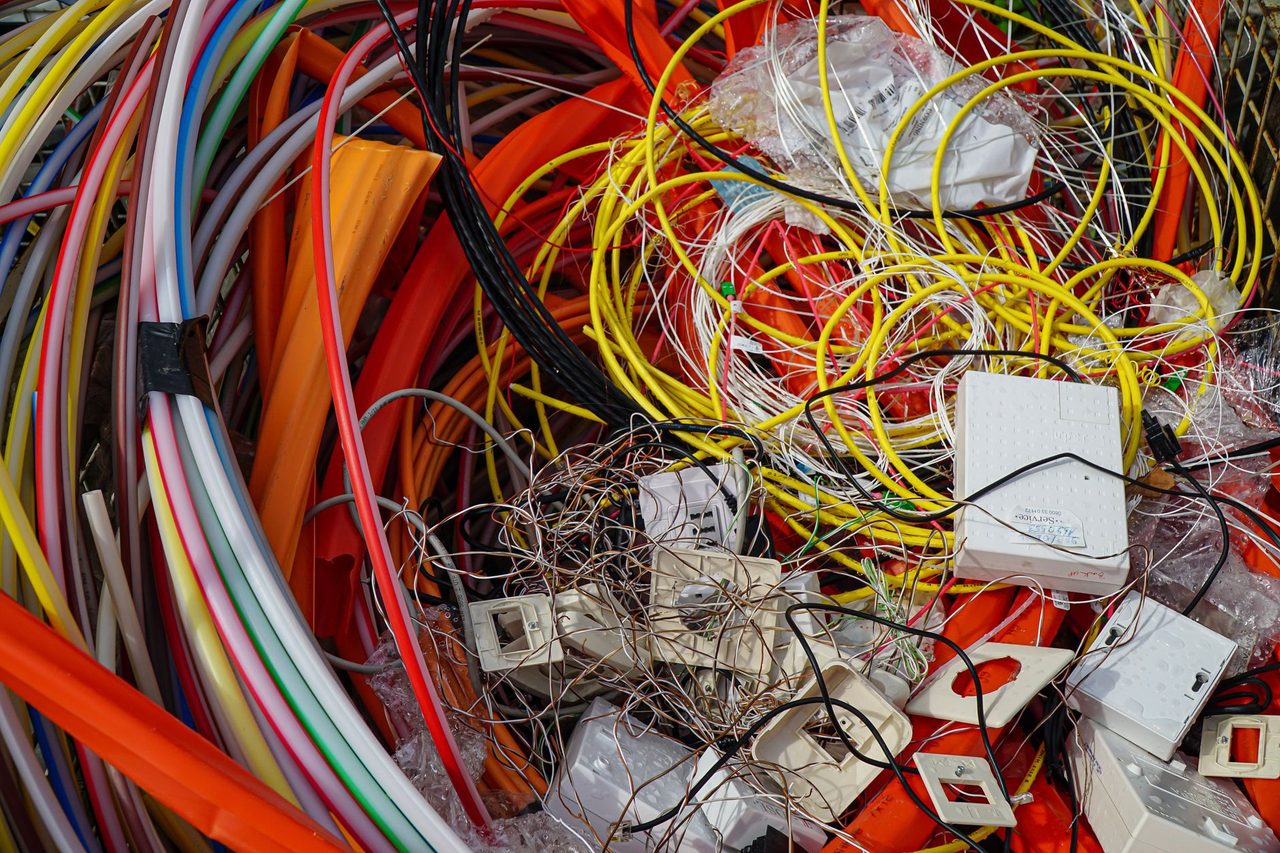
Photo: Jan van der Wolf on Pexels
India’s battery circularity market in 2026 is scaling faster than its risk controls. Collection volumes are rising under EPR obligations, EV penetration is increasing the flow of end-of-life packs, and recyclers are expanding pre-processing and hydromet capacity. At the same time, thermal runaway incidents in warehouses, service centres, collection points and scrap yards are becoming a material commercial issue, not just an EHS issue.
For Indian C&I buyers, EV fleet operators, battery recyclers, OEMs, lenders and utilities, lithium-ion battery fire safety now affects project IRRs, insurance pricing, working-capital cycles, permit approvals and offtake confidence. A recycler can model black mass yields at 92% recovery efficiency, but one warehouse event can shut operations for months. A second-life BESS pilot can show an attractive LCOS, but a weak triage protocol for incoming packs can make the project unbankable.
This article looks at battery fire safety in India’s 2026 circularity value chain: collection, storage, transport, dismantling, pre-processing, second-life deployment and EPR-linked contracting. The key point is simple: in a market still focused on recovery yields and compliance volumes, robust fire-risk design is becoming a core differentiator for financing and execution.
Why fire risk is now a commercial risk in India’s battery circularity market
India’s lithium-ion waste stream is broadening. It is no longer limited to small consumer electronics. The mix now includes:
- 2W and 3W LFP packs from high-usage fleet applications
- NMC batteries from premium EV segments and imported devices
- Telecom and UPS batteries entering replacement cycles
- Manufacturing scrap from cell, module and pack assembly lines
- Defective, warranty-return and accident-damaged batteries
- Mixed-format modules with weak traceability and inconsistent state-of-health data
These streams do not carry equal fire risk. Damaged, swollen, over-discharged or mechanically compromised batteries have a much higher thermal-event probability than orderly production scrap. In practice, many Indian collection ecosystems still receive material with incomplete pack histories, limited SOC disclosure and inconsistent packaging standards.
That creates three immediate cost implications:
- Higher insurance premiums or reduced cover for storage and processing sites
- More conservative lender assumptions on DSCR, downtime and contingency reserves
- Higher operating costs for segregation, inert storage, fire suppression and trained manpower
In 2026, insurers and lenders are increasingly asking for battery-type segregation, storage-duration limits, incident-response SOPs, thermal monitoring records and transport compliance logs. This is especially true where a project includes shredding, discharge, black mass production, or Second-life battery applications.
Where thermal events occur across the value chain
The Indian market often over-focuses on fire risk inside recycling plants. In reality, high-loss events occur at multiple nodes before material even enters a formal facility.
1. Collection points and aggregation hubs
Small collection centres are frequently the weakest link. Batteries may be stacked without chemistry segregation, stored at unknown state of charge, exposed to heat, or handled by labour without insulated tools. Damaged packs from e-rickshaws and 2W fleets are especially vulnerable if terminals remain exposed.
For operators aggregating 20 to 100 tonnes per month, basic controls materially reduce loss probability:
- Incoming visual triage by trained staff
- Isolation of damaged, leaking or swollen units
- Fire-resistant containers for high-risk packs
- Non-conductive spacing between units
- Thermal camera scans at intake and before dispatch
- Maximum storage duration thresholds, often 7 to 30 days depending on site controls
2. Reverse logistics and transport
India’s Reverse logistics challenge is not just geographic spread. It is packaging discipline. Many incidents occur because packs are transported with residual charge, weak terminal insulation, poor cushioning or mixed loads combining damaged and healthy units.
Transport economics often push informal practices, but the cost of a road incident is much higher than compliant packaging. In 2026, transport costs for battery scrap can vary widely by distance and condition, often around Rs 4 to Rs 14 per kg for organised flows, with damaged or urgent movements costing more. Spending modestly on compliant packing, vermiculite or inert absorbent media where required, insulated terminal covers and rigid UN-style packaging is usually cheaper than one insurance dispute.
3. Dismantling and discharge areas
Manual dismantling is common for mixed battery streams. Risk rises sharply when untrained labour opens packs with residual energy, damaged busbars, or hidden deformation. Improper discharge stations, metallic work surfaces and lack of spark control are recurring issues.
Facilities processing 500 to 5,000 tonnes per annum need dedicated red-tag procedures for suspect packs and separate lines for:
- Production scrap
- n- Intact end-of-life packs
- Accident-damaged packs
- Water-exposed or fire-exposed batteries
4. Shredding and pre-processing
Shredding is a high-risk step because latent defects turn into immediate ignition sources under mechanical action. Operators increasingly use inert-atmosphere or low-oxygen systems for certain feedstocks, but capex rises accordingly. Depending on throughput and automation, adding stronger fire controls, gas monitoring, spark detection and isolation systems can raise upfront line costs by 5% to 15%, yet this is often justified by insurance, permit and uptime benefits.
5. Second-life storage and BESS deployment
Repurposed batteries carry asymmetric risk. A module may pass SOH screening but still have non-visible damage from field use, poor thermal history or prior overcharge events. That means screening protocols must go beyond energy-capacity tests.
For second-life systems, developers now need pack-level provenance, event history where available, impedance screening, thermal-abuse exclusion criteria, revised warranty structures and stricter EMS/BMS integration standards. A low-cost repurposing strategy without these controls can destroy revenue certainty.
What Indian permits, compliance and buyers now look for
India still lacks one single battery circularity fire code that covers every operational scenario. Instead, risk management sits across multiple layers: state fire NOCs, hazardous-material handling rules, factory compliance, local building approvals, transport requirements, pollution-control conditions and insurer standards.
In practice, recycling and second-life project developers should expect scrutiny on the following points in 2026:
- Site layout with fire separation distances between battery storage, processing and chemical areas
- Battery chemistry segregation protocols, especially LFP vs NMC vs mixed consumer streams
- Ventilation design for enclosed storage and pre-processing zones
- Thermal monitoring and alarm systems
- Fire-water availability, hydrant coverage and response access
- Procedures for quarantining suspect packs
- Emergency-response training and mock drills
- Records of intake classification and incident logs
- Coordination between battery EPR collections and authorised downstream handling
Where projects involve Module & battery recycling and EPR compliance, compliance design increasingly starts upstream. The quality of incoming material documentation matters because traceability supports safer handling. Battery passports will help over time, but near-term risk mitigation in India still depends more on operational discipline than digital ambition.
Fire safety design choices that change project economics
Developers sometimes view fire safety as a compliance overhead. That is the wrong lens. It changes margin stability and financing terms.
Here is how.
Insurance
Insurance underwriters are differentiating between informal aggregation, basic formal sites and engineered facilities. Sites with poor compartmentalisation, no thermal surveillance, no damaged-pack quarantine and no chemistry segregation can face higher deductibles, policy exclusions or lower indemnity confidence. Even when cover is available, claim disputes become more likely if documented SOPs are weak.
Working capital
If off-takers or tolling partners perceive feedstock-handling risk, they may tighten acceptance standards, reduce advance payments or impose stricter delivery conditions. That affects inventory days and working-capital intensity. A recycler holding 30 to 45 days of mixed battery inventory without robust controls carries hidden financial risk.
Capex and uptime
A better-engineered site may cost more upfront, but lower shutdown probability can improve project NPV. For example:
- Thermal cameras and sensor networks add cost but improve early isolation
- Fire-rated partitions reduce event propagation across storage bays
- Smaller storage cells reduce total inventory-at-risk
- Inerted shredding systems can lower event severity for specific feedstocks
- Quarantine yards reduce contamination of healthy inventory
For lenders, these are not abstract EHS features. They influence assumptions for plant availability, repair reserve, and force-majeure exposure.
Contracting actions for OEMs, recyclers, fleets and financiers
Commercial contracts in India’s battery circularity market often under-specify safety obligations. That is changing in 2026.
OEM and producer agreements
Under producer responsibility structures, contracts should define:
- Battery classification data to be shared at handover
- Packaging and discharge responsibilities before pickup
- Liability allocation for concealed damage or misdeclaration
- Maximum permitted storage duration at collection nodes
- Incident notification timelines
- Approved transporter and aggregator requirements
Recycler feedstock contracts
Recyclers should separate pricing by risk class, not just chemistry and grade. A damaged EV pack is not operationally equivalent to clean manufacturing scrap. Contracts can include:
- Differential gate fees or lower purchase prices for damaged material
- Rejection rights for undeclared hazardous condition
- Mandatory photo/video pre-dispatch evidence
- Temperature and SOC declaration where available
- Chain-of-custody records from pickup to receipt
Second-life deployment contracts
For second-life BESS, contracts should address:
- Minimum diagnostic data set for pack acceptance
- Excluded failure histories such as collision, immersion or prior fire exposure
- Additional burn-in and monitoring periods
- Reduced warranty if source data quality is weak
- O&M escalation rules after abnormal thermal alerts
Financing documents
Lenders financing recycling plants or second-life assets increasingly ask for independent technical review of fire-risk controls. Borrowers should be ready with:
- Fire philosophy and emergency response plan
- Battery intake and triage SOPs
- Insurer feedback and conditions precedent
- Storage design calculations and inventory thresholds
- Vendor documentation for suppression, detection and monitoring systems
A practical risk-control framework for Indian operators
For circularity operators that want a bankable, insurable model, the most useful approach is not generic safety language. It is a practical risk-control stack.
1. Classify every incoming battery stream
Segment by chemistry, form factor, source and condition:
- Manufacturing scrap
- Warranty return
- Healthy end-of-life
- Damaged end-of-life
- Accident/immersion/fire-exposed
This should determine handling path, storage location and commercial value.
2. Control state of charge where feasible
High-SOC batteries materially increase event severity. Controlled discharge protocols, where technically feasible and safe, should be standard before certain storage and dismantling operations.
3. Reduce dwell time
The longer suspect material sits in a warehouse, the higher the cumulative risk. Fast-moving inventory is safer inventory. This is especially important for urban collection hubs serving 2W and 3W fleet corridors.
4. Engineer quarantine zones
High-risk packs need physically separated quarantine with fire-resistant containment, limited stacking, thermal monitoring and a clear escalation protocol.
5. Link safety data to EPR operations
EPR systems should not only count tonnes. They should record risk attributes: damage status, battery category, pickup condition and handling exceptions. This improves both safety and auditability.
6. Align site design with offtake strategy
A plant targeting higher-value recovered materials cannot afford feedstock chaos. Safe and consistent intake improves process stability, yield confidence and downstream customer trust.
This is where capabilities such as End-of-life fleet audits, Reverse logistics and Circularity reporting become commercially relevant rather than cosmetic. Better field data lowers handling risk and improves contracting quality.
What this means for India’s circularity market in 2026
India’s battery circularity sector is moving from early-volume growth to bankability discipline. The next winners will not be defined only by recovery yields, policy positioning or headline capacity announcements. They will be the operators that can prove safe intake, safe storage, safe movement and safe repurposing at scale.
For C&I users, fleet operators and OEMs, that means choosing recyclers and repurposing partners on more than price per kg. For developers and lenders, it means underwriting fire safety as a core project variable. For policymakers, it means standardising practical handling norms across collection networks, not just formalising end targets.
As India expands EV adoption, distributed storage and recycling infrastructure, the commercial penalty for weak fire controls will keep rising. In 2026, fire safety is no longer a side note in circularity. It is part of project design, contract design and finance design.
If you are evaluating battery collection systems, repurposing projects, recycling facilities or EPR-linked operating models, contact Growthifye’s advisory desk for a practical review of risk, compliance and bankability.
Explore Growthifye's related capabilities
This analysis connects directly to our advisory practice: End-of-life fleet audits · Second-life battery applications · Module & battery recycling · EPR compliance.
About the author

Chief Executive Officer, Growthifye — With over 23 years in management consulting, Sudarshan has taken businesses from concept to scale — building and scaling new-age digital and energy businesses.
- 23+ years in management consulting
- EY alumnus
- Led large-scale BESS programmes, capital raises and advisory mandates
Want this analysis applied to your project?
Talk to our team