India 2026 NGO Energy Access: Solar Drinking Water Systems, CSR and MRV
By Sudarshan Karweer · sudarshan@growthifye.com · +91 84510 99371 (Call / WhatsApp) · 2026-09-07
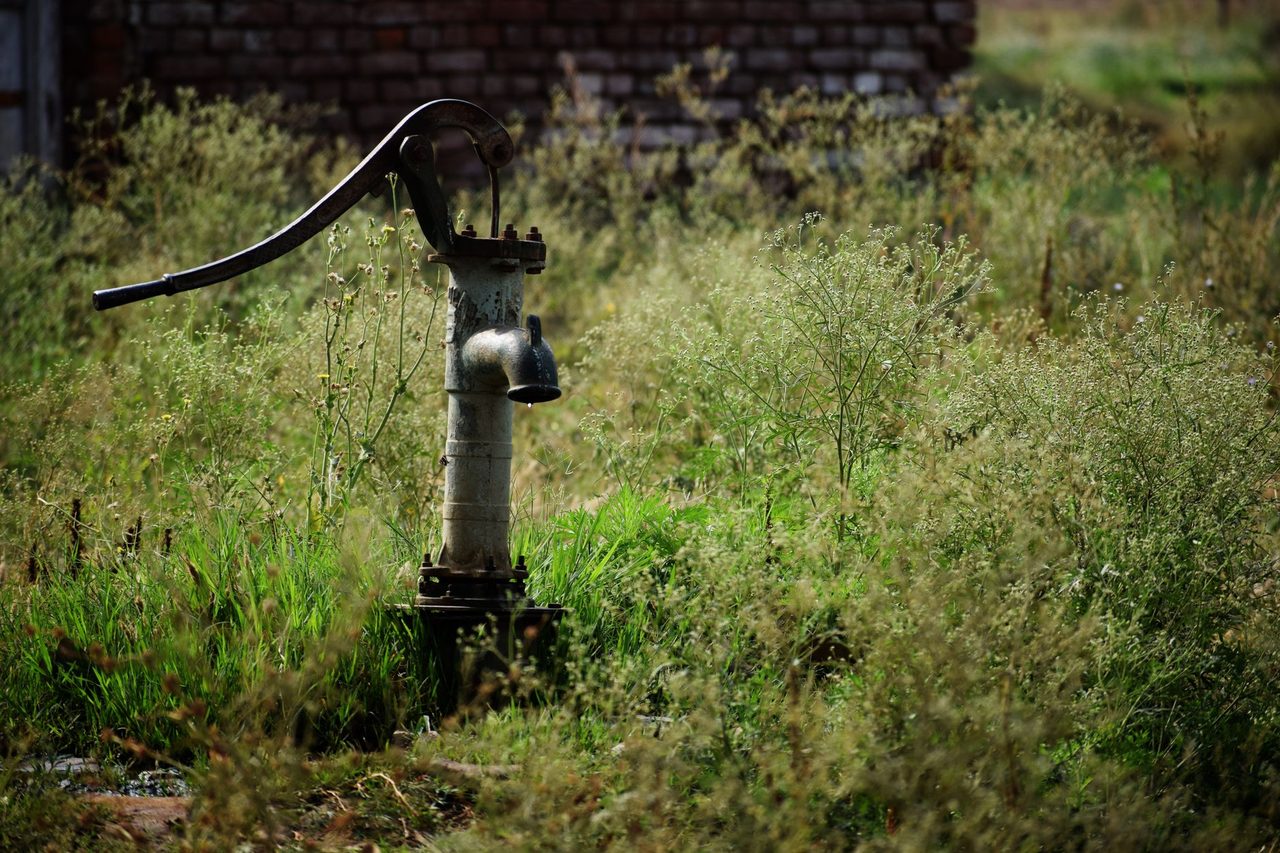
Photo: Saifee Art on Pexels
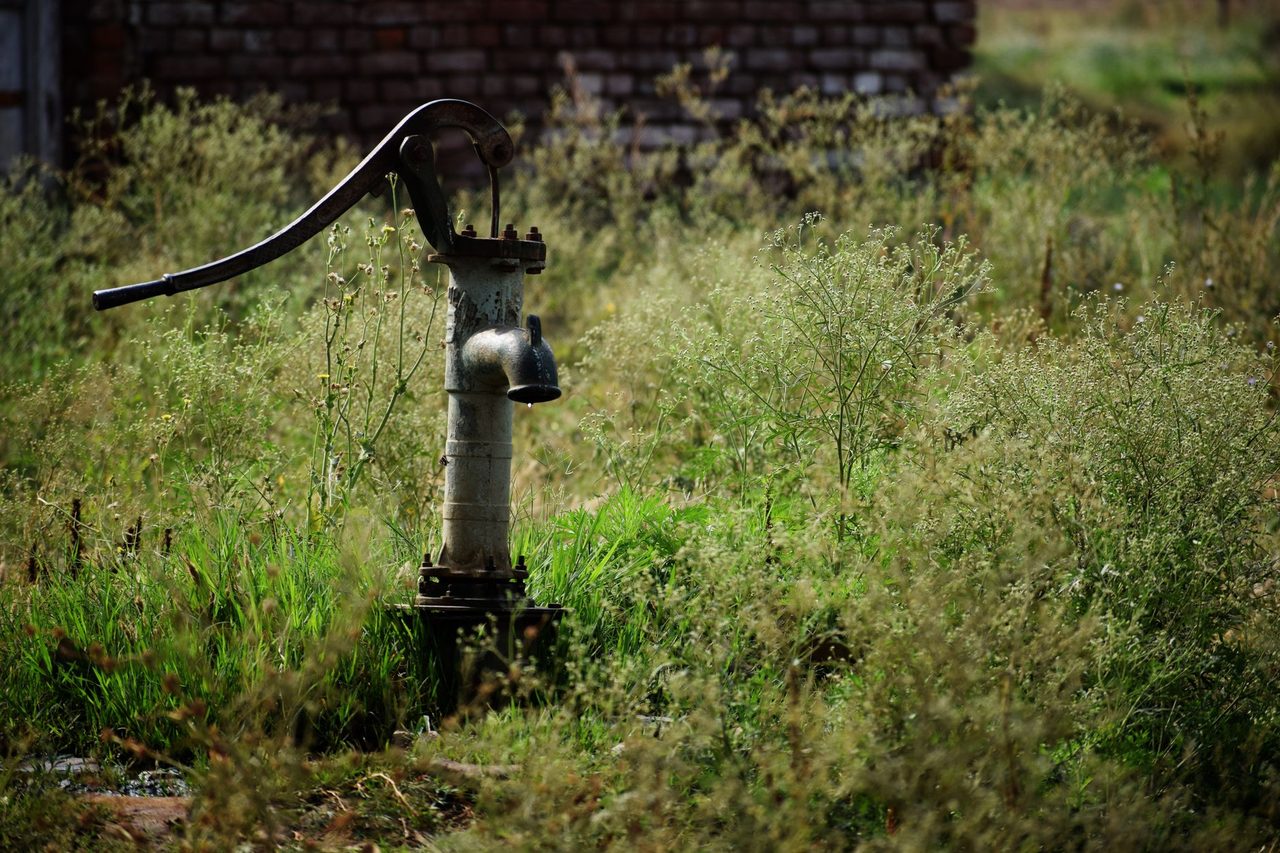
Reliable drinking water infrastructure is emerging as one of the most investable NGO energy-access use cases in India. In 2026, solar-powered drinking water systems sit at the intersection of rural energy access, public health, women’s time poverty, climate resilience and CSR deployment. For NGOs, foundations and corporates, the opportunity is no longer limited to donating a pump and a few panels. The market has matured toward community-scale assets with defined load profiles, clearer water-quality outcomes, service-level agreements, remote monitoring and auditable impact.
For Indian C&I energy consumers, RE developers, lenders, utilities and policymakers, this matters because solar drinking water systems are now a replicable distributed-infrastructure category. They can be structured with grant capital, performance-linked CSR disbursements, local user-fee models and robust Impact measurement & MRV. They also create a practical entry point for Corporate & utility partnerships in geographies where grid quality remains poor, diesel backup is expensive and public schemes need implementation support.
This article sets out how to design bankable, measurable and scalable NGO-led solar drinking water programmes in India in 2026.
Why solar drinking water is a different NGO energy-access opportunity
Many rural energy projects fail because the productive use case is weak, tariffs are politically difficult or operations are underfunded. Drinking water is different. Demand is daily, predictable and socially non-discretionary. Communities may delay spending on many services, but safe water remains a priority, especially in fluoride, iron, salinity, arsenic and bacteriological contamination zones.
A typical NGO energy-access drinking water system in India today may include:
- Solar PV array in the 2 kW to 15 kW range
- Borewell or surface-water intake, depending on source conditions
- Raw-water pumping, filtration and disinfection
- Storage tanks and dispensing kiosks
- Smart meters, flow meters and water-quality sensors
- Optional battery backup for dosing, controls and evening dispensing
The energy economics are compelling where diesel pumping or weak grid supply dominate. A village-scale system producing 5,000 to 20,000 litres per day often consumes roughly 0.6 to 2.5 kWh per kilolitre depending on source depth, treatment process, pressure requirements and storage configuration. Systems treating brackish water via RO will sit at the higher end, while chlorination or UV-based treatment with modest pumping heads will be lower.
At a commercial equivalent electricity cost of Rs 7 to Rs 9.5 per kWh in many states, annual avoided power cost can become material even for small systems. Where diesel generation is displaced, effective delivered energy cost can exceed Rs 20 per kWh after transport, maintenance and low-load inefficiency. This is why solar water systems are increasingly attractive to NGOs trying to maximise health impact per rupee while keeping recurrent expenditure manageable.
2026 project economics: capex, tariffs and O&M realities
In practitioner conversations, the biggest mistake is oversimplifying cost as only panel plus pump. Community drinking water projects should be modelled as complete service systems. In 2026, indicative capex bands for NGO-led solar drinking water systems in India are broadly as follows:
- Basic solar pumping with storage and chlorination: Rs 4 lakh to Rs 10 lakh
- Village water ATM or kiosk with filtration, UV and remote monitoring: Rs 8 lakh to Rs 18 lakh
- Higher-spec systems with iron, fluoride or arsenic treatment: Rs 15 lakh to Rs 35 lakh
- Brackish-water desalination or RO-centric systems at meaningful daily volume: Rs 20 lakh to Rs 50 lakh or more depending on feed quality and civil works
These ranges vary significantly by hydrogeology, source distance, treatment chemistry, module quality, mounting structures, civil works, storage, telemetry and post-installation service arrangements.
On O&M, annual costs commonly land in the 4% to 10% of capex range for simple systems, and materially higher for membrane-based treatment due to consumables, membrane replacement, reject-water management, technician visits and water-quality compliance. Many NGO projects underbudget these items in year 3 onward.
User tariffs also need realism. Typical community water pricing models in rural India today may include:
- Rs 2 to Rs 5 per 20-litre can for treated community water in subsidy-supported villages
- Rs 4 to Rs 8 per 20-litre can in more remote or higher-O&M systems
- Flat household subscriptions of Rs 30 to Rs 150 per month in some piped or institutional arrangements
- Hybrid models combining free minimum entitlements with paid incremental use
The lesson for CSR-backed programmes is straightforward: capex grants alone do not guarantee durability. Bankable programme design must ringfence O&M, consumables, service calls and major replacement reserves. This is where Program design & theory of change becomes essential. The intervention is not “install solar water.” The intervention is “deliver sustained safe-water service at target uptime, target water quality and target affordability over 5 to 7 years.”
Policy and institutional context in India, 2026
Solar drinking water systems work best when they align with public programmes rather than operating in parallel silos. In 2026, NGOs and corporates should map projects against the following policy and institutional anchors:
- Jal Jeevan Mission service goals and local drinking-water infrastructure plans
- Ministry of New and Renewable Energy support frameworks and state RE nodal-agency programmes where available
- Panchayat-level water committees and village institutions for tariff collection and grievance handling
- District health priorities in contamination hotspots, especially fluoride and arsenic belts
- CSR obligations under the Companies Act framework, with careful documentation of community benefit and governance
- State groundwater extraction norms, source permissions and water-quality compliance responsibilities
For corporates, solar drinking water assets can fit strongly within rural development, health, sanitation, women’s empowerment and climate-resilience CSR themes. However, boards increasingly want traceability: which habitation, how many households, what daily output, what reduction in fuel use, what downtime, what health proxy indicators, and what independent verification process. That is why CSR funding pipelines are shifting toward standardised project templates with baseline surveys, engineering specifications, milestone-linked release conditions and digital reporting.
Utilities and DISCOMs also have a role. In weak-grid areas, a solar water system can reduce erratic low-voltage rural demand and dependence on diesel backup. In some cases, hybrid systems with grid plus solar are better than solar-only systems because they preserve reliability during monsoon weeks and support disinfection continuity. The right architecture is site-specific, not ideological.
Technical design choices that determine success or failure
The quality of engineering decisions will decide whether a project survives beyond the inauguration photo. Five design variables matter most.
1. Water source and quality
Source sustainability comes before solar sizing. Yield tests, seasonal drawdown analysis and contamination mapping are non-negotiable. A low-cost PV system on an unreliable or deteriorating source is not a viable asset.
2. Treatment selection
Treatment must match actual water chemistry. NGOs often over-specify RO where chlorination, iron removal, activated media or UV may be enough, increasing energy consumption and O&M burden unnecessarily. Conversely, under-specifying treatment in fluoride or arsenic areas creates reputational and public-health risk.
3. Solar-resource and load matching
Daily litres, pumping head, treatment load, dispensing hours and seasonal irradiation should be modelled together. Oversizing PV inflates capex; undersizing leads to chronic underperformance. In many village systems, direct solar operation with daytime storage is more resilient than battery-heavy designs. Batteries should be used selectively for controls, telemetry, dosing continuity and limited evening operations.
4. O&M architecture
Projects should specify who cleans modules, who checks chlorine dosing, who handles membrane replacement, and what turnaround time applies when flow drops or sensors fail. A 48- to 72-hour service-level target is reasonable for clustered deployments with trained district-level technicians.
5. Digital monitoring
At minimum, remote monitoring should capture generation, pump runtime, daily water output, tank level, fault alerts and dispensing volumes. In higher-spec systems, online TDS, pressure and dosing logs add confidence. If the project is CSR-funded, telemetry should be designed from day one to support board reporting and third-party audits rather than added later as an afterthought.
Financing models: how NGOs and corporates can structure viable programmes
In 2026, the most durable solar drinking water programmes in India are using blended structures rather than pure donations. Four workable models are common.
Grant-funded capex plus community O&M
This is the simplest structure. CSR or philanthropic capital pays for installation, while the village committee or operator collects user fees for routine O&M. It works where social acceptance is strong and O&M requirements are modest. It fails where tariff discipline is weak or treatment consumables are significant.
CSR milestone disbursement with performance reserve
Here, part of the capex is released on commissioning, and a second tranche is linked to 6- or 12-month uptime, water-quality compliance and usage thresholds. This is increasingly preferred by mature CSR teams because it rewards sustained service instead of one-time installation.
NGO-SPV or social enterprise operator model
An NGO partners with a local enterprise or special-purpose operator that manages dispensing, collections and minor maintenance. This can improve accountability, especially in multi-village portfolios of 20 to 100 sites.
Pooled district programmes
For large corporates or donor collaboratives, district-level aggregation reduces procurement cost, standardises telemetry, improves technician utilisation and creates comparable MRV across sites. It also gives lenders and philanthropic co-funders more confidence than scattered one-off systems.
From a finance perspective, the strongest proposals now include 5-year O&M cashflow forecasts, spare-part planning, replacement assumptions, seasonal production curves, sensitivity to source degradation and documented governance protocols. Compliance & governance is not administrative overhead here; it is central to asset survival.
MRV that matters: measuring more than installed kilowatts
Too many energy-access projects still report only installed solar capacity and beneficiary counts. That is inadequate for drinking water. Decision-makers in 2026 want service delivery metrics and impact logic that can survive audit.
A strong MRV framework for solar drinking water should include:
- Baseline: existing water source, time spent collecting water, current expenditure, outage frequency, contamination risks, diesel or grid dependence
- Output metrics: kW installed, storage capacity, treatment capacity, litres produced per day, dispensing transactions, uptime percentage
- Outcome metrics: reduction in collection time, reduction in household water expenditure volatility, improved service reliability, reduction in diesel use, avoided electricity use from conventional supply
- Quality metrics: periodic lab testing for relevant contaminants, residual chlorine logs where applicable, exception management records
- Inclusion metrics: women users, school and anganwadi coverage, access for remote hamlets, affordability for vulnerable households
- Governance metrics: operator attendance, tariff collection rate, preventive-maintenance adherence, resolution time for faults
For carbon and energy accounting, avoid inflated claims. A village water system may displace diesel pumping, kerosene-related boiling in some cases, or unreliable grid usage, but the emission factor and causality must be documented carefully. The more credible value proposition is usually resilience, health, time savings and reduced O&M volatility, with emissions benefits treated conservatively.
For NGOs seeking scale, Impact measurement & MRV should be designed as a management tool, not just a donor report. The best systems use dashboards to flag underperforming sites, compare operators, schedule maintenance and justify future fundraising.
What C&I buyers, developers, lenders and policymakers should watch in 2026
For C&I companies deploying CSR capital, the key question is not whether solar drinking water is socially attractive; it is whether the implementation chain is investable. Focus on cluster economics, verified source sustainability, multi-year O&M and digital traceability.
For RE developers and EPC players, this segment is a serious adjacent market if approached correctly. Success requires water-process integration, not just PV engineering. Developers that can package solar, treatment, telemetry and service contracts will outperform those selling hardware-only systems.
For lenders and philanthropic co-funders, portfolio aggregation is critical. A single 5 kW village system is too small to underwrite efficiently, but a 50-site district programme with standardised contracts, telemetry and reserve funding can become a financeable social infrastructure pool.
For policymakers, the priority should be interoperability with existing water missions, stronger village-level O&M capacity, open data standards for telemetry and procurement frameworks that reward lifecycle performance rather than lowest upfront cost. State agencies should also encourage contamination-specific technical standards so that communities are not handed inappropriate treatment systems.
The core message is simple. Solar drinking water systems are no longer peripheral NGO assets. In the right geographies, they are practical, measurable and scalable distributed infrastructure. The winners in 2026 will be organisations that combine engineering discipline, realistic tariffs, strong governance and auditable impact.
If your organisation is evaluating NGO energy-access opportunities in solar water, community energy or CSR-linked rural infrastructure, contact Growthifye’s advisory desk. We help design bankable programmes, delivery partnerships and MRV frameworks that hold up in the field.
Explore Growthifye's related capabilities
This analysis connects directly to our advisory practice: Program design & theory of change · CSR funding pipelines · Grant & philanthropic fundraising · Compliance & governance.
About the author

Founder & CEO, Growthifye — engineering and financing India's clean-energy transition.
Want this analysis applied to your project?
Talk to our team