India 2026 NGO Energy Access: Productive-Use Clusters, CAPEX Grants and DISCOM Convergence
By Sudarshan Karweer · sudarshan@growthifye.com · +91 84510 99371 (Call / WhatsApp) · 2026-08-27

India’s NGO energy-access market in 2026 is shifting from “last-mile electrification” as a social service to productive-use energy as a structured rural economic programme. The practical question is no longer whether a village can be connected. It is whether energy access can support irrigation, milling, chilling, sewing, food processing, telecom uptime, e-mobility charging and micro-enterprises at a load factor that improves project economics without creating tariff conflict with the local DISCOM.
For NGOs, CSR teams, developers and district administrations, this creates a distinct opportunity: productive-use clusters anchored by community institutions and enterprise demand, supported by CAPEX grants and measured through bankable impact and performance metrics. This is a different angle from generic rural solar or clean cooking deployment. It is about designing community energy systems around demand density, operating discipline and rural income generation.
In practice, the most successful 2026 projects are not single-technology pilots. They are demand-led cluster programmes that combine solar generation, batteries, efficient appliances, load scheduling, and local governance. They work when they are aligned with state rural-livelihoods priorities, PM-KUSUM pathways where relevant, feeder realities, and district-level implementation capacity.
Why productive-use clusters matter in 2026
India’s unelectrified-household narrative is largely outdated, but weak quality of supply remains a live issue across many rural geographies. In several districts, consumers still face low-voltage events, evening outages, poor farm-power reliability and expensive diesel dependence for commercial uses. For NGOs working on livelihoods, women’s collectives, health systems or climate resilience, energy access is therefore increasingly an income and service-quality problem, not just a connection problem.
Productive-use clusters respond to this reality by aggregating multiple village loads into a managed portfolio. Instead of financing one-off assets, NGOs and funding partners can support a package such as:
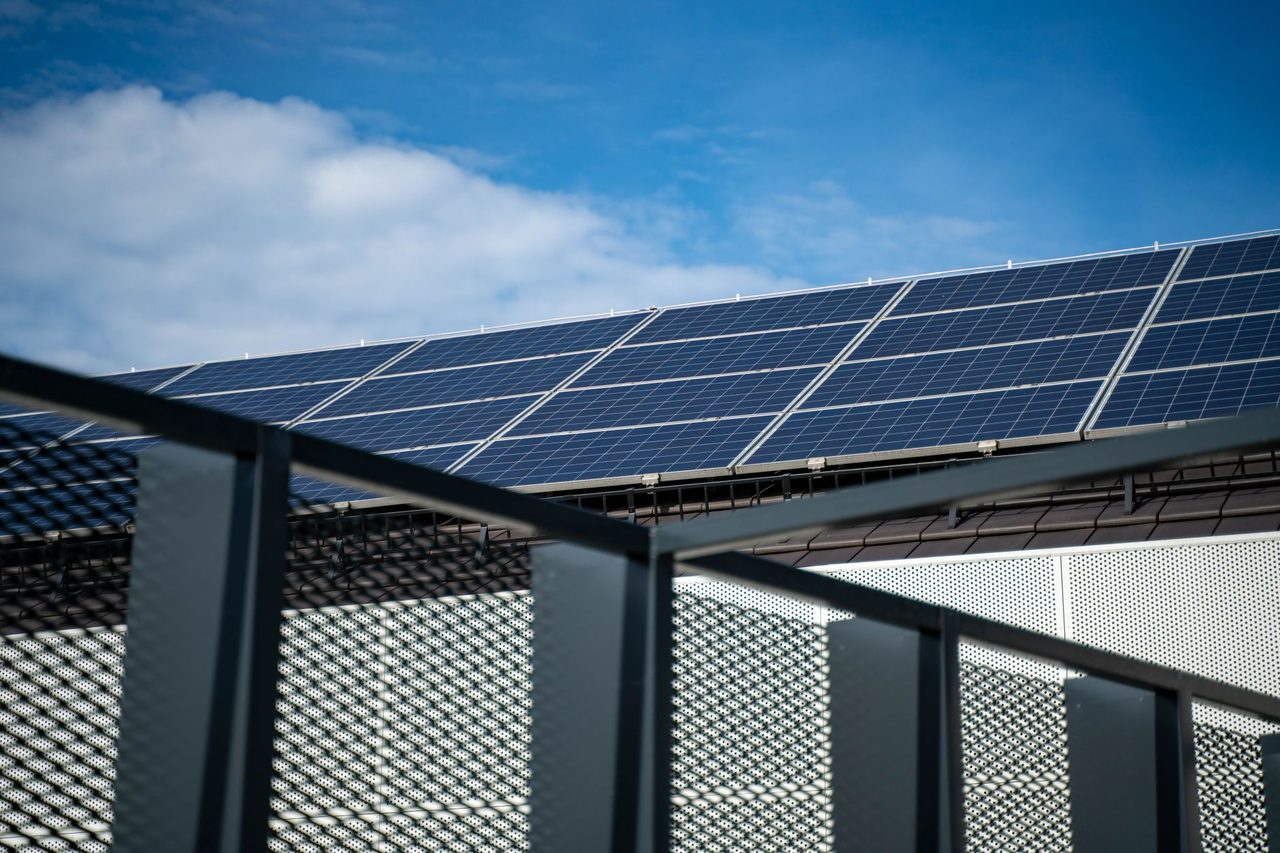
- 10–25 kW rooftop or ground-mounted solar for a rural enterprise cluster
- 20–60 kWh battery storage to shift service hours and stabilize supply
- efficient end-use appliances such as BLDC fans, DC freezers, pumps, sewing motors or rice hullers
- prepaid or smart metering for user-level accountability
- common-service infrastructure for dairy chilling, water purification, internet access or livelihood centres
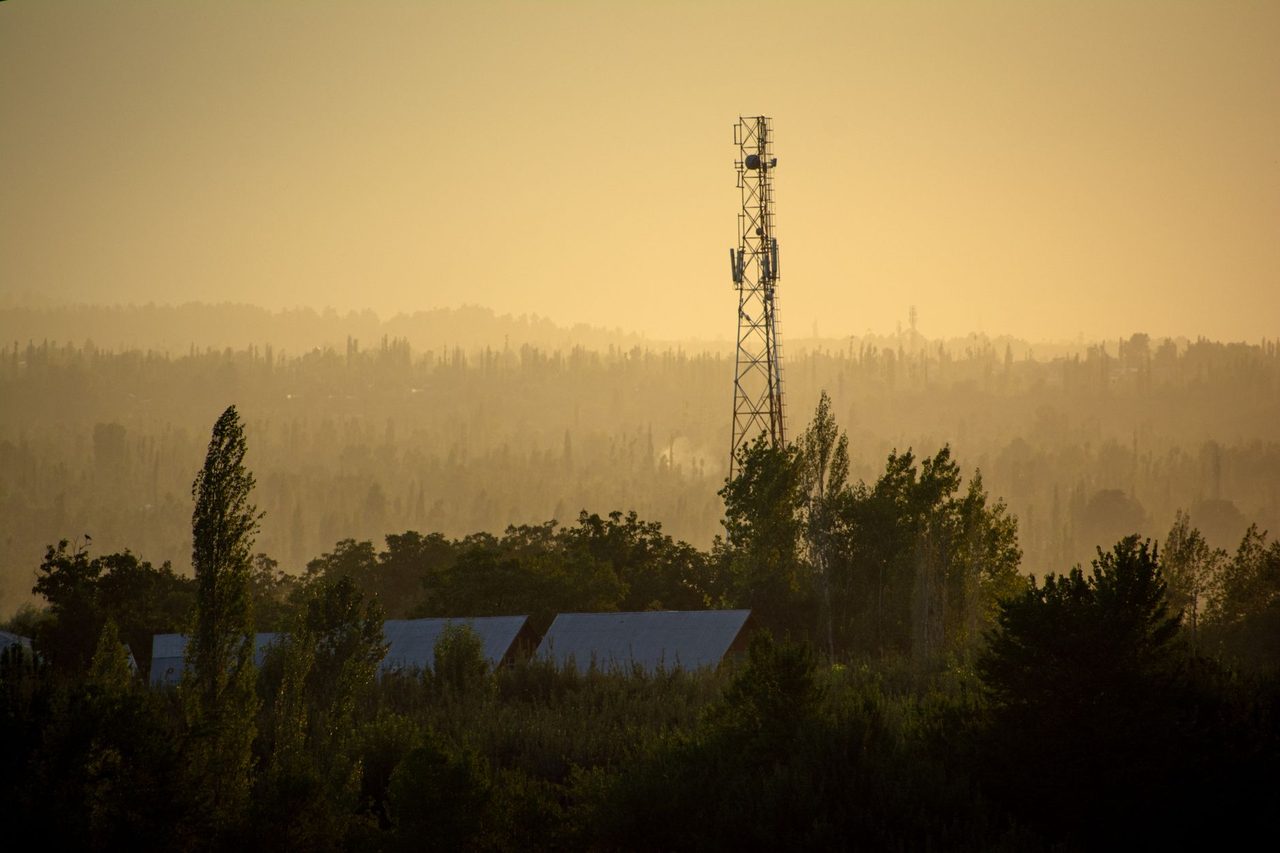
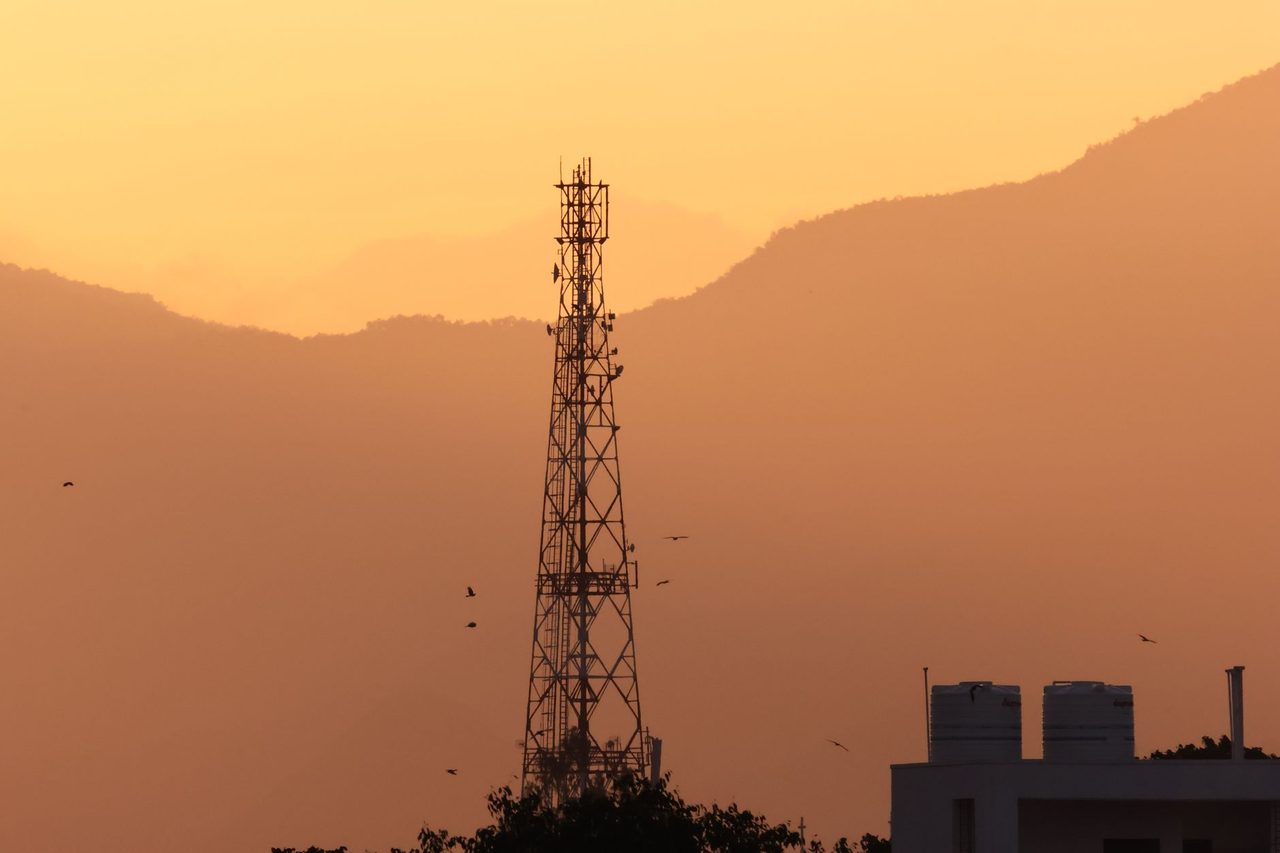
The advantage is load diversity. A cluster serving an SHG stitching unit, a millet processing centre, a rural clinic, a school digital lab and a telecom tower back-up requirement can achieve better utilisation than household lighting alone. In current projects, blended delivered tariffs for end users often land in the Rs 8-14/kWh range depending on system utilisation, battery sizing and service-level commitments. That can be viable versus diesel-generated power often costing Rs 18-28/kWh equivalent for small rural productive loads.
For community institutions, this model creates measurable developmental outcomes: longer operating hours, reduced spoilage, lower fuel costs, local employment and higher incomes. For funders, it creates clearer unit economics and stronger accountability.
A workable project archetype: the village enterprise energy node
A practical 2026 archetype is the village enterprise energy node. This is typically a 15-100 kW decentralised system designed around anchor demand and productive-use loads within a 0.5-3 km service radius. The node may be grid-connected, island-capable, or operate as a dedicated behind-the-meter community asset.
Typical load mix in a viable cluster may include:
- Anchor or semi-anchor demand: clinic, school, panchayat office, digital service centre, telecom equipment, dairy collection point
- Daytime productive demand: agro-processing, flour mills, welding, carpentry, tailoring, packaging, irrigation support, micro-cold storage
- Evening demand: retail lighting, study centres, streetlighting, household top-up service, e-rickshaw charging in some geographies
A 30 kW solar plus 60 kWh battery system serving 6-10 enterprises and 2-3 institutions may require all-in CAPEX of roughly Rs 30 lakh to Rs 45 lakh in 2026 depending on storage chemistry, interconnection, controls, civil works and appliance bundling. For larger 75-100 kW productive hubs with stronger daytime demand and lower relative battery dependence, cost per watt can moderate, but distribution and metering costs rise.
Without support, many NGO-led deployments struggle to recover full costs from low and variable rural demand. This is where CAPEX grants matter. A 30-60% capital subsidy from CSR pools, philanthropic sources or public schemes can reduce levelised service costs enough to reach a bankable and socially acceptable tariff band. The grant should not substitute for commercial discipline; it should crowd in reliable operations.
This is also where Growthifye’s Program design & theory of change approach is useful. The intervention must define whether the primary objective is income enhancement, service reliability, resilience, women-led enterprise growth, public-service continuity or avoided diesel use. The energy architecture, tariff design and MRV framework should follow from that objective.
CAPEX grant sizing, tariff design and payment discipline
One of the biggest mistakes in NGO energy access is underpricing power in a way that guarantees O&M failure. In 2026, donors and implementers are more realistic: if systems are expected to run for 8-12 years, tariffs must at least cover routine O&M, battery reserve accruals, operator incentives and collection losses.
A practical financial structure for productive-use nodes often includes:
- 30-50% CAPEX support from CSR or grants
- 20-30% developer or local-operator equity/quasi-equity
- 20-40% concessional debt or recoverable programme capital
- user contribution through connection fees, appliance financing or security deposits
Tariff architecture needs to reflect user type and service quality. Common structures include:
- Fixed monthly service fee plus energy charge for enterprises
- Time-of-day pricing where daytime power is cheaper than evening supply
- Appliance-linked plans for sewing units, freezers or pumps
- Capacity booking for anchor users requiring uptime guarantees
- Prepaid smart meters for small commercial users to control arrears
Illustratively, a village processing unit may accept power at Rs 9-11/kWh if that replaces diesel at substantially higher effective cost and improves reliability. A clinic may justify a premium reliability service contract. E-rickshaw charging can work at per-session rates if charging windows are managed. Household social tariffs, if offered, should be ring-fenced and transparently cross-subsidised by grants or anchor users rather than silently loaded into enterprise economics.
Collection efficiency should target above 95% for anchor and institutional loads and above 90% overall at cluster level. Below that, the system usually becomes grant-dependent beyond planned levels. Payment discipline improves when energy service is tied to direct livelihood outcomes, not treated as a welfare entitlement.
The DISCOM question: convergence, not conflict
No 2026 energy-access strategy is complete without addressing the local DISCOM. Many otherwise sensible NGO or private initiatives fail because they assume decentralised energy can expand in parallel without utility alignment. In reality, convergence with the DISCOM is often the difference between replication and administrative deadlock.
There are three workable convergence pathways:
- Behind-the-meter resilience for institutions and enterprises already connected to the grid
- Support to weak rural feeders through local generation and managed non-export architectures
- Community systems in poorly served pockets with clear protocols for future interconnection or coexistence
The key regulatory and operational questions are straightforward:
- Will the system export to the grid or remain non-export?
- Is the service provider selling electricity, leasing equipment, or providing an energy service bundle?
- How are consumer categories and local tariff sensitivities being handled?
- What happens if the grid improves materially after project commissioning?
For NGOs, the safest near-term route in many states is not to position the project as a rival retail supplier. It is to frame it as a reliability, resilience and productive-use infrastructure layer that complements public supply. This matters especially where agricultural and rural consumer tariffs are politically sensitive.
District administrations and CSR sponsors should also assess whether specific public loads can be formally contracted. Schools, PHCs, anganwadi-linked nutrition processing, water systems and livelihood centres can provide more stable payment behaviour than diffuse household portfolios.
This is where Corporate & utility partnerships become important. Utilities are more receptive when projects reduce diesel consumption, improve service to strategic rural institutions, lower local losses through better load management, or support state livelihood and rural-development goals.
MRV that lenders and funders can actually use
Impact claims in NGO energy access are often broad but weakly evidenced. In 2026, serious funders want machine-readable operational data and outcome metrics linked to programme goals. A productive-use cluster is particularly suitable for rigorous monitoring because energy consumption can be mapped to specific enterprise activities and service outcomes.
A credible MRV stack should include at minimum:
- generation data by source and interval
- battery cycling and availability metrics
- feeder or user-level metering for anchor and enterprise loads
- outage and service-quality logs
- collections, arrears and subsidy tracking
- diesel displacement estimates where baseline generator use existed
- enterprise output indicators such as litres chilled, kilograms processed, tailoring hours, irrigation hours, or clinic uptime
Impact metrics should move beyond “beneficiaries reached.” More decision-useful indicators include:
- incremental enterprise income per kWh supplied
- cost savings against diesel baseline
- number of operating hours added for essential services
- women-led enterprise utilisation share
- seasonal demand volatility and cash-flow resilience
- avoided emissions using transparent baseline assumptions
Robust Impact measurement & MRV helps in three ways. First, it improves operational correction: underused loads, battery oversizing, poor collections or faulty appliances can be identified early. Second, it helps funders compare interventions across districts and technologies. Third, it supports future scale-up through better underwriting by lenders and development partners.
State and scheme alignment NGOs should not ignore
Although there is no single national template for NGO-led productive-use energy clusters, smart programme design in 2026 maps onto existing public schemes and state priorities instead of operating in isolation.
Relevant alignment areas include:
- PM-KUSUM components where irrigation or decentralised solar for agriculture is part of the productive-use ecosystem
- NRLM and state rural livelihoods missions for SHG-linked enterprise clusters
- Aspirational Districts and tribal-development programmes in underserved geographies
- Health, education and drinking-water departmental budgets for institutional power resilience
- clean cooking and biomass-value-chain programmes where thermal energy access complements electric productive loads
- state EV or e-mobility policies in locations with emerging rural charging demand
The main implementation lesson is simple: projects scale faster when energy is embedded within a livelihood, health, nutrition, or local-enterprise programme with named budget lines and accountable institutions.
For example, a dairy cluster with solar-powered chilling and digital payments has clearer economics than a generic village microgrid. A women-led food processing cluster linked to procurement or market access can sustain demand better than a standalone community solar asset. Energy should follow revenue logic.
Execution risks and how to structure around them
Even well-conceived productive-use programmes face recurring risks. The answer is not to avoid the model, but to structure around known failure points.
Key risks include:
- overstated demand during appraisal
- low plant load factor due to seasonal enterprise use
- free-rider behaviour if tariffs are set below perceived value
- battery underperformance due to poor thermal conditions or cycling assumptions
- operator capability gaps at village level
- conflict with local utility expectations or political perceptions
- lack of appliance-service support leading to idle connected loads
Mitigants are equally practical:
- start with signed demand commitments from 2-4 anchor users
- use modular system sizing with expansion triggers
- separate social loads from commercial loads in accounting
- bundle appliance finance and maintenance contracts
- include a local operator incentive linked to uptime and collections
- undertake formal stakeholder mapping with the DISCOM and district administration
- maintain a replacement reserve for power electronics and storage components
Procurement should also be disciplined. Lowest upfront CAPEX is rarely the best value if it compromises inverter reliability, remote monitoring, enclosure quality or after-sales service. Rural serviceability is a finance variable, not just a technical one.
Finally, grant programmes should avoid success metrics based only on installations commissioned. Better portfolio metrics are one-year uptime, paying-load growth, collection efficiency, avoided diesel litres, and enterprise survival rates after two agricultural cycles.
What this means for NGOs, developers and capital providers in 2026
The India 2026 opportunity in NGO energy access is not another wave of undifferentiated village electrification. It is targeted, productive-use energy infrastructure that strengthens rural incomes and public-service reliability while remaining operationally credible.
For NGOs, this means moving from beneficiary counts to portfolio economics and measurable outcomes. For developers, it means designing systems around load quality and institutional convergence, not hardware alone. For lenders and CSR sponsors, it means backing programmes where CAPEX support is paired with tariff realism, demand aggregation and auditable MRV.
The strongest pipelines today are those that combine community energy assets with enterprise development, institution-grade payment discipline and district-level implementation partnerships. In that structure, grants are catalytic rather than perpetual, and energy access becomes a development platform rather than a one-time intervention.
If your organisation is evaluating rural productive-use energy, community systems, CSR deployment or NGO-led implementation partnerships, contact Growthifye’s advisory desk. We support strategy, project structuring, delivery design and finance-ready impact frameworks across India’s energy-access market.
Explore Growthifye's related capabilities
This analysis connects directly to our advisory practice: Program design & theory of change · CSR funding pipelines · Grant & philanthropic fundraising · Compliance & governance.
About the author

Chief Executive Officer, Growthifye — With over 23 years in management consulting, Sudarshan has taken businesses from concept to scale — building and scaling new-age digital and energy businesses.
- 23+ years in management consulting
- EY alumnus
- Led large-scale BESS programmes, capital raises and advisory mandates
Want this analysis applied to your project?
Talk to our team