India 2026 NGO Energy Access PPP Models: Viability Gap, Results-Based Finance and MRV
By Sudarshan Karweer · sudarshan@growthifye.com · +91 84510 99371 (Call / WhatsApp) · 2026-08-25

India’s NGO energy-access market in 2026 is moving beyond one-off CSR donations and pilot-scale device distribution. The sharper opportunity is to structure public-private-community partnerships that combine viability-gap support, results-based finance, robust impact MRV and local service delivery. For Indian C&I buyers, RE developers, lenders, utilities and policymakers, this matters for three reasons: first, distributed rural energy and productive-use loads are becoming bankable in specific geographies; second, carbon-linked and donor-linked disbursements are now more data-driven; and third, state and district-level implementation capacity is improving where projects are tied to livelihoods, health and agriculture rather than treated as standalone electrification assets.
This article looks at a distinct angle within NGO energy access: how to design PPP-style delivery models for rural solar, clean cooking and community energy that can attract CSR support, grants and concessional capital without relying on pure subsidy logic. The focus is on India in 2026, with practitioner-level discussion on contract structures, tariff design, anchor loads, collections, risk allocation and MRV.
Why PPP-style NGO energy access models are gaining traction in 2026
The core problem in rural and underserved energy markets is not only capex. It is the mismatch between low first-cost affordability, irregular demand growth, O&M intensity and the need for multi-year performance assurance. Traditional donation-led programmes often underprice these realities. Devices are distributed, but service networks, spare parts, user training and data reporting remain weak.
A PPP-style model addresses this by separating who pays, who builds, who operates and who verifies outcomes.
- Public agencies or district administrations can support land access, beneficiary targeting, convergence with livelihood schemes and last-mile permissions.
- NGOs can aggregate demand, run community mobilisation and verify social outcomes.
- Private developers or EPC-O&M firms can design, supply, install and maintain systems under service-level agreements.
- CSR contributors, philanthropies and grant-makers can provide first-loss or viability-gap support.
- Lenders or impact investors can fund the recoverable portion where cash flows are visible.
- Independent evaluators can audit outputs and outcomes using digital MRV.
This matters especially for community energy assets in the 10 kW to 500 kW range, mini-grids, solar for health centres and schools, productive-use solar for rural enterprises, and clean-cooking programmes that require sustained fuel-use verification. In many districts, full cost recovery from end users alone is still unrealistic. But partial recovery combined with milestone-based grants is increasingly workable.
In practical terms, NGO energy-access projects in 2026 are moving toward blended stacks such as:
- 20% to 40% grant or CSR-backed viability-gap funding
- 30% to 50% concessional or senior debt for the contracted asset base
- 20% to 30% sponsor equity or programme-related capital
- Variable outcome-linked top-ups tied to verified connections, uptime, usage or emissions reduction
The exact mix depends on whether the project serves households, institutions, MSMEs, farmer-producer groups or a mixed load.
Viability-gap funding: where it fits and how to size it
Viability-gap funding, or VGF, is often misunderstood as a generic capital subsidy. In a well-designed NGO energy-access programme, VGF should close a clearly quantified commercial gap after realistic assumptions on tariff, collections, downtime, battery replacement and field-service cost.
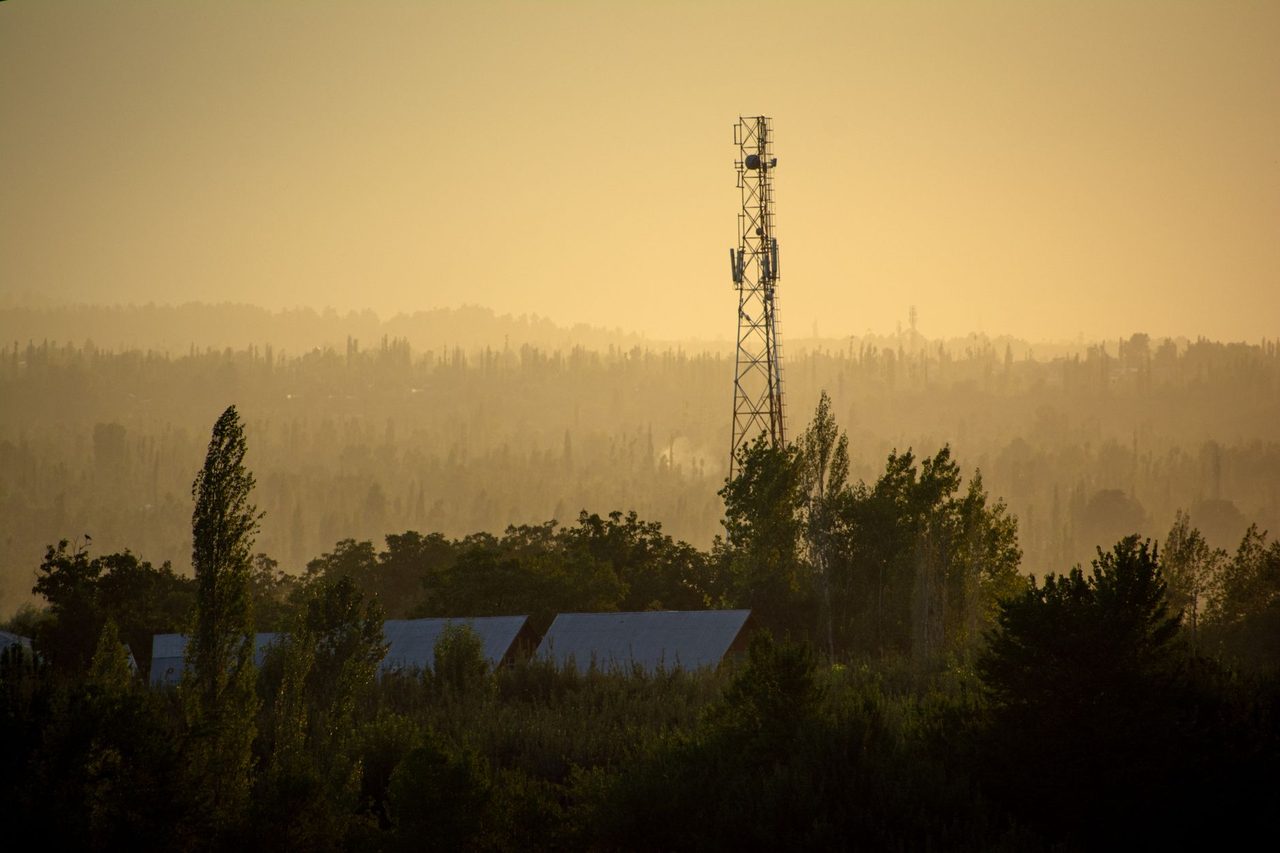
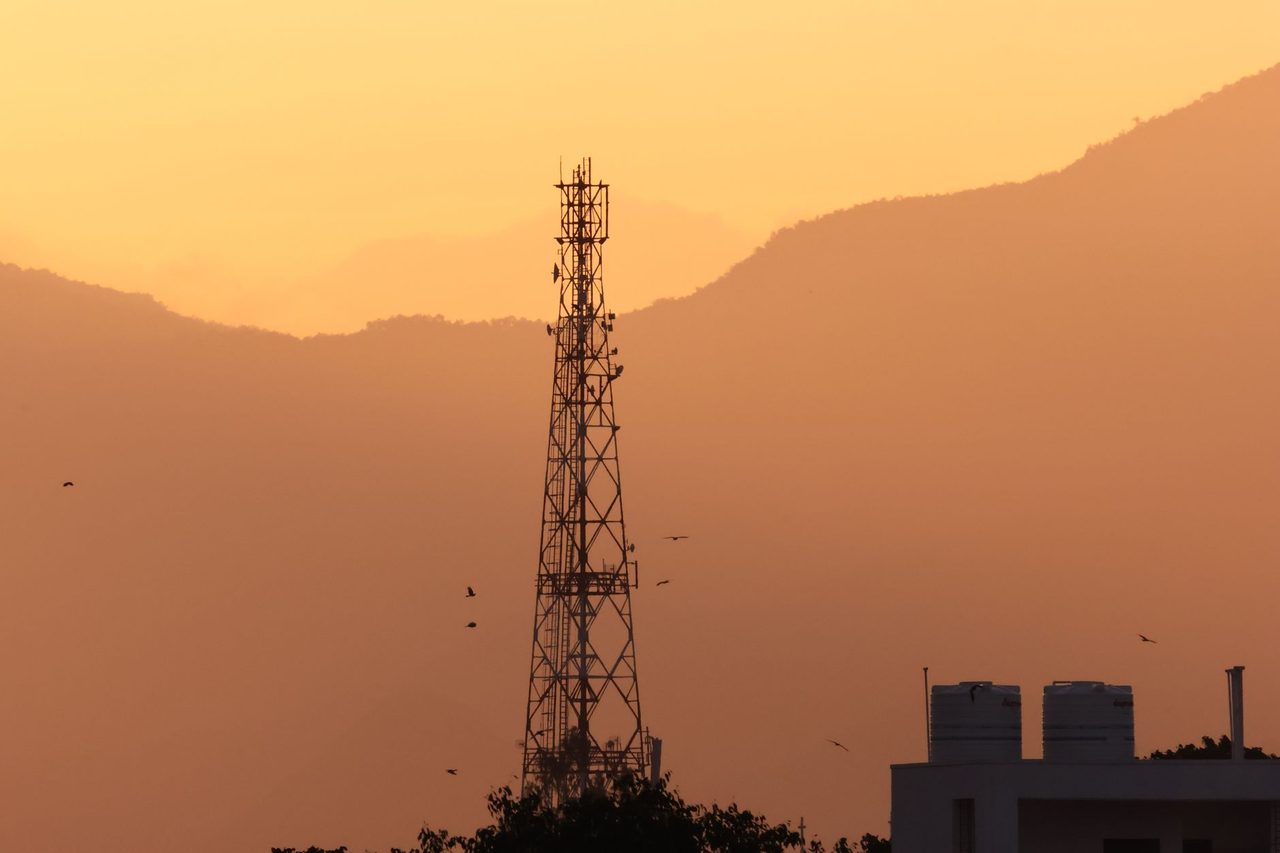
For example, a rural solar mini-grid with a 50 kW PV array, 120 kWh battery storage and low-voltage distribution may cost roughly Rs 55 lakh to Rs 80 lakh in 2026 depending on battery chemistry, terrain, interconnection requirement and civil scope. If anchor demand includes a telecom tower, a dairy chilling unit, a school and 60 to 120 households, project IRR can improve materially. Without an anchor load, collections risk rises sharply.
A disciplined VGF exercise should test:
- Capex per connected consumer or per kW served
- O&M cost per month, including technician travel and battery management
- Collection efficiency assumptions, often 85% to 95% depending on billing design
- Replacement reserves for batteries, inverters and meters
- Anchor-load share of annual revenue, ideally above 35% where possible
- Effective tariff affordability for households and micro-enterprises
- Uptime commitments, often 95% to 98% for institutional loads
In household-focused systems, all-in monthly energy spend tolerance in low-income communities may remain in the Rs 150 to Rs 400 range for basic service, though productive-use consumers can support higher monthly bills where income gains are visible. Community-level solar for irrigation, milling, stitching, refrigeration or digital services can support better economics than lighting-only demand.
For clean cooking programmes, VGF is better structured around transition support rather than device-only subsidy. The cost barrier includes stove hardware, user training, refill logistics, after-sales service and behaviour change. A programme that ignores recurring affordability and fuel access will underperform even if initial adoption appears strong.
An effective VGF framework in 2026 therefore tends to fund one or more of the following:
- Initial capex gap for community infrastructure
- Customer acquisition and awareness cost
- Productive-load equipment that raises paying demand
- Service-network setup for spare parts and local technicians
- Digital monitoring hardware and baseline surveys
- Limited bill support for public-service institutions during ramp-up
Results-based finance can improve discipline if metrics are chosen carefully
Results-based finance, or RBF, is now a practical instrument for NGO energy-access programmes because remote monitoring costs have fallen and funders want proof of sustained outcomes. But the metric design is everything.
If payouts are linked only to installations, developers optimise for speed rather than service quality. If payouts are linked only to long-term outcomes, early-stage cash flow becomes too weak. The right answer is usually a staged structure.
A workable RBF payment waterfall for rural solar or community energy could be:
- 20% on installation and commissioning
- 20% on verified energisation and beneficiary onboarding
- 30% after 6 months of uptime and billing performance
- 30% after 12 months of verified service, usage and customer retention
For clean cooking, the disbursement triggers may include:
- Device delivery and user training completion
- First verified use within a defined period
- Repeat use or refill event within 60 to 90 days
- Continued displacement of traditional fuel over 6 to 12 months
The challenge is to choose indicators that are measurable, resistant to gaming and material to funder objectives. Strong metrics in 2026 include:
- Verified active connections, not just installed connections
- System uptime for schools, clinics and livelihood assets
- kWh delivered to paying customers
- Productive-use share of demand
- Collection efficiency and arrears ageing
- Device usage frequency for clean cooking
- Emissions-reduction proxies validated through accepted methodologies
- Inclusion indicators such as women-led enterprises served or health-centre reliability improvements
For lenders and project-finance stakeholders, RBF is especially useful when it acts as a cash-flow enhancer rather than a substitute for a business model. A project with zero underlying payment discipline will not become financeable just because a donor promises milestone payouts.
Tariff and payment design: avoid flat-rate traps
Tariff design remains the most neglected part of community-energy planning. Many NGO-linked projects fail because they adopt politically attractive flat rates that neither reflect service levels nor support O&M.
In 2026, better-performing models tend to use tiered or hybrid tariffs.
Examples include:
- Household lifeline plans: Rs 120 to Rs 250 per month for basic lighting and phone charging
- Metered household service: Rs 18 to Rs 35 per kWh equivalent in remote mini-grid settings, depending on reliability and load profile
- Institutional tariff: negotiated monthly service fee with uptime guarantees
- Productive-use tariff: lower per-unit rate for daytime consumption to drive utilisation
- Appliance-linked financing: bundled payment for energy plus efficient appliance
These apparent tariffs may look high relative to grid tariffs, but that comparison is often misleading in remote or weak-grid areas where the alternative is diesel, kerosene, lost income from outages or no service at all. Diesel-based small power can still cost Rs 25 to Rs 40 per kWh equivalent when fuel logistics and maintenance are fully considered. Solar-dominant systems can therefore be competitive where load is aggregated intelligently.
Smart prepaid metering is increasingly important. Prepaid or pay-as-you-go structures improve collections, reduce billing disputes and provide usable demand data. For NGOs and district authorities, they also create a clearer basis for subsidy targeting. Instead of subsidising all users equally, support can be directed to specific customer classes such as anganwadis, health sub-centres, tribal habitations or women’s collectives.
When the main grid arrives or supply quality improves, tariff flexibility becomes essential. The operator should have pre-agreed provisions for:
- Interconnection or islanding rules
- Asset transfer or integration options
- Franchisee-style retail service models
- Revised tariff categories for backup or premium-reliability supply
Without this, “grid arrival risk” can kill investor interest.
MRV is no longer optional: what good community-energy MRV looks like
Impact MRV in NGO energy access has moved from PDF reports to auditable data systems. Funders now expect time-stamped, geo-tagged and tamper-aware evidence. For developers and EPC firms, the lesson is simple: build the data architecture into project design from day one.
A credible MRV stack in 2026 usually includes:
- Baseline household or enterprise survey
- GPS-tagged asset registry
- Remote monitoring for generation, battery health and load curves
- Smart meter or transaction-level consumption data
- Service-ticket logs and downtime records
- Periodic beneficiary verification through phone or field audits
- Emission-factor assumptions documented transparently
- Data-governance protocols for privacy and consent
For clean cooking, MRV is harder because sustained use matters more than mere ownership. Good programmes combine:
- Stove or device distribution records
- User training attendance
- Sensor-based or app-based usage logs where feasible
- Refill or fuel-purchase records
- Follow-up surveys on stacking behaviour and traditional-fuel use
- Health and time-use indicators where programme economics justify deeper study
The MRV objective should match the financing objective. If CSR funders want social-outcome proof, then school attendance, clinic uptime, women’s time savings or enterprise income effects may be relevant. If carbon-linked funding is contemplated, then methodology alignment, leakage assumptions, usage durability and auditability become more important.
For utilities and policymakers, a well-run MRV system also creates planning value. It reveals real village-level demand growth, appliance adoption patterns and the economics of distributed supply versus network reinforcement. In districts with mixed reliability, these data can inform where decentralised systems should remain permanent, where they should become backup assets and where they should transition into grid-support roles.
Delivery models that work: anchors, clusters and local O&M
The single biggest determinant of success is not technology choice but delivery architecture. Three models are proving more resilient in India’s 2026 context.
First is the anchor-business-community model.
Here, one or more reliable loads support the economics:
- Dairy chilling centres
- Rice or flour mills
- Cold rooms
- Water purification units
- Telecom towers
- Schools and hostels
- Rural BPO or digital service centres
Households and micro-enterprises are then layered onto the system. This reduces revenue volatility and improves financing comfort.
Second is the clustered procurement and service model.
Instead of a single village pilot, NGOs aggregate 20 to 100 sites across a district or state. This creates purchasing leverage, standardises technical scope and makes O&M logistics more efficient. It also gives lenders and donors a portfolio rather than an isolated asset. For EPC players, cluster size reduces mobilisation cost and improves spare-parts planning.
Third is the local enterprise O&M model.
Projects with district-level service hubs and trained local operators consistently outperform “install and exit” programmes. Local women’s groups, youth technicians, farmer-producer organisations and village entrepreneurs can manage first-response maintenance, customer onboarding and payment support if incentives are structured properly.
Useful contractual features include:
- Minimum uptime and response-time SLAs
- Escrowed O&M reserves where feasible
- Performance guarantees linked to data availability, not only hardware installation
- Replacement reserve provisioning for batteries and inverters
- Step-in rights for funders or local authorities in case of operator failure
- Asset-handover conditions if the project transitions to utility-linked service
Key policy and market considerations for 2026
India’s energy-access landscape in 2026 sits within a broader framework of rural electrification, clean-energy deployment and distributed RE growth. Practitioners should pay attention to policy convergence rather than searching for one perfect scheme.
The relevant policy touchpoints often include:
- State renewable-energy policies for distributed solar and mini-grids
- Rural livelihoods and self-help-group programmes that can create anchor demand
- Health and education department budgets for reliable power at public facilities
- Clean-cooking and LPG access efforts where transition support can be layered
- Carbon-market and sustainability disclosure expectations for outcome reporting
- CSR rules and board-level impact expectations for corporate contributors
For C&I companies, NGO energy-access partnerships are becoming more strategic. Rather than sponsoring scattered assets, companies can support district-scale programmes in their sourcing regions or operational catchments. This can strengthen supply-chain resilience, improve community relations and create measurable social-impact datasets. However, the programme should be built with the same seriousness as any energy infrastructure investment: clear governance, realistic tariff logic, robust EPC specifications and transparent MRV.
For lenders, underwriting should focus on portfolio design, anchor-load quality, grant disbursement mechanics and O&M capability rather than headline connection counts. For policymakers and utilities, the opportunity is to define clearer coexistence rules between decentralised systems and the main grid, reducing uncertainty for private operators.
The Indian NGO energy-access market in 2026 does not need more pilots with vague impact claims. It needs scalable PPP-style programmes where subsidy is targeted, tariffs are rational, data are auditable and local service capability is built in. Viability-gap funding and results-based finance can unlock deployment, but only when supported by disciplined contract design and field execution.
If your organisation is evaluating CSR-backed energy access, rural solar clusters, clean-cooking rollouts, impact MRV architecture or blended-finance delivery models, contact Growthifye’s advisory desk for project structuring, technical diligence, implementation design and finance support.
About the author

Chief Executive Officer, Growthifye — With over 23 years in management consulting, Sudarshan has taken businesses from concept to scale — building and scaling new-age digital and energy businesses.
- 23+ years in management consulting
- EY alumnus
- Led large-scale BESS programmes, capital raises and advisory mandates
Want this analysis applied to your project?
Talk to our team