DERMS for Indian DISCOMs 2026: Solar, BESS and Grid Flexibility ROI
By Sudarshan Karweer · sudarshan@growthifye.com · +91 84510 99371 (Call / WhatsApp) · 2026-09-12
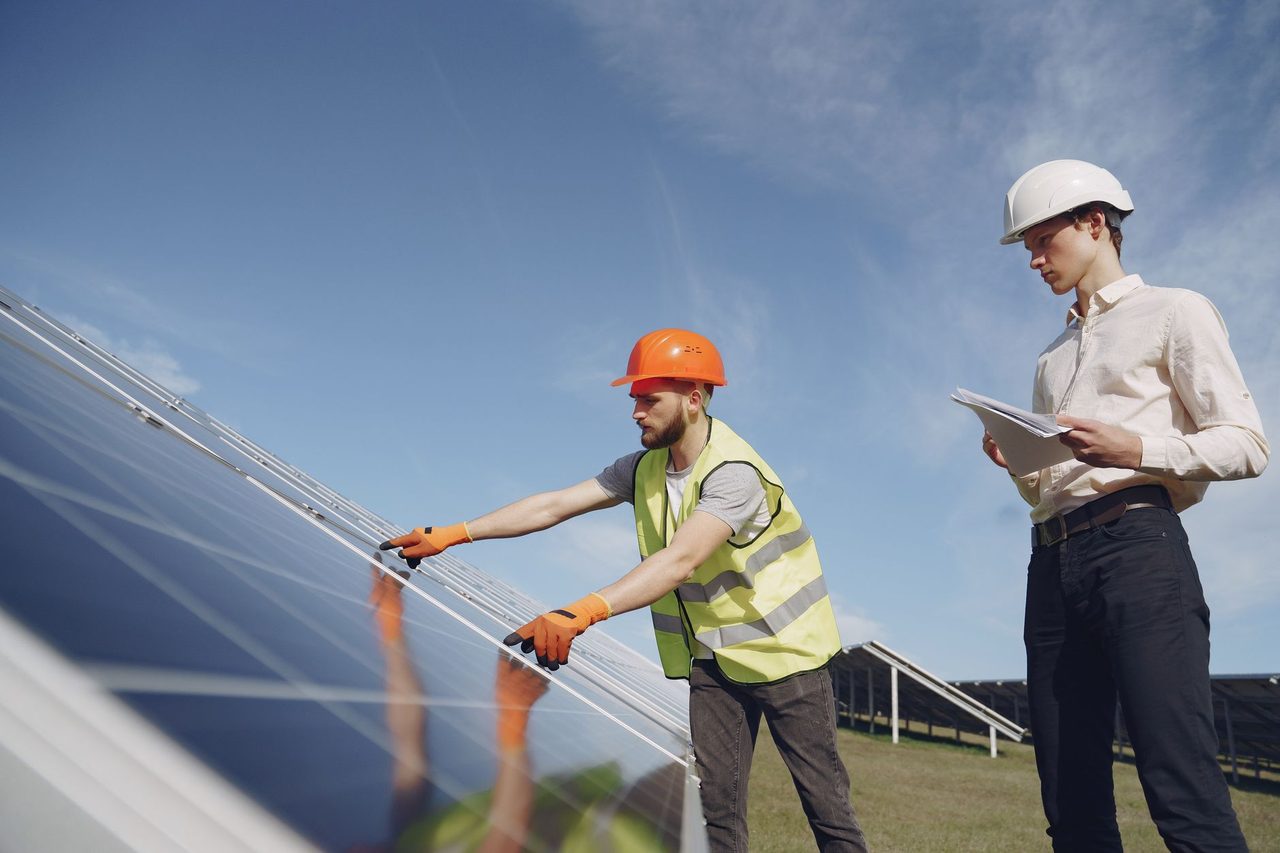
Photo: Gustavo Fring on Pexels
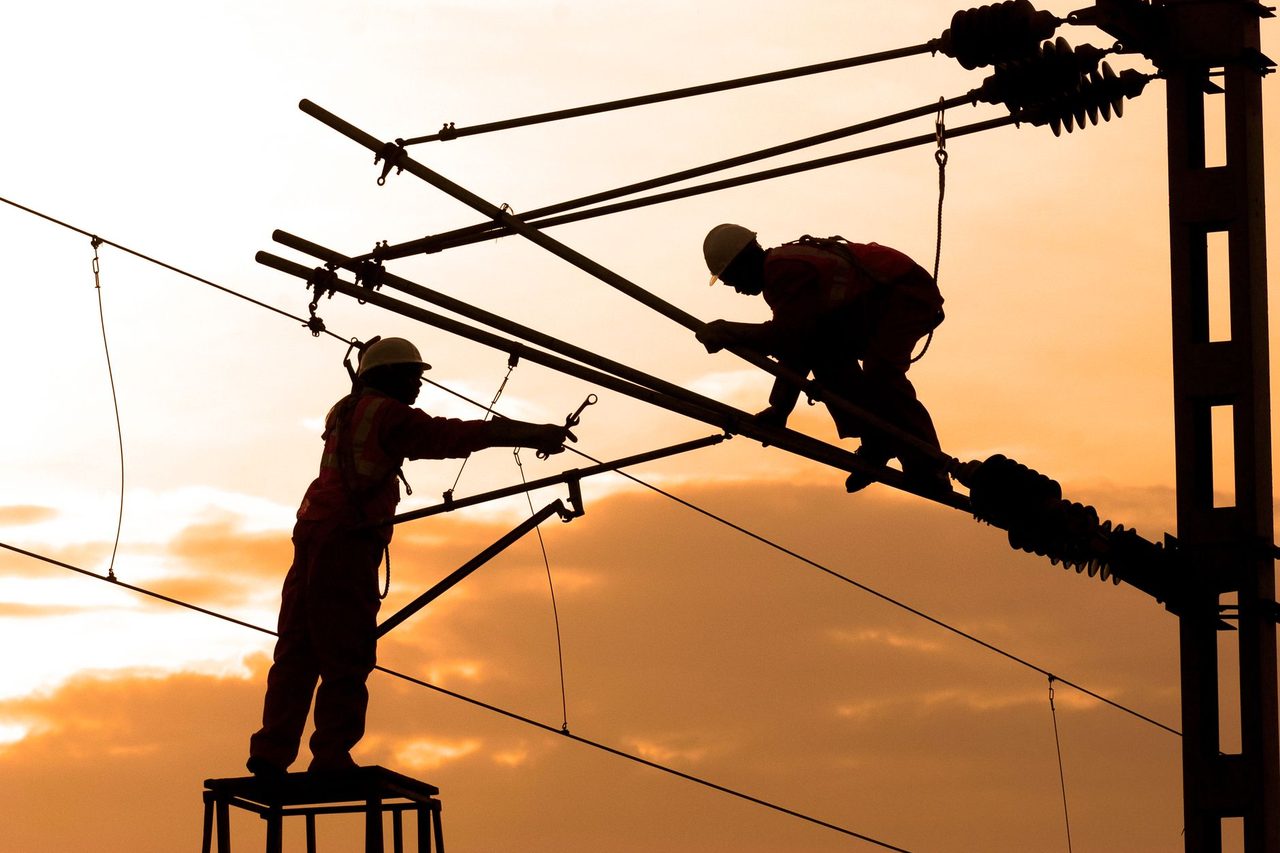
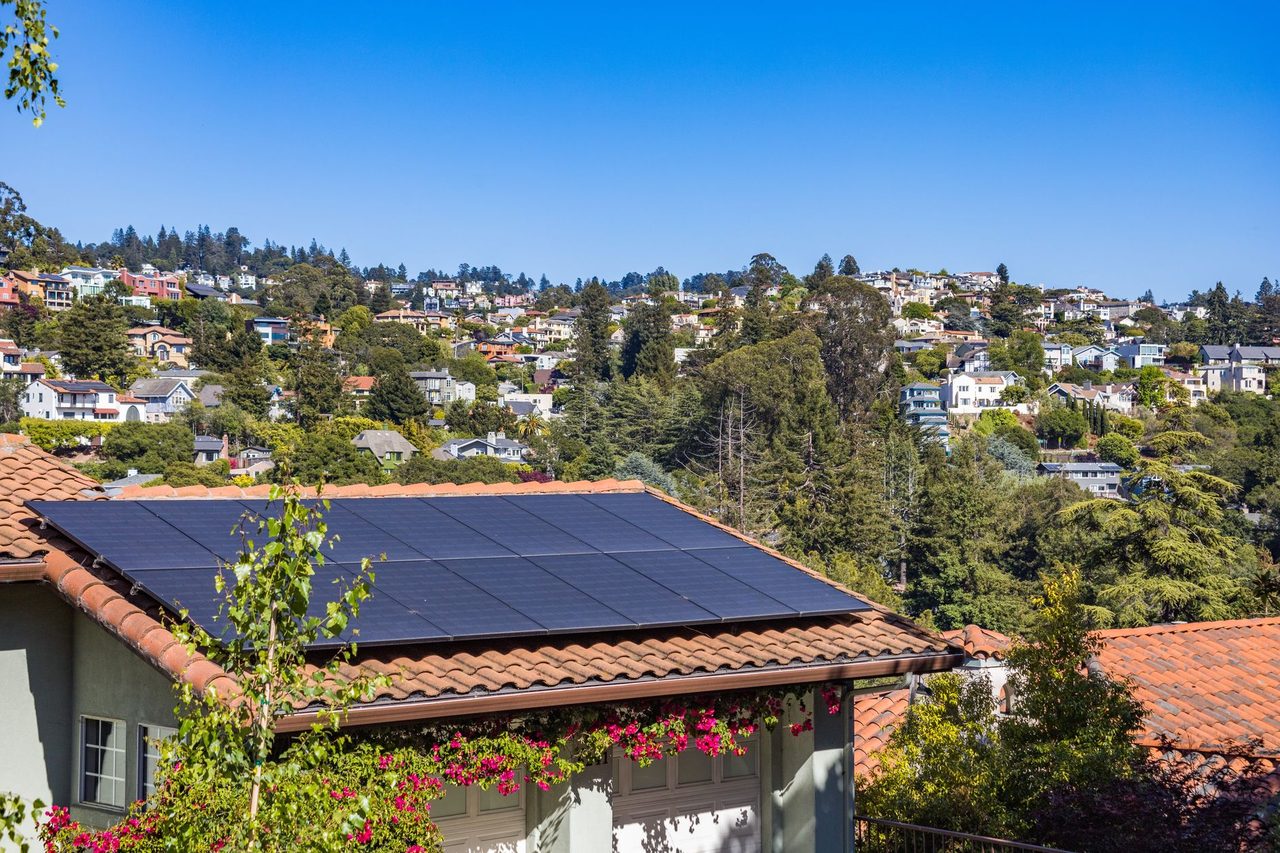
India’s distribution grid is entering a new operating reality. Rooftop solar is rising across commercial and industrial consumers, behind-the-meter battery energy storage is becoming financeable in high-tariff states, open-access renewable procurement is changing load shapes, and EV charging is adding new evening peaks at both low-voltage and medium-voltage levels. For DISCOMs, this means the old model of one-way power flow and static planning assumptions is no longer enough.
In 2026, distributed energy resource management systems, or DERMS, are moving from pilot discussions to practical deployment planning. For Indian utilities, DERMS is not just another software layer. It is an operational platform that gives visibility, forecasting, dispatch logic and control over distributed resources such as rooftop solar, batteries, EV charging, demand response assets and controllable loads. When implemented correctly, DERMS can reduce curtailment, defer network reinforcement, improve power quality and create a more bankable environment for distributed renewable investments.
This article focuses on the Indian utility use case for DERMS in 2026, especially for DISCOMs dealing with rooftop PV concentration, feeder-level congestion, voltage excursions, reverse power flow, transformer overloading and rising demand variability. It also explains why DERMS matters to C&I consumers, developers, lenders and policymakers.
Why DERMS is becoming relevant for Indian DISCOMs now
Three developments are converging.
First, distributed renewable penetration is no longer trivial in many urban and semi-urban feeders. In states such as Gujarat, महाराष्ट्र, Karnataka, Telangana, Tamil Nadu, Rajasthan and Delhi, feeders serving industrial estates, commercial clusters, group housing societies and institutional campuses are seeing higher daytime solar injection and lower net daytime demand. In some locations, transformer loading now has a duck-curve pattern: lower daytime demand due to solar self-consumption, followed by a steep evening ramp.
Second, the economics of storage and flexible loads are improving. Commercial consumers paying blended tariffs of around Rs 7-11 per kWh, with demand charges layered on top, are actively evaluating behind-the-meter BESS for peak shaving, backup support and time-shifting. EV fleets, bus depots, logistics parks and workplace charging are introducing concentrated charging blocks that can materially alter feeder peaks.
Third, utility digitalisation has advanced enough for DERMS to become technically feasible. Under RDSS and related modernisation programmes, DISCOMs have expanded AMI, DT metering, feeder metering, substation automation, GIS and SCADA footprints. That digital backbone does not automatically create DER orchestration, but it does create the data environment needed for it.
A DERMS layer becomes valuable when a DISCOM needs to answer operational questions such as:
- Which feeders are experiencing reverse power flow due to rooftop solar exports?
- Where are voltage violations recurring during low-load, high-solar periods?
- Which distributed batteries or controllable loads can be used to relieve local congestion?
- How much DER hosting capacity remains on a feeder, DT or substation section?
- Can selective DER dispatch avoid capex on conductors, capacitors or transformer augmentation?
- How should utilities coordinate solar, BESS, EV charging and demand response during outage restoration or constrained grid conditions?
What DERMS does in practice
A DERMS platform sits between field data, network models and controllable distributed assets. It ingests data from AMI, SCADA, feeder and DT meters, GIS, outage systems, weather feeds, inverter telemetry, charging management systems and, where available, substation automation systems. It then uses that data for monitoring, forecasting, optimisation and control.
For Indian DISCOMs, the most practical DERMS functions in 2026 are likely to be:
- Distributed solar visibility at feeder and DT level
- Day-ahead and intraday net-load forecasting
- Voltage and reactive power optimisation using smart inverters and capacitor coordination
- Reverse power flow detection and feeder hosting-capacity assessment
- Battery dispatch for peak management, ramp smoothing and local congestion relief
- Managed EV charging for public, fleet and depot loads
- Demand response dispatch for large C&I consumers
- Curtailment logic during abnormal network conditions
- Event analysis for planning and asset reinforcement prioritisation
This is where DER management systems becomes more than a buzzword. Without a control and optimisation layer, distributed assets remain isolated customer-side investments. With DERMS, they can become grid-support resources.
The Indian business case: where the ROI actually comes from
Indian utilities will not adopt DERMS only because it sounds modern. The case must be grounded in reliability, capex deferral, technical-loss reduction and better use of existing infrastructure.
The first ROI bucket is avoided or deferred network augmentation. Consider a 11 kV urban feeder facing evening peak stress due to EV charging and commercial load recovery after solar generation falls. If DERMS can dispatch 3-5 MWh of aggregated BESS, stagger depot charging, and trigger demand response at a few large consumers, the feeder peak may be shaved enough to defer transformer augmentation or conductor strengthening by 12-24 months. On stressed urban feeders, even modest peak reduction can save crores in near-term capex.
The second ROI bucket is reduced renewable curtailment and better asset utilisation. In areas with high rooftop solar density, a utility may otherwise cap interconnections or curtail exports because of voltage rise or reverse power concerns. DERMS can coordinate smart inverter settings, local storage charging and flexible demand activation to absorb some of that excess generation. That allows more DER hosting capacity from the same network.
The third bucket is improved power quality and reliability. Voltage excursions and local overloads can degrade equipment life and increase customer complaints. If a DERMS-supported operating model reduces overvoltage events, manages reactive power more effectively and supports faster service restoration sequencing, utilities gain both operational and regulatory value.
The fourth bucket is better planning precision. Many DISCOMs still rely on conservative reinforcement planning because they lack high-resolution visibility into DER behaviour. DERMS analytics, especially when linked with SCADA / ADMS integration, can help distinguish where physical upgrades are unavoidable and where software-led flexibility is enough. That matters for both capex efficiency and lender confidence.
A practical Indian ROI assessment should include:
- Avoided transformer augmentation costs
- Deferred feeder reconductoring or capacitor investments
- Reduced outage minutes for affected consumers
- Reduced voltage complaint rates
- Increased approved DER interconnection capacity
- Lower technical losses from improved voltage and reactive power control
- Better utilisation of utility-owned or contracted BESS assets
DERMS and RDSS: complementary, not overlapping
Some utility teams assume AMI, SCADA or ADMS already covers the DER challenge. In most cases, that is incomplete.
AMI gives interval consumption and event data, but usually not real-time controllability of distributed resources. SCADA gives operational visibility at substations and selected field points, but not necessarily DER device orchestration at scale. ADMS improves outage, switching and network operations, but many deployments were not designed to handle thousands of controllable customer-side assets. DERMS complements these systems by managing the distributed edge of the network.
Under RDSS, utilities have invested heavily in foundational digital infrastructure. The next step for high-DER territories is to connect these investments into a coordinated operating model. A DERMS deployment in India will usually need integration with:
- AMI / smart metering systems for interval load and export patterns
- GIS and network models for feeder topology and asset mapping
- SCADA for substation and feeder operating states
- OMS or ADMS for outage and switching context
- Inverter and BESS telemetry platforms
- EV charging management systems
- Billing and consumer systems for program participation and settlement
This is why Vendor-neutral specifications matter. Indian utilities often face multi-vendor environments, fragmented telemetry protocols and uneven data quality. A locked-in architecture can quickly become expensive and hard to scale.
Key deployment challenges in India
The technology is useful, but implementation discipline is critical.
The first challenge is data granularity and quality. Many feeder and DT meters still have data gaps, latency issues or poor time synchronisation. Rooftop solar telemetry is inconsistent across installers and inverter OEMs. If data is delayed or unreliable, DERMS decisions become conservative or ineffective.
The second challenge is control rights. A DISCOM cannot assume direct dispatch authority over every behind-the-meter resource. Program design, contracts, technical standards and compensation mechanisms must be clear. For C&I consumers, participation will depend on whether flexibility payments or tariff savings are bankable.
The third challenge is interoperability. India’s distributed asset base is heterogeneous. Inverters, BESS controllers, EV chargers and building energy systems often use different communication stacks. Utilities planning DERMS should insist on open standards, robust APIs and staged FAT to SAT protocols before scale-up.
The fourth challenge is regulatory alignment. State regulations differ on net metering, gross metering, banking, open access, DSM structures and storage treatment. A DERMS business model in Maharashtra may not map directly to Tamil Nadu or Rajasthan. Utilities and policymakers need state-specific flexibility frameworks.
The fifth challenge is cyber-physical operational readiness. Once utilities start controlling distributed assets, governance, event logging, fallback logic and command hierarchy become essential. This is particularly important when DERMS is integrated with substation or feeder automation environments.
Use cases with the strongest 2026 fit
Not every DISCOM needs a full-scale DERMS rollout immediately. The strongest near-term fit is in pockets where DER concentration and operational stress are already visible.
Promising Indian use cases include:
- Urban feeders with high rooftop solar export and voltage rise events
- Industrial clusters where daytime solar depresses load and evening ramps are sharp
- EV bus depots and logistics hubs connected on constrained feeders
- Campuses, SEZs and commercial districts adopting solar plus storage
- Distribution circles planning utility-scale or community BESS near load centres
- Cities targeting resilience for critical loads such as hospitals, data centres and metro-linked systems
A useful starting model is feeder-cluster deployment rather than utility-wide rollout. Select 10-20 feeders with measurable DER stress, integrate available data sources, test dispatch logic, quantify avoided capex and then expand.
What C&I consumers, developers and lenders should watch
For C&I consumers, DERMS can eventually improve interconnection certainty for rooftop solar, storage and EV charging projects. If a DISCOM has visibility and flexibility tools, it is more likely to approve higher hosting levels instead of blanket restrictions. It may also create opportunities for flexibility revenues or better tariff optimisation.
For developers, DERMS-enabled territories can support more sophisticated project structures, including solar-plus-storage, managed EV charging and flexible demand contracts. Projects become easier to finance when curtailment rules, telemetry requirements and operating envelopes are defined upfront.
For lenders, DERMS reduces one of the persistent risks in distributed energy: grid integration uncertainty. Better visibility into feeder constraints, dispatch logic and network conditions improves revenue modelling, especially for BESS and flexible-load projects.
For policymakers, the implication is clear. Distributed energy growth now requires distribution-side digital orchestration, not just generation-side targets. India’s next stage of power-sector modernisation will depend on whether DISCOMs can move from passive accommodation to active management of edge resources.
How Indian utilities should approach DERMS procurement
The right approach is not to buy a generic platform and hope integration follows. Utilities should begin with operational problems, feeder selection and measurable KPIs.
A sound procurement and implementation roadmap should include:
- Feeder and DT screening for high-DER stress conditions
- Data-readiness assessment across AMI, GIS, SCADA and DER telemetry
- State-specific regulatory review for dispatch rights and settlement pathways
- Clear use-case hierarchy: voltage control, peak shaving, hosting capacity, EV management, or BESS dispatch
- Integration architecture with SCADA / ADMS integration and outage systems
- Open protocol and API requirements, with strong cybersecurity and audit trails
- Simulation and pilot validation before live dispatch
- Defined KPI baselines on voltage, loading, curtailment, complaints and capex deferral
Utilities modernising substations and feeders should also evaluate the interface between DERMS and IEC 61850 substation automation, especially where feeder control, local intelligence and protection coordination interact with distributed asset dispatch.
In short, DERMS is not a futuristic luxury for India’s power distribution sector. In 2026, it is becoming a practical operating requirement in high-DER, high-variability parts of the grid. The question is no longer whether distributed resources will alter distribution-system operations. They already are. The question is whether DISCOMs will manage them actively enough to protect reliability, reduce unnecessary capex and unlock more renewable integration.
For utilities, developers, lenders and large energy consumers, the winners will be those who treat DER orchestration as an infrastructure capability rather than an experimental software add-on.
If your organisation is evaluating distributed solar, storage, EV load integration or utility digitalisation strategy, contact Growthifye’s advisory desk for practical support on DERMS architecture, grid-readiness assessment and implementation planning.
Explore Growthifye's related capabilities
This analysis connects directly to our advisory practice: IEC 61850 substation automation · FLISR & self-healing networks · DER management systems · SCADA / ADMS integration.
About the author

Chief Executive Officer, Growthifye — With over 23 years in management consulting, Sudarshan has taken businesses from concept to scale — building and scaling new-age digital and energy businesses.
- 23+ years in management consulting
- EY alumnus
- Led large-scale BESS programmes, capital raises and advisory mandates
Want this analysis applied to your project?
Talk to our team