
Battery Black Mass Recycling in India 2026: Yields, Contracts and Bankability
By Sudarshan Karweer · sudarshan@growthifye.com · +91 84510 99371 (Call / WhatsApp) · 2026-09-07
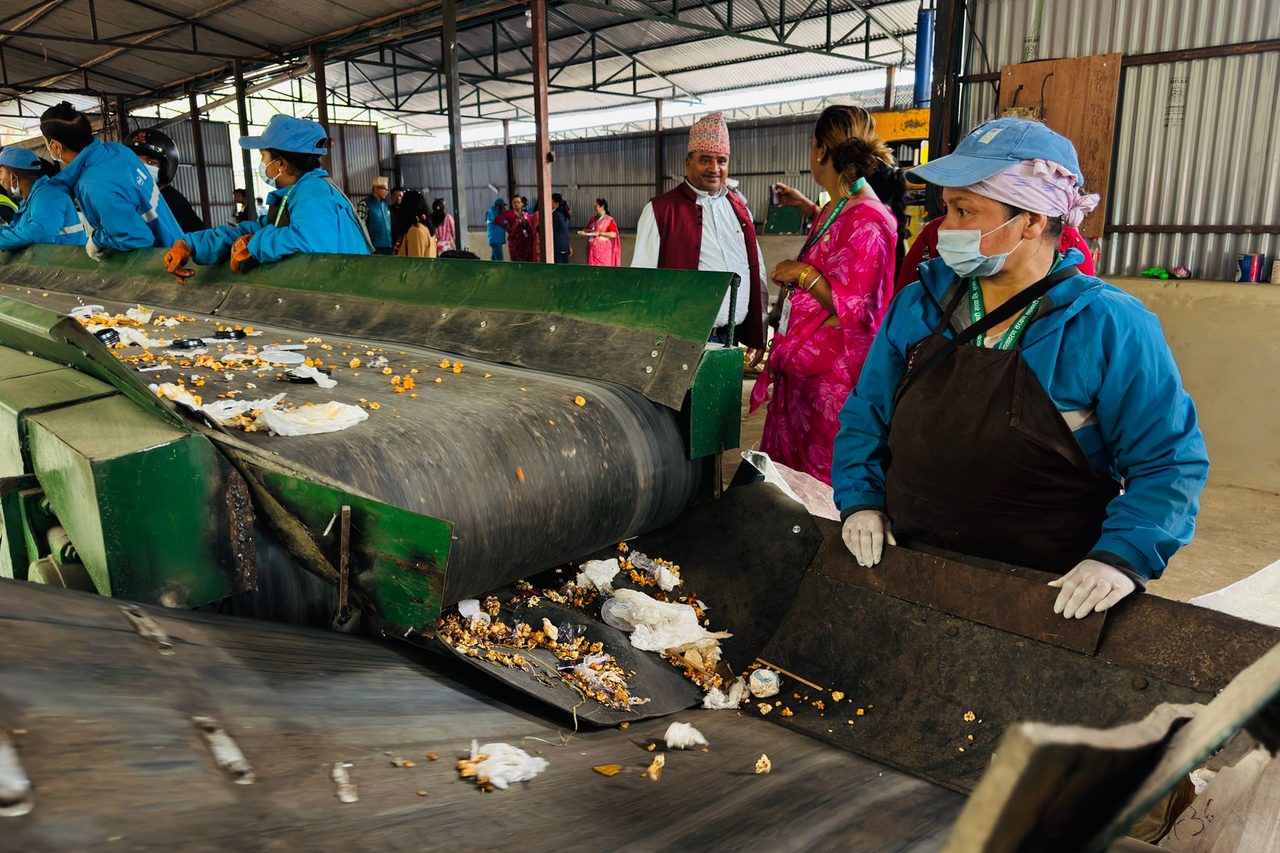
India’s battery circularity market in 2026 is no longer defined only by collection targets and EPR filings. The harder commercial question is what happens after batteries are discharged, dismantled and mechanically processed. The answer increasingly sits in black mass recycling economics.
For Indian recyclers, cell manufacturers, EV OEMs, C&I energy users and lenders, black mass is where circularity becomes an industrial cash-flow story. Recovery yields, impurity levels, assay protocols, minimum lot sizes, metal payables and environmental compliance now decide whether battery recycling projects remain grant-seeking pilots or become financeable infrastructure.
This article looks at battery black mass recycling in India in 2026 from a practitioner lens: input mix, process routes, yield benchmarks, contract design, pricing formulas, regulatory touchpoints and lender concerns. It also explains why developers and OEMs should treat black mass strategy as a supply-chain and risk-management decision, not merely a waste-disposal exercise.
Why black mass matters in India’s 2026 battery recycling market
Black mass is the concentrated intermediate produced after battery dismantling and pre-processing, containing varying proportions of lithium, nickel, cobalt, manganese, graphite and other materials depending on chemistry and process quality. In India, it has become commercially important for three reasons.
First, battery volumes are rising quickly. EV sales, telecom backup replacement cycles, consumer electronics turnover and early stationary storage repowering are increasing the feedstock pool. While India still has a young EV fleet and much material will only mature into waste at scale after 2028, scrap from manufacturing, warranty returns, damaged packs and imported intermediates is already sufficient to support commercial facilities in 2026.
Second, the market is shifting from basic dismantling to material recovery. Mechanical shredding and safe discharge are no longer enough. Recyclers are being asked by OEMs and cell makers about lithium recovery, nickel-cobalt payables, residue management and traceable downstream refining.
Third, black mass provides a bridge between waste management and critical minerals strategy. India’s battery manufacturing ambition under ACC-linked industrial policy needs secondary raw materials. Domestic recovery will not replace primary mining, but it can reduce import exposure, shorten supply chains and support ESG-linked procurement requirements.
For this reason, companies offering Module & battery recycling and EPR compliance services are seeing clients ask not just “How do we comply?” but “What is the value share between collector, processor, recycler and refiner?” That is a more sophisticated conversation, and it is where project economics are won or lost.
Feedstock realities: chemistry mix, purity and scale constraints
A common mistake in financial models is assuming a uniform battery waste stream. India’s 2026 feedstock is heterogeneous, and each category changes recovery economics.
- LFP batteries from e-2W, e-3W and some stationary applications offer lower cobalt and nickel value but can still support viable recycling where lithium recovery rates are strong and logistics are efficient.
- NMC batteries from premium EVs and certain imported systems typically command better black mass value because of nickel and cobalt content.
- Manufacturing scrap often gives the best near-term economics because it is cleaner, more predictable and cheaper to process than mixed end-of-life packs.
- Consumer electronics batteries generate high handling intensity per tonne, often with better metal content but more fragmented collection.
- Damaged batteries and fire-impacted packs require stricter safety protocols, adding cost at every stage.
In practice, Indian recyclers in 2026 are seeing pre-processing gate economics vary sharply by chemistry and contamination level. Collection and inward logistics can range from Rs 8 per kg to Rs 35 per kg depending on distance, packaging, hazard class and lot size. Safe discharge, dismantling and mechanical processing may add another Rs 20 per kg to Rs 60 per kg. Smaller plants with weak automation often sit at the upper end.
Purity matters as much as tonnage. A black mass lot with inconsistent moisture, copper, aluminium or plastic contamination can suffer significant pricing discounts. In some cases, a 3 to 7 percentage point drop in payable metal value occurs simply because the downstream buyer applies conservative assay adjustments and impurity penalties.
This is why Reverse logistics and End-of-life fleet audits are becoming more important in India. The recycler that knows where batteries are located, in what chemistry mix, under what warranty and with what packaging condition will outperform a player merely chasing tonnage.
Process routes and yield benchmarks recyclers should model carefully
India’s 2026 market uses a mix of mechanical pre-processing, pyrometallurgical steps and hydrometallurgical refining partnerships. The process route depends on battery chemistry, plant scale, capex availability, environmental permitting and desired output.
A practical way to think about the value chain is in three stages:
- Stage 1: discharge, dismantling, sorting and safe handling
- Stage 2: shredding and separation into black mass, ferrous, copper, aluminium and plastics fractions
- Stage 3: hydromet or other refining to recover battery-grade or near-battery-grade materials
Mechanical recovery alone can generate revenue, but the margin pool is typically limited unless black mass quality is high and there is a reliable offtake route. Hydromet improves value capture but also increases capex, reagent costs, water treatment requirements and process risk.
In lender reviews, the most useful benchmarks are not headline “up to” recovery claims. They are chemistry-specific realized yields under stable operations. For 2026 India discussions, prudent underwriting often uses ranges such as:
- Copper and aluminium physical recovery from pre-processing: 70% to 90% depending on line design and contamination
- Black mass generation from suitable Li-ion input: roughly 25% to 40% by weight, varying significantly by cell format and chemistry
- Nickel and cobalt hydromet recovery from NMC-rich black mass: 85% to 95% in well-controlled operations
- Lithium recovery: often modeled more conservatively at 70% to 90%, depending on route and output specification
Recyclers should resist using lab-scale best-case numbers in investor decks. Commercial operations face downtime, batch variability, reagent optimization issues and residue-management constraints. Even a 5% shortfall in lithium recovery can materially alter DSCR if the project is counting on premium payables from downstream buyers.
Utilities and C&I buyers also need to understand this distinction when selecting recycling partners for storage assets. A vendor promising “95% recycling efficiency” may be referring to total mass diversion, not economic recovery of target battery metals.
Commercial models: tolling, purchase and metal-linked offtake
India’s black mass market in 2026 broadly operates through three commercial structures, each with different balance-sheet and working-capital implications.
The first is a processing-fee model. Here, the recycler charges the battery owner or producer a fee for compliant handling, dismantling and recovery. This model aligns well with EPR-driven waste management but may leave upside from metal value with the brand owner or a downstream refiner. It reduces commodity exposure for the recycler but can limit returns.
The second is an outright purchase model. The recycler buys spent batteries, scrap or black mass, then monetizes output through resale or refining. This structure offers more margin upside but creates inventory risk, assay risk and metal price exposure. For undercapitalized recyclers, it can become a working-capital trap.
The third is a revenue-share or metal-payable structure linked to assay results. This is increasingly relevant where OEMs want transparency and recyclers want value participation. Typical clauses in 2026 include:
- Reference pricing linked to LME or other agreed metal benchmarks where applicable
- Payable percentages by metal, often after refining charges and treatment costs
- Moisture and impurity deduction formulas
- Settlement true-up after umpire assay
- Minimum guaranteed recovery or floor payment for specified feedstock classes
- Clear title transfer and hazardous material liability allocation
A strong contract in this segment needs more than pricing language. It must specify sampling protocols, batch segregation, dispute resolution on assays, transit insurance, environmental indemnities and residue ownership. Many Indian disputes in 2025 and early 2026 came from poor documentation around mixed lots and inconsistent assay methods.
For lenders, the best offtake contracts are those with credible buyers, transparent price formulas and limits on open-ended performance liabilities. If a recycler is guaranteeing unrealistic recovery without process history, that is not comfort; it is a red flag.
Policy and compliance in India: what matters in 2026
The regulatory backdrop is tightening. Battery Waste Management Rules, 2022 remain the core framework, but enforcement quality and digital traceability expectations have improved in 2026. Producers are under pressure to show genuine recycling outcomes, not just paper compliance.
For black mass projects, the key compliance themes are:
- Authorization under applicable hazardous waste and pollution-control regimes
- Traceability of incoming battery waste by source, chemistry and quantity
- Worker safety and fire-risk management, particularly during storage and discharge
- Effluent treatment, air emissions and residue disposal for hydro processes
- Documentation needed for EPR evidence, recycler registration and downstream transfer records
State-level implementation still varies, and that matters for site selection. A plant in one state may face longer consent timelines, stricter water-use conditions or more difficult hazardous-residue disposal arrangements than a comparable facility elsewhere. Project developers should not assume a uniform national permitting environment.
There is also a policy-bankability link. If a project depends heavily on imported black mass or cross-border movement of intermediate material, customs treatment, Basel-related interpretations and documentation quality can influence cash cycles and operational continuity. A financing plan should include regulatory sensitivity analysis, not just throughput assumptions.
What makes a black mass recycling project bankable
Bankability in 2026 is less about whether battery recycling is “promising” and more about whether the project can survive variability. Lenders and serious equity investors are focusing on six questions.
First, is feedstock contracted or merely forecast? A 5,000 TPA line with only non-binding collection MOUs should not be underwritten the same way as a project with anchored scrap supply from OEMs, assemblers or large fleet operators.
Second, what share of feedstock is manufacturing scrap versus mixed end-of-life batteries? Scrap-heavy models usually show smoother start-up performance and lower safety risk.
Third, are recovery assumptions independently validated? Investors increasingly want pilot history, third-party process review and month-wise ramp-up curves, not annual average claims.
Fourth, how much commodity price risk sits in the project? Nickel, cobalt and lithium prices have all shown volatility over recent cycles. Conservative models in India often apply downside cases of 15% to 25% on realized metal values.
Fifth, what is the working-capital structure? Black mass businesses can look EBITDA-positive yet fail because of slow assay settlement, inventory lock-up and long receivable cycles.
Sixth, can the sponsor manage compliance and safety? Fire events, improper storage and residue breaches can shut a facility faster than weak metal pricing.
As a practical financing framework, many investors now prefer modular expansion. Rather than funding a large integrated line upfront, they support a phased model: secure pre-processing volumes, stabilize black mass quality, lock downstream refining offtake, then invest in hydromet capacity. That sequencing improves technical confidence and lowers execution risk.
Strategic implications for OEMs, developers and C&I asset owners
For EV OEMs, battery manufacturers and storage developers, the cheapest recycling option on paper may not be the lowest-risk option over the asset life. Poor chain-of-custody, weak assay governance or uncertain downstream recovery can create compliance exposure and reputational risk.
For C&I energy users and developers planning storage rollouts, circularity should be built into procurement from day one. End-of-life clauses, packaging standards, data-sharing rights and approved recycler pathways should sit alongside performance warranty terms. This is especially relevant for fleets expected to retire after 6 to 10 years, when waste volumes become meaningful.
For policymakers and utilities, the priority should be to improve formal-sector economics without weakening environmental discipline. Better enforcement against informal handling, clearer digital traceability and support for testing and assay infrastructure would reduce value leakage. India does not need only more collection; it needs more trusted recovery outcomes.
Growth in this segment will likely come from players that combine EPR compliance with operational control over logistics, sorting and downstream contracts. In other words, winners will not be pure waste handlers or pure commodity traders. They will be integrated circularity operators with robust data and execution discipline.
India’s battery circularity market is entering a more technical phase. Black mass recycling is where engineering quality, commercial structure and environmental compliance meet. The firms that can control contamination, prove yields, negotiate metal-linked contracts and satisfy lenders will define the next stage of scale.
If your organisation is evaluating battery recycling strategy, recycler selection, offtake structures or lender-ready circularity models, contact Growthifye’s advisory desk. Our team supports End-of-life fleet audits, Module & battery recycling and Circularity reporting with a practical, project-finance-oriented approach.
Explore Growthifye's related capabilities
This analysis connects directly to our advisory practice: End-of-life fleet audits · Second-life battery applications · Module & battery recycling · EPR compliance.
About the author

Chief Executive Officer, Growthifye — With over 23 years in management consulting, Sudarshan has taken businesses from concept to scale — building and scaling new-age digital and energy businesses.
- 23+ years in management consulting
- EY alumnus
- Led large-scale BESS programmes, capital raises and advisory mandates
Want this analysis applied to your project?
Talk to our team

