India 2026 NGO Energy Access: Solar Mini-Grids, CSR Funding and MRV
By Sudarshan Karweer · sudarshan@growthifye.com · +91 84510 99371 (Call / WhatsApp) · 2026-09-15
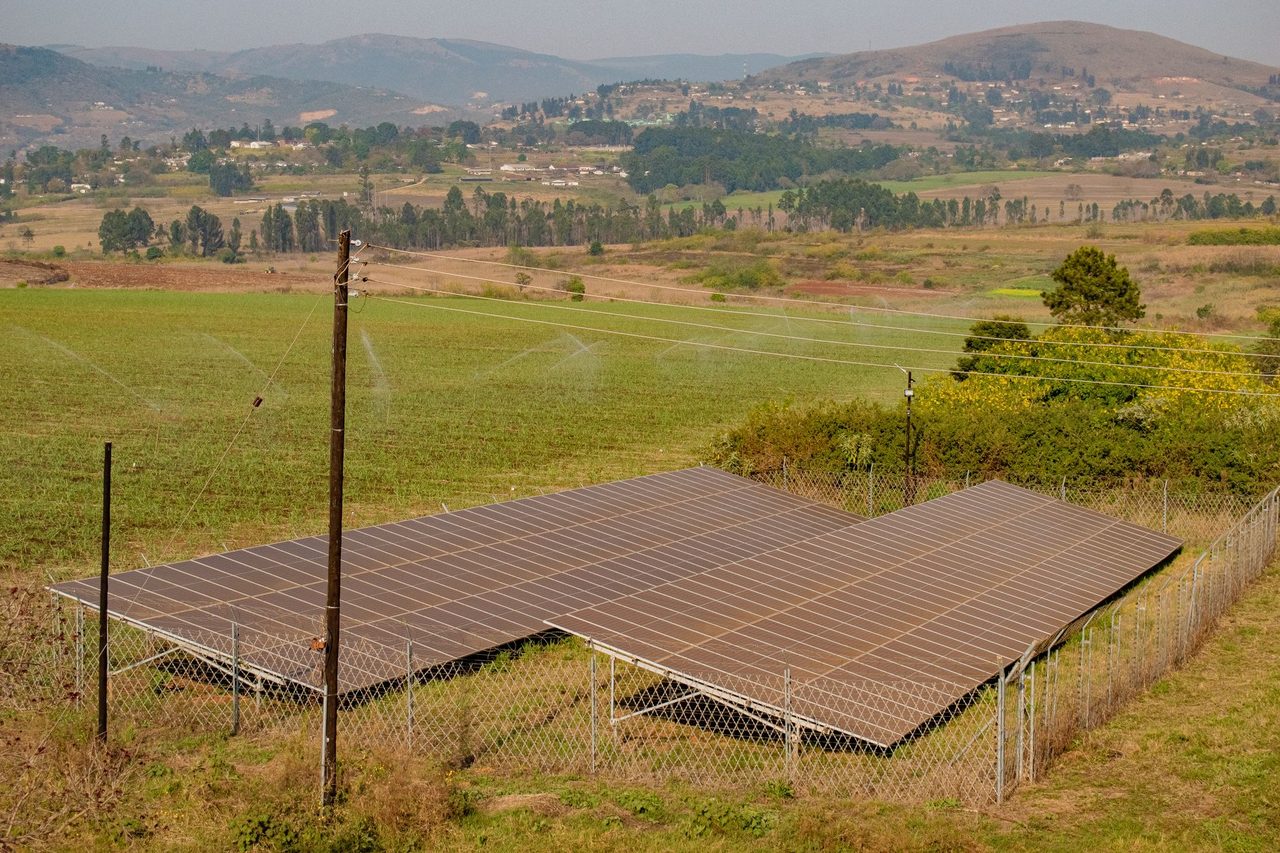
Photo: Khaya Motsa on Pexels
India’s last-mile energy access challenge has shifted. In 2026, the issue is no longer only village electrification on paper; it is reliable, affordable and productive electricity for hamlets, tribal habitations, forest-fringe settlements, islands, desert communities and weak-grid rural pockets where supply remains erratic, low-voltage or commercially unviable for conventional network strengthening. For NGOs, CSR donors, developers and public agencies, solar mini-grids are again a practical tool, but only when project design is grounded in real load profiles, local institutions, payment discipline and robust impact tracking.
This article looks at how NGO-led or NGO-facilitated solar mini-grids can work in India in 2026, where they fit relative to standalone systems and grid extension, how CSR funding can be structured without distorting long-term sustainability, and what lenders, utilities and policymakers should expect on tariffs, governance and MRV.
Why solar mini-grids matter again in 2026
India has made major progress under Saubhagya and state electrification programs, yet quality of supply remains uneven across several districts in Jharkhand, Odisha, Chhattisgarh, Assam, parts of the North East, Rajasthan’s remote settlements, Himalayan geographies and island territories. In these locations, households may be officially connected but still experience:
- 6-12 hours of poor-quality supply in some seasons
- voltage drops that damage fans, TVs, routers and micro-enterprise equipment
- outages during evenings when lighting and mobile charging demand peak
- high diesel dependence for shops, telecom support loads, clinics and community services
- no reliable power for productive daytime use
Solar mini-grids are relevant where there is a concentrated cluster load that is too large for individual solar home systems but too dispersed or uneconomic for immediate high-quality network augmentation. In practice, that often means 40-250 households plus community loads and 10-40 livelihood or commercial consumers.
Typical 2026 mini-grid configurations in NGO energy access programs range from 10 kW to 150 kW. Most systems combine:
- solar PV generation
- lithium battery storage, often 2-6 hours usable backup depending on service promise
- LT distribution network within the habitation
- smart prepaid or remote meter infrastructure
- anchor or institutional loads where available
Indicative all-in capex in 2026 varies by size, terrain, civil works and storage ratio, but market experience broadly places community mini-grids around:
- Rs 1.0 crore to Rs 1.4 crore for 25-40 kW systems in difficult terrain with batteries and local distribution
- Rs 1.5 crore to Rs 2.8 crore for 50-100 kW systems depending on battery autonomy, wiring density and transport costs
- Rs 3.0 crore and above for larger productive-use oriented systems with three-phase loads and higher resilience requirements
These numbers matter because too many NGO proposals still underestimate distribution, logistics, metering, security, inverter redundancy and O&M reserves.
Where mini-grids fit better than standalone solar or pure grid extension
Not every rural energy access challenge needs a mini-grid. NGOs and CSR teams should first apply a use-case screen.
A mini-grid is often the right option when:
- settlement density supports a shared distribution network
- there is a mix of domestic, commercial and institutional demand
- local enterprises need AC power above what entry-level standalone systems can provide
- mobile charging, refrigeration, sewing, milling, digital services or irrigation support loads can improve load factor
- diesel is currently used and can be displaced at an avoided cost of Rs 18-30 per kWh equivalent
- the central grid exists but is operationally unreliable and community willingness to pay for better service is proven
A mini-grid is usually a weaker option when:
- households are highly scattered across long distances
- there is no realistic paying productive load
- local governance is weak and collection risk is extreme
- state utility supply is likely to become reliable in the near term without room for parallel service arrangements
- project economics depend entirely on free power after year one
For policymakers and utilities, the key question is not whether mini-grids compete with the grid, but whether they can reduce service deficits at lower social cost in hard geographies. In many cases, they should be treated as distributed service assets that complement network planning rather than as temporary charity infrastructure.
A 2026 project design model that actually works
The strongest NGO-led mini-grid projects in India now begin with demand segmentation rather than generation sizing. A practical framework includes four demand buckets:
- lifeline household loads: lighting, phone charging, fan, TV
- community service loads: school, anganwadi, clinic, panchayat building, drinking water pumping
- micro-enterprise loads: tailoring, shops, flour mills, rice hullers, digital centres, food processing
- anchor loads: telecom support, cold room, dairy chilling point, hostel, religious complex, market cluster
A healthy village mini-grid in 2026 should target a daytime load factor above what old lighting-only systems delivered. That means designing productive use from the beginning. Without daytime commercial demand, batteries get oversized and tariffs become politically difficult.
Illustrative demand case for a 60 kW mini-grid:
- 120 households with average contracted demand of 150-250 W each for evening supply tiers
- 15 shops and service businesses with 0.3-1.0 kW each
- 5 productive users with 2-5 kW each
- 1 school and 1 health sub-centre with a combined 3-6 kW daytime load
- optional water pumping or community processing load to absorb solar generation
This can create annual delivered energy in the range of 85,000 to 130,000 kWh depending on operating strategy, state of grid interconnection and battery sizing.
Tariff design needs equal attention. In 2026, NGO and CSR-backed mini-grids generally work best with tiered service rather than a flat per-household model. Depending on state context and competing diesel or inverter costs, practical tariff structures may include:
- household lifeline package: Rs 150-250 per month
- higher household tier with fan and TV support: Rs 250-450 per month
- commercial and micro-enterprise energy charge: Rs 12-22 per kWh equivalent
- productive three-phase or daytime use tariff where applicable: Rs 8-14 per kWh
- connection fee or refundable security deposit to reduce churn
These numbers must be tested against willingness-to-pay surveys and actual alternatives. In diesel-heavy local economies, reliable solar mini-grid power can still be cheaper than self-generation. But for low-income households with poor cash flow, prepaid weekly or monthly collection remains critical.
How CSR funding should be structured without breaking the business model
A recurring failure mode in energy access programs is capex-heavy philanthropy with no durable O&M architecture. CSR can make mini-grids viable, but only if its role is tightly defined.
The most effective 2026 structures generally use CSR for one or more of the following:
- viability gap support for high-cost remote sites
- first-loss reserve for early revenue volatility
- community infrastructure and institutional connections
- appliance financing for productive users and low-income households
- customer acquisition, awareness and local capacity building
- digital systems for remote monitoring and Impact measurement & MRV
CSR should generally not force zero tariffs unless the project is a pure public-service asset with a committed government or institutional operator. Free-power models weaken maintenance discipline, inflate demand expectations and make battery replacement impossible.
A workable blended structure for an NGO-facilitated 50 kW project could look like this:
- 35-50% CSR grant toward distribution network, institutional loads and viability gap
- 25-40% developer or social enterprise equity and quasi-equity
- 20-35% concessional debt, impact-linked debt or state-linked support where available
- local consumer contribution through connection charges, appliance purchase or community corpus
For larger portfolios, NGOs can aggregate multiple villages into a programmatic pipeline rather than fundraising project by project. This is where Growthifye capabilities such as Program design & theory of change and CSR funding pipelines become important. Corporate CSR teams increasingly want district-level or thematic portfolios with standardized KPIs, implementation milestones and audit-ready fund utilization rather than isolated demonstration projects.
Policy and regulatory realities in India
Mini-grid regulation in India remains state-sensitive. Developers and NGOs must review state electricity regulatory positions on rural distribution, franchisee models, parallel supply, safety compliance and interconnection. The legal treatment of community mini-grids can differ materially depending on whether the system is:
- isolated from the main grid
- serving only a campus or institutional cluster
- operating under a local franchisee or utility partnership model
- designed for eventual grid integration
At the national level, mini-grids align with broader policy goals under the Distributed Renewable Energy and rural livelihood agenda, but implementation still depends on DISCOM cooperation and district administration support. State renewable agencies and livelihoods missions can also play enabling roles where mini-grids are linked to women’s SHGs, tribal development, agriculture processing or rural enterprise promotion.
Developers should also account for GST treatment on equipment and services, electrical safety approvals, land-use permissions, battery disposal obligations and local contractor standards. For donor-funded projects, governance standards matter as much as engineering quality. Clear SPV or operating entity design, escrow logic, asset ownership terms and post-grant responsibilities should be written upfront.
MRV that lenders, corporates and policymakers can trust
Impact claims around rural electrification are often too generic. In 2026, sophisticated CSR donors and blended-finance providers expect measurable outcomes, not anecdotal stories. A credible mini-grid MRV system should cover four layers.
First, technical performance:
- solar generation by day and season
- battery throughput and state-of-health trends
- feeder-wise outages and downtime
- voltage and service quality indicators
- billed versus delivered energy
Second, commercial performance:
- active consumers by category
- prepaid recharge behavior and collection efficiency
- average revenue per user
- enterprise load growth over time
- O&M cost recovery and reserve adequacy
Third, social access outcomes:
- incremental hours of reliable electricity available to households
- reduction in kerosene, diesel and inverter charging expenditures
- evening study hours or service hours for institutions
- women-led enterprise participation
- number of public services electrified
Fourth, climate and development outcomes:
- estimated diesel displacement and avoided emissions
- increase in business operating hours and revenue proxies
- jobs supported directly and indirectly
- health and safety improvements from reduced smoky fuels and dark streets
- resilience value during monsoon, heatwave or grid outage periods
This is why robust Impact measurement & MRV should not be treated as an afterthought. Smart meters, inverter telemetry, mobile payment data and periodic field surveys can be integrated into a practical reporting stack. For corporates, the right MRV architecture also supports Schedule VII CSR reporting logic, board review and external assurance.
Common execution mistakes and how to avoid them
Across India’s mini-grid experience, the same pitfalls keep repeating.
One is oversizing domestic demand and undersizing productive loads. The fix is to line up enterprise users before commissioning and, where needed, pair the mini-grid with end-use equipment financing.
Another is choosing sites based only on community enthusiasm or donor preference. A proper site-selection scorecard should include settlement density, payment potential, anchor loads, theft risk, utility supply quality, local governance and logistics complexity.
A third mistake is underpricing O&M. Annual O&M for remote mini-grids can easily run at 3-6% of capex before major battery replacement provisioning. If travel, operator salaries, inverter servicing, vegetation clearing, security and communication systems are not budgeted, systems degrade fast.
There is also a governance risk when no one owns customer service. Even technically sound systems fail if complaints are unresolved, recharge access is patchy or disconnection rules are inconsistent. NGOs often play a strong role here through community institutions, grievance channels and local operator training.
Finally, grid arrival or grid improvement risk must be planned for. Mini-grids should ideally have one of three paths:
- continue as premium reliability service with segmented consumers
- integrate with utility supply under a local franchise or asset-use arrangement
- redeploy modular generation and storage assets to another location if regulations permit
What a bankable 2026 pipeline looks like
For RE developers, lenders and corporates, the opportunity is no longer in one-off village systems but in curated, district-level portfolios with standardization. A bankable NGO energy access mini-grid pipeline typically includes:
- 10-50 sites in similar geography or livelihood context
- standardized technical architecture with limited equipment variation
- a documented tariff and collection framework
- committed local implementation partner capacity
- pre-identified institutional and productive users
- clear grant-to-revenue transition assumptions
- remote monitoring and periodic field audit protocol
- escalation path with DISCOM, district and panchayat stakeholders
If structured correctly, mini-grids can serve as rural infrastructure with measurable service outcomes rather than as short-life CSR installations. They can support energy access, enterprise creation, resilience and local public services in places where conventional supply still underperforms.
For India in 2026, the case for NGO-facilitated solar mini-grids is strongest where project teams respect the fundamentals: realistic demand, disciplined tariff design, targeted CSR support, operating accountability and credible MRV. That is the difference between a pilot that photographs well and an energy service that survives beyond the grant cycle.
If your organization is evaluating community energy projects, CSR deployment or a rural mini-grid pipeline, contact Growthifye’s advisory desk for support on project structuring, funding strategy, implementation readiness and impact reporting.
Explore Growthifye's related capabilities
This analysis connects directly to our advisory practice: Program design & theory of change · CSR funding pipelines · Grant & philanthropic fundraising · Compliance & governance.
About the author

Chief Executive Officer, Growthifye — With over 23 years in management consulting, Sudarshan has taken businesses from concept to scale — building and scaling new-age digital and energy businesses.
- 23+ years in management consulting
- EY alumnus
- Led large-scale BESS programmes, capital raises and advisory mandates
Want this analysis applied to your project?
Talk to our team