India 2026 NGO Energy Access: Solar Health Sub-Centres, CSR Grants and MRV
By Sudarshan Karweer · sudarshan@growthifye.com · +91 84510 99371 (Call / WhatsApp) · 2026-09-17
Photo: EqualStock IN on Pexels
India’s rural health network still faces a basic but expensive operational risk in 2026: unreliable daytime supply and frequent evening outages at health sub-centres, health and wellness centres, and small primary care outposts. For NGOs, CSR teams, district administrations and clean-energy implementers, this is not a technology problem anymore. It is a program design, procurement and measurement problem.
A well-scoped solar-plus-battery system for a rural health sub-centre can keep vaccine refrigerators within temperature range, ensure lighting for maternal and child health services, power diagnostic loads, run digital health devices and maintain water pumping or purification support for essential use. Unlike larger mini-grid or telecom applications, health sub-centres are often small enough to be funded through CSR budgets and philanthropic grants, while still delivering measurable social outcomes that boards, auditors and communities can verify.
This article outlines how to structure solar energy access for rural health sub-centres in India in 2026, including technical sizing, capex ranges, funding architecture, risk allocation and MRV design.
Why health sub-centres are a strong NGO energy-access use case in 2026
India’s public health system has expanded service expectations at the last mile through Ayushman Bharat Health and Wellness Centres, digital reporting, maternal care, non-communicable disease screening and expanded immunisation support. Yet many facilities still face:
- 4 to 10 hours of daily supply interruption in weaker rural feeders
- low-voltage conditions that damage equipment
- diesel backup costs above Rs 28-35 per kWh effective delivered cost for small sets at low utilisation
- poor refrigeration reliability for vaccines and medicines
- service disruptions for evening consultations, deliveries and emergency referrals
For funders, this is attractive because the intervention is asset-based, visible, and easy to monitor. For communities, the benefit is immediate. For district health teams, the savings and service continuity are tangible. For CSR sponsors, health-energy projects align well with Schedule VII themes around healthcare, rural development and environmental sustainability.
Unlike household electrification, where attribution can be diffuse, facility-level energy access allows clean baseline definition: outage hours, diesel use, spoiled inventory, patient footfall during evening hours, refrigeration uptime, and service availability. That makes Impact measurement & MRV materially easier.
What a typical solar system for a rural health facility looks like
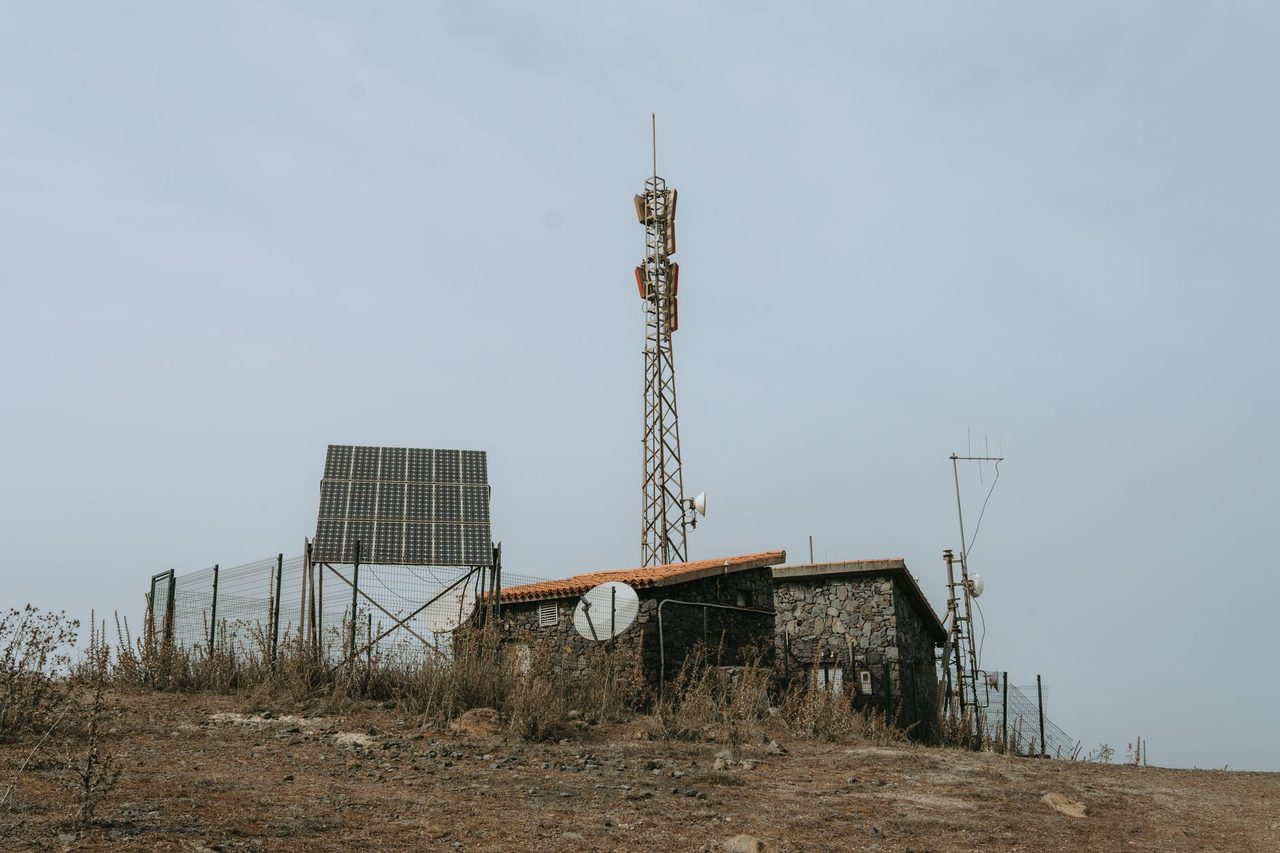
In 2026, most rural health sub-centres and small health and wellness centres can be served by a 3 kW to 10 kW rooftop solar PV system with lithium battery storage sized for critical loads only, rather than full-building autonomy.
Typical critical loads include:
- LED lighting for consultation room, labour room where relevant, waiting area and exterior security lighting
- vaccine refrigerator or ice-lined refrigerator
- ceiling fans and ventilation
- laptop, desktop, printer and router
- diagnostic devices such as haemoglobin meter, glucometer charging, nebuliser and small lab equipment
- phone charging and digital health devices
- water purifier or small pump for limited essential use
Indicative sizing approach:
- very small sub-centre: 3-4 kW PV with 8-12 kWh battery
- medium facility or HWC: 5-7 kW PV with 12-20 kWh battery
- larger primary-care outpost with extended hours: 8-10 kW PV with 20-30 kWh battery
In most districts, the engineering objective should not be 24x7 full-building backup at any cost. It should be resilient coverage for critical service loads during grid outages and low-voltage periods, with 6 to 10 hours of backup depending on local supply conditions and evening operating pattern.
Indicative 2026 installed cost ranges for NGO or institutional projects in India:
- solar rooftop EPC: around Rs 42,000-52,000 per kW for small institutional systems, depending on structure, geography and module choice
- battery storage with inverter and controls: around Rs 15,000-22,000 per usable kWh for quality LFP systems in small projects
- remote monitoring, wiring segregation, earthing and surge protection: often 8-15% additional depending on site condition
A 5 kW solar plus 15 kWh battery system for a health sub-centre may therefore fall broadly in the Rs 5.5 lakh to Rs 8.5 lakh range turnkey, with state, terrain, transport, civil work and compliance affecting final cost. In difficult geographies or islands, pricing can be higher.
Annual O&M can be budgeted at roughly 1.5% to 3% of capex for cleaning, preventive checks, remote troubleshooting and site visits, excluding battery replacement reserves where applicable under the warranty structure.
Funding architecture: CSR, grants and blended philanthropic capital
For this category, debt-led project finance is rarely the primary route because ticket sizes are small and repayment cash flows may sit with public health entities that are not set up for straightforward power purchase contracting. The practical structure in 2026 is usually one of the following:
- pure CSR capex funding with 3-5 years O&M bundled
- foundation or philanthropic grant support with NGO implementation
- pooled district program supported by multiple corporate donors
- utility or DISCOM partnership for identified weak-grid facilities with donor-funded resilience layer
- hybrid model where CSR funds capex and district health administration covers O&M after year 3
A serious mistake is to fund only hardware. Health facility energy projects fail when no one budgets for battery monitoring, replacement planning, load discipline, theft prevention and caretaker training. Donors should insist on lifecycle budgeting at sanction stage.
A robust funding proposal should include:
- district-level needs assessment with feeder reliability data where available
- facility typology and prioritisation matrix
- standardised technical design packages by load band
- O&M service-level framework
- outcome indicators tied to health service continuity
- asset handover, ownership and insurance plan
- end-of-life and e-waste compliance provisions
This is where Program design & theory of change matters. The theory is not merely “install solar, improve sustainability.” It should link energy reliability to measurable health-system outputs such as cold-chain continuity, evening service availability, reduced diesel dependence, lower equipment downtime and improved staff retention at remote sites.
Policy and regulatory context in India, 2026
The exact commercial treatment depends on ownership model, state DISCOM rules and whether the system is behind the meter for self-consumption. For most rural public health facilities, the simplest route is a captive behind-the-meter rooftop system with battery, designed primarily for self-use and resilience.
Practitioners should still examine:
- state net metering or gross metering regulations for small public buildings where export may occur
- DISCOM interconnection approvals and sanctioned load conditions
- electrical inspectorate requirements
- public procurement norms if assets are handed to a government department
- CSR compliance under Companies Act reporting requirements for implementing partners
- biomedical refrigeration standards and load segregation norms
- e-waste and battery waste obligations under applicable Indian rules
On the public-health side, alignment with National Health Mission priorities and state health infrastructure strengthening plans can improve district buy-in. In aspirational districts and remote tribal blocks, convergence with rural development and health budgets can also improve scale-up prospects.
A critical 2026 trend is that many donors now want digital verification, geotagging, uptime records and service-output evidence rather than installation photos alone. That has raised the importance of Compliance & governance in NGO energy programs.
Procurement and implementation: what separates durable projects from failed pilots
The market is full of one-off institutional solar installations that underperform after 12 to 24 months because procurement focused on lowest upfront quote. Rural health facilities require tighter specification discipline.
Minimum implementation standards should include:
- detailed load audit separating critical and non-critical circuits
- battery autonomy design based on actual outage profile, not generic assumptions
- medical refrigeration compatibility and surge assessment
- quality inverter-charger with remote communication
- earthing, lightning and surge protection suitable for rural conditions
- tamper-resistant mounting and cable routing
- signage, user SOPs and local-language training
- remote monitoring dashboard with alarms for low battery, inverter fault and low generation
- warranty-backed O&M response time commitments
For portfolios across 25, 50 or 100 facilities, standardisation is essential. Use 2-3 pre-engineered system sizes rather than unique design at each site unless load variance is substantial. This reduces procurement complexity, spare-parts burden and training requirements.
Selection criteria for facilities should include:
- poor grid reliability or high diesel dependence
- essential cold-chain or maternal health function
- roof suitability and security
- committed local health staff
- district-level support for access and asset management
- mobile signal availability for remote monitoring, or offline data alternatives
A district cluster model often works better than scattered installations across states. Cluster density lowers O&M cost per site and improves service response.
How to structure MRV for health-energy projects
MRV is where many NGO energy-access proposals remain weak. For health sub-centres, MRV should move beyond energy generation into service outcomes, while remaining practical and auditable.
At minimum, measure four layers.
Layer 1: Asset and energy performance
- installed kW and battery kWh
- daily generation in kWh
- battery state-of-charge and discharge cycles
- critical-load uptime during outages
- outage ride-through hours
- system availability percentage
Layer 2: Financial and operational performance
- diesel litres avoided where backup existed
- electricity bill reduction where relevant
- maintenance response time
- inverter or battery fault incidents
- estimated cost per uninterrupted service hour
Layer 3: Health service continuity
- vaccine refrigeration uptime
- cold-chain temperature compliance events
- number of evening service days supported per month
- diagnostic sessions enabled during outage periods
- labour-room or emergency lighting availability where relevant
- reduction in cancelled consultations due to power failure
Layer 4: Social and environmental outcomes
- staff perception of safety and ability to extend hours
- patient footfall in evening windows
- avoided CO2 emissions from diesel displacement and grid substitution assumptions
- community satisfaction score
For carbon accounting, use conservative assumptions. If the baseline is no diesel and only intermittent grid supply, avoid inflated avoided-emissions claims. If diesel was actively used, document litres purchased and runtime before intervention. If vaccines were being moved frequently due to unreliable power, quantify logistic cost and spoilage risk reduction separately rather than converting everything into carbon narratives.
A useful 2026 reporting cadence is:
- commissioning report at handover
- monthly automated performance summary
- quarterly service-outcome dashboard
- annual third-party sample verification across 10-20% of sites
For CSR boards and philanthropic donors, portfolio-level metrics are powerful:
- Rs invested per facility energised
- Rs invested per annual critical-service hour secured
- diesel litres avoided per Rs lakh invested
- facilities with greater than 98% critical-load availability
- vaccine cold-chain compliance improvement rate
This is precisely why Growthifye’s capabilities in Impact measurement & MRV and CSR funding pipelines are relevant to scale programs, not just single-site pilots.
Commercial realism: what numbers decision-makers should watch
Decision-makers should evaluate these projects using service-value logic, not only simple payback.
Still, practical economics matter. A representative case:
- facility size: 5 kW PV plus 15 kWh battery
- capex: Rs 6.8 lakh
- annual generation: 6,500-7,500 kWh depending on state and roof conditions
- diesel displaced: 300-700 litres per year where diesel backup existed
- grid savings: Rs 45,000-70,000 per year at effective small-commercial or public-service tariffs of roughly Rs 6.5-9.5 per kWh, though actual billing categories vary by state
- avoided diesel generation value: often Rs 20,000-60,000 per year depending on prior usage
- useful life: 20-25 years for PV, 8-12 years for battery depending on cycling and warranty terms
On direct energy economics alone, returns can look modest if there was little prior diesel use. But once health-service continuity is valued, donor justification becomes much stronger. For example, one prevented vaccine spoilage event, reduced emergency referral disruption or sustained evening maternal-health session may justify a significant share of annualised cost in public-value terms.
That is why project appraisal should include:
- energy cash savings
- n- avoided diesel and logistics cost
- service continuity value
- health-program delivery value
- resilience value during extreme weather and feeder disruption
A scalable roadmap for 2026-2028
For NGOs, corporates and state partners looking to scale, the most effective approach is a phased portfolio strategy.
Phase 1: diagnostic and pilot
- identify 20-30 facilities in one district or contiguous geography
- establish baseline on outage profile, service levels and diesel use
- deploy standardised systems and digital monitoring
- validate O&M model over 6-9 months
Phase 2: portfolio expansion
- aggregate 100+ facilities across high-need blocks
- negotiate standard EPC and AMC rates
- create donor reporting templates and verification protocol
- integrate district health review mechanisms
Phase 3: institutionalisation
- transfer O&M budget line into public-health or district planning where feasible
- standardise future facility design with resilience-ready electrical architecture
- build replication pipeline across states using common procurement and MRV standards
The winners in this segment will not be the cheapest installers. They will be the organisations that can combine site selection, engineering discipline, donor-grade documentation, O&M controls and credible impact evidence.
Rural health-energy infrastructure is one of the clearest areas where NGO energy access can deliver visible, measurable public value in India in 2026. For developers, advisers, lenders and policymakers, it is also a reminder that distributed energy is not only about kilowatt-hours sold. In the right institutional settings, it is about continuity of essential services.
If your organisation is planning a CSR-backed or grant-funded rural health energy program, contact Growthifye’s advisory desk to structure the portfolio, funding strategy, technical scope and MRV framework.
Explore Growthifye's related capabilities
This analysis connects directly to our advisory practice: Program design & theory of change · CSR funding pipelines · Grant & philanthropic fundraising · Compliance & governance.
About the author

Chief Executive Officer, Growthifye — With over 23 years in management consulting, Sudarshan has taken businesses from concept to scale — building and scaling new-age digital and energy businesses.
- 23+ years in management consulting
- EY alumnus
- Led large-scale BESS programmes, capital raises and advisory mandates
Want this analysis applied to your project?
Talk to our team