India 2026 NGO Energy Access: Solar Livelihood Centers, CSR Funding and MRV
By Sudarshan Karweer · sudarshan@growthifye.com · +91 84510 99371 (Call / WhatsApp) · 2026-09-12
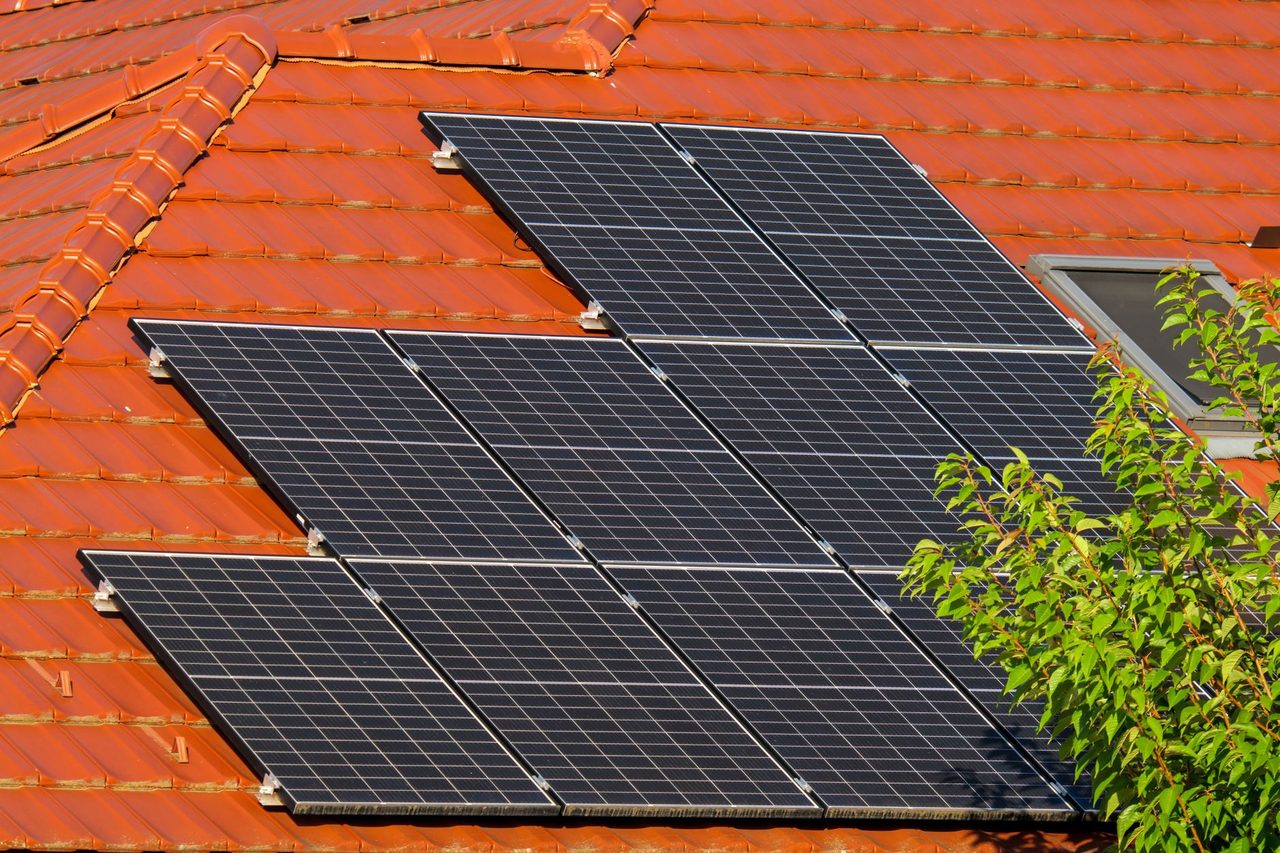
Photo: Vladimir Srajber on Pexels
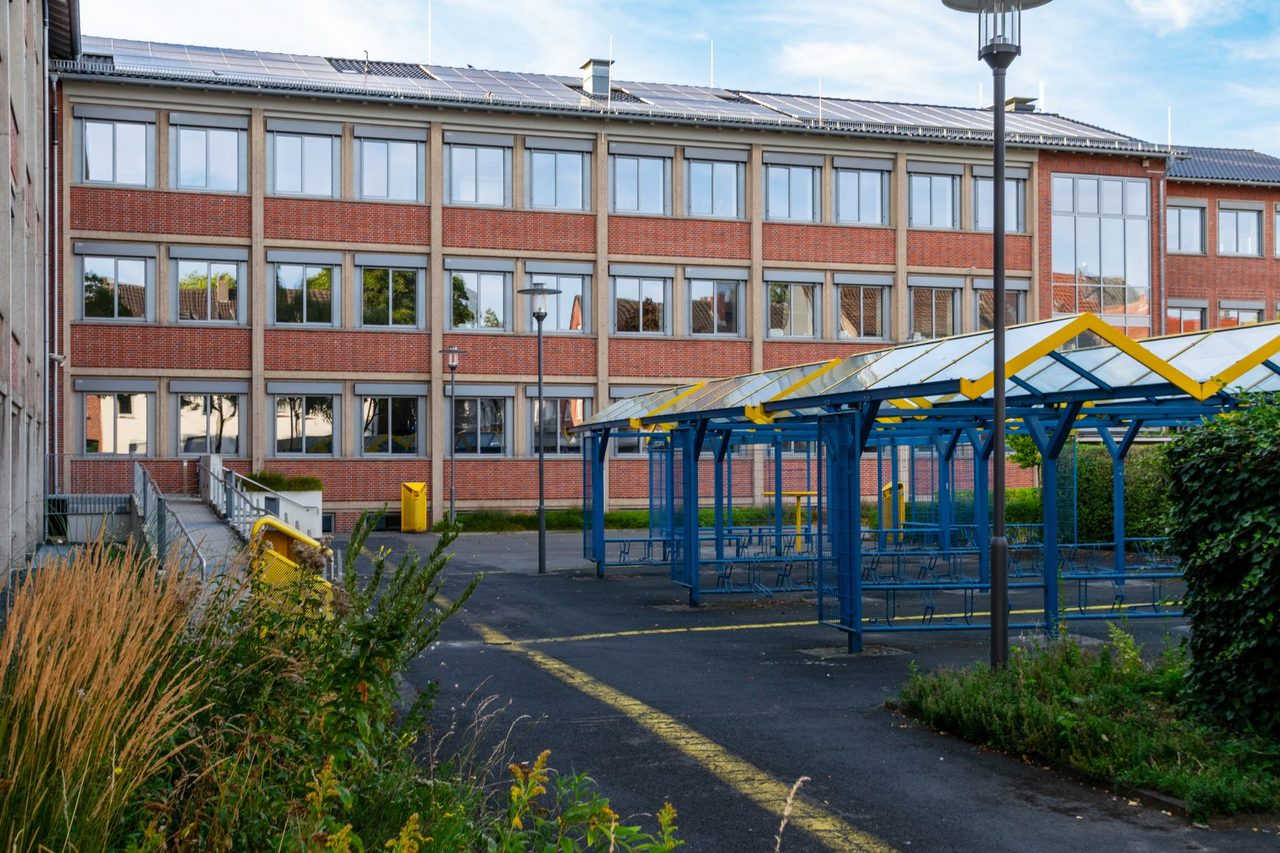
India’s NGO-led energy-access market is shifting from single-use assets to productive-energy infrastructure. In 2026, one of the most practical models is the solar livelihood center: a community-scale facility that provides reliable daytime power for income-generating activities such as milling, food processing, tailoring, digital services, dairy chilling support, sewing, handicrafts, repair workshops and micro-enterprise incubation.
For NGOs, CSR teams, philanthropies and implementation partners, solar livelihood centers sit at the intersection of rural development, women’s economic participation, decarbonisation and measurable social outcomes. For lenders, utilities, developers and policymakers, they offer a replicable distributed-energy use case with clearer load curves than many pure-access projects. The key is to structure them correctly: anchor loads, tariff logic, O&M accountability, subsidy stacking, and impact measurement from day one.
This article sets out a practitioner framework for designing, funding and monitoring solar livelihood centers in India in 2026.
Why solar livelihood centers are gaining traction in 2026
India’s rural electrification progress is real, but quality and affordability gaps remain. In many districts, nominal grid connectivity does not translate into reliable three-phase supply for productive use. Voltage fluctuation, feeder outages, restricted daytime supply and diesel backup costs still constrain enterprise activity. A solar livelihood center addresses this by creating a controlled energy environment around a cluster of productive loads rather than waiting for every enterprise to solve power quality independently.
Several 2026 trends are pushing this model forward:
- CSR budgets are under pressure to show livelihood outcomes, not just infrastructure creation.
- NGOs are being asked for stronger baseline-endline evidence and digital reporting.
- Women-led SHGs and producer groups need shared infrastructure instead of fragmented appliance donations.
- Rural enterprises are facing higher diesel and logistics costs, making solarised productive use more competitive.
- State livelihood missions and district administrations increasingly prefer cluster assets that can be integrated with skilling and market-linkage programs.
A well-designed center typically serves 20 to 150 recurring users depending on the activity mix. It can operate as a standalone rooftop or ground-mount solar asset with battery backup, or as a grid-connected behind-the-meter system with limited storage for critical loads. In regions with adequate distribution reliability, hybrid models often give the best economics.
What a bankable solar livelihood center looks like
The biggest mistake in NGO energy-access projects is sizing the plant around aspirations rather than verified demand. In practice, a livelihood center should begin with anchor loads and then layer flexible enterprise demand around them.
Common anchor loads in 2026 include:
- Flour mill: 5 kW to 15 kW
- Spice grinder or food processor: 3 kW to 10 kW
- Sewing and embroidery cluster: 1 kW to 8 kW aggregate
- Computer, printing and digital service kiosk: 1 kW to 3 kW
- Dairy chilling support or milk collection equipment: 2 kW to 10 kW depending on process
- Carpentry or repair workshop: 3 kW to 12 kW
- Community RO pre/post processing support or packaging activities: 2 kW to 8 kW
A realistic center in rural India often falls in the 10 kWp to 50 kWp range. For example, a 25 kWp system with a 30 kWh to 60 kWh battery can support daytime productive loads with limited evening continuity for digital, lighting and essential operations. In 2026, turnkey capital cost ranges for NGO-grade systems are typically:
- Rooftop or small ground-mount solar: Rs 42,000 to Rs 55,000 per kWp depending on site and module/inverter choice
- Lithium battery storage: Rs 14,000 to Rs 20,000 per kWh installed, depending on chemistry, BMS and enclosure
- Productive-use internal wiring, LT panel, metering and safety systems: Rs 4 lakh to Rs 12 lakh for small centers depending on complexity
- Civil works, room upgrades and equipment integration: highly site-specific, often 10% to 25% of energy-system CAPEX
That means a functional 25 kWp center with moderate storage and productive-use distribution may land in the Rs 22 lakh to Rs 35 lakh range before enterprise equipment, depending on state, logistics and quality standards.
For financially durable projects, design principles should include:
- Minimum 70% of annual generation mapped to identified productive loads
- Separate metering for anchor loads and shared/common services
- User contribution model, even if subsidised, to avoid zero-value perception
- AMC and battery replacement reserve built into financial planning
- Operator or community institution with legally assigned O&M responsibility
- Safety compliance including earthing, surge protection, fire readiness and lockable control room access
This is where Program design & theory of change matters. Energy output alone is not the outcome. The design should connect reliable power to enterprise hours, machine utilisation, women’s participation, output volumes, income changes and local service access.
Funding stack: CSR, grants and community contribution
Most solar livelihood centers will not be fully financed through user payments in the first years. The right question is not whether subsidy is needed, but how to use catalytic capital without destroying operating discipline.
In 2026, a practical funding stack may look like this:
- 50% to 80% CSR grant support for core infrastructure in underserved geographies
- 10% to 30% philanthropic or institutional grant support for skilling, mobilisation, digital monitoring and enterprise incubation
- 5% to 15% community or user-group contribution, in cash, labour, land access, building shell or refundable membership fee
- 0% to 20% soft debt or recoverable grant for productive appliances where user cash flow is visible
For many NGOs, the challenge is not only raising capital but sequencing it. Core energy CAPEX can often be positioned under CSR themes such as rural development, livelihood enhancement, women empowerment, health and sustainability. However, training, governance systems and impact audits are frequently underfunded unless included from the start in the proposal. That is why CSR funding pipelines and Grant & philanthropic fundraising need to be developed alongside technical design, not after EPC estimates are prepared.
A strong proposal to corporate funders in 2026 should contain:
- District-level electricity reliability problem statement with feeder-quality evidence if available
- Identified livelihood segments and expected machine-hour utilisation
- User governance model: SHG federation, FPO, cooperative, village committee or NGO-managed social enterprise
- CAPEX and 5-year OPEX with battery reserve assumptions
- Tariff or service-fee model with affordability analysis
- Digital monitoring plan including generation, uptime and user metrics
- Risk allocation for theft, misuse, operator turnover and equipment failure
- Measurable social outcomes linked to corporate CSR reporting needs
Companies funding these projects increasingly ask whether the intervention can survive after the grant period. The answer depends on revenue architecture.
Tariff design and operating economics in rural India
Livelihood centers should not copy residential tariff logic. They need service-pricing mechanisms matched to enterprise use. In 2026, three models are common:
- Per kWh energy tariff for metered users
- Per hour machine or workstation fee
- Monthly membership plus usage fee for recurring users
A blended structure often works best. For example:
- Sewing stations: monthly seat fee of Rs 300 to Rs 800 plus metered surcharge beyond threshold use
- Milling or grinder use: Rs 80 to Rs 250 per hour depending on machine capacity and local diesel-displacement economics
- Digital service counters: fixed daily or monthly fee
- Common cold or storage-linked productive use: batch-based pricing tied to throughput
Effective user tariffs in NGO-supported livelihood centers commonly need to recover at least routine O&M, operator salary, cleaning, security, inverter service and part of replacement reserve. In many districts, this works out to an implied energy-service tariff of roughly Rs 8/kWh to Rs 18/kWh depending on load factor, battery dependence and utilisation. That can be viable where diesel-based alternatives cost the equivalent of Rs 20/kWh to Rs 35/kWh for small users, or where unreliable grid power causes material income loss.
A simple illustration:
- 25 kWp system, annual generation around 36,000 to 40,000 kWh depending on irradiation and losses
- Usable billed energy/service equivalent after internal losses and non-billable common loads: 30,000 to 34,000 kWh
- Annual O&M, operator, cleaning, data connectivity, insurance and maintenance reserve: Rs 2.8 lakh to Rs 4.5 lakh
- Required average service realisation for O&M sustainability: about Rs 9/kWh to Rs 15/kWh equivalent
This is why load factor is critical. A center running only occasional sewing classes will struggle. A center with milling, digital services, repair work and packaging activity can sustain recurring cash flow.
Policy and compliance considerations in 2026
The policy pathway depends on whether the livelihood center is off-grid, grid-connected behind-the-meter, or a local distribution model within a campus or community premises. NGOs should evaluate at least the following:
- State net metering or gross metering rules for eligible rooftop systems
- DISCOM interconnection requirements and sanctioned load constraints
- Building ownership and roof-right documentation
- Panchayat, trust, school, SHG or cooperative land-use approvals
- Electrical inspectorate norms and contractor licensing requirements
- GST treatment across equipment procurement and grant-funded deployment
- Income recognition and asset ownership implications for NGOs versus SPVs
For NGO-led deployments, the cleanest approach is often a community facility with clearly bounded premises and internal distribution to productive users within that facility. Wider village-wire distribution can trigger regulatory complexity and should be assessed carefully. In some cases, partnering with a local developer or a social enterprise operator is more efficient than holding all technical and commercial risk within the NGO.
Compliance & governance should also cover practical issues that determine whether a CSR-backed asset survives beyond inauguration:
- Named custodian of the asset and signatory authority for maintenance approvals
- Escrow or ring-fenced maintenance account
- User policy for downtime compensation, booking and dispute resolution
- Inventory and spares tracking
- Annual third-party technical audit for grant-funded assets above a defined threshold
MRV: what funders expect beyond generation data
In 2026, impact claims without evidence are being challenged more aggressively by corporate CSR committees, statutory auditors and international donors. A solar livelihood center therefore needs an MRV framework that combines engineering data with socioeconomic outcomes.
At minimum, the monitoring stack should capture:
- Solar generation in kWh
- Battery performance, if installed
- Uptime and outage logs
- Machine utilisation hours by category
- Number of active users by gender and enterprise type
- Revenue collected from services and tariffs
- Diesel displaced, where applicable
- Enterprise output indicators such as kg processed, garments produced, hours billed or transactions completed
- Household or user income proxies at baseline and periodic follow-up
- Seasonal utilisation variance
A serious Impact measurement & MRV plan should separate output, outcome and attribution:
- Output: 38,000 kWh generated, 92% uptime, 48 enterprises served
- Outcome: average machine hours increased 2.3x, average monthly user income up 18%, 60% women users retained after 12 months
- Attribution: compare with baseline or matched control where feasible, and identify non-energy co-factors such as training or market access
For carbon or diesel-displacement estimation, use conservative assumptions. Overclaiming avoided emissions is one of the fastest ways to weaken credibility. If the pre-project counterfactual is erratic grid power plus intermittent diesel, document actual diesel baseline through receipts, engine-hour logs or user interviews instead of using generic proxies.
Digital MRV does not need to be expensive. Smart energy meters, inverter dashboards, QR-based user logs and monthly operator reporting can produce an audit trail strong enough for most CSR and foundation reporting. The value is not only donor compliance; it also helps identify underused centers early and course-correct with revised pricing, activity mix or market linkages.
Common failure points and how to avoid them
Across rural energy-access programs, recurring failure patterns are easy to identify:
- Oversized systems with weak productive demand
- No operator incentive for collections and maintenance
- Free-use culture created by 100% grant framing
- Battery-heavy design where grid exists and could reduce costs
- Weak market linkage, so energy is available but enterprise demand is not
- Lack of women-safe access hours, undermining inclusion goals
- No provision for inverter or battery replacement after year 4 to 7
- Single donor dependence with no follow-on support for scale-up
To reduce failure risk:
- Start with a pre-feasibility based on actual enterprise interviews, not only village meetings
- Design for phased expansion from 10 kWp to 25 kWp or 50 kWp where possible
- Anchor the center in existing institutions such as SHG federations, FPO campuses, ITI-linked skilling hubs or NGO livelihood campuses
- Tie energy access with offtake, procurement or service contracts where feasible
- Use remote monitoring and monthly business reviews, not just annual impact reports
- Build operator incentives around uptime, user retention and collections
For corporates and utilities looking to partner with NGOs, the most scalable models are those where energy infrastructure is integrated with enterprise development, skill-building and local market demand. Corporate & utility partnerships can help create stronger demand anchors through appliance support, procurement linkages, franchise models or feeder-level reliability coordination.
What the 2026 opportunity looks like
The next phase of NGO energy access in India will be judged less by connections created and more by incomes enabled. Solar livelihood centers are attractive because they convert electricity from a welfare input into an economic multiplier. They can support women-led micro-enterprises, reduce diesel dependence, stabilise local services and create a measurable story for CSR and grant funders.
But they are not plug-and-play charity assets. They require disciplined load assessment, realistic tariff design, institutional governance and transparent MRV. The winners in 2026 will be NGOs and implementation partners that combine rural-development credibility with engineering rigor and finance readiness.
If your organisation is evaluating a solar livelihood center program, contact Growthifye’s advisory desk for support on project structuring, funding strategy, technical design and implementation planning.
Explore Growthifye's related capabilities
This analysis connects directly to our advisory practice: Program design & theory of change · CSR funding pipelines · Grant & philanthropic fundraising · Compliance & governance.
About the author

Chief Executive Officer, Growthifye — With over 23 years in management consulting, Sudarshan has taken businesses from concept to scale — building and scaling new-age digital and energy businesses.
- 23+ years in management consulting
- EY alumnus
- Led large-scale BESS programmes, capital raises and advisory mandates
Want this analysis applied to your project?
Talk to our team