India 2026 NGO Energy Access: Solar Anganwadis, CSR Funding and MRV
By Sudarshan Karweer · sudarshan@growthifye.com · +91 84510 99371 (Call / WhatsApp) · 2026-09-09
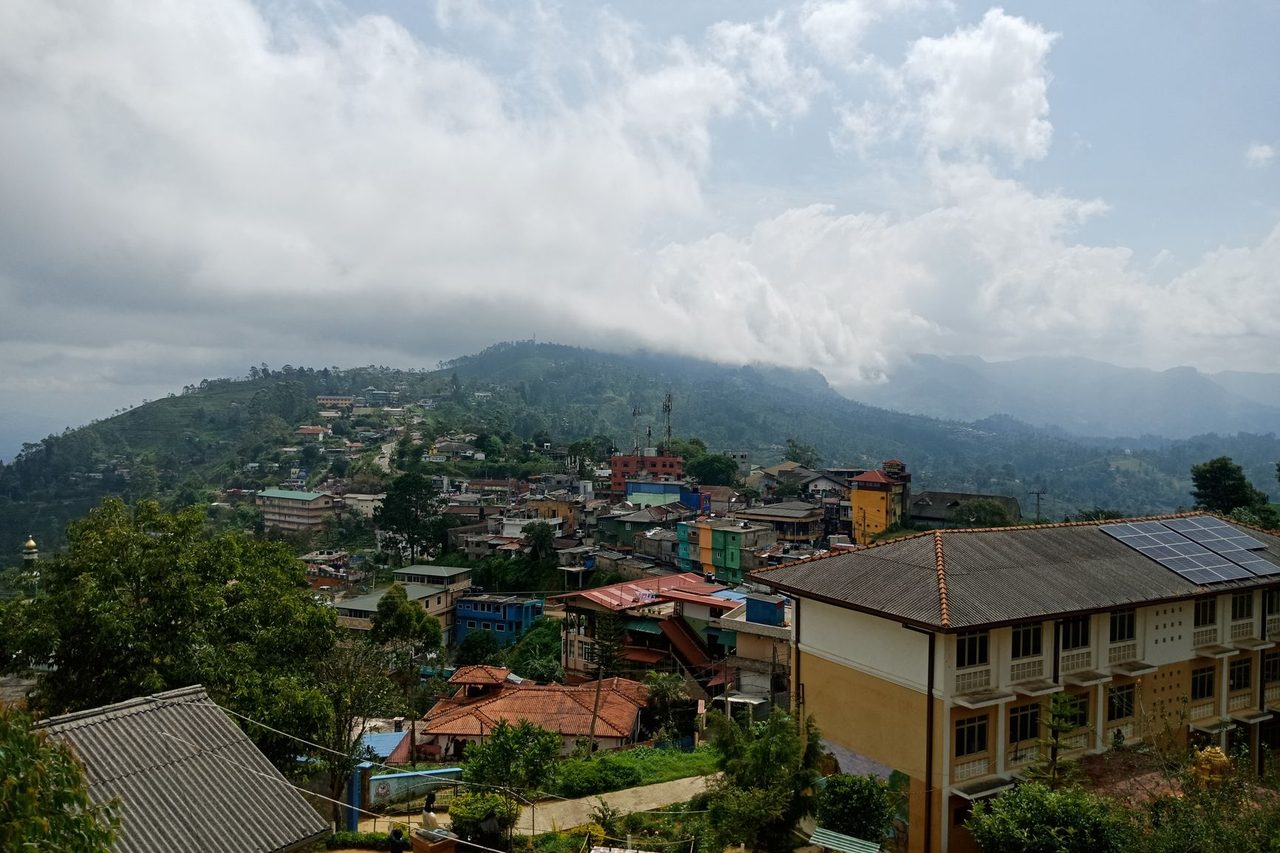
Photo: Arul karki on Pexels
India’s energy-access conversation often jumps from households to farms to health centres. One public-service load that remains under-discussed is the anganwadi. Under the Integrated Child Development Services ecosystem, anganwadi centres are the first-mile delivery point for nutrition, early childhood care, pre-school activities, maternal counselling and community mobilisation. In 2026, solarising anganwadis is emerging as a high-impact NGO intervention because the load is modest, the social outcomes are measurable, and the funding case fits well with CSR and philanthropic capital.
For Indian renewable-energy developers, EPC players, lenders, DISCOM-facing programme teams and policymakers, solar anganwadis are not just a charity concept. They are a structured distributed-energy segment with replicable design standards, district-level aggregation potential and MRV-friendly outcomes. If designed correctly, the intervention can improve vaccine cold-chain support at linked health outreach camps, reduce power interruptions during growth monitoring and digital record-keeping, extend operating hours, improve thermal comfort, and support clean cooking or water purification add-ons where relevant.
This article outlines how to build viable NGO-led solar anganwadi programmes in India in 2026, with practical numbers, policy context, delivery models and monitoring requirements.
Why anganwadis are a strong 2026 energy-access use case
India has more than 13 lakh anganwadi centres across rural, tribal and peri-urban geographies. Not all are suitable for rooftop solar, but even a conservative target universe of 2 to 3 lakh centres with stable buildings, usable roofs and daytime electricity demand creates a meaningful project pipeline.
The operational problem is simple: - Many centres face unreliable grid supply, especially in rural and tribal blocks - Daytime outages disrupt fans, lighting, digital devices, weighing scales and basic service delivery - Heat stress affects children, workers and mothers attending counselling sessions - Small appliances such as water purifiers or nutrition-preparation equipment become difficult to run consistently - Diesel backup is usually absent, uneconomic or operationally impractical
Typical anganwadi electricity demand is low but important. A basic centre may use: - 3 to 5 LED lights of 9W each - 2 to 4 ceiling or wall fans of 50W to 75W each - 1 phone charging point and one small digital device load - Optional TV, monitor or teaching device of 40W to 120W - Optional small water purifier of 25W to 60W average running load
This puts many centres in a daily demand range of roughly 1.5 to 3.5 kWh, with peak loads of 300W to 800W. More active centres with digital infrastructure or nutrition-related appliances may require 4 to 6 kWh per day. This is exactly the kind of load where a small solar-plus-battery system can provide high service reliability at manageable capex.
For NGOs, the case is compelling because the impact pathway is direct: electricity reliability improves service delivery quality. For CSR sponsors, anganwadis offer a visible, socially legitimate and geographically targetable intervention. For developers and EPC firms, standardisation across hundreds of centres in one district reduces transaction cost and improves procurement efficiency.
System design: what a bankable anganwadi package looks like
In 2026, the most practical design for rural anganwadis is not grid export. It is a reliability-focused rooftop solar system with battery backup and smart controls. In most cases, a 0.5 kW to 1.5 kW solar PV system with 2 to 5 kWh usable battery storage is adequate.
Illustrative configurations: - Tier 1 centre: 0.5 kW PV + 2 kWh battery - Tier 2 centre: 1.0 kW PV + 3 to 4 kWh battery - Tier 3 centre: 1.5 kW PV + 5 kWh battery
In 2026 market conditions, indicative all-in installed costs for NGO-scale procurement in India are broadly: - Rs 90,000 to Rs 1.3 lakh for 0.5 kW with battery - Rs 1.5 lakh to Rs 2.2 lakh for 1.0 kW with battery - Rs 2.3 lakh to Rs 3.2 lakh for 1.5 kW with battery
These ranges vary by battery chemistry, district logistics, module structure, wiring standards, theft-prevention features and remote monitoring inclusion. Lithium iron phosphate batteries are increasingly preferred for life-cycle performance and lower maintenance burden, though upfront cost remains higher than basic lead-acid options. For NGO programmes targeting 5 to 7 years of reliable service with minimal on-site intervention, lithium-based systems usually make more sense.
Core technical specifications should include: - Minimum 25-year performance warranty on PV modules as per prevailing supplier terms - Inverter with low-voltage protection and remote diagnostics where possible - Battery sized for at least one working day of essential backup - Theft-resistant module mounting and locked equipment housing - Surge protection and earthing suitable for local conditions - Load segregation so essential loads remain powered during low-generation periods - Smart meter or data logger for uptime and generation tracking
A common implementation mistake is overdesigning systems for aspirational future loads without confirming actual appliance use. Another is underdesigning battery storage, which results in daytime energy generation but poor service during outages. The right approach is appliance-wise load mapping, local outage profiling and seasonality analysis before final sizing.
Funding architecture: CSR, grants and blended district programmes
Anganwadi solarisation is well suited to CSR under Schedule VII themes linked to education, health, rural development, environmental sustainability and gender-responsive community infrastructure. In practice, 2026 programmes are being shaped through three workable structures.
First, pure CSR capex support: - Corporate funds full system capex and initial training - NGO or implementation partner manages community engagement and installation coordination - Local department or panchayat provides site access and basic security - Annual O&M is either prepaid for 3 to 5 years or separately budgeted
Second, CSR plus philanthropic O&M reserve: - CSR covers asset procurement and installation - Philanthropic or foundation capital funds annual maintenance, replacement buffer and monitoring - Useful where donor preferences separate visible infrastructure from longer-term operations
Third, district portfolio model with co-funding: - Corporate CSR funds part of capex - State or district convergence supports selected civil works, wiring rectification or appliance upgrades - NGO raises additional support through Grant & philanthropic fundraising - Portfolio aggregation improves per-site EPC economics
Indicative programme budget for 100 centres in a mixed portfolio: - Average capex per centre: Rs 1.8 lakh - Total installation capex: Rs 1.8 crore - Surveys, design and approvals: 4% to 6% - Training and community mobilisation: 2% to 4% - Remote monitoring and dashboard: 2% to 3% - O&M reserve for 5 years: 10% to 15% - Independent verification and impact assessment: 2% to 4%
This puts a serious 100-centre programme in the range of roughly Rs 2.1 crore to Rs 2.4 crore depending on geography and system sizes. For large corporates with district CSR allocations, this is an accessible ticket size with strong visibility and measurable social outcomes.
A critical point for donors: the cheapest bid is often not the most effective bid. Systems that fail in 18 months create reputational damage and poor beneficiary outcomes. Procurement should evaluate lifecycle value, service response time, spares availability and data transparency, not just initial capex.
Policy and institutional context in 2026
Solar anganwadi programmes sit at the intersection of state social-sector delivery and decentralised clean energy. They are usually outside mainstream utility-scale or commercial open-access discussions, but they still require policy awareness.
Key enabling context in 2026 includes: - Ongoing national and state emphasis on decentralised renewable energy for public institutions and rural infrastructure - Improved availability of quality rooftop components through domestic supply chains - Wider acceptance of CSR-funded public-service energy assets in aspirational districts and tribal geographies - Increased donor pressure for measurable developmental outcomes, not just asset counts
Implementation teams should align proposals with state Women and Child Development departments, district programme officers and panchayat-level institutions. In some states, anganwadi buildings are co-located with schools, health sub-centres or panchayat premises, which can improve site viability but complicate load ownership. Clear asset-use agreements are essential.
Developers should also note that net metering is usually not the central issue here. Most projects are reliability-driven and too small to justify heavy administrative effort for export arrangements. Focus instead on self-consumption, battery optimisation and uptime of priority loads.
For government stakeholders, the opportunity is to include energy-readiness criteria in anganwadi infrastructure upgrades. Roof condition, internal wiring quality, secure equipment placement and future appliance planning should be part of standard refurbishment checklists.
MRV that donors, policymakers and auditors will trust
One reason anganwadi solarisation deserves more attention is that impact can be measured credibly. Too many social-energy projects rely on anecdotal reporting. In 2026, serious sponsors want verified outcomes linked to service quality.
A robust Impact measurement & MRV framework should track four layers.
Layer 1: Technical performance - Solar generation in kWh per day and per month - Battery availability and backup hours - System uptime percentage - Number and duration of fault events - Preventive and corrective maintenance response time
Layer 2: Energy and cost outcomes - Grid electricity offset where bills exist - Reduction in kerosene, inverter charging or informal backup costs if any - Estimated annual emissions reduction using appropriate grid emission factors - Asset-level energy reliability hours during centre operating times
Layer 3: Service delivery outcomes - Number of days centre operated with fan and lighting availability during official hours - Additional hours of usable service during summer or outage periods - Functionality of digital weighing, record-keeping or awareness sessions using powered devices - Use of clean drinking water or nutrition-support appliances where installed
Layer 4: Social outcomes - Attendance trends of children and mothers, where data access is permitted - Worker satisfaction and thermal comfort proxy indicators - Frequency of counselling sessions or community meetings held without power disruption - Inclusion of tribal, remote or aspirational-district centres in programme coverage
MRV should combine automated system data with periodic field validation. A quarterly dashboard is usually sufficient for donors, while an annual independent sample audit improves credibility. If the programme includes health-linked components such as vaccine outreach camps or digital maternal tracking, data governance and privacy protocols must be built in from the start.
This is where Growthifye’s Program design & theory of change capability matters. Donors increasingly expect a clear line from energy input to institutional functionality to development outcome. Without that logic chain, reporting remains superficial.
Delivery risks and how to mitigate them
The execution risks in anganwadi programmes are manageable but real. Most failures are not about solar resource; they are about governance and maintenance.
Major risks include: - Poor roof quality or water seepage - Building ownership ambiguity - Weak local wiring causing repeated tripping or unsafe conditions - Theft or tampering - No budget for post-installation maintenance - Staff transfer leading to low system-use awareness - Data loggers installed but not actively monitored
Mitigation measures should be built into contracts and programme design: - Conduct structural and electrical pre-feasibility for every site - Create a site acceptance checklist signed by district officials and implementation partner - Standardise O&M SLAs, ideally with 48- to 72-hour response targets for critical faults - Include local technician training and escalation pathways - Ring-fence spare inventory at district level - Use tamper-resistant mounting and enclosed power electronics - Provide simple user guides in local language for anganwadi workers
For portfolios above 50 sites, a central dashboard with exception alerts is highly recommended. Programmes should flag centres with zero generation, repeated low battery events or abnormal load behaviour. Donors do not need raw engineering feeds, but they do need an operational summary that identifies underperforming sites early.
Why this matters for developers, lenders and utilities
At first glance, anganwadis may look too small to matter commercially. That view misses the aggregation opportunity. District or state-level programmes can run into hundreds or thousands of sites. For EPC firms, this creates a standardised small-systems market with repeatable design templates. For impact-oriented lenders or philanthropic facilities, portfolio-based support can de-risk upfront working capital for implementation agencies. For utilities and policymakers, reliable solarised community infrastructure can reduce pressure around daytime low-voltage complaints while visibly improving public services.
The strategic value is also broader. Anganwadi projects can serve as an entry point to community-energy planning. Once a village sees reliable energy powering a trusted public institution, adjacent interventions such as clean cooking for nutrition preparation, water purification, digital education devices or women-led energy enterprises become easier to design and fund.
This is why strong Corporate & utility partnerships are important. Corporates bring funding and visibility, utilities and local authorities help with institutional coordination, and technical partners ensure systems are serviceable over time. The best programmes are not one-off donations; they are managed energy-service portfolios with clear accountability.
In 2026, solar anganwadis represent one of the clearest NGO energy-access opportunities in India: modest system sizes, measurable social value, district-scale replicability and strong CSR fit. The winning model is not asset distribution. It is careful site selection, right-sized solar-plus-storage, multiyear O&M planning, and rigorous MRV linked to actual service outcomes.
If your organisation is evaluating an anganwadi solarisation programme, contact Growthifye’s advisory desk for support on programme structuring, technical design, donor-ready MRV and implementation strategy.
Explore Growthifye's related capabilities
This analysis connects directly to our advisory practice: Program design & theory of change · CSR funding pipelines · Grant & philanthropic fundraising · Compliance & governance.
About the author

Chief Executive Officer, Growthifye — With over 23 years in management consulting, Sudarshan has taken businesses from concept to scale — building and scaling new-age digital and energy businesses.
- 23+ years in management consulting
- EY alumnus
- Led large-scale BESS programmes, capital raises and advisory mandates
Want this analysis applied to your project?
Talk to our team