India 2026 NGO Energy Access: Clean Cooking for Rural Enterprises, CSR and MRV
By Sudarshan Karweer · sudarshan@growthifye.com · +91 84510 99371 (Call / WhatsApp) · 2026-09-08
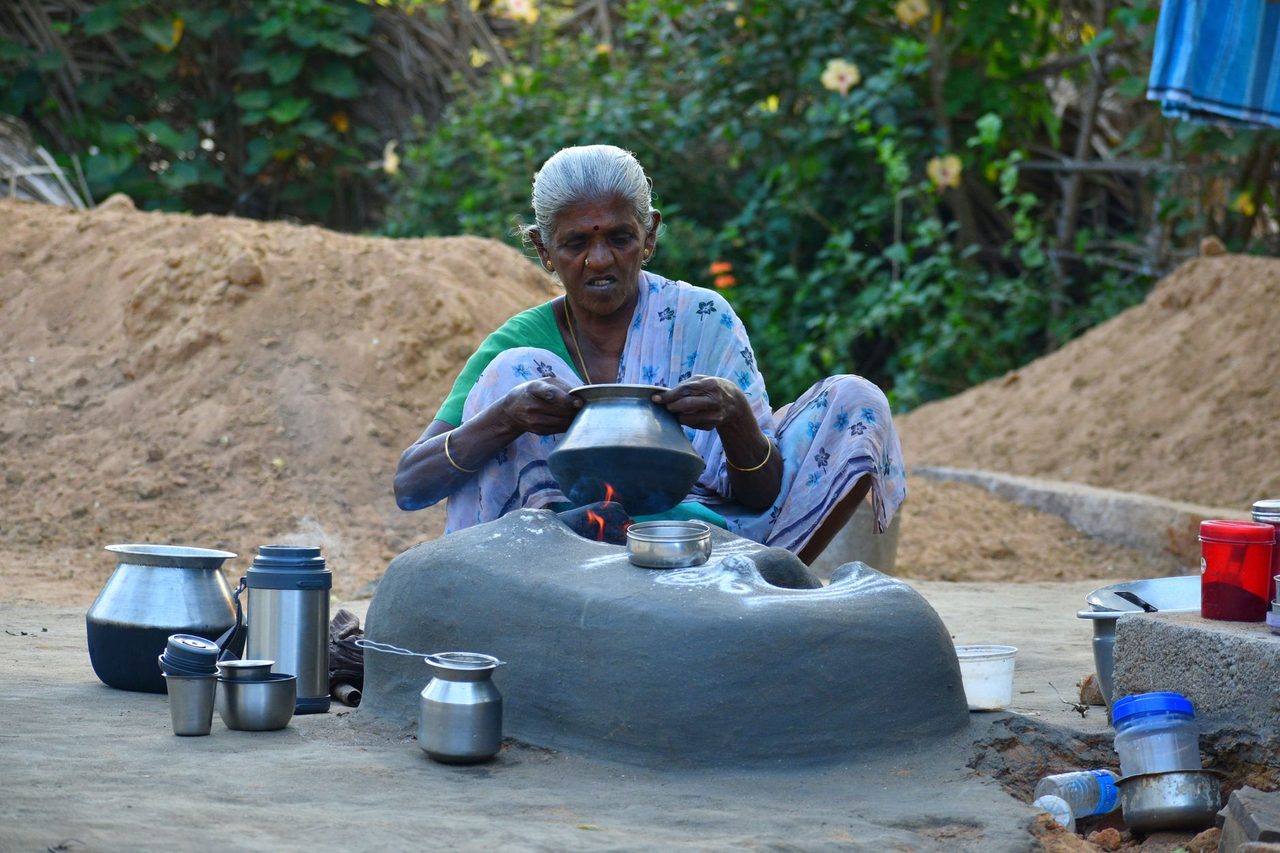
India’s energy-access conversation has moved beyond household lighting. In 2026, one of the most underbuilt but investable segments is clean cooking for rural enterprises: women-led food businesses, self-help group kitchens, hostels, canteens, micro food-processing units, dairy heating loads, community nutrition centres and small institutional kitchens that still depend on fuelwood, diesel, furnace oil or LPG used inefficiently. For NGOs and CSR programmes, this is a high-impact category because it combines health, livelihoods, gender outcomes and measurable emissions reduction with relatively short deployment cycles.
For the market, the opportunity is practical rather than aspirational. Rural and peri-urban enterprises across India face rising LPG refill costs, unreliable biomass quality, indoor air-pollution exposure, thermal inefficiency and working-capital pressure from fuel purchases. Many of these sites already have some level of electrical access, but not enough confidence in power quality to fully shift cooking loads. That creates room for hybrid clean-cooking models based on solar thermal, electric cooking supported by distributed solar and batteries, improved biomass gasification for thermal applications, biogas for clustered organic-feedstock locations, and high-efficiency institutional cookstoves.
This article sets out a 2026 implementation and financing framework for NGOs, developers, CSR heads and lenders evaluating clean cooking for rural enterprises in India.
Why rural enterprise clean cooking is a distinct NGO energy-access category
Household clean cooking and institutional clean cooking are often discussed together, but enterprise cooking has different economics.
- Fuel consumption is more concentrated and easier to meter
- n- Productive-use income can support partial user contribution
- Kitchens often operate on fixed schedules, simplifying load estimation and verification
- Women’s collectives and local institutions can serve as aggregation points
- Carbon and health outcomes can be measured with fewer dispersed devices than household programmes
Typical target segments in 2026 include:
- SHG-run meal services and tiffin businesses
- Village-level food processing for spices, millet, snacks and pickles
- Community kitchens linked to hostels, tribal schools and residential care facilities
- Small dairy and jaggery units with medium thermal demand
- Temple kitchens and charitable feeding programmes
- Anganwadi-linked nutrition kitchens where permitted by programme design
The business case varies by technology. A 20–50 meals/day enterprise may justify high-efficiency electric or LPG displacement solutions only if there is grant support and reliable power. A 200–1,000 meals/day kitchen can support stronger economics through fuel savings, time savings and better utilisation of thermal equipment.
Technology choices in 2026: match the load, not the brochure
The most common implementation error is technology-first design. In practice, NGOs should segment sites by daily thermal demand, operating hours, fuel baseline, local supply chains and uptime requirements.
1. High-efficiency biomass or pellet-based institutional cookstoves
These remain relevant where:
- Biomass is already the dominant fuel
- LPG refill logistics are weak
- Electricity supply is poor or expensive for thermal loads
- Enterprises need strong flame control and familiar cooking patterns
Indicative 2026 economics:
- Capex: Rs 25,000 to Rs 1.5 lakh for small institutional setups depending on burner size, chimney, insulation and accessories
- Fuel savings versus traditional chulhas: 30% to 60%
- Payback: 8 to 24 months where fuelwood has a monetised cost or purchased biomass is used
Key risk: if programmes claim clean-cooking impact without controlling fuel quality, training and maintenance, real-world emissions performance deteriorates quickly.
2. Electric cooking with solar support
This is gaining ground in states with improving rural feeders, surplus daytime solar and institutional loads concentrated in daytime hours.
Suitable appliances include:
- Induction cooktops for controlled boiling and reheating
- Electric pressure cookers for grains and pulses
- Steam-based electric cooking for batch operations
Indicative 2026 economics:
- Appliance capex: Rs 5,000 to Rs 60,000 per station depending on scale
- Rooftop solar support: 3 kW to 15 kW for micro-enterprise and community-kitchen applications
- Rooftop EPC costs: roughly Rs 42,000 to Rs 52,000 per kW for small institutional systems, depending on location, structure and storage integration
- Battery support, where required: Rs 12,000 to Rs 18,000 per kWh installed for LFP-based usable systems at small-project scale
This model works best where daytime operations align with solar generation and the site’s grid tariff is above Rs 6 to Rs 8 per kWh effective commercial-equivalent cost, or where outage avoidance has high operational value. For NGOs, the stronger rationale is often reliability, indoor air quality and demonstration value, not fuel savings alone.
3. Biogas for clustered feedstock environments
Biogas is still underused for hostels, dairies, gaushalas, food campuses and institutions with predictable wet-waste streams.
Indicative 2026 economics:
- Small community-scale plants: Rs 3 lakh to Rs 15 lakh depending on digester type, feedstock handling, gas storage and utilisation equipment
- Best fit: sites with stable organic feedstock, on-site management capacity and daily cooking demand
Biogas projects fail when feedstock governance is weak. They work when the kitchen, waste source and operator incentive are tightly aligned.
4. Solar thermal and hybrid thermal systems
For water heating, preheating and some process heat applications, solar thermal can materially reduce LPG or biomass demand. It is especially relevant for washing, cleaning and batch food preparation where hot water is a major input.
A good 2026 design principle is hybridisation: use solar thermal or solar electric systems to shave the most predictable daytime load, while retaining a clean backup fuel for resilience.
Funding architecture: CSR, grants and user contribution
Most rural enterprise clean-cooking deployments will not scale on user finance alone. The winning structures in 2026 blend three or four funding layers.
First, CSR grant support for capex remains the anchor. Schedule VII-aligned programmes can be framed under health, environment sustainability, livelihood enhancement, rural development and women’s empowerment, depending on the target cohort and intervention design.
Second, philanthropic grants can absorb early-stage programme design, community mobilisation, pilots, training, after-sales support and third-party verification. This is where Growthifye’s Grant & philanthropic fundraising and Program design & theory of change capabilities matter, especially for NGOs trying to move from one-off donations to multi-district portfolios.
Third, user contribution should not be zero unless the beneficiary is a non-revenue institution serving highly vulnerable populations. Even a 5% to 20% contribution, whether upfront or instalment-based, improves ownership and maintenance discipline.
Fourth, carbon revenue may become a supplementary layer for some technologies, but only if aggregation scale and monitoring discipline are sufficient. Many NGO programmes overestimate this line item. In 2026, conservative underwriting is essential because registration timelines, methodology fit, issuance lags and transaction costs can erode net value at small scale.
A practical funding mix for a district-level programme might look like:
- 55% to 70% CSR or foundation grant
- 10% to 20% philanthropic or catalytic support for mobilisation and monitoring
- 10% to 20% user contribution or community institution contribution
- 0% to 15% future performance-linked inflow from carbon or outcome-based partnerships
For enterprise clusters, revolving maintenance funds are preferable to one-time O&M promises. A district NGO or federation can collect a monthly service fee of Rs 200 to Rs 2,000 per site depending on equipment size and service intensity.
What good MRV looks like in 2026
MRV is where many well-intentioned clean-cooking programmes lose credibility. Reporting “units distributed” is not enough for CSR boards, lenders or impact investors. The correct metric is verified usage and sustained performance.
A robust Impact measurement & MRV framework for rural enterprise clean cooking should include:
- Baseline assessment: existing fuel mix, monthly fuel spend, hours of exposure, kitchen throughput, meal counts, seasonal variation
- Technical baseline: device efficiency, ventilation conditions, stack or emissions proxies where relevant
- Installation QA: commissioning checklist, operator training, safety protocols, geotagged photos, serial numbers
- Usage monitoring: digital meters, fuel logs, temperature sensors, smart plugs for electric devices, refill tracking or periodic enumerator audits
- Outcome indicators: fuel displacement, time saved, reduction in smoke exposure, enterprise income effects, meals served, women’s labour burden reduction
- Financial indicators: avoided fuel cost, maintenance cost, downtime, working-capital effects
For CSR and grant-funded programmes, monthly dashboarding is now a realistic expectation. Sensor costs have come down enough to justify mixed-method monitoring for programmes above 100 sites. Even where full telemetry is too costly, a sampling design with quarterly verification can support credible reporting.
Practical MRV benchmarks in 2026:
- Device uptime target: above 90% for electric and solar-assisted systems, above 85% for biomass and biogas systems in the first year
- Sustained usage target: above 75% of planned meal or process load served by the clean-cooking system after six months
- Verification cadence: monthly remote checks, quarterly field audits, annual third-party assessment for large CSR portfolios
NGOs should also be transparent about stack use. In many sites, beneficiaries continue using legacy stoves for peak load or specific dishes. Instead of hiding this, MRV should estimate partial displacement honestly. That builds trust with funders and improves future design.
Policy and market signals that matter in India in 2026
Clean cooking sits across multiple policy domains rather than one single scheme. Practitioners should track the following:
- CSR Rules under the Companies Act for project structuring, implementing-agency eligibility and reporting discipline
- State renewable-energy nodal agency programmes where rooftop solar or productive-use energy support may be layered in
- Livelihood missions and SHG federations under DAY-NRLM for last-mile beneficiary aggregation
- Tribal development, hostel modernisation and rural institution upgrades in relevant state departments
- Air-quality and public-health agendas that strengthen the case for smoke reduction in enclosed kitchens
- DISCOM commercial frameworks where distributed solar and connection upgrades are part of the solution for electric cooking
Tariff context matters. For many rural institutions and commercial micro-users, effective electricity tariffs, including fixed charges and taxes, may range from around Rs 6 to Rs 10 per kWh depending on state and category. LPG economics also remain volatile at the delivered-refill level, especially in remote geographies. That means project developers must compare useful thermal energy cost, not just nominal fuel price.
For example, an inefficient LPG setup may still lose on delivered cost per useful cooking output compared with a well-run electric pressure-cooking setup using daytime solar. Conversely, a poorly utilised electric system with battery dependence can become more expensive than an improved biomass system. Site diagnostics are non-negotiable.
Delivery model: how NGOs and developers should structure portfolios
The strongest execution model is a cluster-based portfolio rather than scattered asset donation.
Recommended workflow:
- Identify one district or livelihood cluster with 50 to 300 target sites
- Segment by use case: canteens, SHG kitchens, hostels, processing units, dairy heat loads
- Standardise 2 to 4 technology packages instead of custom engineering every site
- Run baseline energy and livelihood diagnostics
- Lock CSR anchor funding for capex and first-year support
- Build local technician and operator training modules
- Install a tiered MRV architecture based on project size and funder needs
- Create a district-level spares and service network
Portfolio aggregation improves procurement economics and funder confidence. It also creates a cleaner pathway for corporate participation. Food companies, FMCG firms, agri-value-chain players, healthcare companies and utilities can all support region-specific interventions through Corporate & utility partnerships, especially where the programme aligns with supply-chain communities or service territories.
Indicative district-scale example:
- 100 enterprise and community cooking sites
- Average capex per site: Rs 1.8 lakh across mixed technologies
- Total capex: Rs 1.8 crore
- Mobilisation, training, MRV and first-year O&M: 18% to 25% of capex
- Total programme outlay: roughly Rs 2.15 crore to Rs 2.25 crore
At this scale, NGOs can justify stronger data systems, better vendor quality control and independent evaluation. That is the difference between a showcase pilot and a replicable programme.
Key risks and the due-diligence checklist
Before scaling, funders and implementation partners should stress-test six issues.
1. Fuel and power reliability - Is there dependable electricity during cooking windows? - Is pellet or biomass fuel supply formalised? - Is backup fuel planned?
2. User behaviour and menu compatibility - Can the technology handle local cooking practices? - Are batch sizes realistic? - Will cooks accept changes in vessel type or process timing?
3. O&M ownership - Who cleans, services and troubleshoots the system? - Is there a local technician within 25 to 50 km?
4. Measurement quality - Are fuel savings based on real baseline data? - Is there a method to verify usage after installation?
5. Governance - Are procurement and vendor contracts transparent? - Is there a process for grievance handling and asset transfer?
6. Scaling economics - Can the programme replicate without full redesign? - Are support costs declining as the portfolio grows?
In most states, the bottleneck is not technology availability. It is programme structuring, field operations and long-term accountability. That is why serious sponsors now ask for compliance architecture, vendor due diligence, site selection logic and post-installation service evidence before approving multi-year grants.
India’s 2026 clean-cooking market for rural enterprises is ready for disciplined scaling. For NGOs, this is one of the few energy-access categories where health impact, women’s economic participation, emissions reduction and measurable service delivery can be combined in a single intervention. For corporates, developers and lenders, the segment offers replicable district portfolios if projects are designed around real thermal demand, honest MRV and durable service models rather than equipment distribution targets.
If your organisation is evaluating a clean-cooking portfolio for rural enterprises, community kitchens or institution-linked livelihoods, contact Growthifye’s advisory desk for programme design, funding strategy, technical structuring and implementation support.
Explore Growthifye's related capabilities
This analysis connects directly to our advisory practice: Program design & theory of change · CSR funding pipelines · Grant & philanthropic fundraising · Compliance & governance.
About the author

Chief Executive Officer, Growthifye — With over 23 years in management consulting, Sudarshan has taken businesses from concept to scale — building and scaling new-age digital and energy businesses.
- 23+ years in management consulting
- EY alumnus
- Led large-scale BESS programmes, capital raises and advisory mandates
Want this analysis applied to your project?
Talk to our team