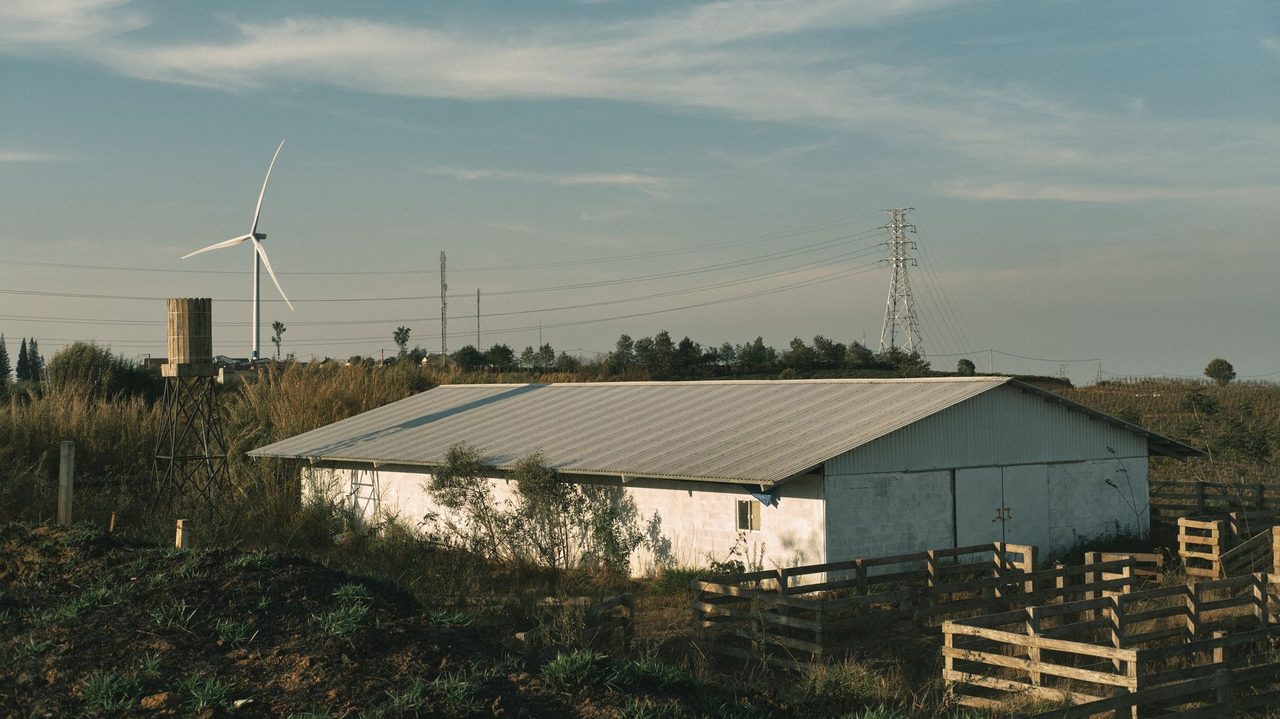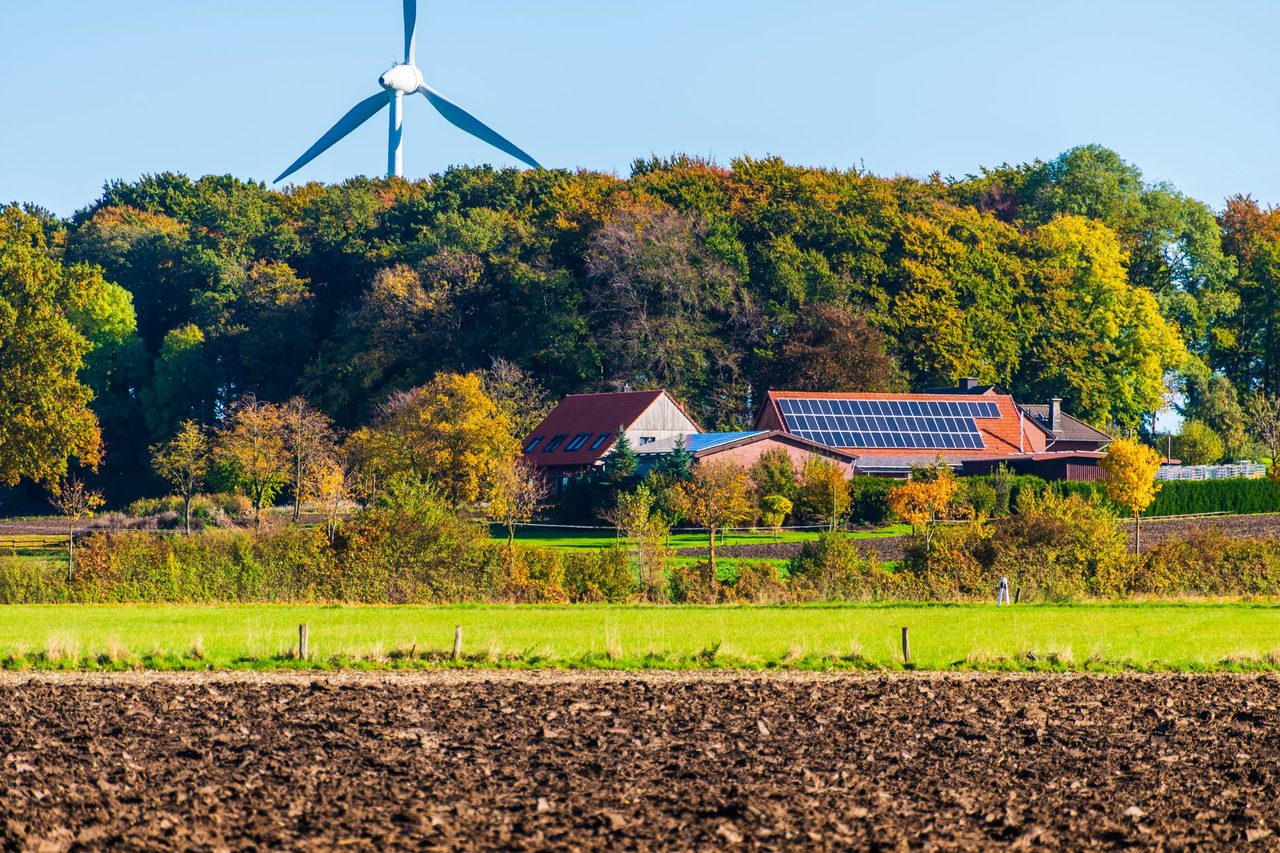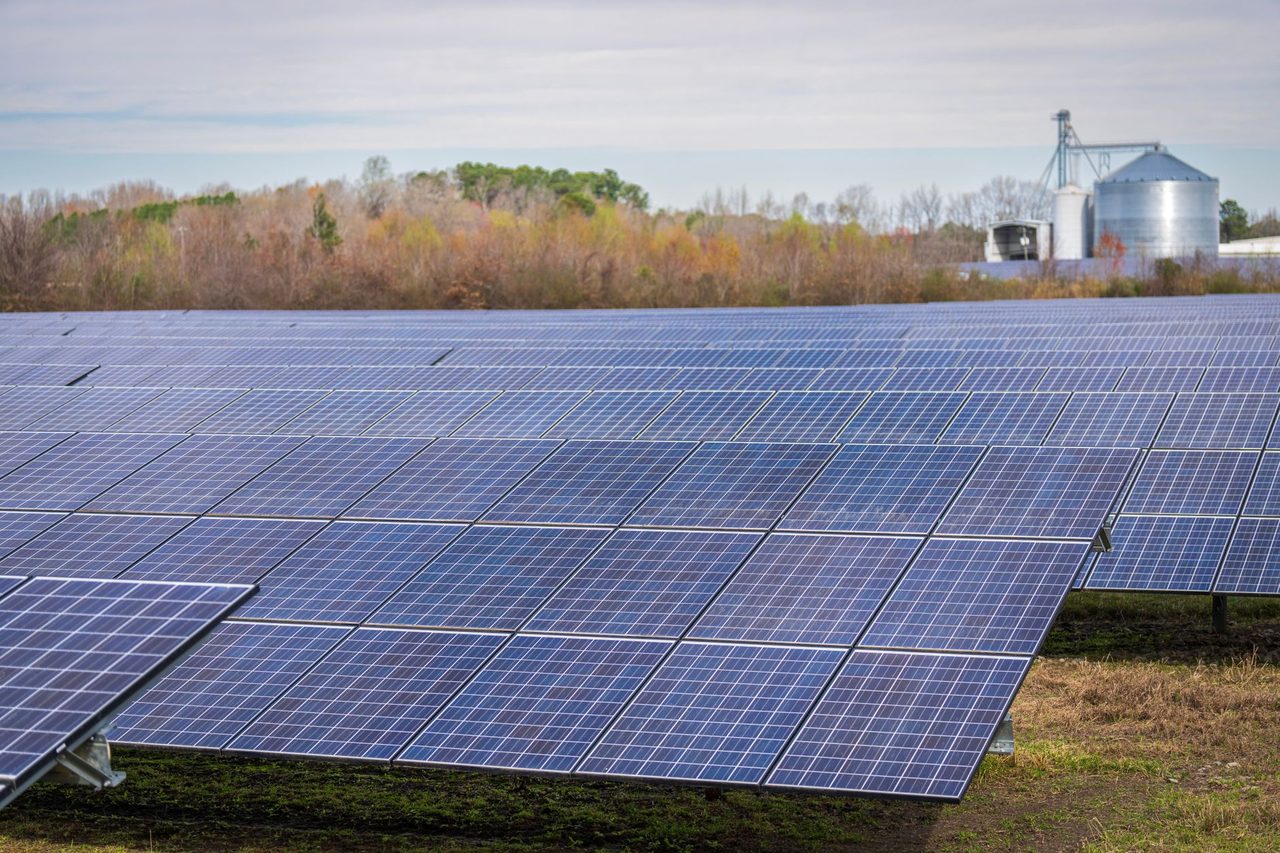
Banking in Open Access PPAs India 2026: Rules, Charges and Cost Impact
By Sudarshan Karweer · sudarshan@growthifye.com · +91 84510 99371 (Call / WhatsApp) · 2026-09-12
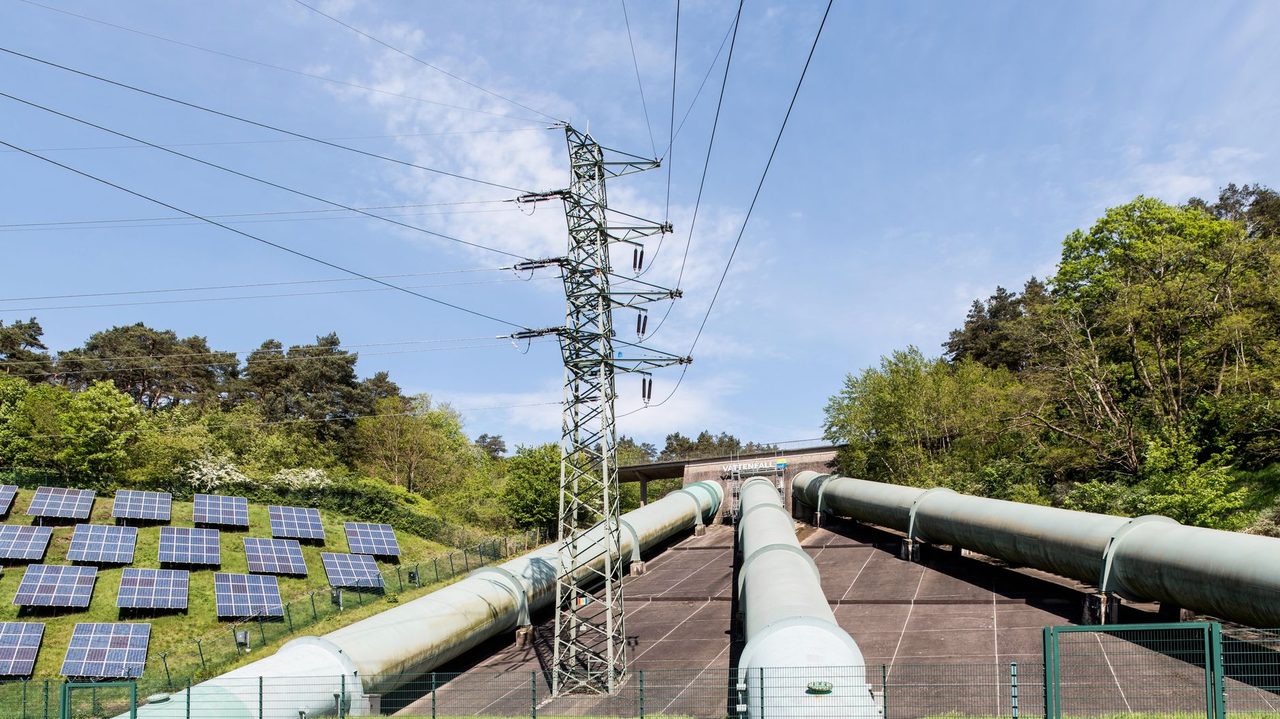
Photo: Wolfgang Weiser on Pexels
Corporate renewable buyers in India often focus first on tariff, CSS, AS, wheeling and transmission charges. In 2026, that is not enough. Banking design has become one of the sharpest drivers of open access viability because the same solar or wind tariff can produce very different landed costs depending on whether energy can be carried forward, for how long, in which time blocks, at what loss factor, and with what settlement price.
For C&I buyers evaluating open access, banking is no longer a back-office clause. It is a primary commercial variable. For developers and lenders, it directly affects CUF monetisation, deemed offtake assumptions, invoice predictability and DSCR resilience. For utilities and regulators, it remains a contested issue because banking changes grid balancing burdens and impacts cross-subsidy recovery.
This article focuses on a distinct but central 2026 issue: how banking rules shape open access PPA design and landed economics in India, and what sophisticated offtakers should do before signing.
Why banking matters more in 2026
A solar plant and a factory load rarely match perfectly on a 15-minute or time-block basis. Even where annual consumption is higher than contracted renewable generation, intraday and intra-month mismatches create surplus export in some blocks and deficit drawal in others. Banking allows the injected but unconsumed energy to be adjusted later, subject to state rules.
When banking is favourable, a buyer can absorb intermittency with lower balancing cost and lower dependence on expensive exchange or discom supply. When banking is restrictive, the same project may require:
- lower contracted capacity
- n- hybridisation with wind or storage
- more expensive RTC shaping
- merchant sale of surplus generation
- acceptance of lower renewable utilisation
- a different state or consumer structure
In practice, banking can move net delivered cost by around Rs 0.30/kWh in relatively flexible regimes and by more than Rs 1.00/kWh where monthly lapsing, peak exclusions or punitive settlement apply. For energy-intensive C&I users with 20-100 MW portfolios, that gap is material enough to alter procurement strategy.
The banking variables that actually change project economics
Not all banking provisions matter equally. In 2026, six variables usually dominate modelling outcomes.
1) Banking period
The most important distinction is whether banking is:
- same-day only
- monthly
- seasonal
- annual up to financial year-end
Annual banking was once a strong enabler for open access solar and wind. Many states have since tightened the framework, shifting to monthly settlement or imposing more restrictive adjustments. Monthly banking sharply reduces the value of monsoon wind surplus and shoulder-month solar excess unless the buyer has a well-matched load profile.
2) Banking charge
States may allow banking but impose a charge, often expressed as a percentage of banked energy. In current market practice, one still sees a range from nil in some structures to around 6% to 10% equivalent energy deduction in others, with occasional proposals or orders that are even more restrictive depending on consumer category, project type or date of commissioning.
A 6% banking charge on energy that is materially relied upon for later adjustment can raise effective delivered cost substantially, especially for projects with high mismatch ratios.
3) Time-of-day and peak restrictions
Some regimes allow banked energy to be used only in off-peak or solar hours, or prohibit adjustment during peak periods. This matters because many C&I facilities have high evening demand. If banked solar cannot be used against peak drawal, then the buyer still pays expensive grid power during that period and the apparent PPA saving falls.
4) Settlement of unutilised banked energy
If energy remains unadjusted at the end of the banking cycle, the commercial treatment is critical. Common outcomes include:
- lapse without compensation
- settlement at average pooled power purchase cost (APPC)
- settlement at a low percentage of tariff
- carry-forward prohibition beyond the cycle
Settlement at APPC, often in the range of roughly Rs 2.5-4.0/kWh depending on state and utility conditions, can be far below the all-in renewable landed value for a corporate buyer. If the contracted tariff is Rs 3.0-4.5/kWh and delivered substitution value is Rs 7-10/kWh against industrial supply, end-cycle surplus sold at APPC is a clear value destruction event.
5) Applicability by technology and consumer class
Some states differentiate between solar, wind, hybrid and storage-linked projects. Others distinguish HT industrial, commercial, captive and third-party consumers. The buyer must verify whether the banking rule being cited by a counterparty applies to:
- open access or only captive
- intra-state or inter-state transactions
- projects commissioned before or after a cut-off date
- non-fossil generators generally or a specific technology
6) Losses and adjustment sequence
Banked energy is not always credited one-for-one. The adjustment may occur after transmission loss, wheeling loss, banking charge and other deductions. Modellers must be explicit about the sequence because the compounding effect is often understated in developer teasers.
2026 state-level reality: why buyers must avoid generic assumptions
A frequent procurement mistake is to assume that banking is broadly similar across India. It is not. In 2026, the state regulatory landscape remains fragmented. Some states continue to provide workable banking for certain consumer and project categories, while others have moved to narrower windows, tighter settlement rules or effectively neutral economics.
That means procurement teams should stop asking only, "Is banking allowed?" The right questions are:
- What is the exact banking cycle?
- Are peak-hour adjustments prohibited?
- Is the charge energy-based or monetary?
- At what rate is residual energy settled?
- Does the framework differ for captive versus third-party?
- Is the rule from a tariff order, open access regulation, renewable energy regulation or a utility circular?
- Is there litigation, stay risk or pending amendment?
For example, a buyer may compare two 25 MW solar opportunities:
- Project A in State X at a busbar tariff of Rs 3.25/kWh with monthly banking, 8% charge and APPC settlement
- Project B in State Y at Rs 3.55/kWh with more flexible adjustment and lower mismatch loss
On headline tariff, Project A looks cheaper by Rs 0.30/kWh. On delivered and utilisable energy value, Project B may actually be superior if the factory load is weekday-heavy, evening-peaking or seasonally variable.
This is exactly where detailed Demand & ToD analysis and Landed-cost management become more valuable than tariff benchmarking alone.
Banking and load-shape fit: the hidden determinant of savings
The commercial value of banking depends less on legal availability and more on the mismatch between generation and consumption.
Consider three stylised C&I consumers:
- A cement unit running 24x7 with relatively flat demand
- A pharma plant with strong daytime load but lower weekend operations
- A commercial campus with pronounced daytime cooling demand but low holiday load
For a flat 24x7 consumer, solar banking may be useful but not decisive if concurrent daytime absorption is already high. For the pharma plant, monthly banking terms may materially affect weekend and holiday surplus. For the commercial campus, banking can be the difference between acceptable solar sizing and chronic spill.
Similarly, wind or wind-solar hybrid projects can improve shape match but can also create seasonal surplus concentration. If the state permits only monthly banking with restrictive year-end settlement, monsoon-heavy generation may lose value despite an attractive CUF.
This is why sophisticated buyers increasingly size contracted capacity not against annual energy consumption alone, but against:
- 15-minute drawal profile
- holiday and shutdown calendar
- weekend load behaviour
- sanctioned demand structure
- shift pattern
- expected demand growth or process changes
- existing rooftop or captive generation overlap
Without that exercise, banking is often overestimated in bid evaluation.
PPA drafting issues around banking that deserve closer attention
In many transactions, banking is treated as an external regulatory matter and left largely outside detailed risk allocation. That approach is risky in 2026.
A bankable and operationally robust PPA should address at least the following:
Deemed generation is not deemed banking
If the plant generates and injects power but the system does not permit later adjustment under prevailing rules, the seller should not assume full offtake economics. Parties need clarity on whether regulatory disallowance of banking becomes buyer risk, seller risk or shared risk.
Change-in-law around banking
A state may tighten banking after bid award or after commissioning. The contract should specify whether the consequence triggers:
- tariff reopening
- renegotiation threshold
- right to reduce contracted capacity
- migration to alternate buyer entities
- termination or step-down rights after a sustained economics breach
Settlement waterfall
The invoice mechanics must clarify whether the commercial bill is based on gross generation, scheduled energy, adjusted energy, or energy net of banking deductions. Poor drafting here creates recurring disputes.
Curtailment versus non-adjustment
There is a practical distinction between physical curtailment and commercial inability to utilise banked energy. The metering and claims framework should treat these carefully, especially in back-down-prone states.
Consumer portfolio flexibility
Large groups increasingly seek portfolio structures where energy can be allocated across multiple plants or entities subject to legal feasibility. If one site under-consumes, another may absorb part of the generation. This can reduce banking dependency, but it requires strong Sourcing strategy and PPA structuring & negotiation upfront.
Banking impact on lender view and project financeability
Lenders are now far more sensitive to banking assumptions than they were a few years ago. In credit review, three questions usually arise.
First, what share of project generation depends on future adjustment rather than concurrent consumption? If that share is high, revenue visibility weakens.
Second, what is the downside if banking rules tighten? A lender may haircut projected utilisable energy or insist on sensitivity cases with reduced adjustment ability.
Third, what is the alternate monetisation route for surplus? If residual energy must go to APPC settlement or merchant sale without a floor, DSCR volatility rises.
For example, a 50 MW solar OA project with a CUF near 23% generates about 100 million units annually. If 18-22% of that output depends on banking and the state moves from relatively liberal treatment to monthly settlement with deductions, the annual revenue hit can be meaningful. Even a Rs 0.50/kWh realisation erosion on 18 million units implies roughly Rs 9 crore annual impact. That is enough to strain base-case debt sizing.
As a result, lenders increasingly prefer:
- stronger shape match between buyer load and generation
- hybrid portfolios with lower spill risk
- diversified offtake rather than a single mismatched consumer
- conservative treatment of banked units in revenue models
- clear regulatory due diligence on state orders and pending litigation
Practical 2026 playbook for C&I buyers
For Indian C&I buyers considering open access in 2026, the right response is not to avoid banking-dependent projects altogether. It is to underwrite them properly.
A practical playbook is:
- Model at 15-minute resolution, not monthly averages
- Separate concurrent consumption from banked adjustment value
- Use state-specific charges, loss factors and settlement rules from current enforceable orders
- Run downside scenarios with stricter banking or lower utilisability
- Compare same-state alternatives before accepting a lower headline tariff elsewhere
- Consider hybrid, staggered procurement or smaller tranche sizing where solar oversupply is likely
- Check whether group entity diversification can improve absorption
- Align internal operations teams, not just procurement and finance, on load flexibility
- Ensure Open-access approvals strategy reflects the exact consumer and project structure proposed
Most importantly, decision-makers should compare projects on effective landed and utilisable cost, not quoted tariff. A Rs 3.20/kWh busbar offer with weak banking can be worse than a Rs 3.60/kWh offer with stronger utilisation and lower end-cycle loss.
The strategic takeaway
In 2026 India, banking is no longer a marginal technical feature of open access PPAs. It is a core commercial lever that affects project sizing, state selection, hybrid design, contracted capacity, surplus treatment and debtability.
The market has matured beyond simple solar-versus-grid savings logic. As regulations evolve and utilities push for tighter balancing discipline, buyers must assess not just whether renewable power is cheap, but whether it is utilisable at the right time and settled on defensible terms.
That is where rigorous load analysis, state-rule interpretation and contract design create real value. The winning open access strategies in 2026 will not be those with the lowest headline tariff. They will be those that convert the highest share of generated renewable energy into dependable, landed savings after banking constraints are fully accounted for.
If your organisation is evaluating a corporate PPA, portfolio migration, or a new open access sourcing plan, contact Growthifye's advisory desk for transaction-focused support on banking rules, landed cost modelling, approvals and bankable PPA design.
Explore Growthifye's related capabilities
This analysis connects directly to our advisory practice: Demand & ToD analysis · Sourcing strategy · Competitive developer selection · PPA structuring & negotiation.
About the author

Chief Executive Officer, Growthifye — With over 23 years in management consulting, Sudarshan has taken businesses from concept to scale — building and scaling new-age digital and energy businesses.
- 23+ years in management consulting
- EY alumnus
- Led large-scale BESS programmes, capital raises and advisory mandates
Want this analysis applied to your project?
Talk to our team