Hybrid Open Access PPAs in India 2026: Solar-Wind Design, Charges and Economics
By Sudarshan Karweer · sudarshan@growthifye.com · +91 84510 99371 (Call / WhatsApp) · 2026-09-14
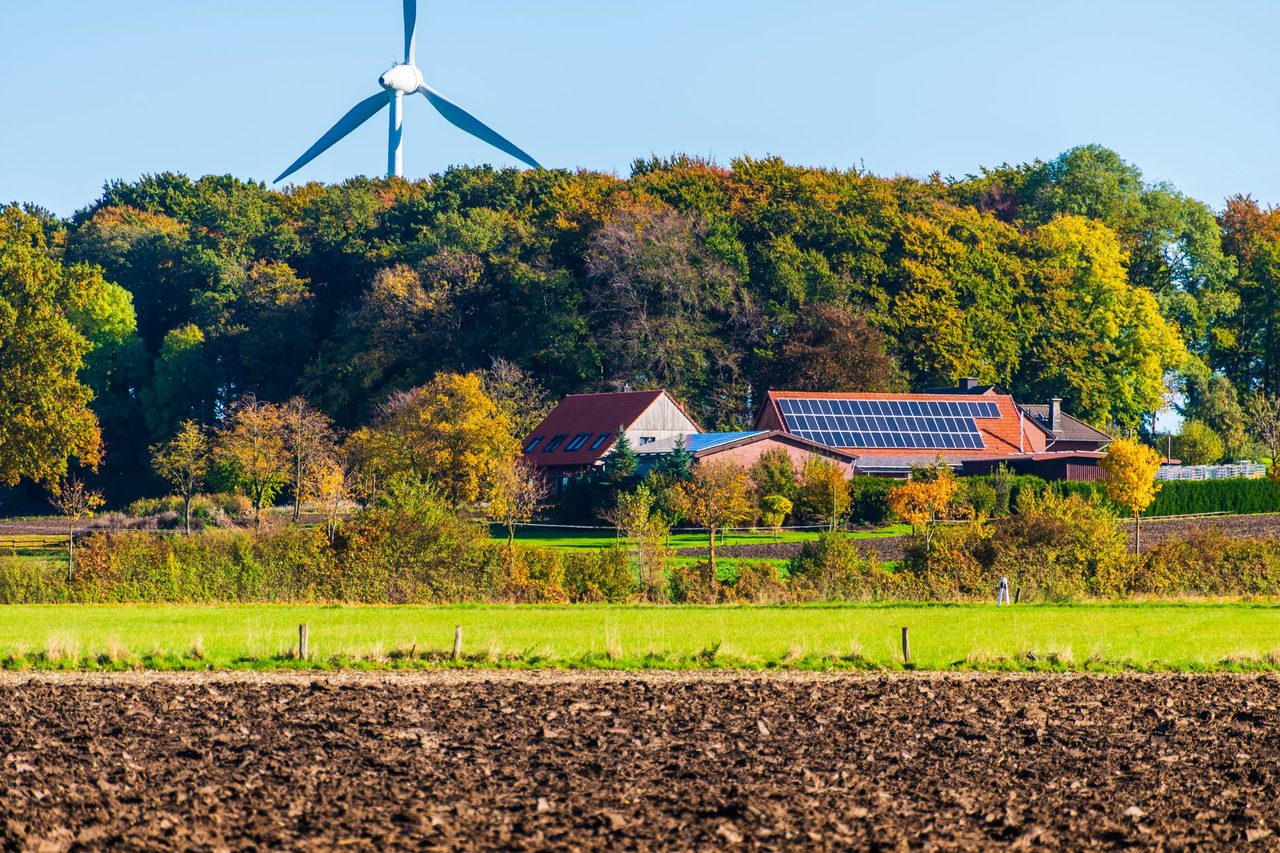
Photo: Sergej ***** on Pexels
India’s open-access market in 2026 is no longer a simple choice between standalone solar and standalone wind. For many commercial and industrial consumers, the next optimisation frontier is the hybrid open access PPA: a portfolio design that combines solar and wind generation, typically from the same developer platform or coordinated assets, to improve supply shape, reduce banking stress and lower the effective landed cost of renewable power.
This is a different problem from the standard third-party versus group captive debate, and it goes beyond a generic landed-cost model. Hybrid structuring sits at the intersection of profile matching, state open-access charges, ISTS or intrastate transmission economics, scheduling discipline, banking rules, and lender comfort with multi-asset cash flows. For C&I buyers evaluating procurement for FY 2026-27, hybrid PPAs are increasingly relevant because open-access regulations in several states now make pure surplus injection and heavy banking less attractive than they were three to five years ago.
This article examines how solar-wind hybrid open-access PPAs work in India in 2026, where they create value, how the charge stack changes, and what corporates, developers and lenders should test before signing.
Why hybrid PPAs are gaining traction in 2026
The core commercial rationale is simple: solar and wind have different generation shapes. Solar is concentrated in daytime hours and usually stronger in the dry season. Wind often contributes in evening, night and monsoon periods, though output volatility remains material. When blended well, the combined profile can increase temporal alignment with industrial demand and reduce reliance on banking or low-value merchant spill.
For a C&I consumer with a relatively flat 24x7 load, a standalone solar open-access PPA may deliver attractive per-unit ex-bus tariffs, often around Rs 2.65-3.20/kWh in stronger states and corridors in 2026, but the landed value drops if a large share of generation arrives during low on-site consumption windows. Standalone wind, by contrast, may be priced around Rs 3.40-4.20/kWh depending on state, CUF, evacuation and balancing assumptions, but can better serve evening and monsoon demand.
A hybrid structure can sometimes produce: - Better hourly load match than either technology alone - Lower banking requirement in states with monthly banking caps or restrictive settlement - Reduced curtailment exposure for the buyer’s usable renewable energy share - More stable effective landed cost across seasons - Better decarbonisation performance against annual and hourly consumption patterns
The difference matters because many state regimes in 2026 either impose banking charges in the 6-10 percent range, limit carry-forward, settle unused banked energy at low pooled or APPC-linked values, or restrict banking for certain consumer categories altogether. In such environments, profile design is as important as headline tariff.
What a hybrid open-access structure looks like
In practice, a hybrid PPA for a corporate buyer is usually one of four designs:
- Co-located hybrid project with common evacuation, where solar and wind assets are developed under one project umbrella
- Virtual hybrid supply from separate solar and wind plants aggregated by one seller under a single commercial arrangement
- Portfolio hybrid with different states or substations, usually more complex and suited to large multi-site offtakers
- Layered procurement where an existing solar PPA is complemented by a new wind PPA or vice versa
The most bankable and execution-friendly model in 2026 is often the first or second. Co-located projects can reduce infrastructure duplication and may improve overall evacuation utilisation. Virtual hybrid arrangements can be more flexible where resource quality is better in separate zones, but they demand tighter metering, scheduling and contractual drafting.
For buyers, the key variable is not whether the project carries the “hybrid” label, but whether the delivered energy profile reduces total cost after all open-access charges and settlement losses. This is where Demand & ToD analysis becomes central. A plant profile that looks efficient annually can still underperform economically if it misses peak tariff periods or oversupplies low-value hours.
The 2026 charge stack: hybrid does not eliminate open-access economics
A common market misconception is that hybrid supply automatically lowers open-access charges. It does not. Most charges are linked to state regulations, voltage level, point of interconnection, contract demand, transmission path and consumer category, not to whether the source mix is solar or wind.
A typical 2026 landed cost build-up for a third-party hybrid open-access supply may include: - Generator tariff: roughly Rs 3.10-3.90/kWh blended, depending on technology ratio and location - Interstate or intrastate transmission charges and losses, where applicable - Wheeling charges and wheeling losses at state level - Cross-subsidy surcharge, where not exempt - Additional surcharge, where applicable and not waived - SLDC charges and scheduling-related fees - Banking charge, if banking is permitted - Standby or balancing-related utility charges in some states or contract designs
For group captive hybrid structures, cross-subsidy surcharge is generally the largest avoidable item if captive compliance is maintained. In many practical cases in 2026, avoiding CSS can create savings of around Rs 0.80-2.50/kWh depending on state and voltage level. However, these savings are meaningful only if the captive structure is robust on the 26 percent ownership and 51 percent consumption tests on an annual basis.
Hybrid does help in one indirect way: it can reduce the quantum of banking and surplus settlement. If banking is charged at 8 percent and unutilised units are settled at a low pooled price, every avoided excess unit can materially improve realised economics.
Consider a simplified example for a Maharashtra or Karnataka type industrial consumer in 2026 evaluating 50 GWh annual procurement: - Standalone solar supplies 72 percent of annual contracted energy into usable demand hours; 28 percent is banked or spilled - Hybrid solar-wind improves direct hourly absorption to 84 percent - Banking charge is 8 percent on banked units - Surplus settlement value is only Rs 2.50-3.20/kWh against a landed cost above Rs 5.00/kWh
That 12 percentage-point improvement in direct absorption can be worth far more than a 10-20 paise difference in headline generator tariff.
Sizing the solar-wind ratio: the most important commercial decision
There is no universally correct hybrid ratio. The right solar-to-wind mix depends on the buyer’s hourly load curve, weekly shutdown pattern, monsoon seasonality, tariff arbitrage between procurement options, and state banking rules.
In 2026, common market starting points are: - 60:40 solar-wind for daytime-heavy industrial loads seeking some evening extension - 50:50 for flatter load profiles or multi-shift manufacturing - 70:30 where low-cost solar remains dominant but some profile smoothing is desired - Wind-heavy blends for monsoon-intensive loads or facilities with night consumption concentration
A credible sizing exercise should test at least these variables: - 15-minute interval demand data for 12 months, preferably 24 months - ToD tariffs under existing DISCOM supply - State-specific banking window and adjustment hierarchy - Monthly generation profiles, not just annual CUF assumptions - Curtailment history on the evacuation corridor - Tolerance for merchant sale or surplus settlement - Future load growth and process changes
This is why Sourcing strategy for hybrid procurement cannot be run on annual averages alone. Buyers who compare offers on a simple Rs/kWh basis often miss the actual value driver: hourly coincidence with consumption and the resulting reduction in charge leakage.
Scheduling, forecasting and balancing risk in hybrid contracts
Hybrid PPAs can improve profile quality, but they add operational complexity. Two technologies mean two forecasting patterns, potentially two sites, and often more dynamic deviation behaviour. In states and markets where scheduling discipline is tight, the contract must clearly allocate forecasting and DSM-related responsibilities.
Key issues to address in 2026 contracts include: - Whether supply is as-generated or shaped to a contract schedule - Who bears DSM or deviation costs at state or regional level - Curtailment treatment and deemed generation provisions - Treatment of transmission outages and backing-down instructions - Whether surplus beyond buyer schedule can be sold by the developer and how value is shared - Metering hierarchy where solar and wind assets are separate but commercially bundled
Lenders will pay particular attention to these clauses if the project finance case assumes a narrow merchant tail and stable offtake realisation. A hybrid asset with a strong C&I offtaker can be attractive, but only if settlement mechanics are transparent and enforceable.
From the buyer’s perspective, a lower headline tariff is not enough if the PPA leaves balancing risk open-ended. A 15-25 paise/kWh hidden scheduling cost can erase the apparent benefit of an aggressive bid.
When hybrid beats standalone solar or wind on landed cost
Hybrid supply does not always produce the lowest cost. It works best under specific conditions.
Hybrid usually outperforms standalone solar when: - The buyer has significant evening or night load - Banking is expensive, capped or restricted - Surplus settlement is weak - The state ToD regime places value on non-solar hours - The buyer wants higher annual renewable coverage without RTC pricing
Hybrid may outperform standalone wind when: - Solar can reduce blended tariff meaningfully - Wind corridor evacuation is constrained in peak season - The consumer’s demand remains strong in daytime industrial blocks - Lenders or buyers prefer a more diversified generation base
However, standalone solar may still win if: - The consumer has highly coincident daytime demand - State charges are moderate and banking remains usable - The objective is lowest possible first-year landed cost - Roof, behind-the-meter or co-located captive options already cover non-solar needs separately
And standalone wind may still win if: - Night load is dominant - Wind resource is exceptional and corridor access is secure - The buyer values monsoon season output more than solar profile alignment
For most buyers, the correct comparison in 2026 is not tariff versus tariff. It is landed cost of consumed units versus landed cost of consumed units. That means subtracting or discounting every banked, spilled, curtailed or low-value settled unit.
A robust Landed-cost management approach should model at least three outputs side by side: - Gross delivered renewable generation - Net usable generation after banking and settlement constraints - Effective cost per consumed renewable unit
On that basis, many apparently cheap standalone solar offers stop looking cheap.
State and regulatory watchpoints for 2026
Hybrid strategy is highly state-sensitive. Before committing, market participants should test these current-year issues:
- Whether the state has modified banking entitlement, settlement cycle or charges for renewable open access in 2025-26 orders
- Whether additional surcharge exemptions remain available for specific captive or renewable categories
- Whether transmission and wheeling loss assumptions in bids match current utility orders
- Whether the consumer’s voltage level changes the economics materially
- Whether the project relies on ISTS benefit assumptions that may sunset, phase down or apply only under specific commissioning timelines
- Whether SLDC operational practice in the state is stricter than the regulation’s text suggests
The Electricity (Promoting Renewable Energy Through Green Energy Open Access) Rules continue to shape the broader policy environment, but actual landed economics remain driven by state commission orders and utility practice. For corporates operating across multiple states, a portfolio approach may be superior to a single-state template.
Developers should also remember that “hybrid” can mean different things to different buyers. Some want better carbon matching. Some want lower open-access cost leakage. Some want a bridge between plain as-generated supply and expensive RTC or FDRE products. The bid structure must reflect the buyer’s commercial objective, not just available project configuration.
What buyers, developers and lenders should do next
For buyers, the immediate task is to stop treating hybrid as a branding label and evaluate it as a load-matching tool. Ask for 12x24 or 15-minute profile simulations, monthly banking outcomes, and effective cost per consumed unit. Push bidders to show losses, charges and likely spill explicitly.
For developers, the winning strategy is not merely offering a blended tariff. It is presenting a transparent hybrid design with realistic scheduling assumptions, state-specific charge treatment and quantified buyer savings against DISCOM and standalone OA alternatives.
For lenders, underwriting should focus on whether the hybrid structure reduces offtake volatility and improves cash-flow resilience, or whether complexity has simply been layered onto already tight charge economics.
In India’s 2026 open-access market, hybrid PPAs are emerging as a practical middle path between cheap-but-spiky as-generated solar and premium firmed renewable products. Where state banking rules are tightening and C&I buyers care about hourly usability, a well-designed solar-wind blend can materially improve procurement outcomes. But the value comes from profile engineering and contract discipline, not from the hybrid label itself.
If your organisation is evaluating hybrid open-access procurement, portfolio redesign, or state-by-state landed cost scenarios, contact Growthifye’s advisory desk. We help buyers, developers and investors with PPA structuring & negotiation, Open-access approvals, and commercial diligence grounded in 2026 market realities.
Explore Growthifye's related capabilities
This analysis connects directly to our advisory practice: Demand & ToD analysis · Sourcing strategy · Competitive developer selection · PPA structuring & negotiation.
About the author

Chief Executive Officer, Growthifye — With over 23 years in management consulting, Sudarshan has taken businesses from concept to scale — building and scaling new-age digital and energy businesses.
- 23+ years in management consulting
- EY alumnus
- Led large-scale BESS programmes, capital raises and advisory mandates
Want this analysis applied to your project?
Talk to our team