STATCOM for RE Evacuation in India 2026: ISTS Design, Costs and Compliance
By Sudarshan Karweer · sudarshan@growthifye.com · +91 84510 99371 (Call / WhatsApp) · 2026-09-08
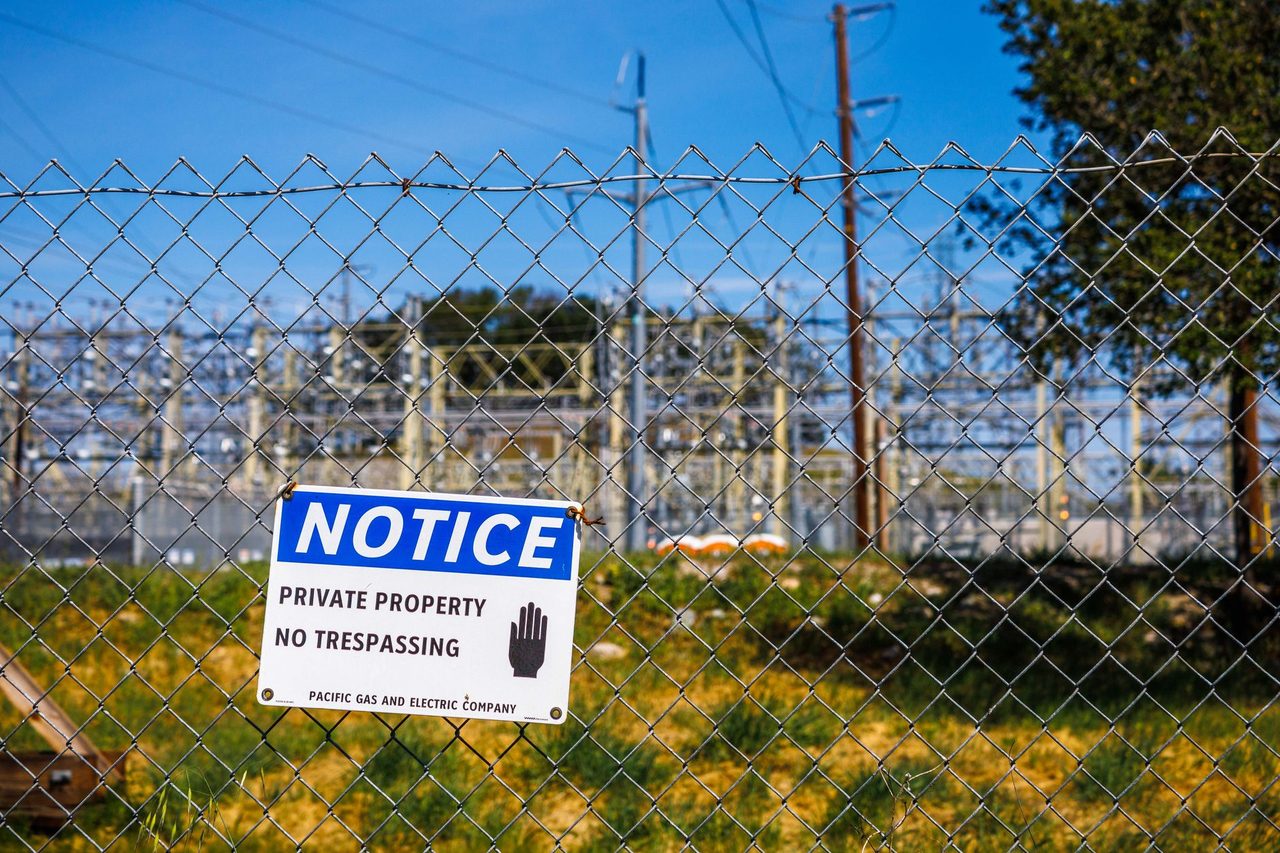
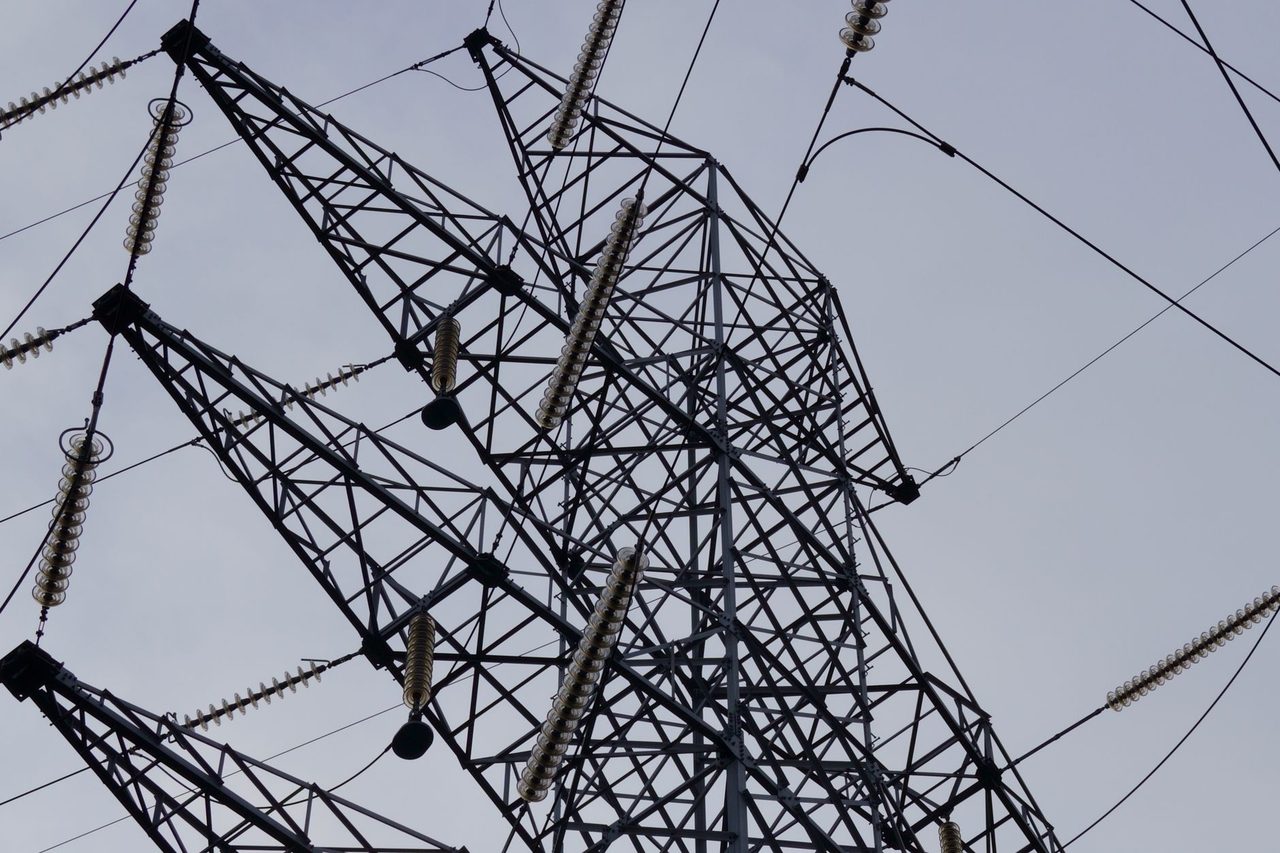
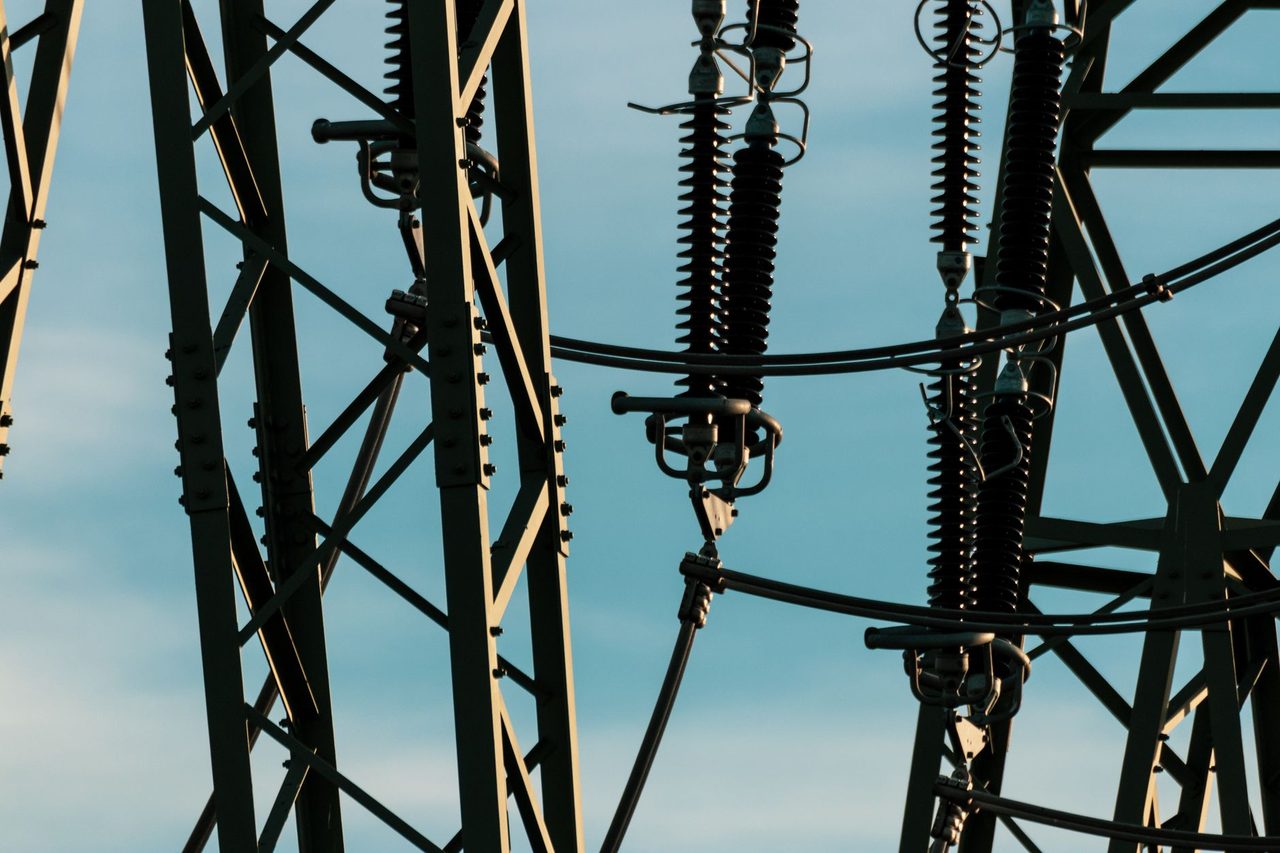
India’s renewable pipeline is now running into a transmission reality: evacuation is no longer only about bay availability, line loading or GNA paperwork. In 2026, many solar, wind and hybrid projects are discovering that dynamic voltage support is the gating item for connectivity, commissioning and dependable generation dispatch. That is why STATCOM planning has moved from a late-stage electrical package to a core transmission and financing decision.
For developers, a poorly specified STATCOM can delay connectivity studies, trigger redesign at the pooling substation, increase auxiliary consumption, and create avoidable curtailment risk. For lenders, it can alter capex, operating margins and compliance certainty. For utilities and policymakers, it has become one of the practical tools for integrating inverter-based resources into weak or disturbance-prone nodes on the ISTS and state networks.
This article explains how STATCOMs are being used for renewable evacuation in India in 2026, where they sit in the project chain, what they typically cost, how they are sized, and what stakeholders should evaluate before procurement and financial close.
Why STATCOMs matter more in India’s 2026 RE evacuation landscape
The underlying problem is straightforward. Large renewable clusters inject power through inverters into networks that may have low short-circuit strength, long EHV lines, variable loading patterns and significant reactive power swings. Static capacitor banks and reactor switching still have a role, but they do not respond fast enough to all system disturbances or renewable ramp events.
A STATCOM provides dynamic reactive power support using voltage source converter technology. In practice, it helps stabilise voltage at the point of interconnection, supports fault ride-through performance, improves recovery following disturbances, and reduces the risk of repeated operating restrictions imposed by the transmission utility or SLDC/RLDC.
This has become more material in 2026 for five reasons:
- Renewable parks are growing in unit size, with 300 MW to 1 GW evacuation packages now common.
- Hybrid projects with co-located storage are changing ramp rates and reactive behaviour across operating modes.
- More projects are connecting into nodes with high inverter-based resource concentration.
- Transmission planners are pushing developers toward tighter technical evidence during connectivity and commissioning.
- Voltage excursions and dynamic performance are under sharper scrutiny by CTU, STUs and system operators.
In Rajasthan, गुजरात, Tamil Nadu, Karnataka and parts of Andhra Pradesh, developers are increasingly encountering substation configurations where steady-state compliance alone is not enough. If bus voltages fluctuate materially under N-0 peak injection, light-load conditions or post-fault recovery, dynamic compensation enters the conversation quickly.
Where STATCOMs fit in the RE evacuation chain
A common mistake is to treat a STATCOM as a standalone OEM package procured after the line and bay design are frozen. In reality, the decision must be linked to the full evacuation architecture:
- Project collector system voltage and inverter control philosophy
- Pooling substation transformer sizing and tap range
- 220 kV, 400 kV or 765 kV interconnection arrangement
- Transmission line charging behaviour and seasonal loading
- Nearby compensation assets such as bus reactors, MSC/MSR banks or synchronous condensers
- Operating requirements under ISTS or state-grid connectivity conditions
Depending on the network, the STATCOM may be installed at:
- The renewable pooling substation
- A dedicated evacuation substation
- The interconnection/ISTS substation under utility scope
- A shared renewable energy zone hub
For utility-scale renewable evacuation, the most common applications in 2026 are at 220 kV and 400 kV substations, though some system-driven cases are emerging at 765 kV nodes where multiple injections interact. The exact ownership structure varies. In some bid frameworks, dynamic compensation is utility-provided. In others, the developer must provide it within the evacuation package or as a connectivity-condition precedent.
This is where early Power system studies are critical. If dynamic var needs are identified after major equipment orders are placed, the developer may face redesign of bus layout, additional land, revised fault studies, harmonics mitigation and delays to energisation.
When a renewable project is likely to need a STATCOM
Not every project needs a STATCOM. But certain conditions increase the probability significantly.
First, weak-grid interconnection. If the effective short-circuit ratio at the point of connection is modest, voltage becomes more sensitive to renewable output changes and disturbances. The exact threshold is network-specific, but projects connecting into electrically remote nodes or into corridors already dense with inverter-based generation should expect closer scrutiny.
Second, long EHV evacuation lines. A 60 km to 150 km 220 kV or 400 kV line can introduce substantial reactive effects depending on loading and line geometry. During light-load conditions, voltage rise can become a recurring issue. During disturbances, recovery may be slow without dynamic support.
Third, high solar concentration with midday export peaks. In several renewable zones, bus voltage management during maximum irradiance and low local demand has become harder than developers anticipated in initial DPRs.
Fourth, wind-rich nodes with frequent ramps. Wind evacuation can produce fast reactive changes, particularly when many turbines are aggregated through collector systems and central transformers.
Fifth, hybrid projects with BESS. Storage can improve controllability overall, but it also creates multiple operating states: charging, discharging, idle, black-start-capable modes in some cases, and transitions between these states. That complexity can strengthen the case for dynamic compensation depending on plant controller strategy.
Typical triggers seen in 2026 studies include:
- Voltage outside planning or operating band under normal dispatch scenarios
- Inability to meet reactive power obligations across active power range
- Poor post-fault voltage recovery margins
- Excessive switching dependence on capacitor banks/reactors
- Risk of inverter tripping during nearby system disturbances
- RLDC/SLDC concern on dynamic voltage support adequacy before synchronisation approval
How STATCOM sizing is done in practice
Sizing is where many projects either overspend or under-protect themselves. There is no universal MVAR rule per MW. In practice, the required rating depends on network conditions, voltage level, plant controls and the study cases considered.
For example, a 300 MW solar project evacuating at 220 kV may find that a ±75 MVAR or ±100 MVAR STATCOM is sufficient if the grid is reasonably strong and fixed compensation is already present. A 500 MW to 1 GW hybrid cluster at 400 kV in a weaker node may require ±150 MVAR, ±200 MVAR or more, especially if the STATCOM is expected to support both normal voltage control and disturbance performance.
In 2026, developers generally evaluate sizing through a staged process:
- Load flow analysis across seasonal high/low demand and high/low renewable generation cases
- Contingency scenarios aligned with approved planning assumptions
- Dynamic simulations for fault ride-through and voltage recovery
- Reactive capability mapping for the plant and interconnection bus
- Harmonic and control interaction checks where relevant
The objective is not just to choose the largest MVAR number. It is to optimise the total compensation mix. In many cases, the lowest lifecycle-cost configuration is a combination of:
- STATCOM for fast dynamic support
- Switched capacitor banks for steady-state reactive injection
- Bus or line reactors for overvoltage management
- Coordinated inverter reactive control via plant controller
This integrated approach often cuts unnecessary converter capacity and auxiliary losses. It also improves maintainability compared with forcing one device to solve all grid behaviours.
The lesson for developers and lenders is simple: ask to see the basis of sizing, not just the vendor proposal. A ±150 MVAR recommendation without clearly documented study assumptions is not enough for a bankable technical package.
2026 cost benchmarks: capex, land, losses and schedule
STATCOM pricing in India remains highly project-specific in 2026 because cost depends on voltage level, MVAR rating, cooling design, harmonic filtering scope, redundancy philosophy, civil complexity and whether transformer bays or GIS extensions are included.
That said, broad market references for utility-scale renewable evacuation packages are as follows:
- ±50 MVAR to ±100 MVAR class: roughly INR 18 crore to INR 35 crore for the core package in simpler configurations
- ±100 MVAR to ±200 MVAR class: roughly INR 35 crore to INR 70 crore depending on voltage level and scope boundaries
- Larger or more complex installations with extensive filtering, GIS integration, difficult site conditions or utility-specific standards can move higher
These are indicative 2026 market ranges, not turnkey truths. The all-in cost can change materially once the following are added:
- Associated transformer and bay works
- Civil foundations and control building
- Harmonic filters, if required
- Protection, control & SCADA integration
- Spare philosophy and long-term service package
- Taxes, freight and erection complexity
Developers should also budget for non-capex impacts:
- Auxiliary power consumption
- Converter losses, often around 0.8% to 1.5% of rated throughput equivalent depending on design and operating point
- O&M contracts and specialised spares
- Additional land and layout constraints at the substation
On schedule, 10 to 16 months remains a realistic planning range from final technical freeze to commissioning for many projects, though faster execution is possible in standardised packages and slower delivery is common when imported subcomponents, utility approvals or bay extensions become bottlenecks. If your PPA milestones are tight, late decision-making on dynamic compensation can easily become the critical path.
Compliance, utility approvals and lender due diligence
By 2026, a STATCOM decision intersects with multiple approval layers even if no rule explicitly mandates one by name. The practical question is whether the overall interconnection arrangement satisfies the applicable technical standards and utility requirements.
Stakeholders should examine at least the following:
- CEA technical standards relevant to connectivity and construction
- Grid code obligations at central or state level, depending on point of interconnection
- CTU/STU connectivity conditions and study observations
- RLDC/SLDC operating expectations for voltage and reactive support
- OEM model validation for dynamic studies
- Protection coordination and SCADA integration requirements
For lenders, the diligence checklist should include:
- Is the need for dynamic compensation confirmed in signed study outputs, not just correspondence?
- Is the scope under developer capex, utility capex or shared infrastructure?
- Are there performance guarantees for reactive response, availability and losses?
- Has the package been reflected in the base-case financial model?
- Is there enough float in the project schedule for design approvals and commissioning tests?
- Are warranty terms aligned with lender reliability expectations?
This is particularly important where generation revenue assumptions rely on high plant availability and minimum curtailment. A project may be mechanically complete but commercially exposed if voltage instability or unresolved compliance observations prevent full injection.
Where Growthifye often adds value is in joining the technical and commercial dots early: study review, evacuation architecture, OEM scope alignment, and bankable design packaging. For multi-stakeholder projects, that integrated view is more useful than a standalone equipment comparison.
Common mistakes developers make on STATCOM packages
The recurring errors in the market are not usually about technology selection. They are about timing, scope definition and coordination.
The first mistake is waiting for utility comments before beginning serious analysis. By then, line routes, switchyard layouts and procurement strategy may already be fixed.
The second is relying only on inverter reactive capability statements. Plant inverters can provide substantial support, but they are not always sufficient under weak-grid or disturbance conditions, and their usable capability varies with active power dispatch and network voltage.
The third is underestimating integration scope. A STATCOM package is not plug-and-play. It touches civil layout, control room interfaces, protection philosophy, harmonic performance, commissioning tests and operator training.
The fourth is buying only on lowest capex. If a lower-cost package leads to higher losses, tighter operating limits or poor response under disturbance, the apparent saving can disappear through reduced generation certainty and retrofit costs.
The fifth is failing to coordinate substation design. Developers planning dynamic compensation should align the package early with HV/EHV substation design, bay allocation, bus arrangement and future expandability. Retrofits in constrained EHV yards are far more expensive than doing it right at concept stage.
What developers, utilities and policymakers should do in 2026
For developers, the right approach is to test dynamic voltage support needs as early as land, evacuation and interconnection options are being compared. Treat it as part of evacuation feasibility, not as a vendor-led add-on.
For C&I buyers and open-access consumers backing large captive or third-party RE projects, ask whether dynamic grid support costs are already embedded in the delivered tariff. A project that looks cheaper on headline tariff but needs later evacuation reinforcement may not remain cheapest over the supply term.
For utilities, standardising study assumptions and decision criteria for dynamic compensation across renewable zones would reduce disputes and compress approval cycles. Today, too much time is still lost in iterative clarification rather than engineering closure.
For policymakers, the key is not technology prescription but better planning transparency. Where renewable energy zones or pooled substations are expected to need dynamic support, that expectation should be communicated early in bid design and network planning notes.
In India’s 2026 transmission landscape, the question is no longer whether dynamic voltage support matters. It is whether the project team has identified the most efficient, compliant and financeable way to provide it. STATCOMs are increasingly central to that answer, especially in weak-grid and high-RE nodes.
If you are evaluating evacuation architecture, dynamic compensation sizing, utility compliance or lender diligence for a renewable project, contact Growthifye’s advisory desk. Our team supports developers, investors and utilities across Power system studies, HV/EHV substation design and grid-integration decision-making.
Explore Growthifye's related capabilities
This analysis connects directly to our advisory practice: Power system studies · HV/EHV substation design · Transmission line engineering · Protection, control & SCADA.
About the author

Chief Executive Officer, Growthifye — With over 23 years in management consulting, Sudarshan has taken businesses from concept to scale — building and scaling new-age digital and energy businesses.
- 23+ years in management consulting
- EY alumnus
- Led large-scale BESS programmes, capital raises and advisory mandates
Want this analysis applied to your project?
Talk to our team