SCADA Historians & Real-Time Energy Data Platforms in India 2026: ROI and Roadmap
By Sudarshan Karweer · sudarshan@growthifye.com · +91 84510 99371 (Call / WhatsApp) · 2026-09-08
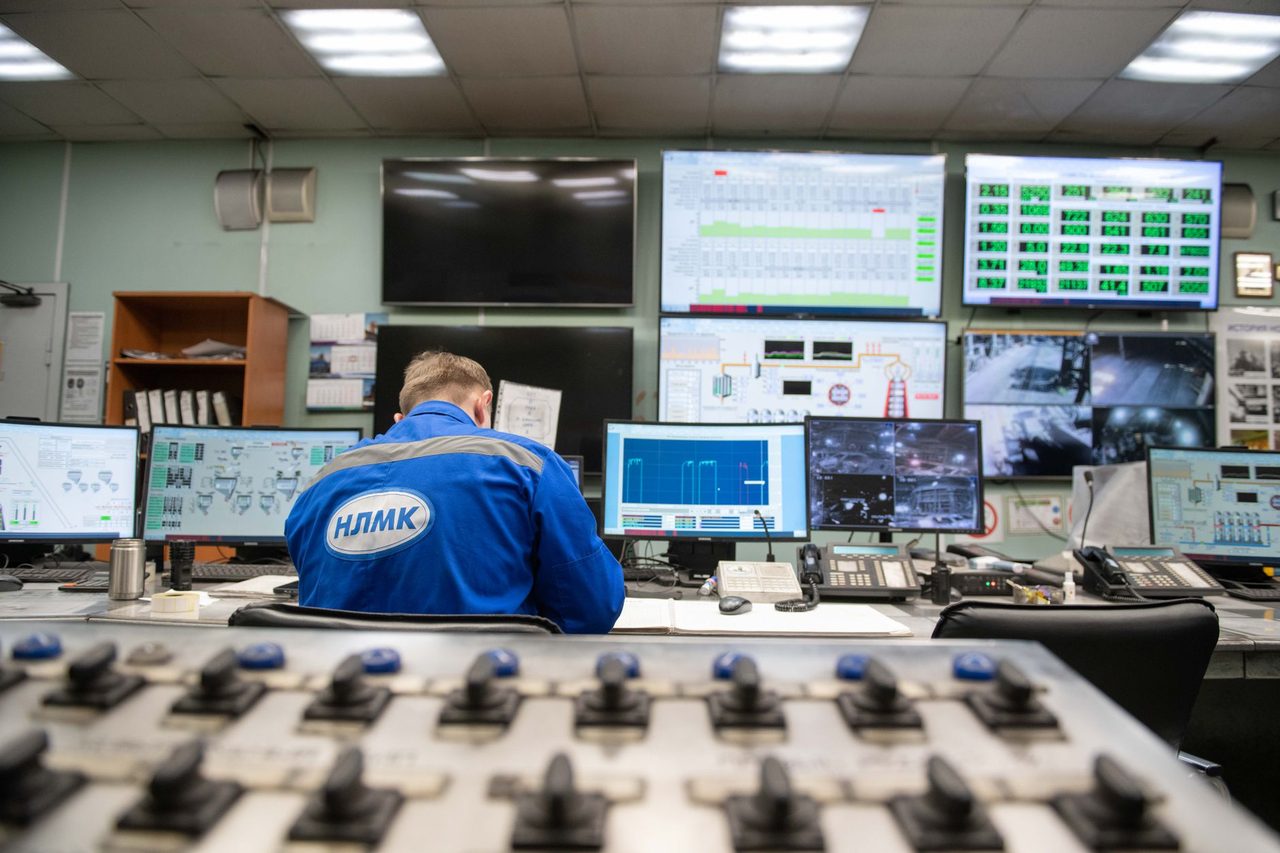
Photo: Sergey Sergeev on Pexels
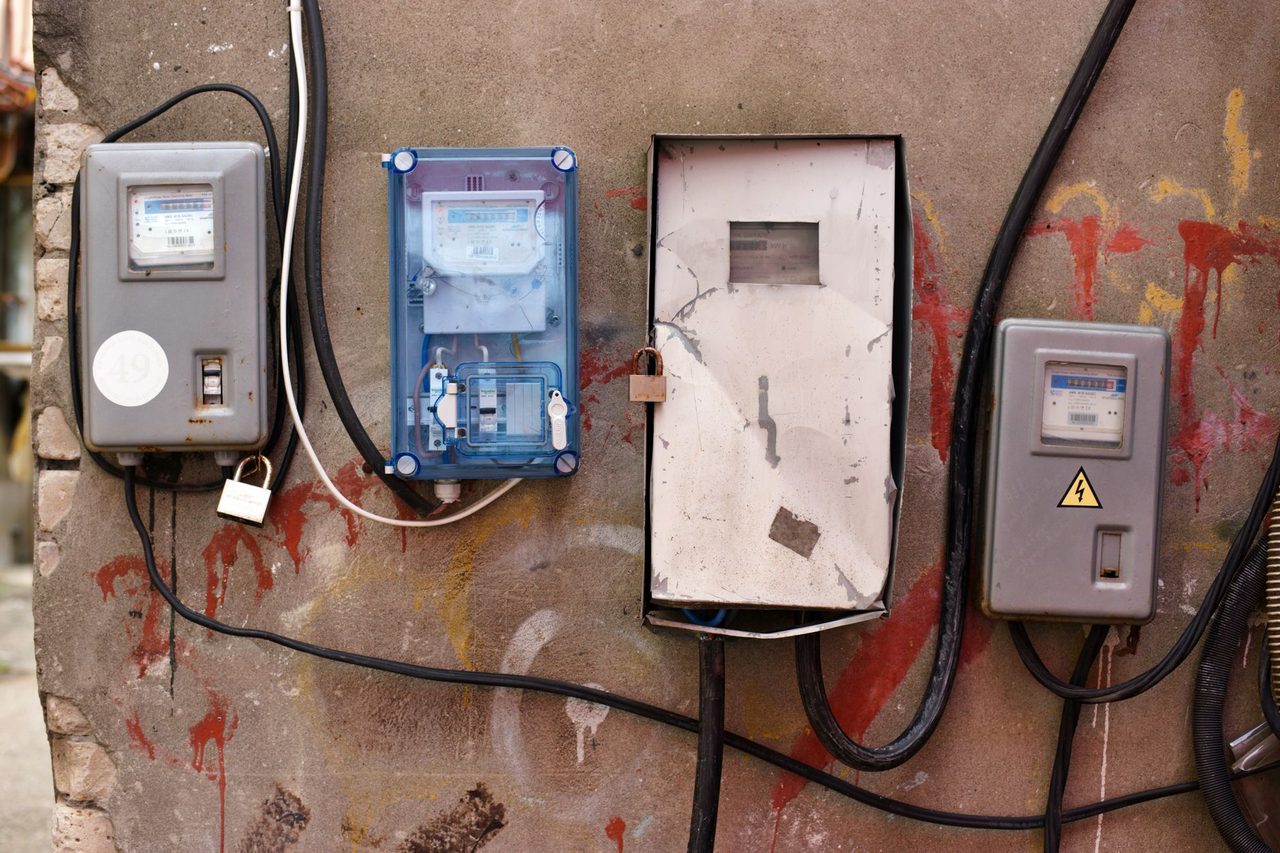
India’s renewable and power sector has spent the last decade digitising assets, meters, substations, inverters, weather stations and enterprise workflows. Yet in 2026, many utilities, renewable developers and commercial and industrial energy users still struggle with one basic issue: operational data is fragmented, delayed and difficult to trust at scale. SCADA screens may show alarms and status in real time, but historical data often sits in isolated historians, OEM portals, local servers and spreadsheet extracts. That gap directly affects generation performance, scheduling accuracy, payment reconciliation, outage response, contractual claims and lender confidence.
A modern SCADA historian and real-time energy data platform is now a core IT and operational requirement for Indian energy companies. This is not the same topic as broad energy data platforms or AI. The more specific challenge is how to collect, time-align, retain, secure and operationalise high-frequency operational data from field systems so that it becomes usable across O&M, performance engineering, dispatch, commercial, finance and compliance teams.
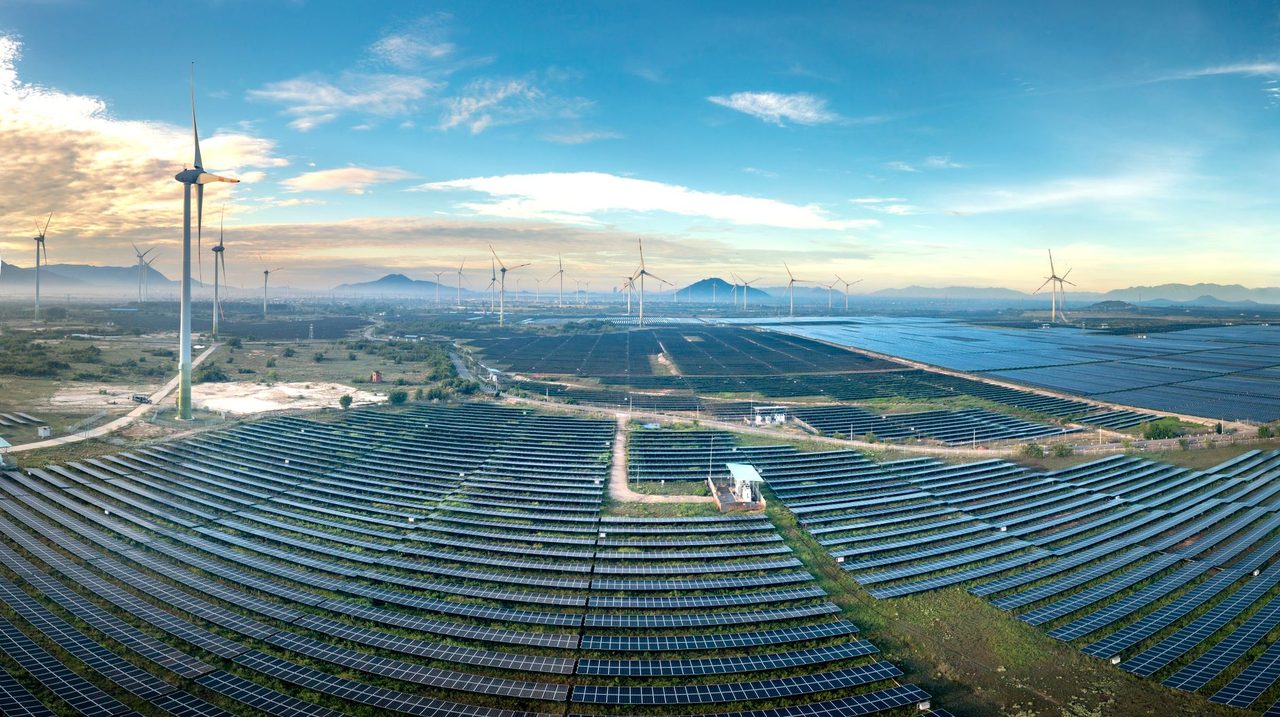
For Indian stakeholders, this has become more urgent in 2026 because portfolios are larger, hybrid projects are rising, storage is entering dispatch decisions, open access operations are data-heavy, and grid compliance expectations continue to tighten. At the same time, lenders and asset owners increasingly expect evidence-backed performance review rather than monthly summary reports prepared manually.
Why SCADA historian modernisation matters in India now
Across Indian solar, wind, hydro, storage and T&D environments, the classic data pattern is familiar:
- Plant SCADA captures second-level or minute-level signals from inverters, turbines, protection relays, transformers and meters
- OEM systems retain richer event and fault data, but access is restricted
- State load dispatch and scheduling workflows rely on separate datasets
- ERP, billing and contract systems use a different version of generation or consumption data
- Site teams export CSV files to answer daily operational questions
This fragmentation creates measurable losses.
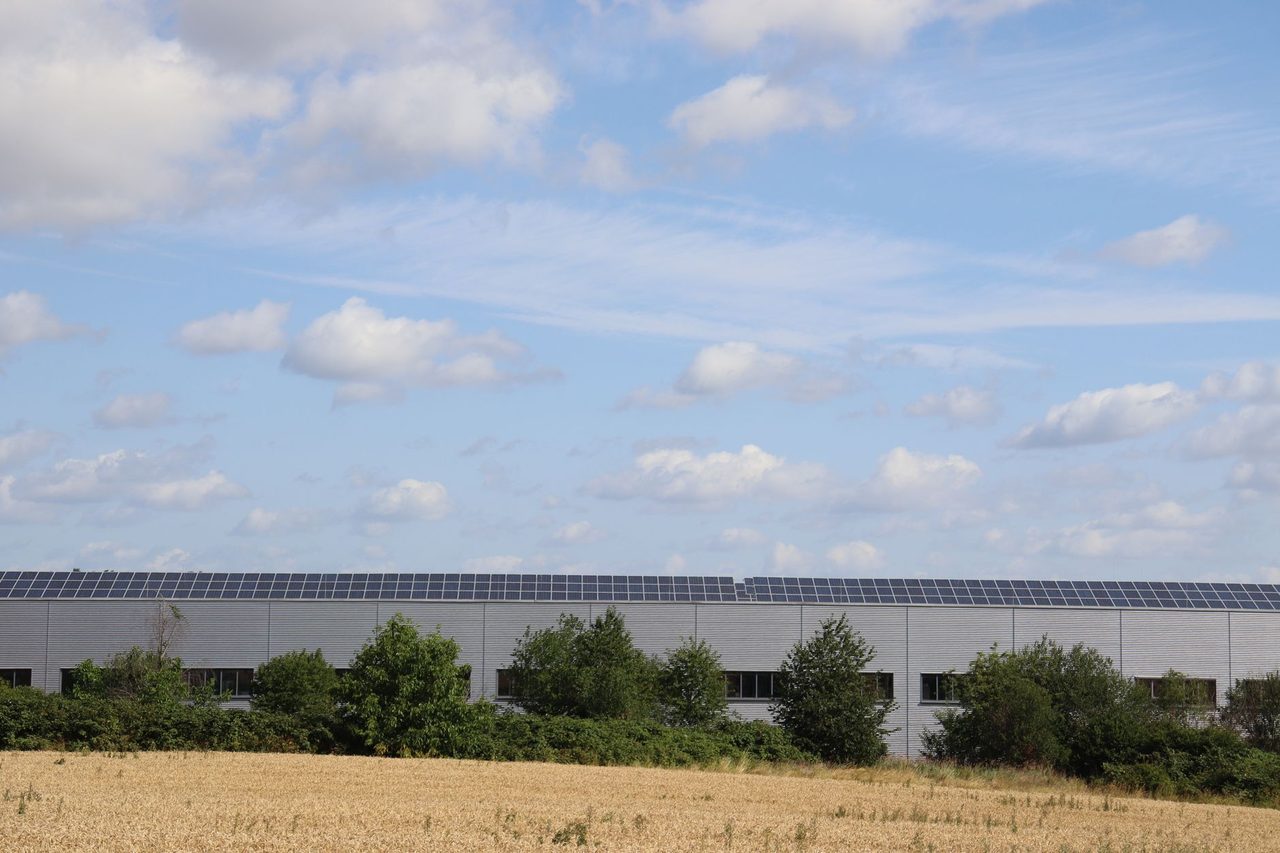
For a 100 MW solar plant operating at a 24% CUF, annual generation is roughly 210 million kWh. If even 0.7% generation opportunity is lost due to slow fault detection, curtailment misclassification, delayed inverter restart analysis or poor tracker issue visibility, that is around 1.47 million kWh. At a realised tariff of Rs 2.70 to Rs 3.20 per kWh, the annual value leakage is approximately Rs 40 lakh to Rs 47 lakh. On a multi-site portfolio, the impact becomes material very quickly.
For wind assets, the historian problem is often worse because event codes, turbine states, availability calculations and wake or grid-loss interpretation differ by OEM. If a 250 MW wind fleet improves technical availability interpretation and outage triage enough to recover just 1.0% generation at a blended realised value of Rs 3.25 per kWh and 30% CUF, the upside can exceed Rs 2.1 crore annually.
For C&I consumers, especially those using open access, captive or group captive structures, poor real-time data creates a different class of problems:
- delayed demand response at high tariff periods
- weak validation of wheeling and banking assumptions
- missed alerts on power quality and feeder interruptions
- inaccurate baseline data for energy-saving projects
- poor reconciliation between utility bills, ABT meters and internal loads
In short, the issue is no longer whether to store operational data. The issue is whether that data stack can support decisions in minutes, not days.
What a modern historian and real-time platform should include
A 2026-ready architecture for India energy companies should do more than archive tags. It should connect field operations to enterprise decision-making while preserving cyber and regulatory controls.
At minimum, the stack should include:
- data ingestion from SCADA, PLCs, RTUs, IEDs, weather stations, meters, BESS controllers and OEM APIs
- support for industrial protocols such as OPC UA, Modbus TCP, IEC 60870-5-104, IEC 61850 gateways and secure file/API exchange
- high-frequency time-series storage with compression and fast retrieval
- event and alarm capture with millisecond or second-level time-stamping where required
- asset hierarchy and tag contextualisation so business users know what each signal means
- data quality rules for missing values, frozen tags, clock drift and unit mismatches
- secure replication to enterprise or cloud analytics environments
- role-based access, audit trails and retention policies
- APIs and streaming outputs for downstream analytics, scheduling, reporting and partner systems
The real differentiator is not just storage. It is context.
For example, one inverter signal showing repeated trips is not useful by itself. But if the platform links that signal to irradiance, string current, internal temperature, last maintenance action, spares lead time, previous fault history and generation loss estimate, operations can prioritise action economically rather than merely technically.
Similarly, in a substation or utility network setting, event sequence analysis becomes far more powerful when relay events, breaker position changes, bay-level loads and disturbance records can be aligned on a common time base.
Key use cases by stakeholder group
The strongest business case comes when the platform serves multiple teams from the same trusted operational dataset.
Renewable developers and IPPs
For solar, wind and hybrid owners, high-value use cases include:
- inverter, turbine and feeder downtime analysis with loss quantification
- curtailment vs equipment outage classification for claim support
- PR, CUF and availability calculations using consistent logic across sites
- weather-to-generation deviation analysis for scheduling and forecasting teams
- root-cause analysis of repeat faults and underperforming blocks
- spare-parts planning based on actual failure patterns
- lender and management reporting with drill-down to event history
In many Indian fleets, monthly reporting still requires manual effort from site engineers and central teams. A good historian layer can reduce reporting preparation time by 50% to 80% while improving traceability.
Utilities and grid operators
For distribution and transmission entities, modern operational data infrastructure supports:
- feeder and substation event sequence analysis
- transformer loading and overload early warning
- outage restoration monitoring
- power quality trend analysis
- audit support for interruptions and consumer claims
- integration with outage management, GIS and enterprise maintenance workflows
- cyber-resilient data segregation between control systems and enterprise users
As utilities prepare for more distributed energy resources, EV loads, rooftop injections and storage, relying on basic SCADA screens without scalable historical analytics will become increasingly limiting.
C&I energy consumers
Large industrial users can benefit from real-time platforms in areas such as:
- demand spike alerts and peak-load avoidance
- process line energy intensity tracking
- captive and open access source performance monitoring
- DG set, rooftop solar and BESS dispatch optimisation
- internal chargeback by department or facility
- validation of utility bills and power quality issues
For a plant with a 10 MW contract demand, even a 0.5 MW avoidable peak reduction during critical windows can materially lower monthly charges depending on the state tariff order and demand charge structure. Real-time operational data enables that response.
ROI in 2026: where the numbers typically come from
Boards and investment committees do not approve data infrastructure because it sounds modern. They approve it when the value stack is explicit.
Typical ROI levers in Indian energy businesses include:
- generation recovery from faster fault identification and closure
- lower reporting and engineering effort
- reduction in data disputes between O&M, asset management and offtakers
- better curtailment and outage evidence for contractual settlement
- lower integration cost versus repeated point-to-point interfaces
- improved planning for maintenance windows and spares
- stronger forecasting inputs where operational state data matters
- less downtime caused by bad or missing field data
A practical ROI range for a mid-sized 500 MW renewable portfolio modernising historian and operational data flows may look like this:
- implementation and integration cost: Rs 1.5 crore to Rs 4 crore, depending on OEM diversity, cybersecurity, on-premise constraints and number of sites
- annual operating cost: Rs 20 lakh to Rs 70 lakh
- annual direct value from generation recovery and engineering efficiency: Rs 1.2 crore to Rs 4 crore
- softer but important value from auditability, claims support and lender reporting: meaningful but case specific
That often puts payback within 12 to 24 months when the rollout is disciplined.
For utilities, ROI is sometimes harder to frame as direct revenue. But avoided outage time, reduced investigation effort, better asset utilisation and fewer consumer disputes can still justify the investment, especially when linked to reliability metrics and network planning.
Common implementation mistakes in India
Many energy companies have already tried to improve data visibility and failed to get adoption. The reasons are predictable.
- treating the historian as an IT archive instead of an operations product
- replicating bad tag structures from site SCADA into the enterprise layer
- ignoring time synchronisation and clock drift between devices
- underestimating OEM data access restrictions and licensing issues
- pushing everything to dashboards before fixing data quality and context
- mixing cybersecurity zones in ways that create operational risk
- designing only for one solar OEM or one plant type, then struggling to scale
- failing to define a single source of truth for commercial calculations
A common trap is to buy a platform first and figure out use cases later. That usually leads to underutilised dashboards and constant requests for manual exports.
The better approach is to start with 8 to 12 high-value decisions that users need to make, then design the historian and real-time data model around those decisions.
This is where structured IT strategy & roadmaps matter. Without a phased architecture, companies either overspend on enterprise tooling they do not use or create another patchwork of local systems.
A practical rollout roadmap for 2026
For most Indian organisations, the right path is phased modernisation rather than a big-bang rebuild.
Phase 1: assess and prioritise
- map current SCADA, historian, OEM portal, meter and enterprise interfaces
- identify critical use cases by business value and user group
- classify assets, protocols, data frequencies and retention needs
- review cybersecurity boundaries and remote access practices
- quantify current losses, delays and manual effort
Phase 2: build the core operational data layer
- standardise tag naming, asset hierarchy and metadata
- establish secure ingestion from priority sites and systems
- implement historian storage, replication and quality controls
- align time sources and event sequencing logic
- define common calculations for generation, availability and downtime
Phase 3: operationalise analytics and workflows
- configure dashboards for site teams, central O&M, asset management and management review
- automate alerts for critical conditions and data-quality failures
- connect to ticketing, maintenance or ERP workflows where justified
- publish governed datasets for commercial, finance and reporting teams
Phase 4: scale and optimise
- extend to remaining sites and asset classes
- benchmark assets across OEMs and states
- enrich with condition-monitoring and weather data
- support advanced analytics, outage prediction and fleet optimisation
At this stage, companies often benefit from linking the historian environment with Data & analytics platforms for broader decision support, but the operational foundation must come first.
Architecture, cloud and cybersecurity choices
The cloud question is no longer ideological in 2026. It is about latency, resilience, cost and risk segmentation.
In India energy environments, the most workable model is often hybrid:
- operational control remains within plant or utility OT boundaries
- historian collection occurs close to source for reliability
- curated and secured replication feeds enterprise and cloud environments
- sensitive remote access is tightly governed and logged
This allows central teams to analyse data across a portfolio without exposing control systems unnecessarily.
For many organisations, Cloud migration in this context should not mean lifting OT systems blindly into public cloud. It should mean selectively moving analytical, archival and collaboration workloads while preserving deterministic control and security requirements at site.
Cybersecurity cannot be an afterthought. Real-time operational data platforms sit at the OT/IT boundary, which makes them both valuable and vulnerable. Indian companies should pay attention to:
- network segmentation between control, DMZ and enterprise zones
- least-privilege access for OEMs, integrators and internal users
- secure protocol gateways and encrypted data transfer where feasible
- patch and backup policies that respect operational uptime constraints
- monitoring of historian connectors, replication jobs and API access
- incident response playbooks covering data integrity, not just downtime
The platform should help operations move faster without creating a new pathway for cyber risk.
What decision-makers should ask before approving a program
Before signing off on a historian modernisation or real-time data initiative, leadership teams should ask:
- Which business decisions will improve in the first 6 months?
- What is the baseline value leakage today in generation, outages, reporting and disputes?
- Which sites and OEMs create the hardest integration issues?
- Who owns calculation logic for availability, loss categories and commercial reporting?
- How will the architecture separate operational control from enterprise access?
- What internal team will sustain metadata, quality rules and user adoption?
- How will success be measured beyond dashboard counts?
If these answers are vague, the program is not ready.
In 2026, the Indian power and renewable sector does not need more isolated visualisation tools. It needs decision-grade operational data infrastructure that is secure, scalable and tied directly to measurable outcomes. SCADA historian modernisation is one of the most practical ways to unlock that value because it addresses the source of truth problem at the point where operations, engineering and commercial performance intersect.
For developers, utilities, lenders and C&I users alike, the advantage is clear: faster diagnosis, more defensible reporting, stronger performance accountability and better returns from existing assets.
If your organisation is evaluating historian upgrades, real-time operational data architecture or multi-site integration, contact Growthifye’s advisory desk. We help energy companies define the business case, architecture, rollout plan and governance needed to deliver results.
Explore Growthifye's related capabilities
This analysis connects directly to our advisory practice: IT strategy & roadmaps · ERP & asset management systems · Data & analytics platforms · Cloud migration.
About the author

Chief Executive Officer, Growthifye — With over 23 years in management consulting, Sudarshan has taken businesses from concept to scale — building and scaling new-age digital and energy businesses.
- 23+ years in management consulting
- EY alumnus
- Led large-scale BESS programmes, capital raises and advisory mandates
Want this analysis applied to your project?
Talk to our team