India Solar Module Soiling & Cleaning Strategy 2026: EPC, Water, Robotics Guide
By Sudarshan Karweer · sudarshan@growthifye.com · +91 84510 99371 (Call / WhatsApp) · 2026-09-13

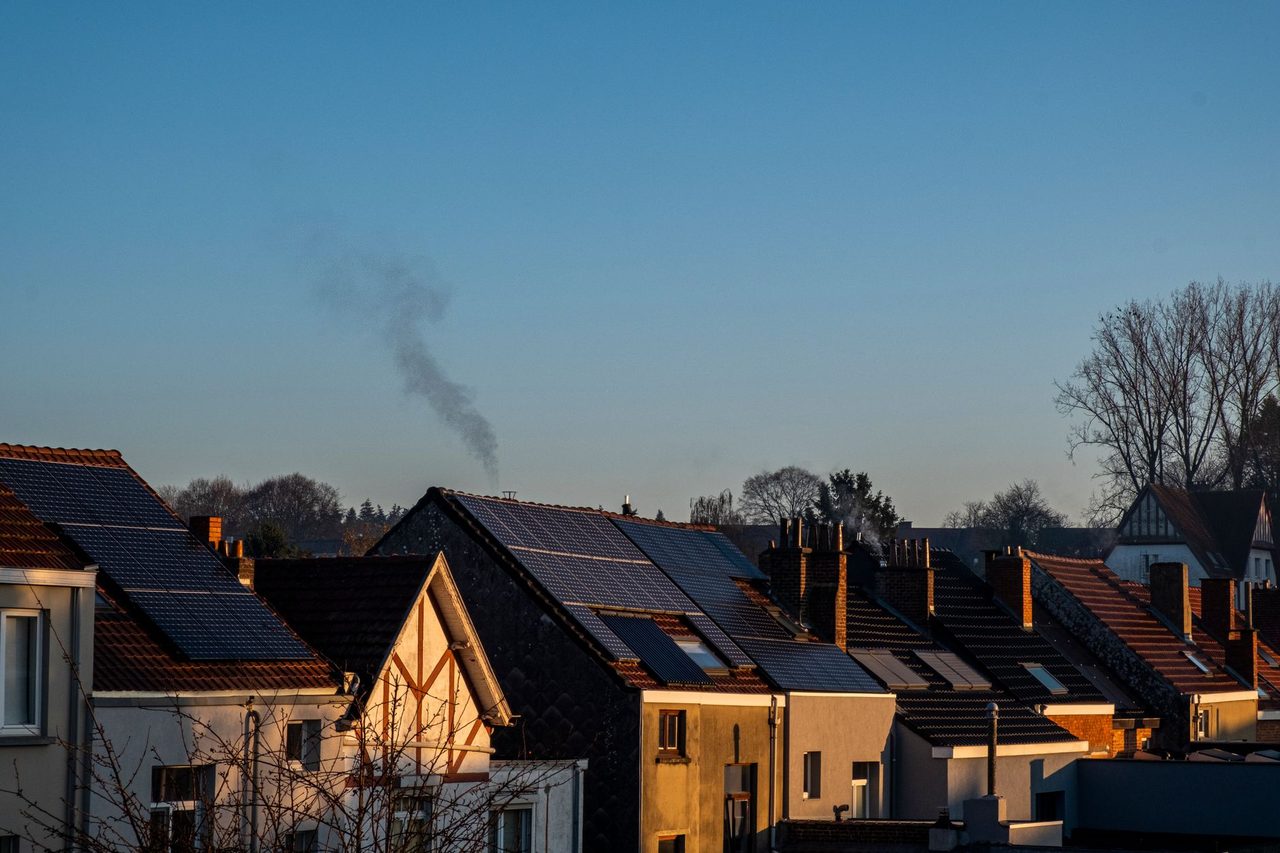
Photo: Florida Solar Fix on Pexels
India’s solar build-out in 2026 is no longer constrained only by module pricing, ALMM availability, inverter lead times or substation readiness. For operating plants, one of the most material and avoidable revenue leaks remains soiling loss. In dry, dusty and high-pollution zones, poor cleaning strategy can wipe out 2% to 8% of annual yield, and in some stretches even more between cleaning cycles. For C&I rooftops, the loss can be masked by load variability and weak monitoring. For utility-scale projects, the loss usually shows up as unexplained PR underperformance, generation misses against P50 assumptions, and disputes between EPC, O&M contractor and owner’s engineer.
This makes soiling strategy an EPC and financing topic, not just an O&M housekeeping issue. The right decisions start at design stage: module tilt, row spacing, water storage, cleaning access, walkway provisions, drainage, robot compatibility, SCADA tagging and warranty-safe cleaning methods. They continue through commissioning with baseline soiling measurement, cleaning SOPs, water quality checks and performance benchmarking.
For Indian developers, lenders, utilities and large C&I buyers, the key question is simple: what cleaning philosophy delivers the lowest levelised cost of energy while preserving module life, worker safety and plant availability?
Why soiling deserves board-level attention in Indian solar projects
India’s 2026 solar market spans desert-edge parks in Rajasthan, industrial belts in Gujarat and Maharashtra, cement and mining regions in Andhra Pradesh and Chhattisgarh, humid coastal zones in Tamil Nadu, and dense urban rooftops in NCR, Bengaluru, Hyderabad and Pune. Soiling behaviour differs sharply across these locations.
A practical range seen across operating portfolios is:
- 0.1% to 0.2% daily loss in relatively cleaner, post-monsoon conditions
- 0.2% to 0.4% daily loss in moderate dust belts or industrial corridors
- 0.4% to 0.7% daily loss in arid zones, construction-heavy corridors or ash-prone areas
- 1% or more over a few days during dust storms, crop residue activity, nearby earthworks or industrial emissions events
On an annual basis, unmanaged soiling can translate into:
- 2% to 4% loss at many C&I and utility sites with acceptable cleaning discipline
- 4% to 6% loss at dusty inland sites with inadequate cleaning frequency
- 6% to 8% or higher at severe sites where water, access or O&M discipline is poor
For a 100 MW AC project generating around 180 to 210 million kWh annually, a 3% soiling-related loss can mean 5.4 to 6.3 million kWh of lost generation. At a tariff or realised value of Rs 2.8 to Rs 4.5 per kWh depending on project structure, that is roughly Rs 1.5 crore to Rs 2.8 crore of annual value erosion. In open-access and C&I structures with higher effective energy value, the commercial hit can be larger.
That is why lenders increasingly ask whether site energy models include realistic soiling assumptions, whether O&M budgets match local cleaning intensity, and whether water and robotic systems are actually usable at scale rather than assumed on paper.
Soiling risk varies by geography, technology and plant design
Not all modules soil the same way, and not all sites recover equally after cleaning. A workable 2026 assessment must examine local dust chemistry, rainfall pattern, tilt angle, mounting type and module surface behaviour.
The most important Indian drivers are:
- Desert and semi-arid dust: fine particulates, frequent wind resuspension, strong impact on horizontal or low-tilt surfaces
- Industrial fallout: cement dust, fly ash, carbonaceous deposits, metallic particulates and sticky films near factories or thermal assets
- Agricultural activity: ploughing, harvest dust, biomass residue movement and seasonal spikes
- Bird droppings and organic fouling: common on rooftops and near water bodies, often causing localised hotspot risk if left untreated
- Saline and humid deposits in coastal zones: not always heavy dust mass, but can create persistent films and cleaning marks
- Construction activity around operating plants: a major but under-budgeted source of temporary severe soiling
Technology choices also matter.
- Bifacial modules can suffer front-side soiling loss like monofacial modules, while rear-side gain may degrade if ground conditions deteriorate or dust alters albedo effect
- Glass-glass modules may offer mechanical robustness, but cleaning methods still need to respect manufacturer limits on pressure, brush hardness and chemical use
- Large-format modules on trackers need careful robotic interface planning because torsional behaviour, edge clearance and stow conditions affect cleaning operations
- Low-tilt rooftop arrays tend to retain dirt more stubbornly than higher-tilt ground-mount systems, especially under urban grime and bird activity
Design-stage errors that worsen soiling economics include:
- Selecting very low tilt to maximise DC density without accounting for site dust profile
- Inadequate module-to-roof or row access for manual cleaning teams
- No permanent water points or undersized storage tanks
- Poor drainage causing muddy splash-back onto lower module edges
- Tracker geometry that limits robot path stability
- SCADA setup that cannot separate soiling loss from inverter, clipping or curtailment effects
This is where integrated planning from Solar & hybrid plant EPC and Procurement & vendor management teams becomes important. Cleaning is not an afterthought add-on; it is a plant design parameter.
Manual, semi-automatic or robotic cleaning: what works in 2026?
Indian projects in 2026 generally evaluate three cleaning models: manual wet cleaning, semi-automatic systems and robotic dry or hybrid cleaning. The right answer depends on water availability, labour economics, terrain, module mounting and target cleaning frequency.
Manual wet cleaning remains widespread because capex is low and contractors are easy to mobilise. But it comes with limits:
- Output quality varies by crew discipline
- Night cleaning or early-morning windows are harder to standardise
- Worker safety risk rises on rooftops, tracker rows and uneven terrain
- Water logistics can become expensive in dry districts
- Abrasion risk increases if dirty brushes or poor-quality water are used
Semi-automatic systems using hose reels, low-pressure pumps or vehicle-assisted tools improve productivity, but still depend heavily on operator skill and site access.
Robotic cleaning has matured, especially for utility-scale ground-mount and some industrial rooftops. Yet it is not automatically bankable just because the OEM pitch looks strong. Key 2026 evaluation points are:
- Can the robot handle the site’s actual module dimensions, clamp positions and row tolerances?
- What is the cleaning speed per MW per night and the practical fleet size needed?
- Is dry cleaning sufficient for sticky deposits, bird droppings and oily industrial films?
- What is the failure rate of motors, rails, batteries or docking stations in high-heat conditions?
- How much auxiliary power does the robotic system consume annually?
- What redundancy exists if 10% to 20% of robots are unavailable at the same time?
- Does the OEM have Indian spares support and enforceable uptime commitments?
In water-stressed regions, dry robotic cleaning can look attractive. But many plants discover that dry brushing alone cannot maintain target cleanliness during sticky soiling episodes. Hybrid strategies are often more realistic: frequent robotic dry passes plus periodic wet cleaning for deep restoration.
Typical commercial logic in 2026:
- Utility-scale dusty sites with water stress: robotic or hybrid can make sense if annual yield recovery exceeds total ownership cost and O&M reliability is proven
- Urban and complex rooftops: manual or semi-automatic often remains practical due to fragmented layout and obstructions
- Severe industrial environments: periodic wet cleaning remains necessary even if robots handle routine dust
Water strategy is now a core EPC design decision
Water is no longer a side note in solar cleaning discussions. In several Indian states, abstraction permissions, tanker cost volatility and local community sensitivity have made cleaning-water planning a first-order project issue.
A robust water strategy should cover:
- Source: borewell, tanker, treated wastewater, recycled plant water, or municipal industrial supply
- Storage: buffer for cleaning cycles during peak dust months
- Distribution: hydrant points, piping, hose reach and pressure control
- Quality: TDS, hardness, suspended solids and pH limits suited to module cleaning
- Disposal and drainage: avoiding mud formation, civil erosion and electrical risk
Poor water quality leaves mineral deposits and streaking, reducing the benefit of cleaning and potentially damaging glass over time. High-TDS water also increases spotting risk, particularly in hot climates with fast drying. Many module OEMs and O&M contracts now specify demineralised or controlled-quality water for sensitive cleaning use cases, at least for final rinse or severe staining events.
Indicative water considerations used by practitioners:
- Cleaning water demand can become substantial at utility scale if wet cleaning is frequent
- Tanker costs in dry months can sharply alter O&M budgets
- Treated wastewater can be economical if logistics and quality control are managed properly
- Rainwater harvesting helps, but rarely covers full dry-season demand at large sites
Developers should stress-test O&M budgets against worst-month water cost, not annual averages alone.
How to write better EPC and O&M specifications for cleaning performance
Many cleaning disputes happen because contracts define activity, not outcome. Saying modules will be cleaned every X days is not enough. Contracts should link method, frequency, safety, and measured performance.
Minimum specification points include:
- Baseline soiling assumptions used in energy model
- Site-wise cleaning frequency bands by season
- Trigger-based cleaning after dust storms, bird fouling events or construction activity
- Permitted and prohibited cleaning tools, brushes, chemicals and pressure limits
- Water quality standards and testing frequency
- Night or low-irradiance cleaning requirements to avoid thermal stress
- Worker safety SOPs for rooftops, trackers and electrical proximity
- Robot uptime guarantees, spare strategy and response time if robotic systems are deployed
- SCADA and reporting requirements for pre- and post-cleaning performance assessment
Where technically and financially justified, soiling stations or reference devices should be installed. These are not perfect, but they materially improve decision-making versus cleaning by intuition. At larger plants, combining weather data, soiling sensors, inverter-level trends and drone or thermal observations creates a more defensible cleaning schedule.
For lender and investor confidence, acceptance protocols should also verify that cleaning systems are fully functional at handover. This links directly with Testing, commissioning & handover and QA/QC & HSE enforcement. If a project is commissioned without usable water lines, safe access or trained robotic operators, the theoretical PR at COD will not be sustained.
The business case: measure cleaning by recovered rupees, not by habit
The right cleaning interval is not weekly, fortnightly or monthly by default. It is the point where the marginal value of recovered generation exceeds the marginal cost and operational risk of cleaning.
A practical framework for 2026 Indian assets is:
- Estimate daily soiling accumulation by season and event type
- Translate energy loss into rupees using actual tariff or avoided power cost
- Add direct cleaning cost: labour, water, transport, robot lease or depreciation, auxiliary power, supervision
- Add indirect cost: module damage risk, safety exposure, downtime impact and logistics constraints
- Optimise interval separately for summer, monsoon shoulder months and winter
For C&I plants, the value of recovered generation may equal retail offset or open-access savings, often much higher than plain feed-in value. That means more frequent cleaning can be justified. For utility projects on lower tariffs, the threshold may be tighter, but even then large portfolios can recover significant value through disciplined scheduling.
Example logic:
- If a dusty 50 MW AC plant loses 0.35% per day and average energy value is Rs 3.2 per kWh, delaying cleaning by 10 extra days can quickly cost more than the cleaning event itself
- If a rooftop portfolio has irregular access and cleaning damage risk, a lower-frequency but higher-quality supervised regime may outperform frequent low-quality vendor visits
Owners should also watch the hidden cost of over-cleaning:
- Excess labour and water spend
- Increased breakage or micro-scratch risk
- Unnecessary safety exposure
- O&M distraction from higher-priority electrical issues
The objective is not maximum cleaning. It is economically optimal cleaning.
What Indian developers, lenders and C&I buyers should do in 2026
For new projects:
- Include site-specific soiling and water studies during pre-FEED or detailed engineering
- Test robotic claims against actual module table geometry and operating conditions
- Budget permanent cleaning infrastructure in capex, not as an afterthought
- Align energy model assumptions with realistic O&M capability
- Ensure module warranty conditions for cleaning are contractually understood by EPC and O&M teams
For operating assets:
- Recalculate soiling loss using seasonal SCADA analysis instead of annual assumptions only
- Compare actual cleaning spend versus recovered generation value
- Audit water quality, tool condition and contractor method on site
- Identify underperformance clusters caused by local fouling, splash-back or access constraints
- Review whether repowering of cleaning approach, not the electrical plant, is the fastest route to yield improvement
For lenders and portfolio investors:
- Ask whether the base-case generation model includes defendable soiling assumptions
- Check if water and cleaning logistics are secure during peak dry months
- Verify that robotic systems, if used, have service support and measurable uptime obligations
- Treat chronic soiling underperformance as a technical due diligence issue, not only an O&M line item
In 2026, India’s best-performing solar assets are not always those with the lowest module price or the most aggressive DC sizing. They are often the plants where design, cleaning logistics, monitoring and accountability were integrated from day one. In many cases, the fastest route to better PR and stronger project cash flow is not replacing hardware but fixing the cleaning strategy with engineering discipline.
If you are planning a new plant or trying to recover lost generation from an operating asset, contact Growthifye’s advisory desk for a practical review of soiling risk, cleaning design, water strategy and EPC-linked yield improvement options.
Explore Growthifye's related capabilities
This analysis connects directly to our advisory practice: Solar & hybrid plant EPC · BESS system integration · Balance of system & civil works · Procurement & vendor management.
About the author

Chief Executive Officer, Growthifye — With over 23 years in management consulting, Sudarshan has taken businesses from concept to scale — building and scaling new-age digital and energy businesses.
- 23+ years in management consulting
- EY alumnus
- Led large-scale BESS programmes, capital raises and advisory mandates
Want this analysis applied to your project?
Talk to our team