India Renewable Energy Project Finance Term Sheet Strategy 2026
By Sudarshan Karweer · sudarshan@growthifye.com · +91 84510 99371 (Call / WhatsApp) · 2026-09-15

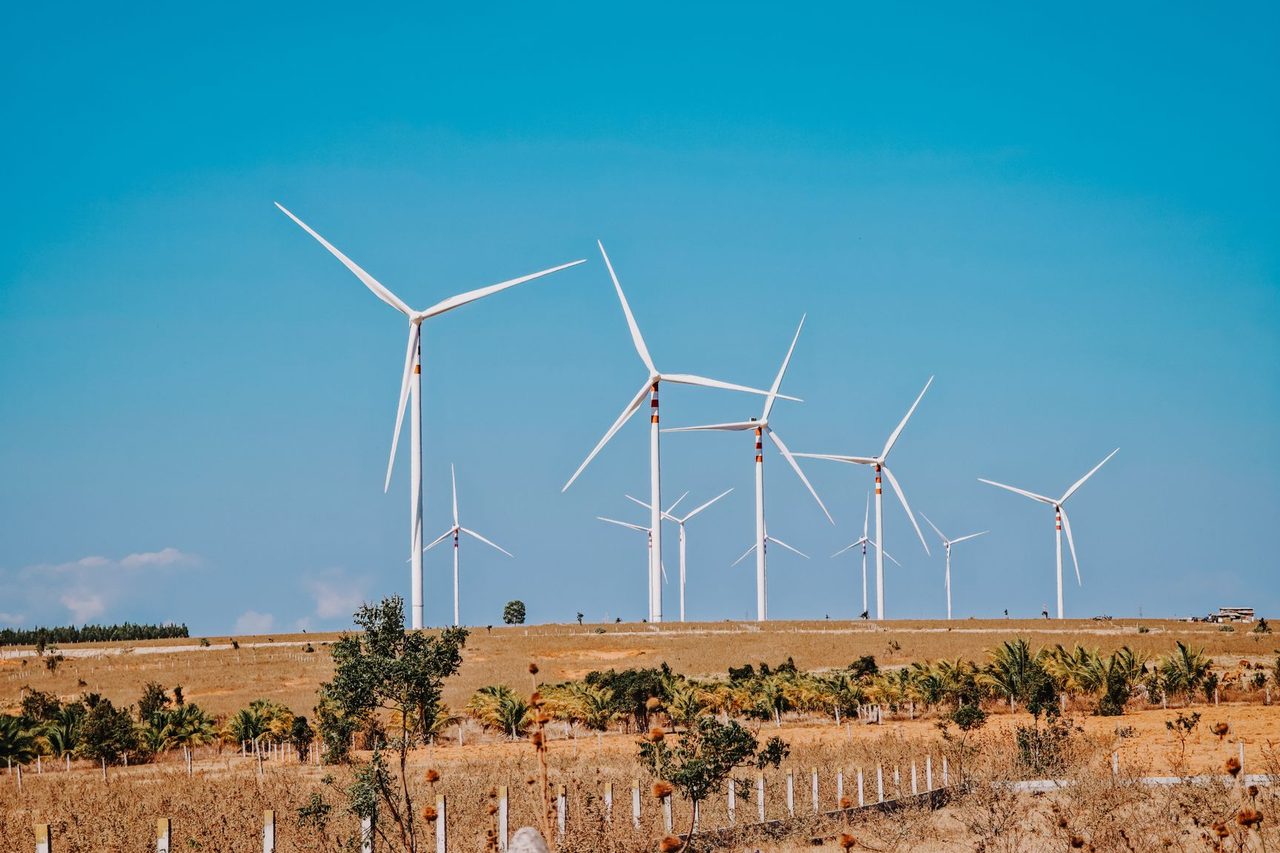
Photo: "Beyond India by Shubham Thakur" on Pexels
India’s renewable-energy pipeline in 2026 is not short of capital interest, but many projects still lose months between lender engagement and financial close because the term sheet is poorly structured. For solar, wind, hybrid, RTC and storage-linked projects, the difference between a bankable and a fragile debt package often lies in details that sponsors leave too late: base-rate linkage, reset mechanics, DSCR definitions, back-ended repayment, cure rights, CP lists, security perfection timelines, and lender-specific covenant language.
For Indian C&I developers, IPPs, utilities and infrastructure investors, project finance is no longer just about obtaining the lowest headline coupon. It is about securing terms that survive diligence, protect distributions, allow timely drawdown and preserve refinancing optionality later. In 2026, with policy support from institutions such as IREDA, PFC and REC, and continued participation from banks and NBFCs, a disciplined term-sheet strategy can materially improve debt closure probability and post-COD cash generation.
This article sets out how to design a lender-ready renewable-energy project finance term sheet for India in 2026, with a focus on practical negotiation points, indicative pricing ranges, covenant architecture and syndication strategy.
Why term sheet design matters more in 2026
The Indian RE market has matured, but project complexity has increased:
- C&I open-access structures now involve wheeling, banking, cross-subsidy surcharge exposure and state-specific demand assumptions
- Hybrid and FDRE structures require closer treatment of resource risk, scheduling discipline and storage augmentation assumptions
- Battery energy storage and solar-plus-storage projects are still seeing lender caution around degradation, warranty enforceability and merchant revenue assumptions
- Utility-scale bids remain highly competitive, keeping tariffs tight and reducing room for documentation mistakes
A 20 to 40 basis point difference in all-in cost of debt matters. But for many projects, the bigger value leakage comes elsewhere:
- 60 to 120 days of delay in financial close due to weak CP drafting
- over-conservative DSRA and reserve requirements locking up equity
- restrictive distribution tests limiting cash extraction even in stable operating quarters
- inflexible prepayment clauses that make refinancing unattractive
- mismatch between drawdown conditions and EPC milestone realities
For a 100 MW solar project with capex of around INR 3.4-3.8 crore per MW in 2026, debt quantum can be roughly INR 240-285 crore at a 70:30 to 75:25 gearing range depending on offtake quality and structure. Even a 25 bps pricing improvement or modest reduction in trapped cash can have a meaningful impact on equity IRR.
What lenders are really looking for in Indian RE deals
Sponsors often approach lenders with a tariff-first narrative. Lenders, however, underwrite cash-flow resilience and downside survivability.
In 2026, most lenders in India are focusing on five filters:
- Offtake strength: central procurers, strong-rated utilities, or investment-grade C&I clusters attract sharper attention than fragmented small-buyer portfolios
- Cash-flow visibility: fixed or floor-backed revenues are still preferred over heavily merchant-exposed structures
- Execution certainty: land, interconnection, approvals, module and inverter supply contracts, and EPC liquidated damages need to be substantially advanced
- Sponsor support: past commissioning track record, contingent equity, and comfort on cost-overrun support remain critical
- Documentation bankability: lenders increasingly reject immature deal packs that require major restructuring after sanction
Indicatively, utility-scale solar and wind projects with strong counterparties may still see competitive rupee debt pricing in the high-8% to low-10% range, depending on lender mix, tenor, hedging needs where relevant, and project-specific risk. Open-access C&I portfolios, hybrids and storage-linked assets may price higher where revenue complexity or technology risk remains elevated.
This is why a lender mapping exercise should happen before term sheet circulation. IREDA may be suitable for one set of projects, while PFC, REC, PSU banks, private banks or select NBFCs may fit others better. A debt syndication strategy should not be based only on coupon comparison; it should reflect tenor appetite, construction-risk tolerance, sectoral familiarity and comfort with offtake structures.
The 10 term sheet clauses that most affect bankability
A renewable-energy term sheet should be treated as a commercial-risk allocation document, not a formality. The following clauses deserve the most attention.
1. Debt quantum and gearing
Typical leverage in 2026 can vary by project type:
- Utility-scale solar/wind with strong PPA: 70:30 to 75:25
- C&I open-access portfolios: often 65:35 to 75:25 depending on diversification and payment history
- Hybrid/RTC structures: leverage may tighten if storage sizing or scheduling obligations are aggressive
- Standalone storage or merchant-linked structures: lenders may seek lower leverage and tighter reserves
Sponsors should ensure debt quantum assumptions are aligned to lender-approved base case, not sponsor case only.
2. Pricing and reset mechanics
Do not negotiate only the opening spread. Clarify:
- benchmark linkage and repricing frequency
- step-up triggers on covenant breach or delay
- commitment fees on undrawn limits
- penal interest on delayed servicing
- reset rights after COD or after specified operational track record
A low starting spread can become expensive if reset language is vague.
3. Moratorium and tenor
Construction plus stabilisation periods need realism. For many projects, debt tenor may range around 15 to 18 years including construction, though actual sanction structures vary by lender and asset class. Moratorium should reflect expected commissioning, evacuation readiness and receivable cycles.
A short moratorium can create immediate post-COD stress even where PLF is in line.
4. Repayment profile and sculpting
Repayment should be aligned to revenue seasonality and resource profile. Wind-heavy portfolios may need different sculpting from flat-generation solar projects. Hybrid assets may justify more tailored structures if contracted payment mechanics support it.
Key questions:
- Is repayment monthly or quarterly?
- Is there back-ending or front-loading?
- Are monsoon and low-irradiance months adequately reflected?
- Does the base case use realistic degradation and curtailment assumptions?
5. DSCR definitions
A headline minimum DSCR means little unless the calculation is clear. Common negotiation points include:
- treatment of maintenance reserves
- inclusion or exclusion of swap or hedging costs if any
- receivable ageing assumptions
- tax treatment in CFADS
- treatment of one-time liquidated damages or insurance proceeds
For many operating RE projects, lenders may look for minimum DSCRs around 1.15x to 1.25x and average DSCRs around 1.20x to 1.35x depending on risk profile. C&I and storage-linked structures may require stronger ratios. The exact number matters less than how conservatively CFADS is built.
6. DSRA and reserve architecture
Debt service reserve expectations continue to vary. Some lenders may seek a 3-month to 6-month equivalent reserve depending on project risk, payment delays and structure. The form matters:
- funded upfront or built over time
- cash only or bank guarantee backed
- allowed uses and replenishment period
- linkage with distribution restrictions
Excessively conservative reserve design can depress equity returns unnecessarily.
7. Security package
Typical security includes:
- charge over project assets
- pledge of sponsor shareholding in the SPV
- assignment of project documents and insurances
- escrow over project cash flows
- charge over designated accounts and reserves
Sponsors should review perfection timelines carefully. If security conditions become drawdown conditions too early, disbursement can get delayed despite commercial sanction.
8. Conditions precedent to first disbursement
This is often the biggest source of execution delay. CPs should be specific, measurable and sequenced logically. Common examples include:
- land title or lease validation
- key permits and approvals
- executed EPC and O&M contracts
- module, inverter or turbine supply arrangements
- transmission and interconnection documentation
- equity infusion proof
- trust and retention account setup
- insurance placement
A practical CP schedule can save months.
9. Covenants and cure rights
Financial covenants should distinguish between temporary volatility and structural underperformance. Negotiate:
- cure rights before event-of-default acceleration
- thresholds for additional indebtedness
- permitted changes in O&M contractor or equipment supplier
- rules for related-party transactions
- flexibility for future capex or augmentation
10. Prepayment and refinancing flexibility
Even if refinancing is not the immediate objective, term sheets should preserve optionality. Watch for:
- lock-in periods
- make-whole or prepayment charges
- lender consent requirements for replacement debt
- waterfall restrictions around prepayment from surplus cash
A project that performs well post-COD should not be trapped in inflexible debt.
Matching lender type to project type
Not every lender is suitable for every renewable-energy structure. In India’s 2026 market, a smart syndication strategy often combines institutional fit with documentation readiness.
IREDA
IREDA remains a key lender for renewable projects and can be relevant across solar, wind, hybrid, storage and emerging structures where sector familiarity matters. Sponsors should still prepare for detailed technical, legal and financial review and should align assumptions carefully with lender underwriting standards.
PFC and REC
PFC and REC can be relevant particularly where utility interfaces, larger infrastructure-style projects, state-sector exposure or transmission-linked elements are part of the structure. For certain developers, these institutions may offer strategic fit beyond pricing.
Commercial banks
Banks may offer competitive pricing for well-structured, lower-risk projects with robust sponsors and strong counterparties. However, they can be selective on construction risk, merchant exposure and newer technologies.
NBFCs and private credit participants
These can be useful where timing is compressed, project complexity is higher, or structure requires flexibility. The trade-off is often higher cost.
This is where Growthifye’s Lender-grade financial modelling and Green financing frameworks can materially improve closure outcomes. The objective is to present one coherent debt story tailored to each lender cohort, rather than recycling a generic IM and spreadsheet pack.
Term sheet strategy by project segment
Utility-scale solar and wind
Priority issues in 2026:
- tariff tightness and EPC cost certainty
- curtailment assumptions by state/discom profile
- receivable days and payment security
- module/turbine warranty bankability
Documentation should focus on conservative downside cases rather than aggressive P50 narratives alone.
C&I open-access projects
These are document-heavy transactions because lenders will examine:
- consumer mix and concentration
- contract tenor versus debt tenor
- replacement-customer assumptions
- state-level OA charges and banking rules
- monthly demand variability
Term sheets should address what happens if key offtakers churn or state charges change beyond agreed thresholds.
Hybrid, FDRE and storage-linked projects
These deals need stronger treatment of:
- resource complementarity assumptions
- storage round-trip efficiency and degradation
- augmentation capex planning
- dispatch obligations and penalties
- EMS and control-system performance standards
Lenders increasingly expect an integrated technical-financial package, not separate siloed models.
A practical process to reach faster debt closure
Sponsors can improve closure odds by following a disciplined process:
- Freeze commercial assumptions before lender outreach, especially tariff escalation, receivables, PLF/P90 cases and curtailment treatment
- Build a lender matrix covering appetite by sector, ticket size, tenor, security preferences and approval timelines
- Prepare a term-sheet markup strategy in advance rather than reacting post-receipt
- Align legal, technical, insurance and financial workstreams early
- Sequence CPs into pre-sanction, pre-disbursement and post-disbursement buckets where possible
- Stress-test base case at lower generation, delayed COD and higher receivable days
- Ensure equity support commitments are clearly documented
For many sponsors, this is also where Sustainability-linked loans may become relevant for portfolio-level or corporate overlays, though they should be used only where KPI architecture is credible and not forced into a pure project-finance structure without lender comfort.
What policymakers and utilities should take from this
Project finance friction is not only a sponsor issue. Utilities and policymakers can lower financing cost indirectly by improving revenue certainty and documentation clarity.
Areas that matter in 2026 include:
- stronger payment security and predictable receivable cycles
- timely operationalisation of transmission and evacuation infrastructure
- clearer state-level rules on open access, banking and surcharge treatment
- enforceable contract structures for hybrid and dispatch-linked assets
- standardisation of key documentary interfaces where feasible
Lower uncertainty can improve lender confidence more effectively than marginally lower tariffs in some contexts.
Conclusion: term sheet quality is now a competitive advantage
In India’s 2026 renewable-energy market, many projects are economically viable but financially delayed because sponsors underestimate the importance of debt documentation strategy. The winning approach is not simply to ask who offers the cheapest debt. It is to secure the right debt quantum, repayment profile, covenant package, CP schedule and refinancing flexibility for the specific project and offtake structure.
A well-negotiated term sheet can shorten closure timelines, reduce trapped cash, preserve equity returns and improve resilience through construction and early operations. For developers, C&I energy consumers, utilities and investors, that is now a real competitive advantage.
If you are evaluating project finance, lender fit, debt syndication or term-sheet negotiations for a solar, wind, hybrid or storage project, contact Growthifye’s advisory desk for a practical review of structure, bankability and closure strategy.
Explore Growthifye's related capabilities
This analysis connects directly to our advisory practice: Green financing frameworks · Sustainability-linked loans · Blended & concessional finance · Impact quantification & MRV.
About the author

Chief Executive Officer, Growthifye — With over 23 years in management consulting, Sudarshan has taken businesses from concept to scale — building and scaling new-age digital and energy businesses.
- 23+ years in management consulting
- EY alumnus
- Led large-scale BESS programmes, capital raises and advisory mandates
Want this analysis applied to your project?
Talk to our team