India RE Mezzanine Finance 2026 for Solar, Wind and Storage Projects
By Sudarshan Karweer · sudarshan@growthifye.com · +91 84510 99371 (Call / WhatsApp) · 2026-09-07

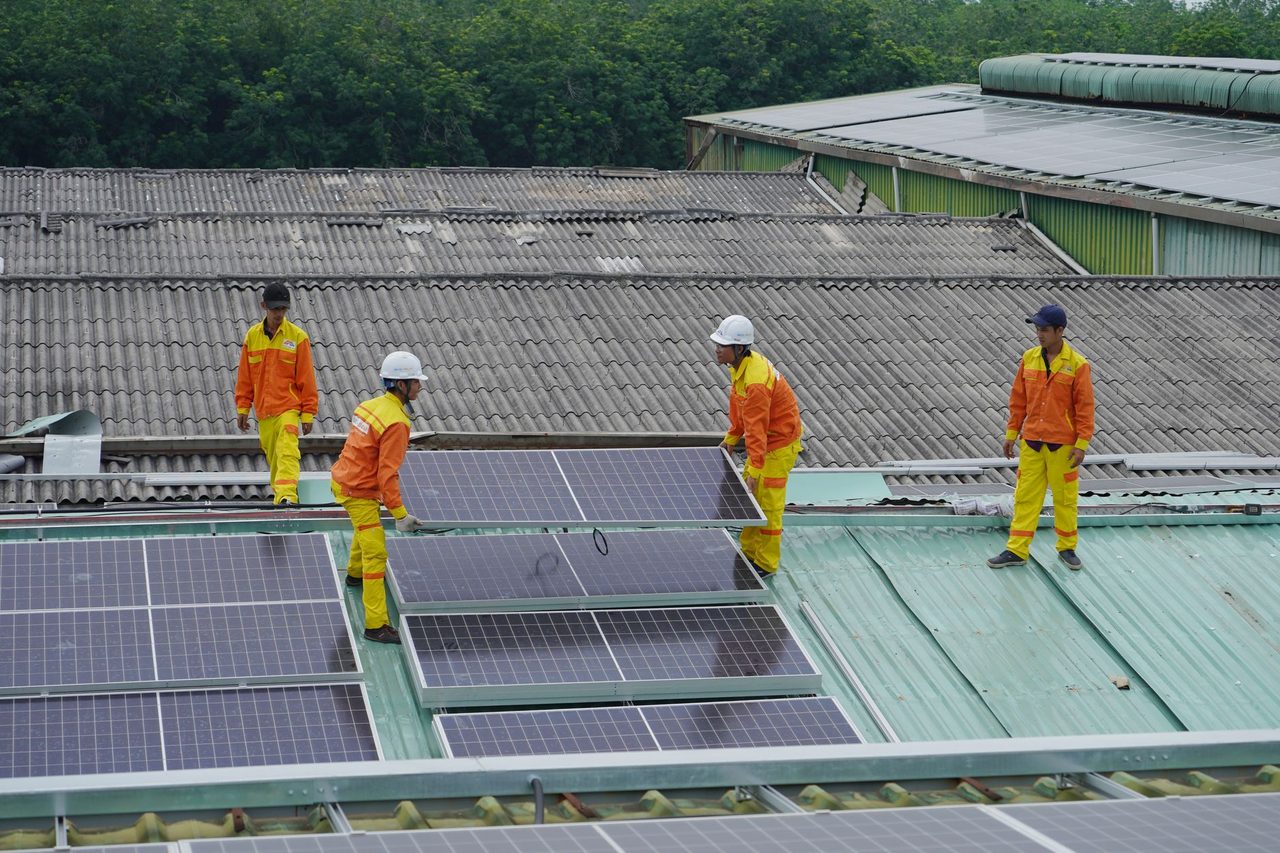
Photo: Gustavo Fring on Pexels
India’s renewable-energy funding market in 2026 is not short of interest, but it is selective on structure. Utility-scale solar, hybrid, wind repowering, C&I open-access portfolios and standalone storage all continue to attract capital, yet many projects stall between signed offtake and financial close because the capital stack does not line up. Promoter equity is stretched across multiple SPVs, senior lenders are holding leverage discipline, and tariff compression leaves less room for error.
That funding gap is where mezzanine finance is becoming more relevant in India’s renewable-energy market. It sits between senior debt and common equity, absorbs more risk than bank debt, and can help developers reach notice to proceed without giving away as much ownership as a full equity raise. For developers with strong pipelines but timing mismatches on capital, mezzanine can be the difference between losing a procurement window and getting a project built.
This article looks at how mezzanine finance is being used in Indian renewable energy in 2026, where it fits, what it costs, what lenders will accept, and how sponsors should evaluate whether it improves or weakens overall project economics.
Why mezzanine finance matters in India RE in 2026
The case for mezzanine funding is stronger in 2026 because the Indian market is balancing three realities at once.
- Module and BOS pricing have stabilised versus the volatility of 2022-24, but total project cost still moves with currency, transmission scope, land, and storage integration.
- Senior lenders such as IREDA, PFC, REC and major banks remain active, but underwriting is more data-driven on DSCR, counterparty risk, curtailment assumptions and completion support.
- Many sponsors are pursuing portfolios, not single assets, so internal equity is rationed across several projects under construction, bidding, or refinancing.
In this environment, a typical senior lender may fund around 70:30 to 75:25 debt-equity for established utility-scale solar or wind, depending on offtaker quality, PPA tenure, evacuation readiness and sponsor strength. For C&I open-access assets, leverage may tighten due to offtaker concentration, state-level banking rules, open-access charges and payment behaviour. For BESS and firm/dispatchable structures, lenders often seek a longer operating track record, more conservative degradation assumptions and stronger contractual protections.
That means even a bankable project can face an equity shortfall of 5% to 15% of project cost at the wrong moment. On a 100 MW AC solar project costing roughly INR 3.6-4.2 crore per MW depending on state, interconnection and tracker configuration, that gap can easily be INR 20-50 crore. On wind, hybrid or storage-linked projects, the absolute number can be materially higher.
Mezzanine capital is designed to fill exactly that gap.
What mezzanine finance looks like in renewable-energy transactions
Mezzanine finance is not one instrument. In Indian RE transactions, it typically appears in one of the following forms:
- Subordinated debt at SPV or holdco level
- Structured promoter funding with fixed coupon plus upside
- Preference-share style instruments with redemption features
- Quasi-equity linked to project milestones or refinancing events
- Last-mile construction support that is repaid at COD or shortly after stabilisation
The commercial logic is simple: the mezzanine provider takes higher risk than the senior lender and therefore expects a higher return, stronger covenants, tighter information rights and often some form of downside protection.
In 2026, indicative pricing bands seen in the market can vary widely based on project quality and security package:
- Senior project debt for high-quality utility-scale solar may often land in the high single digits to low double digits depending on tenor, institution and structure.
- Mezzanine capital can price materially above that, often in the low-to-mid teens or higher, especially if it is unsecured, completion-linked, or dependent on takeout through future refinancing or equity infusion.
- For more complex portfolios, blended all-in return expectations can move further up if payment-in-kind features, minimum IRR hurdles or sponsor support undertakings are included.
That does not automatically make mezzanine too expensive. The right question is whether the blended capital stack still preserves adequate project IRR and whether the instrument unlocks value that would otherwise be delayed or lost.
For example, if mezzanine allows a developer to secure EPC ordering, preserve an interconnection timeline, avoid liquidated damages under a PPA, or commission ahead of a tariff or duty change, the economics may still be clearly positive.
Where mezzanine works best across solar, wind, C&I and storage
Not every renewable-energy project should use mezzanine finance. It is best suited to specific situations where timing, leverage and sponsor strategy align.
First, it works for late-stage projects with strong visibility to debt closure. If land is tied up, evacuation is clear, permits are advanced, and the PPA or ESA is signed with a credible buyer, mezzanine can bridge the final equity requirement until the rest of the capital stack is locked.
Second, it is useful for portfolio developers with near-term monetisation options. If a sponsor expects an operating portfolio sale, InvIT-style recycling, platform-level equity infusion or refinancing within 12-24 months, mezzanine can serve as temporary growth capital.
Third, it can fit C&I open-access portfolios where project-level senior debt is conservative but customer churn risk is manageable. Here, sponsors often need additional capital to aggregate sites, standardise contracting and move quickly on EPC execution. However, the underwriting must be stricter on offtaker diversification, security deposits, contract tenor and state policy risk.
Fourth, it can support storage and hybrid strategies where long-term value is strong but conventional lenders remain cautious on merchant exposure, dispatch assumptions or ancillary-services revenue. In such cases, mezzanine can help absorb early market uncertainty while sponsors establish operational proof points.
Projects where mezzanine is usually harder to justify include weak-counterparty PPAs, unresolved transmission access, fragmented land title, speculative merchant assumptions, and projects already carrying aggressive base-case leverage. In those cases, mezzanine often masks bankability problems rather than solving them.
Key structuring issues: intercreditor, cash flow and security
The biggest mistake sponsors make is to treat mezzanine as just “extra money.” In project finance, structure matters more than label. If the instrument is not aligned with senior-lender requirements, it can delay debt closure instead of accelerating it.
The first structuring issue is subordination. Senior lenders will want clear ranking, restrictions on cash leakage, limits on enforcement rights and standstill provisions. If mezzanine sits at SPV level, the intercreditor framework must define precisely when and how mezzanine payments can be made.
The second issue is debt service priority. Senior debt will almost always require full priority on cash flows, reserve funding and cure rights. That means mezzanine returns may need to be sculpted around:
- Post-senior-debt distribution waterfalls
- Cash sweep triggers
- DSCR-based lock-up tests
- Delayed coupon or accrued-pay structures
- Bullet repayment at refinancing or equity takeout
The third issue is security. A mezzanine investor may ask for pledge over sponsor shares, charge over subordinated accounts, assignment of certain receivables, or sponsor-level covenants. But these must be negotiated carefully so they do not conflict with senior lender security packages.
The fourth issue is tenor. If mezzanine is too short-dated relative to construction and stabilisation realities, refinancing pressure becomes a major risk. In 2026, developers should stress-test whether repayment still works under COD delays of 3-6 months, lower-than-expected CUF in the first year, or postponed disbursement from senior lenders.
This is where Lender-grade financial modelling becomes essential. A bankable model should show not only headline returns but quarterly cash movement, covenant headroom, reserve build-up, delayed receivables, and refinancing sensitivity.
What lenders and mezzanine providers underwrite in 2026
Mezzanine capital providers are not replacing project lenders; they are underwriting a narrower but sharper risk set. In India’s 2026 market, they typically focus on five diligence questions.
One, is the underlying project financeable by conventional debt? If a project cannot attract senior debt from IREDA, PFC, REC, NBFCs, infrastructure debt funds or commercial banks on broadly standard terms, mezzanine alone will not rescue it.
Two, what is the takeout path? Providers want a clear route to repayment, such as operating cash flows after stabilisation, sponsor equity infusion, portfolio sale, strategic investor entry or refinancing at lower cost.
Three, how robust is the offtake? For utility projects, they will look closely at SECI, NTPC, state discom or central-agency payment performance and curtailment history. For C&I, they will scrutinise customer credit quality, lock-in periods, pass-through clauses, and open-access charge assumptions.
Four, how credible is execution? They will examine EPC wrap, LDs, equipment warranties, SCADA and forecasting arrangements, O&M framework and sponsor track record on land and permitting.
Five, are ESG and reporting systems institutional enough? This matters increasingly where domestic and international investors want stronger Green financing frameworks, Impact quantification & MRV, and periodic compliance reporting across a portfolio.
Developers that prepare these materials upfront typically see faster term-sheet convergence and fewer surprises during diligence.
When mezzanine improves project outcomes and when it destroys value
Mezzanine finance is helpful only if it improves speed, flexibility or ownership economics without creating an unmanageable burden on project cash flows.
It can improve outcomes when:
- The project has high certainty of COD and cash-flow commencement
- Senior debt is available but capped below sponsor expectations
- The sponsor wants to avoid excessive equity dilution at a low platform valuation
- Portfolio scale creates near-term refinancing or monetisation options
- The instrument is matched to project milestones and repayment capacity
It destroys value when:
- It is used to paper over unresolved bankability issues
- Coupon and fees consume too much of early-year cash generation
- Intercreditor conflicts delay senior debt approval
- Repayment depends on unrealistic refinancing assumptions
- Sponsors underestimate downside cases on receivables, generation or commissioning
A practical rule for 2026 is this: if adding mezzanine pushes the project into chronic covenant stress under even a mild downside case, the capital stack is too aggressive. If it preserves delivery timelines and still leaves adequate DSCR headroom after realistic sensitivities, it may be the right tool.
For many Indian developers, the better answer is not maximum leverage but flexible leverage. A slightly lower senior debt quantum, paired with carefully structured subordinated capital and a visible refinancing path, can outperform a superficially cheaper structure that fails during construction or first-year operations.
Execution playbook for sponsors considering mezzanine in 2026
Sponsors evaluating mezzanine finance should approach it as a disciplined process, not a last-minute patch.
Start with use of funds. Define exactly what the capital will cover: land and pre-construction spend, margin money, EPC mobilisation, IDC support, transmission works, reserve funding or acquisition of project rights.
Then map the repayment source. Is the plan to refinance post-COD, repay from operating distributions, bring in equity at platform level, or sell down operating assets? If this is vague, pricing will worsen and terms will tighten.
Next, prepare a lender-ready data room including:
- Base-case and downside financial model
- PPA or ESA documents and tariff summary
- Land, permits and evacuation status
- EPC and O&M contracts
- Generation study and CUF assumptions
- Counterparty credit assessment
- Construction timeline with critical path
- Proposed senior-debt term sheet if available
After that, align the instrument with senior lenders early. Do not wait until credit approval to disclose mezzanine terms. Institutions such as IREDA, PFC and REC, as well as banks and NBFCs, will assess whether the subordinated layer supports or distorts project bankability.
Sponsors should also compare mezzanine against other options, including phased equity drawdown, holdco funding, strategic co-development capital, asset-level sale of minority stakes, or structures that combine concessional elements in specific contexts. In some cases, elements of Blended & concessional finance may reduce the need for expensive subordinated capital, especially where developmental outcomes, underserved geographies or innovation components are relevant.
Finally, negotiate covenants with realism. Information rights, restricted payments, cure periods, change-of-control triggers and default remedies must be consistent with how renewable projects actually perform in India. Over-engineered documents can create avoidable defaults even when the asset is fundamentally sound.
The 2026 outlook
Mezzanine finance will remain a niche but important part of India’s renewable-energy capital stack in 2026. It is not a substitute for sponsor commitment, and it is not a cure for weak projects. But for credible developers managing multiple assets across solar, wind, hybrid and storage, it offers a practical way to bridge equity timing gaps, protect ownership and keep execution on schedule.
As debt markets become more selective and capital efficiency matters more, the winners will be sponsors who can present clean structures, realistic downside cases and a believable takeout strategy. In that environment, mezzanine is best viewed not as expensive money, but as precision capital. Used carefully, it can unlock bankable growth.
If you are evaluating subordinated capital, refinancing pathways or lender positioning for an India renewable-energy portfolio, contact Growthifye’s advisory desk. We support sponsors and investors with capital-structure design, lender engagement and transaction execution across project finance and structured clean-energy funding.
Explore Growthifye's related capabilities
This analysis connects directly to our advisory practice: Green financing frameworks · Sustainability-linked loans · Blended & concessional finance · Impact quantification & MRV.
About the author

Founder & CEO, Growthifye — engineering and financing India's clean-energy transition.
Want this analysis applied to your project?
Talk to our team