India RE Takeout Finance 2026: Construction-to-Operations Debt Strategy
By Sudarshan Karweer · sudarshan@growthifye.com · +91 84510 99371 (Call / WhatsApp) · 2026-09-07
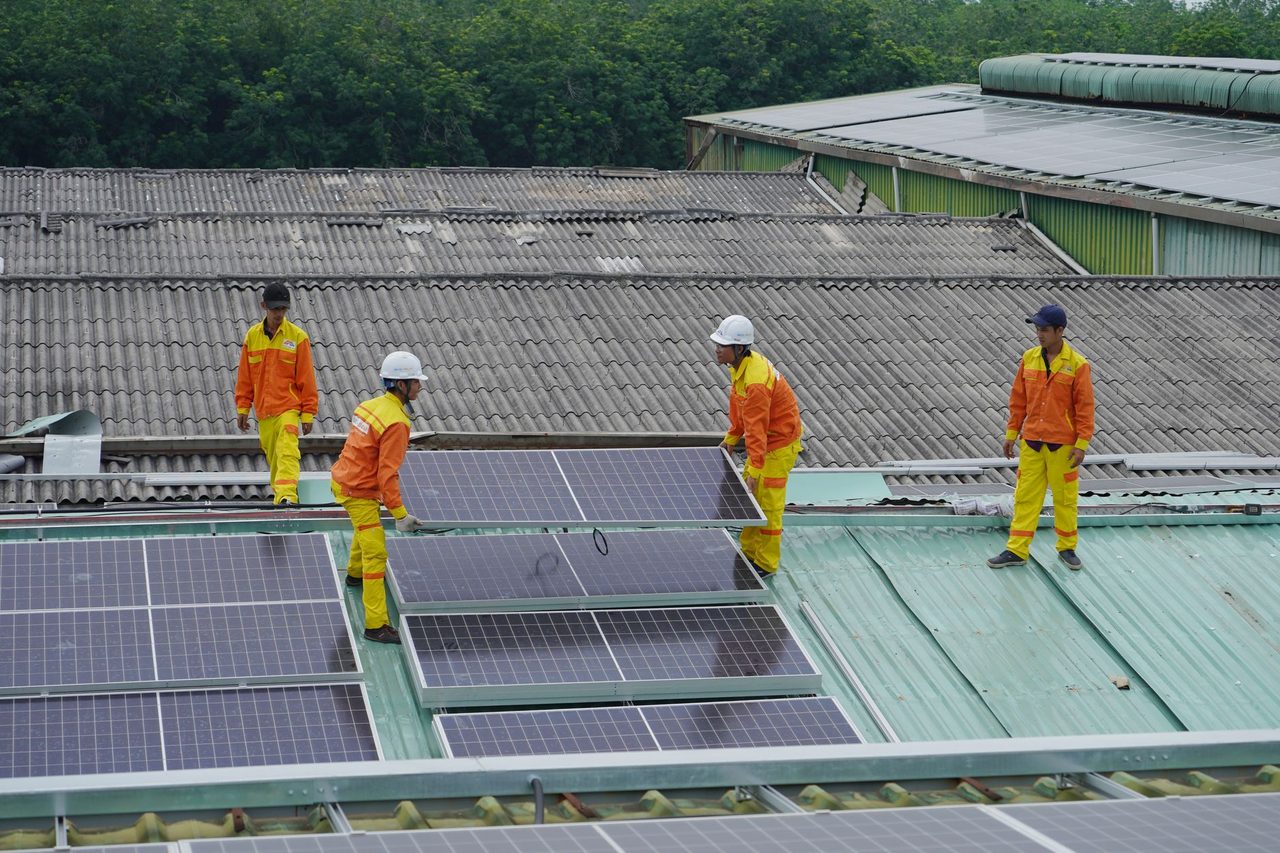
Photo: Trinh Trần on Pexels
India’s renewable-energy financing market in 2026 is no longer just about securing the first sanction letter. The sharper question for developers, C&I platforms, utilities and lenders is this: how should a project move from construction-stage debt to lower-cost operating debt without losing months, breaching covenants or trapping equity? That is the core of takeout finance.
For Indian solar, wind and storage assets, takeout finance means structuring the initial debt and the post-COD debt as part of one integrated capital strategy. In practice, the first lender during development and construction may not be the best long-term lender after stabilisation. Construction lenders price in execution risk, drawdown uncertainty, module and turbine delivery exposure, offtaker commissioning dependencies and EPC performance risk. Operating lenders want a different risk package: achieved COD, proven generation, metering stability, receivables behaviour, O&M track record and clean compliance. If a sponsor plans the transition early, it can reduce coupon, extend tenor, release reserves, improve project IRR and recycle equity faster.
This topic is materially different from a general refinancing discussion. Refinancing usually focuses on replacing expensive debt after a project is already operating. Takeout finance starts much earlier. It asks what should be negotiated at term-sheet stage, which milestones should trigger lender handover, how cashflow tests should be measured in the first operating quarters and how to avoid structuring the construction facility in a way that blocks efficient post-COD debt.
In 2026, with India targeting continued acceleration in solar, hybrid and storage deployment, this matters more than ever. Utility-scale solar tariffs in many recent contexts still cluster roughly in the Rs 2.45-3.10 per kWh band depending on location, ISTS benefit position, curtailment assumptions and tender structure. Wind and hybrid structures show wider variation because of CUF, evacuation and profile value. Standalone storage and FDRE-linked projects have more complex revenue stacks and dispatch obligations. Across these segments, financing cost remains one of the largest controllable drivers of project returns. A 75-150 basis point reduction in post-COD debt cost can materially change DSCR headroom and equity multiple, especially on levered portfolios.
Why takeout finance matters in India RE in 2026
Indian renewable projects often face a timing mismatch between risk reduction and lending appetite.
- During construction, sponsors need flexible drawdown schedules, moratorium support and tolerance for execution variance.
- After COD, the same project may qualify for tighter spreads from lenders such as IREDA, PFC, REC, select banks, NBFC-infra platforms or insurance-linked long-tenor pools, subject to asset class and counterparty profile.
- If the transition is not pre-planned, sponsors may end up with a suboptimal hold-to-maturity debt package carrying construction-era pricing and restrictive covenants.
The gap is especially visible in three use cases.
- Utility-scale solar and wind parks where initial lenders move quickly on construction but long-tenor lenders need operating data.
- C&I open-access portfolios where asset-level COD happens in tranches and operating cashflows take time to normalise because of wheeling, banking, forecasting and DSM adjustments.
- Storage and hybrid assets where lenders may prefer to see dispatch history, augmentation plans and payment waterfall performance before offering best pricing.
In each case, takeout planning can avoid value leakage. If a 250 MW solar asset is financed at, say, 10.25-11.00% during buildout and can migrate to 8.60-9.35% after stable operations, the annual interest saving can be substantial. On a debt quantum of Rs 900 crore, even a 100 bps improvement implies around Rs 9 crore annual gross interest savings before transaction costs. Over tenor, that is meaningful.
How the market is structuring construction-to-operations debt
In 2026, lenders in India broadly separate projects into two financing windows.
The first is construction-stage financing. Here, pricing is higher, monitoring is tighter and technical conditions precedent are heavier. Typical features include:
- shorter initial tenor with a reset or mandatory review near COD
- stepped drawdown linked to EPC milestones and promoter infusion
- stronger cure rights for cost overruns
- more stringent DSRA build requirements before or around COD
- cash sweep or distribution lock-up if commissioning delays breach agreed timelines
The second window is operating-stage debt. Once the project demonstrates stable generation and payment behaviour, lenders can offer:
- longer door-to-door tenor aligned with PPA or asset life
- tighter spreads
- lighter reserve structure in some cases
- improved sculpting based on demonstrated generation profile
- potential top-up debt where asset seasoning supports additional leverage
The key practical point is this: developers should not wait until three to six months after COD to start conversations with operating lenders. By then, documentation frictions surface too late. Good sponsors now prepare a takeout path 9-15 months before COD, particularly for portfolios above 100 MW or multi-SPV C&I platforms.
This is where Lender-grade financial modelling becomes central. The operating lender will not underwrite the same downside case as the construction lender. It will stress degradation, curtailment, collection delays, auxiliary load, inverter availability, machine downtime, merchant tails and reserve-account triggers differently. A model built only for bid-stage debt sizing will not be enough.
What should be locked in before financial close
A recurring mistake in India RE debt execution is treating the construction term sheet as purely interim. In reality, the initial term sheet often determines whether takeout is frictionless or painful.
Sponsors should address at least six items before first close.
1. Prepayment flexibility
If the construction debt carries high prepayment penalties, make-whole economics or cumbersome substitution conditions, the eventual takeout may not be economical. Sponsors should negotiate voluntary prepayment mechanics early, including notice periods, fee caps and security-release timelines.
2. Security standardisation
Many projects become difficult to take out because security documents, escrow structures and account-control provisions are over-customised. If the initial package broadly aligns with what operating lenders expect, novation or refinancing becomes faster.
3. COD definition and testing
The debt documents should clearly define provisional COD, commercial operation, reliability run requirements, performance-ratio tests and deemed generation treatment. Ambiguity here delays re-rating by operating lenders.
4. Cost-overrun support
Takeout lenders want clarity that all construction contingencies and sponsor support obligations are extinguished or ring-fenced by the time they enter. Weak drafting around overrun undertakings can deter the next lender.
5. Reserve-account architecture
Construction lenders may ask for DSRA, major maintenance reserve, inverter replacement reserve or receivables buffers. Operating lenders will evaluate whether these are right-sized. If the initial structure is too rigid, capital remains trapped unnecessarily.
6. Information covenants and data room discipline
A future takeout is much faster when monthly progress reports, EPC certificates, insurance endorsements, grid-approval records, SCADA data and receivables statements are captured in a lender-ready format from day one.
Asset classes where takeout strategy differs
Not all renewable projects in India should follow the same takeout template in 2026.
Utility-scale solar
For central or state offtake solar projects, operating lenders focus heavily on PPA enforceability, curtailment history, payment cycles and actual CUF relative to P90 and base case. If the offtaker is a strong central intermediary or a higher-rated utility, debt pricing post-COD can tighten faster. Projects with unresolved land-title patches or weak evacuation redundancy may see delayed takeout despite successful commissioning.
Wind and wind-solar hybrid
Wind debt transitions depend more on resource variability and machine availability history. Lenders often want multiple months of generation data across the relevant wind season before granting best pricing. Hybrid assets require careful analysis of scheduling obligations, profile benefits and shared evacuation constraints.
C&I open-access portfolios
These portfolios can be bankable but require more operational evidence. Takeout lenders assess customer concentration, contract enforceability, captive/shareholding compliance where relevant, open-access charge volatility, state-level banking treatment and customer credit quality. Projects selling to unrated or lower-rated corporates may still attract debt, but structures need stronger receivables controls and conservative base cases.
Battery energy storage and FDRE-linked assets
Storage financing in 2026 is improving, but takeout timing remains sensitive to dispatch performance, augmentation assumptions, warranty package, round-trip efficiency and payment mechanism robustness. If revenues depend on availability payments plus dispatch-linked components, lenders will test underperformance and settlement lags in greater detail.
Which lenders may fit which phase
There is no single best lender universe for all projects. The right sequence depends on sponsor profile, technology, offtake and scale.
Construction-stage capital may come from infrastructure-focused NBFCs, banks with execution appetite, specialised renewable financiers or club structures. Operating-stage debt may be suited to institutions such as IREDA, PFC, REC, banks with seasoned-asset appetite and larger lenders seeking operational renewable exposure.
For developers, the practical issue is not only pricing. It is matching lender behaviour to project phase.
- Construction lenders should be able to process milestone drawdowns quickly and understand EPC realities.
- Operating lenders should be comfortable with long-tenor cashflow sculpting and standardised covenant packages.
- For portfolios, a holdco-level and SPV-level combination may be efficient if ring-fencing and cash waterfalls are carefully designed.
Sponsors also increasingly use Blended & concessional finance in niche situations, especially where storage, grid support, resilience, DRE-linked infrastructure or first-of-kind commercial structures need catalytic capital to improve senior-lender comfort. The objective is not concession for its own sake; it is to bridge a bankability gap so that mainstream debt can come in on acceptable terms.
The metrics that decide takeout pricing
By 2026, operating lenders are generally asking for more than a simple achieved-COD certificate. They price based on a package of proven operating performance and contractual quality.
Expect scrutiny on:
- actual vs base-case generation for the initial operating period
- inverter, turbine or battery availability metrics
- PR, auxiliary consumption and degradation assumptions
- receivables ageing and payment days outstanding
- curtailment and deemed-generation treatment
- O&M contract strength and spare strategy
- insurance continuity and claim history
- escrow discipline and waterfall performance
- regulatory exposures in open-access or state-specific contexts
For conventional utility-scale operating assets, minimum DSCR expectations often remain around the low-to-mid 1.20s on a P50/base case, with stronger assets targeting healthier cushions depending on lender and amortisation profile. Case-by-case debt sizing can move materially if receivables days are stretched or if curtailment assumptions are disputed. In C&I structures, lenders may demand higher comfort because of customer churn and state-policy variability.
Sponsors should also test the economics of delayed takeout. If a project waits 12 months instead of 4-6 months after stabilisation, the interest overhang may offset any marginal improvement in lender comfort. The optimal takeout date is therefore a modelling exercise, not just a relationship decision.
A practical execution roadmap for sponsors
For developers and asset owners planning 2026 closures, an effective takeout strategy usually follows a disciplined sequence.
- At bid or development stage, identify the probable construction lender set and the probable operating lender set separately.
- Build a debt model with explicit pre-COD and post-COD assumptions, including fees, reserve accounts, reset pricing and prepayment cost.
- Negotiate construction term sheets with prepayment flexibility and standardised security architecture.
- Create a lender data room that captures technical, legal and commercial documents in operating-lender format, not only EPC format.
- Begin soft-market sounding for operating debt before COD, especially for portfolios and complex assets.
- Track a post-COD stabilisation pack: generation, availability, receivables, curtailment, claim history and covenant compliance.
- Launch the takeout process once enough operating evidence exists to tighten pricing, but before expensive interim debt drags returns.
Done well, takeout finance does more than reduce coupon. It shortens equity lock-up, supports platform scaling and improves competitiveness on the next bid. In a market where tariffs remain aggressive and lender scrutiny is rising, that discipline can separate scalable developers from episodic ones.
For sponsors, lenders and policymakers, the broader implication is clear: India’s renewable buildout needs financing structures that recognise risk transition, not just project completion. Construction risk, commissioning risk and operating risk are different products. Treating them as one debt solution is often inefficient.
Growthifye advises clients on construction-to-operations debt strategy, lender engagement, Green financing frameworks and Lender-grade financial modelling for renewable and energy-transition assets across India. If you are planning a solar, wind, hybrid or storage financing in 2026, contact Growthifye’s advisory desk for a practical takeout-finance roadmap.
Explore Growthifye's related capabilities
This analysis connects directly to our advisory practice: Green financing frameworks · Sustainability-linked loans · Blended & concessional finance · Impact quantification & MRV.
About the author

Founder & CEO, Growthifye — engineering and financing India's clean-energy transition.
Want this analysis applied to your project?
Talk to our team