India RE Debt Service Reserve Strategy 2026 for Solar, Wind and Storage
By Sudarshan Karweer · sudarshan@growthifye.com · +91 84510 99371 (Call / WhatsApp) · 2026-09-09

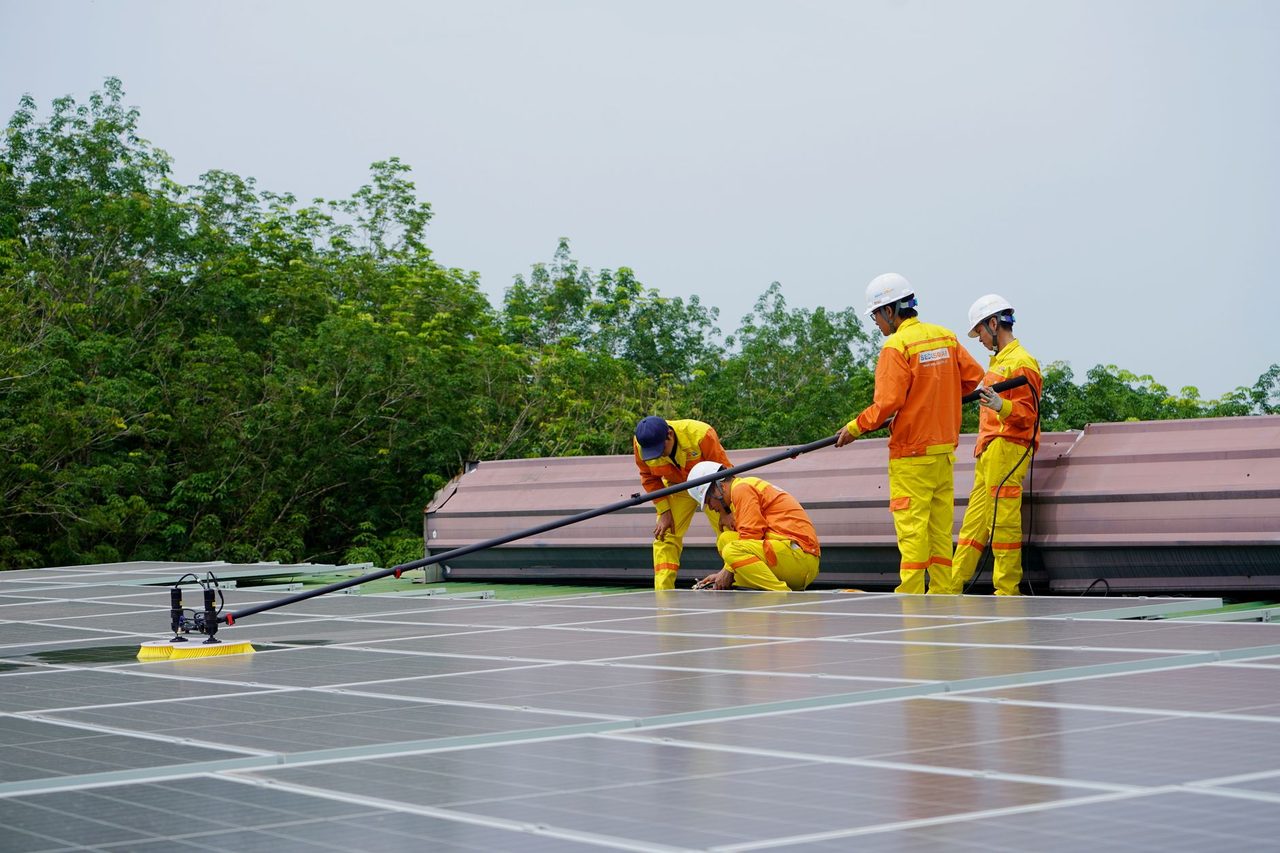
Photo: Gustavo Fring on Pexels
India’s renewable-energy financing market in 2026 is no longer just about finding lenders. It is about negotiating the right reserve architecture so debt stays bankable without trapping unnecessary cash. For solar, wind and battery energy storage system projects, the debt service reserve account, or DSRA, has become one of the most under-optimised parts of project finance documentation.
Many sponsors still accept a standard DSRA requirement of 3 to 6 months of debt service without fully testing whether that structure is justified by counterparty quality, seasonal cash-flow volatility, commissioning profile, payment security, curtailment risk and refinancing plans. In practice, DSRA terms affect equity IRR, minimum DSCR, distribution lock-ups, construction-to-operations conversion and even whether a refinancing case will clear lender credit committees.
For Indian C&I renewable portfolios, utility-scale ISTS solar, intra-state wind, FDRE hybrids and standalone storage, a good DSRA strategy in 2026 is not only about downside protection. It is also about reducing idle reserve cash, preserving sponsor liquidity and improving debt competitiveness across IREDA, PFC, REC, public-sector banks, NBFC infrastructure lenders and private credit participants.
This article explains how DSRA structures are evolving in India, what lenders are currently asking for, where projects over-reserve, and how sponsors can negotiate smarter terms at term-sheet stage.
Why DSRA matters more in 2026 than it did two years ago
Three market shifts have made reserve strategy more important in 2026.
First, tariffs remain tight. Utility-scale solar bids in many states and central tenders continue to cluster at low margins, while C&I open-access savings depend heavily on banking rules, wheeling charges, CSS, AS, forecasting penalties and curtailment behaviour. When project spreads are thin, even a one-time DSRA funding requirement equal to 3 to 6 months of debt service can materially reduce project-level returns.
Second, payment cycles remain uneven. Central off-takers and top-rated C&I counterparties may pay within 30 to 60 days, but several state utilities still stretch beyond contracted timelines. For developers selling to DISCOMs with delayed receivables or to C&I buyers under multi-buyer structures, reserve requirements become linked to real liquidity stress, not just formal covenant language.
Third, storage and hybrid structures are introducing new revenue shapes. Standalone BESS, peak-power contracts, ancillary-service participation and RTC-style supply profiles often produce less linear operating cash flows than plain vanilla fixed-tilt solar PPAs. Lenders therefore want stronger visibility on liquidity backstops during early operational years.
In short, DSRA has moved from a templated covenant to a credit-structuring tool.
What Indian lenders typically require today
In the 2026 Indian market, most senior lenders still seek one of the following DSRA formats:
- 3 months of scheduled debt service for high-quality operational assets or low-risk central offtake projects
- 6 months of scheduled debt service for new-build projects, state-utility exposure or multi-risk portfolios
- Peak debt service coverage during a rolling semi-annual period, especially where repayment is sculpted unevenly
- Letter-of-credit backed DSRA instead of fully cash-funded reserve, subject to issuer quality and margining
- Gradual build-up post-COD rather than full prefunding at financial close
Across institutions such as IREDA, PFC, REC, PSU banks and infrastructure NBFCs, the exact ask depends on five core factors:
- Offtaker payment discipline
- Technology and generation volatility
- Curtailment and evacuation profile
- Leverage level and debt tenor
- Sponsor strength and track record
For an operational solar project with central offtake, 1.20x to 1.25x base-case DSCR and established generation history, lenders may accept a 3-month DSRA or LC-backed reserve. For a state-DISCOM wind project with seasonal generation concentration and weaker receivable performance, 6 months remains common. For standalone storage, lenders often still ask for conservative liquidity cover until contracted revenue models mature further.
The mistake sponsors make is treating these asks as non-negotiable. They usually are negotiable if the project’s liquidity story is supported by robust forecasting, receivables assumptions and covenant design.
The real cost of overfunding reserves
A DSRA is not free simply because it sits on the balance sheet. It has three direct economic costs.
First, it consumes sponsor cash. On a 250 MW solar project with total debt of INR 900 crore at an effective interest cost of 9.00% and semi-annual repayments, a 6-month debt service reserve can easily require INR 45 crore to INR 65 crore depending on amortisation shape and interest schedule. That is capital the sponsor cannot use for land advances, interconnection works, module supply buffers or development of the next project.
Second, it reduces equity efficiency. If that reserve must be funded in cash before or at COD, effective equity deployed rises even though operating earnings do not. On thin-tariff projects, this can reduce equity IRR by 50 to 150 basis points depending on leverage and release conditions.
Third, it can distort refinancing value. If the reserve remains trapped deep into the loan life despite a stable payment record, the project may carry excess low-yield cash while still paying a relatively high borrowing spread.
This is why experienced sponsors now evaluate DSRA not as a standard security package item, but as part of total capital-structure optimisation alongside tenor, margin, repayment sculpting, cure rights and cash-sweep triggers.
How to right-size DSRA by project type
A practical DSRA strategy starts with project segmentation.
Utility-scale solar
For plain-vanilla utility solar with a central agency offtaker, strong irradiation data and limited merchant exposure, a 3-month reserve may be defendable if:
- Receivables are historically below 60 days or protected through payment security mechanisms
- Evacuation infrastructure is in place before COD
- Insurance package is comprehensive
- Debt is sculpted to realistic P90 or lender-approved energy estimates
- Major O&M and inverter reserve assumptions are already captured separately
Where state offtake or receivable build-up is material, lenders may still hold the line at 6 months. In that case, sponsors should seek phased funding or LC substitution rather than simply accepting a full cash reserve.
Wind projects
Wind lenders remain more cautious because generation is seasonal and annual variability is usually higher than solar. If repayment dates cluster near low-wind periods, a larger DSRA can be justified. But the better fix is often to align repayment schedules with seasonal generation and receivables patterns rather than overbuilding reserves.
For wind, sponsors should push lenders to analyse:
- Monsoon generation concentration
- Historical site-level wind variance
- Seasonal receivable collection trends
- Curtailment pattern by state
A well-sculpted repayment profile can reduce the need for an oversized reserve.
Solar-wind hybrid and FDRE
Hybrid and FDRE structures complicate liquidity analysis because supply commitments, scheduling obligations and penalty risks can create cash-flow stress even when annual generation is adequate. Here the reserve framework should be integrated with forecasting assumptions and working-capital needs.
Lenders may seek stronger reserves where deviation settlement exposure or contract penalties are meaningful. Sponsors should differentiate between short-term operating liquidity and debt-service protection instead of forcing all risk into a single DSRA bucket.
Battery energy storage systems
For standalone or co-located BESS, reserve strategy should reflect contract design. Fixed-capacity payment contracts with clear availability metrics may support more efficient reserve structures than revenue stacks relying on multiple markets. In 2026, many lenders still view storage as an emerging cash-flow class, so DSRA conservatism is common. Detailed scenario modelling becomes critical here.
This is where Lender-grade financial modelling can materially improve negotiation outcomes, especially when dispatch assumptions, degradation, augmentation capex and availability-linked revenue are complex.
Negotiation levers sponsors should use in term sheets
The best time to optimise DSRA is before the lender term sheet hardens into definitive documentation. By then, credit and legal teams tend to defend precedent language.
Key negotiation levers include:
- Cash DSRA versus bank LC-backed DSRA
- 3 months versus 6 months of scheduled debt service
- Average upcoming debt service versus peak semi-annual requirement
- Full prefunding at COD versus phased build-up over 6 to 12 months post-COD
- DSRA release after proven payment track record
- Partial release when DSCR exceeds agreed thresholds for specified periods
- Cure rights before event-of-default classification
- Replenishment timelines that match real receivable cycles
- Exclusion of default interest, swap break costs or extraordinary items from reserve sizing
For example, a sponsor may accept a 6-month DSRA in principle but negotiate:
- 3 months funded in cash at COD
- Remaining 3 months built over the first 2 repayment cycles
- LC substitution allowed after 12 months of satisfactory operations
- Step-down to 3 months after 4 consecutive quarters of DSCR above 1.25x and no payment default
Such structuring can preserve liquidity without weakening lender protection.
Sponsors should also watch for hidden reserve expansion through definitions. Some facilities define debt service broadly enough to include fees, hedging obligations, indemnity exposures or default-related accruals. That can inflate effective reserve requirements far beyond the headline covenant.
DSRA and its interaction with other financing terms
A reserve account should never be negotiated in isolation. It interacts with the rest of the financing package.
With debt sizing
If lenders insist on conservative generation assumptions, low PLF/P50 conversion factors and tight DSCR thresholds, a large DSRA on top may amount to double counting of risk. Sponsors should present an integrated case: if debt sizing is already conservative, reserve sizing should reflect that.
With repayment sculpting
Poorly aligned amortisation often creates artificial DSRA pressure. If debt service is back-ended or front-loaded without regard to generation seasonality, reserve needs rise. Better sculpting can lower reserve intensity while preserving lender comfort.
With receivables financing and working capital
A project with 120- to 180-day receivable cycles may need a separate working-capital solution. Using DSRA as a substitute for receivables funding is inefficient. These are different liquidity issues and should be ring-fenced accordingly.
With refinancing strategy
If sponsors expect refinancing after 12 to 24 months of stable operation, they should negotiate DSRA release mechanics upfront. Otherwise, trapped reserve cash can dilute refinance proceeds or complicate lender NOC discussions.
With sponsor support undertakings
Lenders sometimes use DSRA plus broad sponsor support undertakings during construction and ramp-up. That may be appropriate for complex assets, but sponsors should avoid open-ended duplication where both hard cash reserve and wide recourse support remain in place longer than necessary.
What developers, lenders and C&I buyers should do now
For developers and IPPs, the immediate action is to review existing and pipeline term sheets for reserve inefficiencies. Many projects still carry legacy covenant packages copied from older transactions without regard to actual offtake and operating risk.
For lenders, reserve design should become more data-driven. A uniform 6-month cash DSRA across all technologies and offtakers may be simple administratively, but it is not always the best credit answer. Better calibration can support more bankable projects without increasing loss risk.
For C&I energy consumers procuring captive or open-access renewable supply, reserve covenants matter because they influence tariff competitiveness. If the project SPV must trap excessive cash, delivered savings to the end consumer can narrow. Sophisticated buyers should understand how financing covenants affect commercial outcomes.
For policymakers and sector institutions, faster standardisation around payment security, receivable transparency and contract enforcement can reduce the need for oversized project-level reserves. That, in turn, can improve capital efficiency across India’s renewable buildout.
As financing markets deepen, DSRA strategy will increasingly separate average sponsors from disciplined sponsors. The winners in 2026 will not just be those who secure debt approval. They will be those who structure liquidity support intelligently across term sheets, security packages and cash-flow waterfalls.
In practice, the most effective approach is to combine scenario-based reserve sizing, covenant benchmarking, lender outreach and document negotiation in one workstream. That is especially true for hybrid and storage projects where traditional reserve templates often fail to reflect real cash-flow behaviour. Sponsors that support their case with clear downside analysis, receivables evidence and lender-calibrated model outputs are far more likely to win flexible DSRA terms.
Growthifye supports renewable developers, C&I sponsors and investors on Green financing frameworks, Sustainability-linked loans and lender negotiations across solar, wind and storage transactions. If you are structuring a new debt raise, refinancing or reserve reset, contact Growthifye’s advisory desk for a transaction-focused review.
Explore Growthifye's related capabilities
This analysis connects directly to our advisory practice: Green financing frameworks · Sustainability-linked loans · Blended & concessional finance · Impact quantification & MRV.
About the author

Founder & CEO, Growthifye — engineering and financing India's clean-energy transition.
Want this analysis applied to your project?
Talk to our team