India RE Debt Sculpting 2026: DSCR, Tenor and Cash Waterfall Strategy
By Sudarshan Karweer · sudarshan@growthifye.com · +91 84510 99371 (Call / WhatsApp) · 2026-09-08
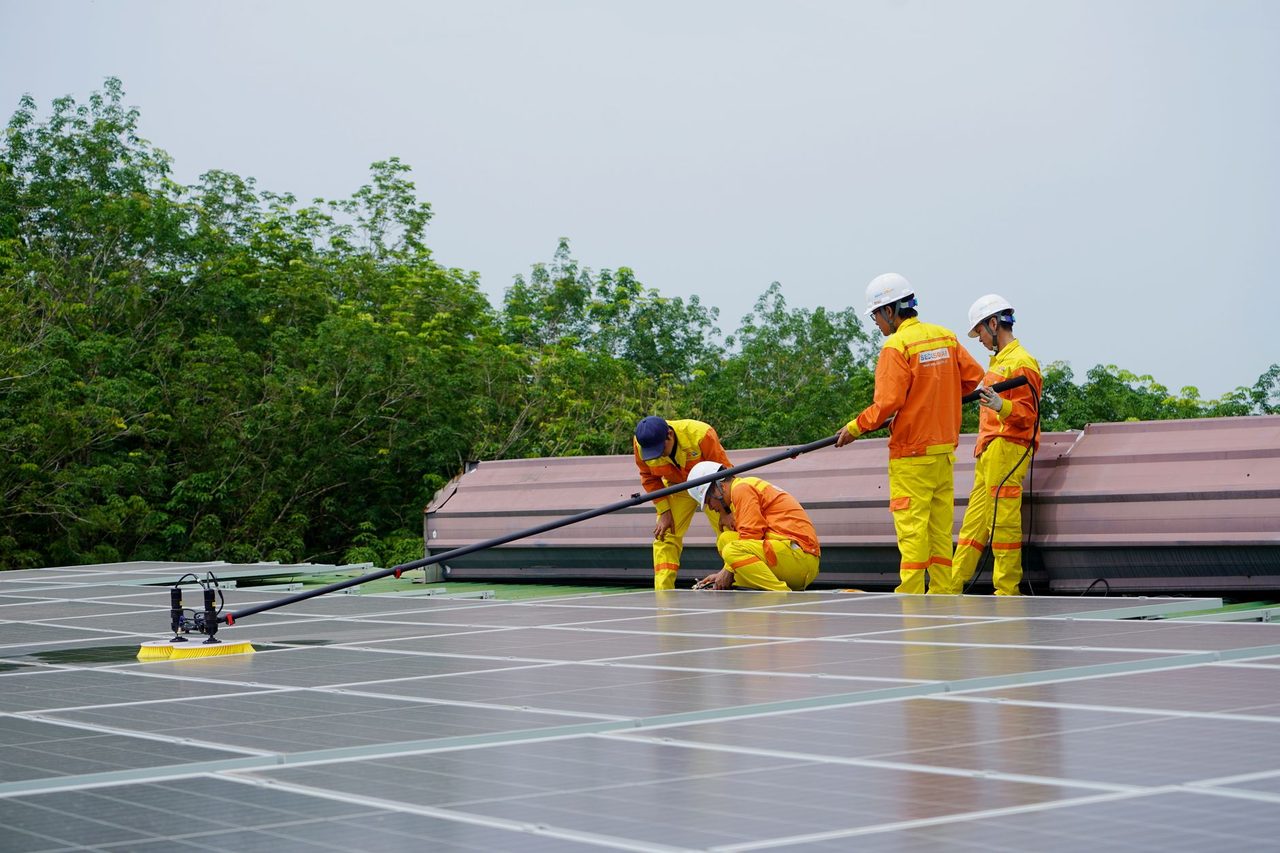
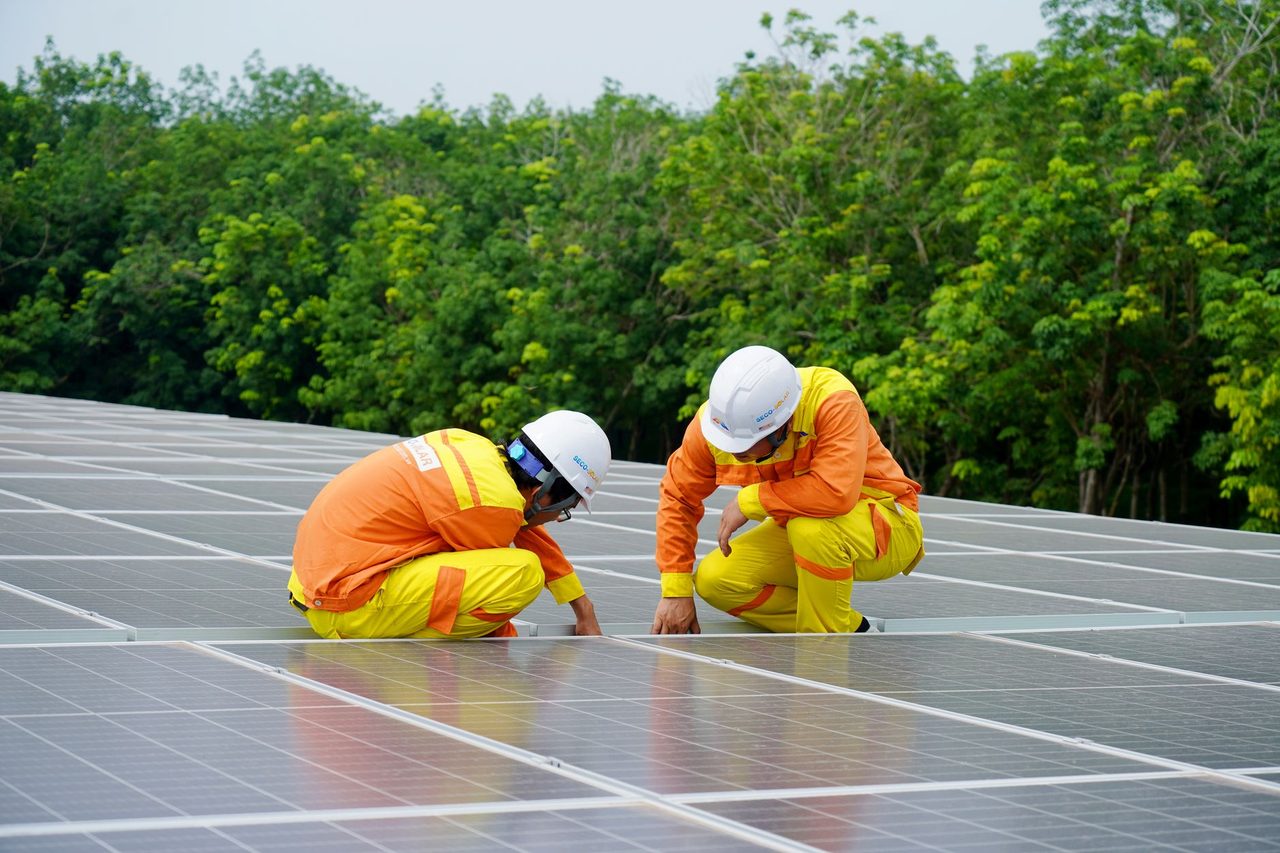
Photo: Trinh Trần on Pexels
India’s renewable-energy financing market in 2026 is rewarding projects that present disciplined debt structuring, not just good resource data or a low EPC price. For solar, wind and storage assets, especially in India’s C&I, open-access and utility-scale segments, one of the most under-discussed value levers is debt sculpting: how repayment is shaped around project cash flows, lender covenants and the cash waterfall.
For developers, a well-sculpted loan can improve leverage by 200–500 basis points, reduce refinance pressure, protect equity distributions in weak generation years and improve term-sheet comparability across lenders. For lenders, utilities and large C&I offtakers, debt sculpting is equally important because it affects tariff resilience, default probability, reserve sizing and the long-term operational behaviour of the project.
This article explains how debt sculpting is being applied in India in 2026 across solar, wind and storage transactions, what lenders such as IREDA, PFC, REC and private infrastructure financiers are focusing on, and how sponsors should align DSCR, tenor and waterfall provisions with realistic operating assumptions.
Why debt sculpting matters more in India RE in 2026
The debt market for Indian renewables has deepened, but it has also become more selective. Lenders are differentiating sharply between projects with:
- strong payment security and contracted cash flow
- merchant or quasi-merchant exposure
- curtailment risk in specific states
- open-access regulatory variability
- storage dispatch uncertainty
- transmission and commissioning slippage risk
In 2026, utility-scale solar projects with central or strong state offtake contracts may still see all-in rupee debt pricing broadly in the high-8% to low-10% range depending on sponsor quality, tenor, security package and facility type. C&I open-access portfolios and hybrid assets often price wider, frequently from around 9.75% to 12% or more, especially where offtaker concentration, state policy volatility or weaker vintage cash flows are involved. Standalone storage and tolling-style structures remain case-specific, with lender appetite shaped by revenue certainty and dispatch design.
In that environment, a simplistic straight-line amortisation schedule often leaves value on the table. A project may generate uneven cash flows due to irradiation seasonality, wind season concentration, annual module degradation, scheduled battery augmentation, escalation structures, O&M step-ups or delayed open-access benefit realization. If the debt repayment schedule does not match the actual cash profile, the transaction may suffer from artificial stress despite being fundamentally financeable.
Debt sculpting solves for this by matching principal repayments to projected cash available for debt service while preserving lender minimum coverage ratios. In practice, that means the debt is repaid in a pattern shaped by expected cash generation, not by an arbitrary equal-principal template.
Core structuring metrics lenders are using
In Indian renewable transactions in 2026, the headline metrics remain familiar, but how they are calibrated has become more nuanced.
The key metrics typically include:
- minimum DSCR
- average DSCR over the debt tenor
- loan life coverage ratio in some transactions
- project life assumptions
- debt tenor and door-to-door tenor
- moratorium during construction and stabilisation
- DSRA sizing
- cash sweep triggers
- distribution lock-up thresholds
For plain-vanilla utility solar with strong PPAs, many lenders remain comfortable around a minimum DSCR of 1.15x to 1.20x under base case, with average DSCR often around 1.20x to 1.30x depending on the lender and risk profile. For open-access C&I solar or wind, lenders may expect a minimum DSCR closer to 1.20x to 1.30x and average DSCR around 1.25x to 1.35x or higher. Hybrid and storage-linked assets may face stricter sensitivity testing even where base-case DSCR looks acceptable.
The practical point is this: two projects with the same average DSCR can produce very different lender outcomes if one has weak seasonal troughs or back-ended stress. That is why minimum semi-annual or quarterly DSCR by period matters more than sponsors sometimes assume.
Tenor has also become a sharper negotiation issue. While 15- to 18-year door-to-door tenors are still discussed for certain contracted assets, effective amortisation windows depend on COD certainty, residual concession or PPA tenor, equipment warranty profile and expected refinancing pathways. For C&I and open-access projects where contract rollover or tariff renegotiation risk exists, lenders may shorten practical amortisation assumptions even if legal final maturity appears long.
How repayment sculpting works in practice
At its simplest, sculpting starts with projected cash available for debt service in each repayment period and then sets debt service so that the chosen DSCR is maintained. But good sculpting in India renewable finance is not just a spreadsheet exercise.
It must reflect real project specifics such as:
- monthly or quarterly generation seasonality
- CUF variability by technology and location
- degradation assumptions, often around 0.4% to 0.7% annually for solar depending on module and contract treatment
- wind season concentration and inter-annual variability
- battery augmentation capex in storage-linked assets
- O&M escalation, often 3% to 5% annually in contracts
- land lease or royalty escalation
- evacuation charges and scheduling costs
- open-access charges, banking restrictions and state-level changes
- inverter replacement or major maintenance cycles
For example, a 100 MW AC solar project in Rajasthan under a strong utility PPA may have relatively predictable output and lower curtailment concerns than a C&I open-access portfolio spread across two states with multiple industrial offtakers. The first case may allow a smoother amortisation profile. The second may justify seasonal buffers, a larger DSRA, stronger cash sweep mechanics or more conservative base-case debt sizing.
In wind, monsoon-heavy generation patterns can create significant asymmetry between periods. Quarterly or half-yearly sculpting often works better than annual straight-line assumptions because debt service scheduled too aggressively in low-wind periods can trigger technical stress even if annual cash flow is adequate.
Storage introduces another layer. If revenues depend on fixed availability payments under a tolling structure, lenders may accept more stable sculpting. If revenues include merchant arbitrage, ancillary services or evolving dispatch rules, conservative debt sizing and stronger reserve architecture become critical.
This is where Lender-grade financial modelling becomes central. The model must not only forecast base-case cash flows, but also test downside scenarios that lenders actually underwrite: delayed COD, lower generation, curtailment, offtaker payment lag, tariff haircut, higher auxiliary consumption, degradation underperformance, replacement capex and interest-rate movement if reset clauses apply.
Cash waterfall design is now a negotiation lever, not boilerplate
Many sponsors still treat the cash waterfall as legal documentation detail to be settled late in the process. In 2026, that is a mistake. Waterfall design materially affects equity timing, covenant headroom and lender comfort.
A typical renewable project waterfall in India may include:
- gross revenue receipts into the trust and retention account structure
- statutory dues and taxes
- O&M and operating expenses
- insurance payments
- interest servicing
- scheduled principal repayment
- DSRA top-up
- major maintenance or replacement reserves where relevant
- cash sweep, if triggered
- permitted distributions to shareholders
The order and trigger conditions matter. A few examples:
- If DSRA top-up is required immediately after debt service with no cure flexibility, temporary underperformance can trap cash more quickly.
- If inverter replacement or battery augmentation reserve funding is ignored early, the model may overstate distributable cash in the first 5 to 7 years.
- If cash sweep triggers activate at too low a threshold, equity IRR can be compressed despite robust project performance.
- If cure rights and release mechanics are vague, refinancing later becomes harder.
Developers should negotiate clear rules for:
- what constitutes excess cash
- whether sweep is mandatory or percentage-based
- release tests for trapped cash
- permitted shareholder loans or subordinated support
- treatment of insurance proceeds and liquidated damages
- reserve account investment and permitted withdrawals
For operating portfolios, especially where refinancing is contemplated after 12 to 24 months of stable performance, a sensible waterfall can preserve optionality. That includes making sure sweep mechanics do not over-amortise debt so aggressively that future repricing advantages are diluted without meaningful risk reduction.
Segment-specific issues: utility-scale, C&I and storage
Different India RE segments need different sculpting logic.
Utility-scale solar and wind:
- Stronger PPAs can support tighter DSCRs and longer tenors.
- Focus areas are curtailment history, payment delays, grid availability and module or turbine performance guarantees.
- Lenders often accept smoother amortisation if counterparty quality is high and state risk is manageable.
C&I open-access projects:
- Debt sizing is often constrained by contract tenor mismatch, offtaker concentration and state-level charge volatility.
- Minimum DSCR is usually more conservative than utility-scale.
- Multi-offtaker diversification can help, but only if replacement assumptions are realistic.
- Collections, billing disputes and regulatory change need explicit downside treatment.
Wind-solar hybrid:
- Complementarity can improve annual cash-flow shape, but only if profile assumptions are grounded in site-specific data.
- Curtailment and evacuation congestion can still affect both resources.
- Lenders increasingly test hourly or sub-seasonal dispatch logic where storage is attached.
Standalone or co-located storage:
- The debt case depends heavily on revenue-contract design.
- Availability-style payments support cleaner amortisation than largely merchant models.
- Replacement reserve logic is critical because augmentation timing can materially affect debt-service capacity.
Common sponsor mistakes that weaken debt outcomes
Across mandates in 2026, several recurring mistakes continue to reduce leverage or slow closure.
First, sponsors often optimise for the lowest quoted coupon rather than the best all-in debt structure. A loan at 9.40% with restrictive sweep provisions, rigid DSRA funding and poor sculpting may be inferior to one at 9.70% with better coverage flexibility and stronger refinancing optionality.
Second, some models still use annual averages where lenders review semi-annual or quarterly debt service. This hides trough-period stress and leads to avoidable term-sheet revisions.
Third, reserve accounts are frequently under-specified. In storage and older wind portfolios in particular, ignoring replacement and maintenance reserve requirements creates a mismatch between lender expectations and sponsor cash-flow presentations.
Fourth, open-access regulatory assumptions are often too optimistic. Banking benefit erosion, wheeling-charge updates, CSS/AS treatment and state-level policy shifts should be reflected in downside cases, not footnoted away.
Fifth, sponsors sometimes separate financing workstreams from technical and contractual workstreams. In reality, CUF guarantees, degradation warranties, O&M scope, evacuation readiness, deemed generation clauses and payment-security structures all feed directly into debt sculpting outcomes.
That is why integrated Green financing frameworks and financing documentation support matter. Debt strategy should start before term-sheet issuance, not after.
A practical 2026 checklist before you approach lenders
Before launching a debt process for a renewable project or portfolio in India, sponsors should pressure-test the following:
- Is the repayment schedule sculpted to monthly, quarterly or semi-annual cash-flow reality?
- What minimum and average DSCR assumptions are each target lender likely to require?
- Are tariff, CUF and curtailment assumptions defensible against current 2026 market evidence?
- Is the PPA or ESA tenor aligned with amortisation tenor?
- Have replacement capex and reserve accounts been fully built into the model?
- Is the cash waterfall explicit on sweep, lock-up, cure rights and reserve release?
- Have payment delays and receivables build-up been modelled realistically?
- Is refinancing part of the strategy, and if yes, does the original structure preserve that option?
- Have downside sensitivities been prepared to lender standards rather than sponsor standards?
Projects that can answer these clearly reach credit committees faster and negotiate better. Those that cannot usually end up accepting lower leverage, tighter covenants or delayed sanction timelines.
In 2026, the India renewable market is not short of capital for credible assets. It is short of patience for poorly structured ones. Debt sculpting, covenant calibration and smart cash-waterfall design are now core value drivers for sponsors, not back-office finance details.
For developers, C&I sponsors, lenders and policymakers, the takeaway is straightforward: bankability is increasingly determined by cash-flow architecture. The projects that win are those where commercial contracts, technical assumptions and debt terms are built as one coherent financing case.
If you are evaluating debt strategy for a solar, wind, hybrid or storage project, contact Growthifye’s advisory desk. We support sponsors and capital providers on lender strategy, term-sheet negotiation, Green financing frameworks and Lender-grade financial modelling to help close resilient, bankable transactions.
Explore Growthifye's related capabilities
This analysis connects directly to our advisory practice: Green financing frameworks · Sustainability-linked loans · Blended & concessional finance · Impact quantification & MRV.
About the author

Founder & CEO, Growthifye — engineering and financing India's clean-energy transition.
Want this analysis applied to your project?
Talk to our team