India RE Construction Finance 2026: Solar, Wind and Storage Debt Drawdown Strategy
By Sudarshan Karweer · sudarshan@growthifye.com · +91 84510 99371 (Call / WhatsApp) · 2026-09-08
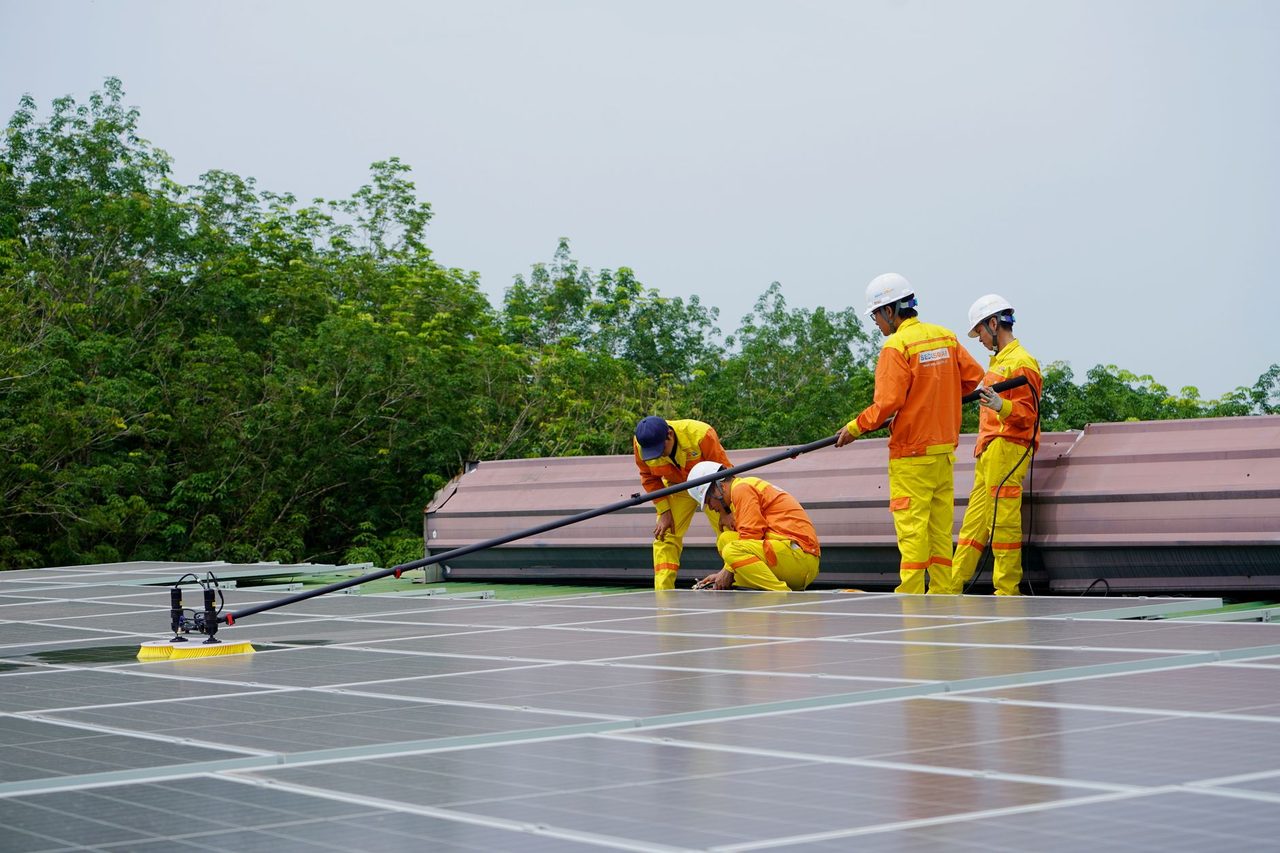
Photo: Trinh Trần on Pexels
India’s renewable-energy market in 2026 is not short of ambition. It is short of patience for avoidable financing delays during construction. Across utility-scale solar, wind, hybrid and storage projects, the difference between a smooth debt drawdown and a fragmented one can decide whether a project achieves COD on schedule, preserves DSCR headroom and protects sponsor equity returns.
For developers, EPC players, C&I offtake platforms, lenders and public-sector institutions, construction finance is now a distinct strategic discipline rather than just the first leg of project finance. The challenge is not only securing sanctions from IREDA, PFC, REC, PSU banks, NBFCs or private lenders. It is aligning debt disbursement with land progress, transmission readiness, equipment delivery, payment security, IDC control and covenant compliance from day one.
This article looks at how construction finance for Indian renewable-energy projects is being structured in 2026, what lenders are scrutinising, and how sponsors can improve drawdown certainty without overcapitalising the project.
Why construction finance is now a separate value driver
In earlier market cycles, sponsors often focused on tariff discovery, module pricing and long-tenor debt availability. In 2026, those remain critical, but construction-period execution has become a more visible source of value erosion.
Three trends explain why.
- First, project sizes have increased. A 300 MW solar project, a 250 MW wind portfolio or a 100 MW/400 MWh storage asset now involves larger milestone-based procurement packages, multiple site interfaces and tighter coordination with evacuation infrastructure.
- Second, equipment and BoS cost volatility has reduced from the peak-disruption years, but not disappeared. Module prices may have normalised relative to prior highs, yet inverter lead times, transformer procurement, domestic-content-linked supply decisions and logistics still affect capex timing.
- Third, lender scrutiny has deepened. Debt providers are less willing to rely on generic EPC comfort. They want granular visibility on cost-to-complete, contingency sufficiency, sponsor support triggers and construction monitoring.
The practical implication is clear: two projects with the same tariff and the same lender can produce different financing outcomes if one has superior drawdown planning.
What lenders in India are funding in 2026
The lender universe for renewable construction finance in India remains active but segmented.
- IREDA continues to be relevant for utility-scale solar, wind, hybrid and storage projects, especially where developers can present strong sponsor backing, clear offtake and robust techno-commercial diligence.
- PFC and REC remain important for grid-connected infrastructure, utility-linked projects and developers with scalable pipelines or strong counterparty frameworks.
- PSU banks remain selective, often favouring projects with established sponsors, stronger PPAs and cleaner land and evacuation profiles.
- NBFCs and structured-credit providers participate where speed, flexibility or specific construction-stage risks need tailored structuring, usually at a higher cost than plain-vanilla senior debt.
- Multilateral and DFI-linked lines can influence blended structures, especially where storage, climate resilience, access or innovation characteristics improve concessional eligibility.
Typical all-in rupee construction debt pricing in 2026 can vary widely depending on project type, sponsor quality, leverage and lender mix. For established utility-scale projects with strong PPAs and straightforward execution, senior debt may broadly sit in the high single digits to low double digits. Construction-stage structured debt or projects with weaker offtake, merchant exposure or interface risks can price materially higher.
For many projects, the issue is less the headline spread and more the hidden economics of disbursement timing, commitment charges, front-end fees, undrawn cost, margin step-ups after long-stop dates and equity-first requirements.
Core structuring issues in renewable construction debt
Construction finance in 2026 is being negotiated around a few recurring themes.
1. Equity contribution sequencing
Many lenders still insist on a meaningful proportion of sponsor equity being brought in before substantial debt drawdown. A common expectation may range from 25% to 40% of required equity infused before debt starts flowing in size, though actual sequencing depends on lender policy and sponsor standing.
For sponsors, this is not a procedural detail. If equity gets tied up too early against land, security deposits and advance procurement, project-level liquidity can tighten just when EPC acceleration is needed. The right answer is not to underfund equity, but to negotiate a realistic infusion schedule linked to certified project progress.
2. Conditions precedent and documentary readiness
A sanctioned facility is not the same as a drawable facility. Common conditions precedent include:
- executed PPA or offtake agreement
- land title, lease or possession evidence
- key statutory approvals
- grid connectivity and evacuation documentation
- EPC and O&M contracts in agreed form
- insurance arrangements
- trust and retention account documentation
- security creation and perfection steps
- lender-approved financial model and base-case assumptions
Developers often lose four to ten weeks not because the project is weak, but because documentation is fragmented across SPV, EPC, land and regulatory workstreams.
This is where Lender-grade financial modelling and a clean financing data room become practical enablers rather than presentation tools.
3. Cost overrun and contingency policy
Lenders typically test whether the budget includes realistic contingency for civil works, transmission interconnection, taxes, logistics and interest during construction. In 2026, an undifferentiated 3% contingency is rarely persuasive for projects with interface complexity. Depending on technology and site profile, lenders may expect stronger justification for 5% to 10% contingency buffers at total project cost level, or a clearly ring-fenced sponsor support undertaking.
For wind and storage especially, where transport, foundation conditions, BMS integration or evacuation synchronisation can create variability, under-budgeting contingency can weaken debt sizing more than it helps headline project IRR.
4. IDC and long-stop date sensitivity
Interest during construction remains a major negotiation point. Every month of delay increases IDC, may trigger additional commitment charges and can compress post-COD ratios. If a project slips beyond the assumed construction period by 60 to 120 days, the impact on equity IRR can be substantial, particularly for tightly priced tariffs.
For utility-scale solar with tariffs in roughly the Rs 2.45 to Rs 3.10 per kWh range depending on bid vintage, location and structure, there is limited room to absorb financing inefficiency. For C&I open-access projects, where delivered savings versus grid tariff may still support stronger economics, delays can nonetheless impair customer onboarding and contracted cash flow.
Project-specific construction finance strategies by asset class
A generic debt approach does not work across solar, wind and storage.
Solar
Utility-scale solar remains the most standardised asset class from a construction-lisibility perspective, but lenders still focus on:
- land aggregation completion before major drawdown
- module and inverter procurement schedule
- transmission bay and substation readiness
- CUF assumptions by irradiation zone
- ALMM and sourcing strategy where applicable
For a 100 MW solar project, a sponsor should map debt drawdown against module advances, structure erection, inverter delivery, pooling substation works and transmission interface milestones. If 45% to 55% of capex is equipment-linked, misalignment between procurement payment dates and lender certification cycles can create temporary cash stress even in fully funded projects.
Wind
Wind construction finance is more sensitive to site conditions, turbine supply concentration and logistics. Lenders often examine:
- WTG supply contract robustness
- n- foundation and crane access schedules
- micrositing finality and wind data quality
- right-of-way and transmission corridor risks
- seasonality around erection windows
Because wind projects can experience cost variation through civil works and transport, debt documents often need tighter cost-to-complete reporting. Sponsors should not assume the same contingency philosophy used in flat-terrain solar will satisfy lenders in wind portfolios.
Battery energy storage systems
Standalone and hybrid storage has moved from policy interest to financable reality, but construction debt still requires deeper explanation. Lenders in 2026 are evaluating:
- revenue stack visibility and dispatch logic
- augmentation assumptions
- EPC wrap and performance guarantees
- thermal safety systems and insurer comfort
- warranty pass-through and degradation framework
- interconnection and EMS integration
Storage projects often need more intensive technical-lender dialogue because capex concentration is high and performance depends on software, controls and operating strategy as much as physical installation.
Where concessional support or viability-linked structures are available, sponsors can improve bankability through Blended & concessional finance combined with clear Impact quantification & MRV metrics around emissions abatement, grid support or peak-shifting value.
How sponsors can reduce drawdown friction
Several practical actions materially improve construction debt execution.
Build the financing workback from COD, not from sanction
Sponsors often celebrate sanction letters without reverse-engineering all milestones needed for first drawdown. A better approach is to work backwards from target COD and map:
- final CP satisfaction date
- security creation timeline
- lender engineer appointment
- initial equity infusion
- EPC notice to proceed
- procurement advance schedule
- land and evacuation closure deadlines
If this exercise is done early, sponsors can identify where one missing approval may delay the entire funding chain.
Separate bankability issues from negotiable issues
Not every lender comment deserves equal resistance. Some points are genuinely bankability-critical, such as title, evacuation, sponsor support and cost overrun coverage. Others may be negotiable, including drawdown thresholds, reserve build timing or reporting frequency.
Conflating the two slows closure. Experienced sponsors focus negotiation energy where economics actually move.
Avoid overdependence on a single lender track
Even where one institution appears likely to lead, maintaining competitive dialogue with an alternative lender set can improve responsiveness on documentation, drawdown flexibility and covenant calibration. This does not mean running a noisy process. It means preserving optionality until executable terms are locked.
Use realistic downside modelling
Many construction models still assume near-perfect execution. Lenders increasingly test downside cases such as:
- 90-day COD delay
- 5% capex overrun
- lower first-year CUF
- slower receivable conversion
- initial DSRA build pressure
If the base case only works because construction is assumed to be frictionless, the debt package is fragile. A credible downside-ready model creates trust and can support faster approval.
This is precisely where Green financing frameworks and lender-facing modelling discipline add value, particularly for sponsors planning multiple assets rather than a single SPV.
What term sheets should address during construction
A strong term sheet should not stop at headline tenor and pricing. Construction-phase provisions deserve equal attention.
Key points include:
- availability period and extension mechanics
- permitted end-use of debt proceeds
- equity-first or pro rata funding approach
- CP list and materiality thresholds
- lender engineer scope and certification timeline
- capex contingency treatment
- sponsor support and cost-overrun undertaking
- margin step-up triggers
- long-stop COD definition
- conversion from construction to term phase
- reserve account creation timing
- cure rights for covenant breaches during ramp-up
For borrowers, a badly drafted construction section can create more economic damage than a slightly higher nominal spread.
2026 outlook: execution discipline will separate winners
India’s renewable pipeline remains deep across utility procurement, C&I open access, FDRE, hybrids and storage-linked opportunities. But construction-stage capital is becoming more selective in practice. Lenders want fewer surprises, faster documentation, stronger monitoring and clearer sponsor accountability.
That does not mean debt is unavailable. It means high-quality sponsors will be differentiated by preparation. Projects that combine tariff discipline with execution-ready financing packages should continue to attract support from IREDA, PFC, REC, banks and institutional lenders. Projects that treat construction finance as an afterthought will keep paying for time through IDC, delayed revenue and covenant strain.
For developers and energy platforms scaling in 2026, the most valuable financing advantage may not be a lower quoted spread. It may be a construction debt structure that actually draws on time, funds the right milestones and preserves flexibility until COD.
If you are structuring construction finance for a solar, wind, hybrid or storage project, contact Growthifye’s advisory desk for support on lender strategy, term-sheet negotiation, drawdown planning and bankable financial documentation.
Explore Growthifye's related capabilities
This analysis connects directly to our advisory practice: Green financing frameworks · Sustainability-linked loans · Blended & concessional finance · Impact quantification & MRV.
About the author

Founder & CEO, Growthifye — engineering and financing India's clean-energy transition.
Want this analysis applied to your project?
Talk to our team