India 2026 Scope 2 Decarbonisation Strategy: RE Procurement, Accounting and Cost
By Sudarshan Karweer · sudarshan@growthifye.com · +91 84510 99371 (Call / WhatsApp) · 2026-09-18
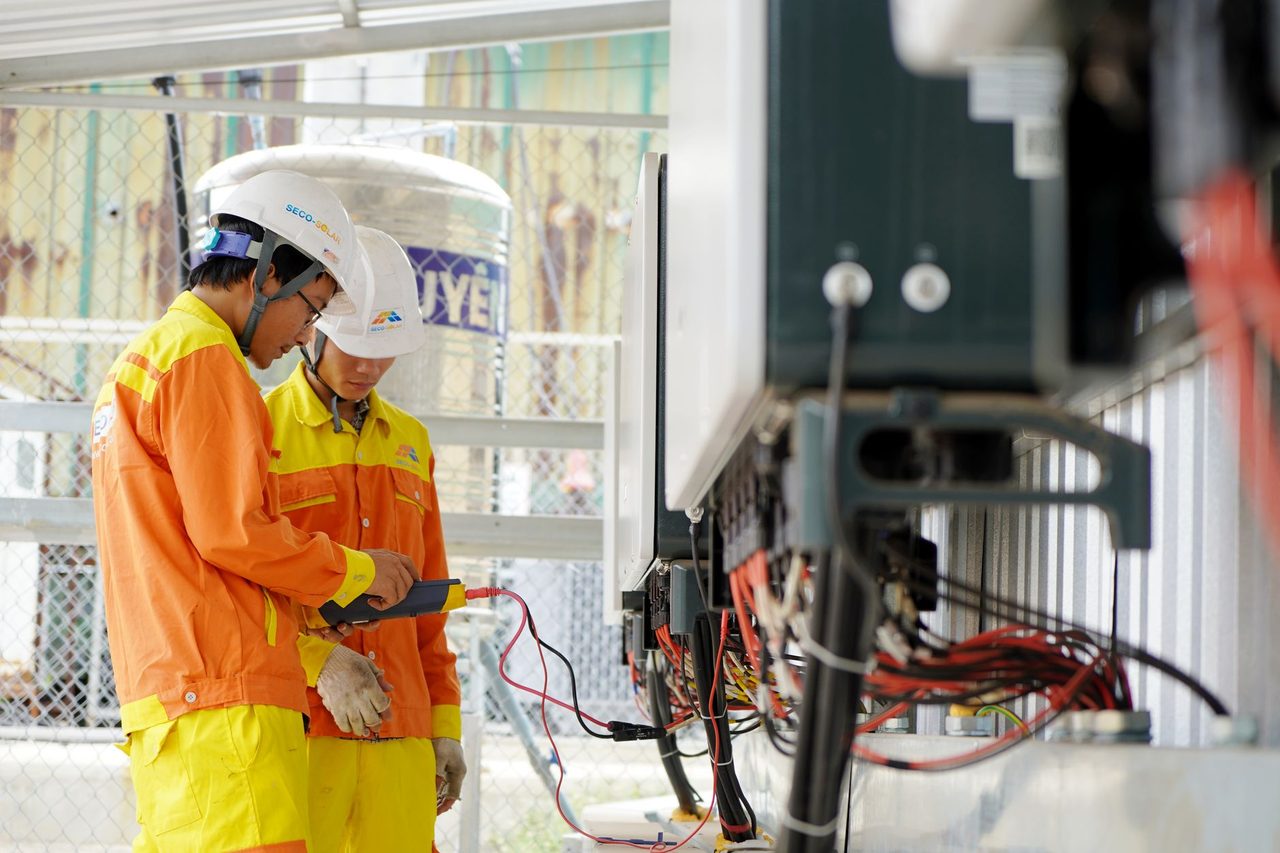
Photo: Trinh Trần on Pexels
India’s industrial decarbonisation debate often jumps straight to hydrogen, kiln electrification or carbon markets. In practice, the first large, financeable and board-acceptable wedge is usually Scope 2. For Indian commercial and industrial consumers, purchased electricity remains a major emissions source, but it is also the emissions category with the widest menu of commercially viable interventions in 2026: rooftop solar, group captive, third-party open access, hybrid wind-solar, storage-backed round-the-clock supply, virtual power purchase structures, energy attribute instruments, and demand-shaping through load management.
That matters for three reasons. First, Scope 2 reductions can move quickly against corporate net-zero targets and interim goals. Second, they directly affect landed power cost, especially for high-load-factor consumers facing industrial tariffs in the range of about Rs 7.0-10.5/kWh in many states. Third, the quality of Scope 2 accounting now matters far more because disclosures are under sharper scrutiny through BRSR Core, customer questionnaires, lender due diligence, export-market carbon requests and transition-plan reviews.
This article sets out a practical 2026 Scope 2 decarbonisation strategy for Indian industry: what to prioritise, which procurement models fit which load shape, how accounting decisions affect claims, and where developers, lenders and policymakers should focus to accelerate credible adoption.
Why Scope 2 is the fastest decarbonisation lever in 2026
For many Indian manufacturing sectors, grid electricity emission factors remain significant even as renewable capacity expands nationally. Depending on the reporting method, purchased electricity can account for 20-80% of a site’s reported operational emissions profile, especially in sectors such as automotive components, electronics, data infrastructure, chemicals, textiles, food processing and pharmaceuticals.
The reason Scope 2 moves faster than many Scope 1 interventions is simple:
- It does not always require process redesign
- n- It can often be addressed through contracts rather than plant shutdowns
- It is easier to finance because savings are linked to avoided power purchase cost
- Implementation timelines are shorter than major thermal process retrofits
- Procurement can be phased by plant, state, business unit or load block
In 2026, Indian C&I buyers are no longer evaluating renewable power only as a sustainability initiative. They are treating it as a combined cost, resilience and carbon strategy. The boardroom question is not whether renewable procurement is possible, but which structure gives the best mix of savings, carbon integrity, operational fit and regulatory durability.
The 2026 menu: rooftop, captive, open access, hybrid and RTC
The right Scope 2 pathway depends on annual consumption, load profile, state regulation, available roof or land, counterparty risk appetite and accounting priorities.
A practical hierarchy for many sites looks like this:
- Rooftop solar for daytime self-consumption where shadow-free roof area exists
- Group captive or captive structures for medium to large loads seeking tariff reduction and stronger supply attribution
- Third-party open access for users prioritising flexibility and lower upfront commitment
- Hybrid wind-solar for a flatter renewable generation profile
- Storage-backed or firmed renewable supply where operations require evening and night coverage
- Virtual structures for buyers unable to physically wheel power in some states or across distributed portfolios
Rooftop solar in 2026 remains relevant, but it is not enough for most large industrial consumers. Typical generation costs may still land in roughly the Rs 3.0-4.5/kWh range depending on system size, financing and O&M assumptions, but rooftops usually offset only a fraction of plant demand.
For deeper Scope 2 cuts, open access remains central. In several states, landed open access renewable tariffs for C&I consumers continue to be materially below discom industrial tariffs even after banking charges, wheeling charges, cross-subsidy surcharge treatment, transmission charges and scheduling costs are considered. Broadly, well-structured supply can still land in the neighborhood of Rs 4.0-6.5/kWh depending on state, technology mix, time of day and contract tenor, though state-level variability remains decisive.
Hybrid projects are increasingly preferred because they reduce hourly mismatch. A solar-only contract may deliver strong annual unit economics but leave a large residual evening procurement requirement. Wind-solar hybrids improve the renewable share of actual consumption and support a more defensible decarbonisation narrative.
For facilities with continuous operations, round-the-clock or near-firm renewable supply is growing in importance. These contracts may combine solar, wind, storage and market purchases. Their landed cost is usually higher than plain vanilla solar open access, but they reduce balancing risk and can be valuable where uninterrupted low-carbon power is commercially important, such as export-oriented manufacturing, data centres, and high-utilisation process plants.
Accounting first, procurement second: avoid weak Scope 2 claims
A recurring mistake in Indian corporate decarbonisation is to treat renewable procurement as a power-sourcing exercise and leave emissions accounting for later. In 2026, that approach creates avoidable risk.
Companies should define, before procurement, how they will report Scope 2 under location-based and market-based methods, what contractual instruments support their claims, what temporal matching is feasible, and how residual grid consumption will be handled.
Three accounting questions matter most:
- Is the company reporting only location-based Scope 2, or also market-based Scope 2?
- Does the procurement instrument convey credible environmental attributes in addition to electrons or financial settlement?
- Can the company document allocation across plants, legal entities and reporting periods without double counting?
This is where Carbon accounting & disclosure and RE-led decarbonisation need to work together, not in separate silos. Sustainability teams may target annual emissions reduction, while power teams optimise for rupees per kWh. Without integrated design, the company may secure savings but end up with weaker audit-ready claims.
For example, a buyer may sign a renewable supply arrangement that clearly lowers system-level emissions but does not fully support the market-based assertion the company intends to make in customer disclosures. Conversely, a buyer may overpay for a structure designed around a narrow accounting goal even though a better hybrid of physical and contractual procurement would have delivered similar reported outcomes at lower cost.
A robust 2026 Scope 2 programme should therefore include:
- Meter-level consumption baselining by time block
- Statewise tariff and charge mapping
- Contractual attribute review
- Treatment of banking and deemed generation
- Plant-to-contract allocation rules
- Reconciliation between procurement data and sustainability reporting boundaries
- Internal controls for annual assurance and BRSR-linked review
State regulation, tariffs and contract design now decide outcomes
India’s renewable procurement economics are state-specific, not generic. Two plants in different states with identical loads can see very different savings from the same renewable configuration because of different open access rules, surcharge trajectories, banking restrictions and settlement mechanisms.
In 2026, decision-makers should review at least the following before selecting a procurement route:
- Applicable discom tariff, including energy charges, demand charges and time-of-day components
- Open access eligibility thresholds and processing timelines
- Cross-subsidy surcharge and additional surcharge treatment
- Wheeling and transmission charges at voltage level
- Banking availability, banking period and banking charges
- Treatment of unutilised banked energy
- Group captive compliance requirements, especially 26% equity and 51% consumption conditions
- Forecasting, scheduling and deviation settlement risk
- Curtailment history and evacuation constraints
For a plant paying Rs 8.8/kWh average grid tariff, a well-priced hybrid open access contract at Rs 5.2/kWh landed can create gross savings of Rs 3.6/kWh on substituted units. At 50 million kWh per year of eligible contracted supply, that is about Rs 18 crore annual gross benefit before internal integration costs. Even where net savings are lower after balancing and residual procurement effects, the business case can remain compelling.
However, a weakly designed contract can erode both savings and emissions outcomes. Common issues include overcontracting versus actual drawal, unrealistic banking assumptions, poor treatment of curtailment, and inadequate change-in-law provisions. CFOs and lenders should pay close attention to settlement clauses, deemed generation rules, payment security design, and responsibility for regulatory shifts.
For developers, the message is clear: industrial buyers increasingly want structured offers, not just headline tariffs. They expect hour-shape analysis, residual load planning, and quantified carbon impact under different accounting assumptions.
Moving beyond annual matching: hourly reality is becoming strategic
A major 2026 shift is the move from annual renewable percentage claims toward a more operational view of when clean power is actually consumed. While many Indian disclosures still rely on annual aggregation, multinational customers and sophisticated investors are increasingly asking harder questions about hourly load matching, night-time consumption and residual thermal dependence.
This does not mean every Indian manufacturer needs 24x7 hourly matched clean power immediately. It does mean companies should know the difference between:
- Annual energy matching
- n- Time-block matched procurement
- Firmed renewable supply with balancing
- High-renewable portfolios supported by storage or market purchases
For some sectors, annual matching is a rational first step. For others, especially export-facing sectors under customer decarbonisation pressure, a roadmap toward better temporal alignment is becoming commercially relevant.
This is where a marginal abatement cost perspective helps. The first 20-40% of Scope 2 reduction may come from low-cost solar or wind procurement. The next 20-30% may require hybridisation, better scheduling or demand shifting. The final tranche toward very high clean-power shares can become progressively more expensive because it requires storage, flexible loads, or premium firming products.
A board-approved strategy should therefore distinguish between:
- No-regret actions that save money immediately
- Medium-cost steps needed for deeper annual renewable penetration
- Premium measures justified only by customer requirements, risk management or strategic positioning
That sequencing is a core part of Net-zero roadmaps & MACC. Not every unit of Scope 2 reduction has the same cost, and not every plant requires the same destination in the same year.
Scope 2 strategy for exporters, lenders and policymakers
Exporters should treat Scope 2 as part of trade competitiveness, not only ESG reporting. Even where border measures focus first on direct emissions and embedded product carbon, electricity sourcing affects customer preference, supplier scorecards, product-level footprinting and broader transition credibility. Companies selling into Europe, the UK, Japan and large multinational supply chains should assume electricity-carbon transparency requirements will continue to tighten.
Lenders evaluating industrial transitions should look beyond project IRR on a standalone solar or open access contract. Better credit questions include:
- What percentage of total plant load becomes covered?
- How volatile is the benefit under different grid tariff scenarios?
- What is the counterparty and regulatory concentration risk?
- Does the contract support auditable climate claims?
- Is there a roadmap from simple renewable procurement to deeper operational decarbonisation?
Utilities and policymakers face a more difficult balancing task. Industrial cross-subsidy dependence remains real for many discoms, but excessive uncertainty around open access charges and approvals ultimately slows investment, reduces decarbonisation speed and increases transaction cost. A more predictable regime would benefit serious market participants.
Priority policy areas for 2026-27 include:
- Stable and transparent open access charge frameworks
- Faster digital approvals and standardised processing timelines
- Clearer treatment of energy attributes and reporting interfaces
- Better integration of storage and hybrid procurement in state regulations
- Time-of-day tariff reform that rewards flexible consumption
- Stronger data systems linking procurement, scheduling and emissions reporting
These reforms would help buyers, developers and financiers build more credible Scope 2 pathways at scale.
A practical implementation roadmap for Indian C&I buyers
An effective Scope 2 decarbonisation programme should be built in phases rather than through one procurement event.
Phase 1 is diagnosis.
- Build a 12-24 month load profile by plant and time block
- Map existing tariffs, contracts and demand charges
- Establish Scope 2 baseline under both reporting methods where relevant
- Identify roof, land, open access and market options by state
Phase 2 is commercial screening.
- Compare rooftop, group captive, third-party and hybrid structures
- Model landed cost under realistic regulatory assumptions
- Estimate annual and hourly renewable match percentage
- Quantify emissions reduction and reporting implications
Phase 3 is contracting and controls.
- Finalise allocation logic across entities and plants
- Negotiate change-in-law, curtailment and settlement provisions
- Align invoicing, metering and data collection with reporting needs
- Set governance for finance, power procurement and sustainability teams
Phase 4 is optimisation.
- Track actual savings versus modelled savings
- Monitor scheduling deviations and residual grid drawal
- Evaluate storage, demand response and flexible process operation
- Upgrade from basic annual matching toward more time-aligned portfolios where justified
The biggest strategic mistake is to view Scope 2 as a completed task after signing one solar or open access deal. In reality, it is a portfolio management function that evolves with plant expansion, tariff reform, reporting expectations and customer pressure.
In 2026, Indian industry has a clear opportunity: use renewable procurement not only to report lower emissions, but to structurally improve power cost competitiveness while building a more credible transition pathway. The winners will be companies that integrate procurement, accounting, regulation and operations into one decision framework rather than treating them as separate workstreams.
If your business is evaluating a plant-level or enterprise-wide Scope 2 strategy, contact Growthifye’s advisory desk. We help clients design financeable, audit-ready decarbonisation pathways across procurement strategy, reporting architecture, contracting and implementation.
Explore Growthifye's related capabilities
This analysis connects directly to our advisory practice: Carbon accounting & disclosure · Net-zero roadmaps & MACC · RE-led decarbonisation · Industrial efficiency & electrification.
About the author

Chief Executive Officer, Growthifye — With over 23 years in management consulting, Sudarshan has taken businesses from concept to scale — building and scaling new-age digital and energy businesses.
- 23+ years in management consulting
- EY alumnus
- Led large-scale BESS programmes, capital raises and advisory mandates
Want this analysis applied to your project?
Talk to our team