India 2026 Industrial Electrification Strategy for Net Zero and Scope 1 Reduction
By Sudarshan Karweer · sudarshan@growthifye.com · +91 84510 99371 (Call / WhatsApp) · 2026-09-16
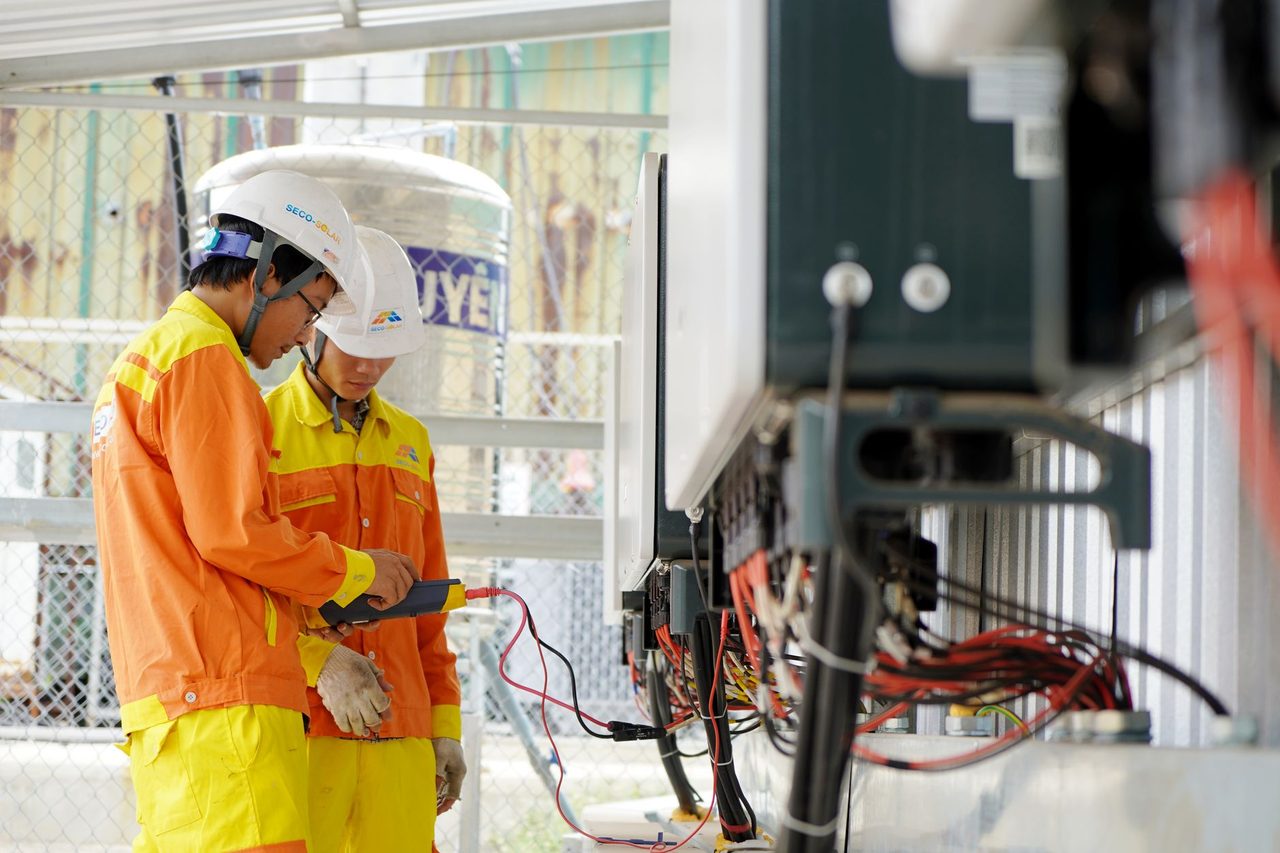
Photo: ThisIsEngineering on Pexels
India’s industrial decarbonisation challenge in 2026 is no longer just about reporting emissions. It is about replacing fossil heat, managing power costs, and choosing abatement pathways that lenders, boards and compliance teams can all underwrite. For many plants, the most practical route to near-term Scope 1 reduction is industrial electrification paired with renewable power procurement, storage, and robust measurement.
This is a different problem from Scope 2 optimisation alone. Electrification shifts emissions from fuel combustion inside the plant boundary to purchased electricity, which only creates real decarbonisation value if the power strategy, operating profile and MRV architecture are designed together. In India, where industrial users face a mix of grid tariffs, open access charges, state-level banking rules and reliability concerns, electrification cannot be treated as a generic sustainability initiative. It is a site-specific energy-system redesign.
For Indian C&I consumers, RE developers, lenders and policymakers, 2026 is the year this moves from concept to execution. Power market depth has improved, open access structures are more mature in several states, battery economics are becoming more bankable for select duty cycles, and carbon compliance and disclosure frameworks are making fuel-switching decisions more visible. At the same time, not every process should be electrified, and not every plant is ready.
This article sets out where industrial electrification works in India today, what technologies are bankable, how to evaluate the tariff and emissions case, and how to build a finance-ready roadmap.
Why industrial electrification matters now in India
A large share of industrial Scope 1 emissions in India comes from fossil fuel use for low- and medium-temperature heat, steam generation, drying, washing, melting support loads, compressed air systems, material handling and diesel-based auxiliary applications. In many sectors, these loads sit below the very high-temperature thresholds where green hydrogen or alternate process chemistry become necessary.
That creates an important sequencing opportunity:
- First, electrify technically mature end uses where power can displace fuel without compromising quality or throughput
- Second, decarbonise the electricity supply through captive RE, group captive, third-party open access, storage and selected firming arrangements
- Third, reserve higher-cost solutions such as hydrogen or complex process redesign for genuinely hard-to-abate loads
This matters because the marginal abatement economics are often more attractive for electrification than for frontier fuels. A plant that replaces diesel, furnace oil or LPG in suitable applications can often reduce operational complexity, improve controllability and cut local air pollutants alongside carbon.
In 2026, this also aligns with India’s broader policy and market direction:
- Corporate disclosures under BRSR and BRSR Core are increasing management focus on energy and emissions data quality
- Export-oriented sectors are under pressure to understand embedded carbon and future trade-exposure pathways
- The Indian Carbon Credit Trading Scheme ecosystem is sharpening attention on verifiable abatement
- Several industrial clusters are reassessing long-term gas dependence amid price volatility and infrastructure constraints
Electrification therefore sits at the junction of decarbonisation, energy security and capital productivity.
Where electrification is already viable for Indian industry
The strongest 2026 use cases are not universal full-plant conversions. They are targeted substitutions where temperature range, duty cycle, process control and tariff structure make the switch commercially rational.
Common viable applications include:
- Electric boilers for selected low-pressure steam or hot-water loads
- Heat pumps for low- to medium-temperature process heating, cleaning, drying and waste-heat recovery applications
- Electric thermic fluid heaters in suitable process environments
- Induction heating for metal processing and fabrication applications
- Electric arc and resistance-based systems in specific batch processes
- Electrified material handling fleets replacing diesel forklifts and internal logistics vehicles
- Mechanical vapor recompression in selected evaporation and concentration processes
- Electrified air compressors and process auxiliaries replacing engine-driven systems
Typical sector relevance in India includes:
- Food and beverage: hot water, washing, pasteurisation support, refrigeration integration, boiler-load optimisation
- Textiles: drying, washing, stenter support loads, heat recovery and steam-system rationalisation
- Pharmaceuticals and chemicals: clean heat, hot water, utility-system electrification and process integration
- Auto and engineering: induction, ovens, compressors, logistics fleets and paint-shop support applications
- Commercial ceramics and light manufacturing: selective kiln support systems, dryers and auxiliaries where full thermal conversion is not yet practical
The basic technical rule is simple: the lower and cleaner the temperature requirement, and the more intermittent or controllable the load, the more attractive electrification tends to be.
The economics: tariffs, fuels and the real cost comparison
The biggest mistake in Indian electrification studies is comparing equipment efficiency without comparing delivered energy cost correctly. Boards need a full landed-cost view.
A practical 2026 comparison should include:
- Existing fuel cost in Rs/MMBtu or Rs/kWh thermal equivalent
- Boiler or heater efficiency under actual operating conditions
- Electricity landed cost by time block
- Demand charges, wheeling, transmission, cross-subsidy surcharge and additional surcharge where applicable
- Backup power cost for critical loads
- Capex, downtime and balance-of-plant modifications
- Maintenance, water and emissions-control savings
Indicative 2026 market ranges vary by state and load profile, but many industrial users see:
- Grid power delivered at roughly Rs 7 to Rs 10.5 per kWh for HT consumers, sometimes higher depending on state, contract demand and time-of-day exposure
- Open access renewable power often landing in the broad Rs 4.0 to Rs 6.5 per kWh range after state-specific charges, though actual all-in outcomes differ materially
- Rooftop captive solar delivering lower levelised daytime energy cost where roof quality, profile match and financing are favourable
- Battery-backed firmed renewable supply still costing a premium, commonly pushing effective rates upward depending on duration and dispatch needs
- PNG economics remaining highly location- and contract-dependent
- LPG and furnace oil continuing to show significant volatility, often strengthening the fuel-switch case for specific applications
Efficiency changes the picture quickly. If an electric heat pump can deliver 2.5 to 4.0 units of heat per unit of electricity in a low-temperature application, it can outperform direct fossil combustion on both cost and carbon. If an electric boiler is being evaluated for a high-load, round-the-clock steam application without low-cost power access, the economics may be much weaker.
This is why a serious Net-zero roadmaps & MACC exercise should not use generic assumptions. It should compare each abatement lever by plant, by process and by operating hour.
A robust MACC for electrification should test:
- Base grid supply versus open access renewable supply
- Daytime versus 24x7 duty cycle
- Weekday and seasonal utilisation factors
- Curtailment or outage sensitivity
- Carbon-price scenarios, even if internal only
- Future fuel-price escalation versus power-tariff escalation
In many Indian plants, the first 10 to 20 percent of Scope 1 reduction can be delivered at moderate or even negative abatement cost if the plant starts with diesel displacement, utility-system optimisation and low-temperature heat electrification.
Power strategy: electrification only works with the right RE architecture
Electrification without a power procurement plan can raise operating cost and simply shift emissions from Scope 1 to a higher Scope 2 footprint. The right architecture depends on load shape.
For daytime-heavy loads, the most attractive 2026 combinations are often:
- Rooftop solar for behind-the-meter daytime supply
- Group captive or third-party open access solar or wind-solar hybrid
- Limited battery support where process continuity requires smoothing rather than long-duration backup
For plants with extended evening operations or tighter reliability needs, options may include:
- Hybrid open access portfolios combining solar and wind
- Storage for peak-shaving or short-duration firming
- Demand response and load scheduling to shift electrified processes into lower-cost renewable windows
- Parallel utility supply for critical redundancy
The key design question is not whether the plant can buy renewable power. It is whether the electrified load can be matched to lower-carbon power at acceptable landed cost while preserving process uptime.
This is where RE-led decarbonisation becomes more than procurement. It is the integration of process conversion, tariff engineering, load management and emissions accounting.
For example:
- A food processor with daytime cleaning and hot-water demand may pair heat pumps with rooftop solar and reduce both fuel use and peak power cost
- An auto-component manufacturer may electrify induction and compressors while using open access hybrid power for predictable shifts
- A pharma plant may electrify utility systems first, while ring-fencing validated clean-steam or regulated process loads for a later phase
Where electrification does not solve the problem
Not every industrial heat demand in India should be electrified in 2026. Hard-to-abate sectors and high-temperature continuous processes still require differentiated pathways.
Electrification is less straightforward where plants need:
- Very high-temperature heat above the commercially practical range for current electric systems in that process context
- Continuous thermal loads with limited flexibility and high outage risk
- Existing sunk-cost assets with long residual life and low near-term retrofit feasibility
- Process chemistry emissions that are not linked to fuel combustion
- Weak grid reliability and no viable firmed renewable procurement route
For these cases, companies should avoid forcing electrification into the roadmap only because it appears modern or financeable. The better approach is portfolio logic:
- Electrify what is commercially mature now
- Improve efficiency and waste-heat recovery everywhere possible
- Prepare green hydrogen, biomass, biogas or alternate fuels only for the genuinely hard-to-abate share
- Build MRV systems early so future transitions are auditable
This phased approach is especially important for steel, cement, fertilisers, some ceramics segments and selected chemicals pathways.
How to build a finance-ready industrial electrification roadmap
A lender or investment committee will not approve a plant-wide electrification programme based on emissions ambition alone. The roadmap must convert decarbonisation intent into bankable workstreams.
A practical 2026 roadmap should include six layers.
First, baseline the loads.
Map current fuel use by process, temperature band, shift, season and asset age. Many Indian plants still know annual fuel consumption but do not know which end uses actually drive it. Without this disaggregation, electrification targets are usually overstated.
Second, screen technical feasibility.
Classify loads into:
- Immediate electrification candidates
- Conditional candidates needing utility upgrades or process changes
- Non-candidates for the current planning horizon
Third, run total-cost and MACC analysis.
Model capex, opex, downtime, tariff pathways, financing assumptions and abatement outcomes. This should produce a ranked set of projects rather than a generic decarbonisation list.
Fourth, design the power and infrastructure package.
Assess transformer capacity, internal distribution, harmonics, quality-of-power needs, thermal storage opportunities, open access sourcing, rooftop potential and battery use cases.
Fifth, define MRV and disclosure treatment.
Electrification changes emissions boundaries and data flows. Metering must separate converted loads, renewable supply attributes and residual grid consumption. This improves Carbon accounting & disclosure quality for BRSR, internal controls and future carbon-market participation.
Sixth, phase execution.
A sensible sequence often looks like:
- Phase 1: audits, metering, utility-system efficiency, diesel displacement, forklifts and low-temperature heat
- Phase 2: steam and hot-water electrification, process-integrated heat pumps, compressed air and auxiliary upgrades
- Phase 3: deeper process conversions, storage, hybrid power architecture and hard-to-abate transition pilots
This staged structure lowers implementation risk and makes it easier to tie capex to verified performance.
MRV, compliance and why data quality will decide success
In 2026, electrification projects are increasingly judged not only by engineering performance but by the credibility of their emissions claims. If a company says it reduced Scope 1 through electrification, auditors and counterparties will want to know:
- What fuel baseline was displaced
- What process boundary was used
- What metering confirms the converted load
- What electricity source and emission factor were applied
- Whether renewable procurement claims are contractually and temporally supportable
- How downtime, backup generation and residual fossil use were treated
This matters for BRSR Core-aligned governance, for internal capex approval, for customer scrutiny and for any future interaction with India’s carbon-market and trading architecture. Weak data can erase strategic value.
At plant level, minimum MRV preparation should include:
- Fuel meter and electricity sub-meter architecture for converted processes
- Asset-level operating-hour and throughput capture
- Standardised emissions-factor library with version control
- Documented baseline and post-conversion methodology
- Linkage to financial systems for cost verification
- Internal sign-off workflow across production, maintenance, finance and sustainability teams
Industrial companies that treat MRV as an afterthought often discover that they cannot prove the savings they expected. Those that build measurement into project design can defend claims, refine dispatch and strengthen future financing conversations.
What boards, developers and policymakers should do next
For industrial boards, the near-term question is not whether net zero matters. It is which Scope 1 levers can clear internal hurdle rates in the next 12 to 24 months. Industrial electrification is often one of the few options that can deliver measurable abatement, operating benefits and modular execution without waiting for frontier technologies to mature.
For RE developers and power suppliers, the opportunity is to move beyond commodity electrons. Industrial customers need integrated offers: open access supply, storage options, load-shape analysis, metering strategy and plant-level decarbonisation logic.
For lenders, the underwriting opportunity lies in disciplined transitions rather than headline ambition. Projects with clear baseline data, tariff visibility, phased capex and auditable emissions reduction should be easier to evaluate than broad net-zero narratives without plant economics.
For policymakers and utilities, electrification growth will require reliable industrial power, workable open access frameworks, rational network charges and better support for flexible demand and storage. If those conditions improve, electrification can become one of India’s most scalable industrial decarbonisation levers this decade.
The strategic message is clear: use electricity where it is technically superior, procure lower-carbon power intelligently, and reserve scarce high-cost fuels for the loads that truly need them. That is how Indian industry should approach Scope 1 reduction in 2026.
If your company is evaluating plant-level fuel switching, phased Scope 1 abatement or a finance-ready electrification business case, contact Growthifye’s advisory desk. We help industry translate decarbonisation targets into investable execution through Industrial efficiency & electrification and Carbon markets & MRV.
Explore Growthifye's related capabilities
This analysis connects directly to our advisory practice: Carbon accounting & disclosure · Net-zero roadmaps & MACC · RE-led decarbonisation · Industrial efficiency & electrification.
About the author

Chief Executive Officer, Growthifye — With over 23 years in management consulting, Sudarshan has taken businesses from concept to scale — building and scaling new-age digital and energy businesses.
- 23+ years in management consulting
- EY alumnus
- Led large-scale BESS programmes, capital raises and advisory mandates
Want this analysis applied to your project?
Talk to our team