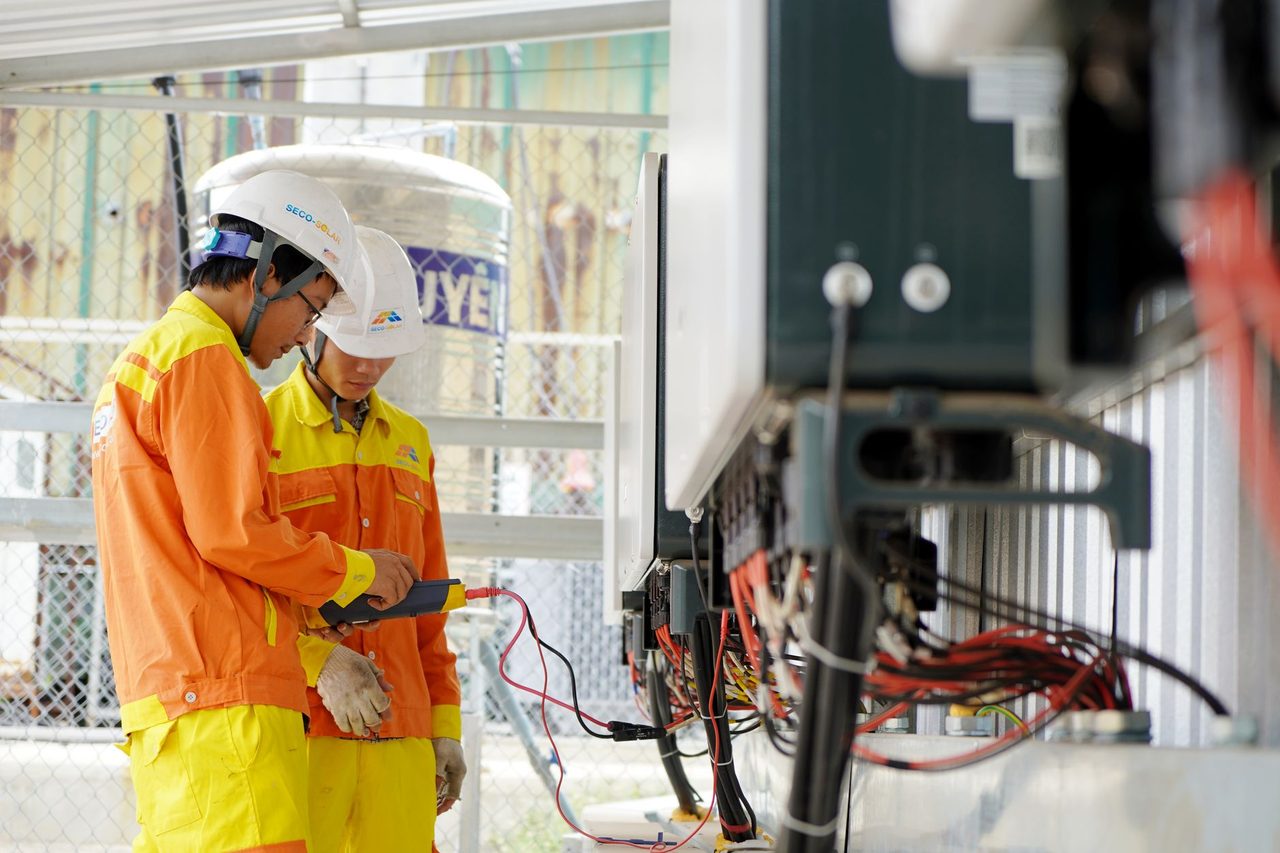
India 2026 Industrial Electrification Strategy for Net Zero and Scope 1 Cuts
By Sudarshan Karweer · sudarshan@growthifye.com · +91 84510 99371 (Call / WhatsApp) · 2026-09-16
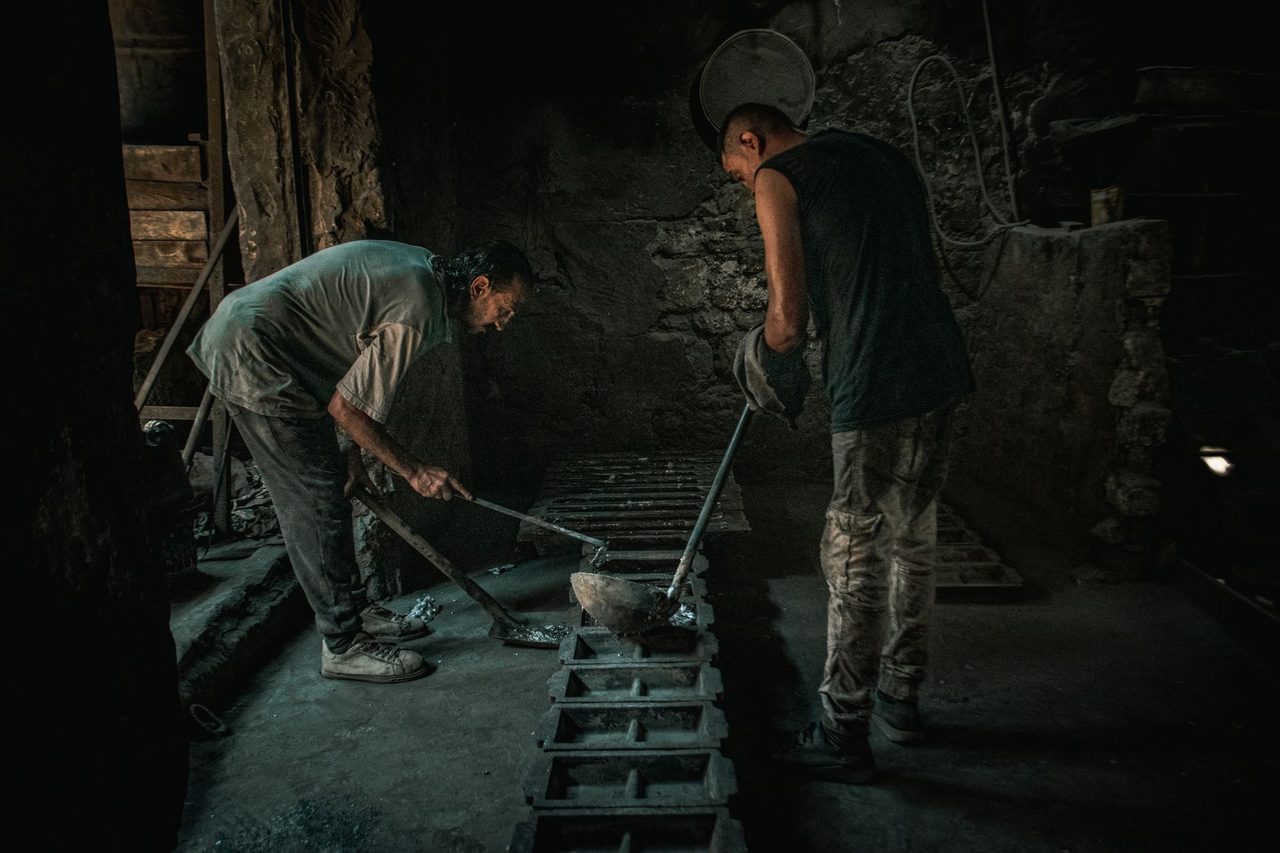
Photo: Ahmed fahmy on Pexels
India’s industrial decarbonisation challenge is still dominated by fuel combustion. For many plants, Scope 1 emissions from boilers, furnaces, dryers, kilns, steam systems and captive thermal assets remain the largest source of operational carbon. In 2026, industrial electrification has become one of the most practical ways to cut these emissions, especially where renewable power access, time-of-day tariffs, storage, open access and process redesign can work together.
This is not a generic “switch everything to electricity” argument. In Indian industry, electrification only works when it is mapped process-by-process, tariff-by-tariff and hour-by-hour. The winning strategy is selective electrification: identify heat and mechanical loads that can shift from coal, furnace oil, diesel, LPG or PNG to electric alternatives without hurting throughput, product quality or reliability. Then pair those loads with the right power sourcing strategy and audit-ready measurement.
For boards, plant heads, lenders and developers, the relevance is clear. Electrification can reduce fuel price volatility, improve local air quality, lower carbon intensity, simplify compliance under emerging carbon-market rules and support BRSR Core and transition planning. But the economics are highly site specific. The gap between a good business case and a failed one often comes down to connected load planning, contract demand design, harmonics, outage management and power procurement structure.
This article sets out a practical 2026 framework for industrial electrification in India: where it works first, what numbers matter, how to compare cost against conventional fuels, and how to build a finance-ready decarbonisation case.
Why industrial electrification is now a board-level decarbonisation lever
Three changes have made electrification more relevant in 2026 than it was even two to three years ago.
First, renewable power access has improved. In many industrial states, open-access solar and hybrid renewable supply is now a familiar procurement route for large commercial and industrial consumers. Delivered landed tariffs for open-access solar in strong markets can still sit around Rs 3.2-4.5/kWh depending on state charges, banking, scheduling and consumption profile. Firmed hybrid and round-the-clock structures are costlier, often in the Rs 4.5-6.5/kWh range, but they can materially improve the economics of replacing thermal loads that need operating continuity.
Second, compliance and disclosure pressure has deepened. Large Indian corporates are aligning plant-level decisions with BRSR Core, climate transition planning, export-market carbon exposure and expected CCTS obligations. Scope 1 reduction now matters not only for corporate claims but for cost control, customer qualification and financing.
Third, electric process technologies are more credible. Electric boilers, high-temperature heat pumps for lower-temperature applications, induction systems, infrared drying, electric ovens, electrode boilers, electric thermal fluid heaters and e-mobility for intra-plant logistics are no longer niche options. They are commercially available, though not universally viable.
For advisory teams, the lesson is simple: electrification should sit inside Net-zero roadmaps & MACC, not outside it as a standalone engineering experiment.
Where electrification works best in Indian industrial plants
The fastest wins are usually not in the highest-temperature hardest-to-abate processes. They are in medium- and low-temperature heat applications, utility systems and specific mechanical loads.
Priority applications often include:
- Steam generation for lower-pressure process demand using electric boilers where grid quality and tariff design support the switch
- Hot water and low-temperature process heating through heat pumps
- Drying, curing and ovens in food processing, textiles, pharmaceuticals and specialty chemicals
- Induction heating in foundries and metalworking applications where product quality can improve
- Electric compressors, pumps and drives replacing diesel-based systems or poorly controlled legacy motors
- Forklifts, yard vehicles and material handling equipment replacing diesel usage within plant boundaries
- Electrified HVAC and process cooling upgrades tied to efficiency gains
In many Indian plants, 20-40% of on-site fossil fuel use is theoretically addressable through near- to medium-term electrification, but the economically viable share is often smaller unless renewable electricity is competitively sourced. A realistic first-wave electrification programme may target 10-20% of Scope 1 emissions over two to four years, depending on process type.
Industries where selective electrification can move relatively quickly include food and beverage, pharma, auto components, electronics, textiles, commercial laundries, light engineering and parts of chemicals. Industries such as cement, primary steel and some ceramics face harder constraints at very high temperatures, where green hydrogen, biomass, waste heat recovery, alternative fuels and process innovation may be more relevant for the last mile.
The economics: how to compare electric heat with coal, FO, LPG and PNG
In India, electrification decisions fail when teams compare fuels on a simple per-unit basis rather than useful heat delivered.
The right comparison is cost per useful thermal kWh or cost per tonne of steam delivered, adjusted for equipment efficiency, auxiliary consumption, downtime, maintenance, emissions control cost and carbon value.
As a rough 2026 screening approach:
- Grid or open-access electricity at Rs 4.0/kWh with an electric boiler efficiency near 99% gives useful heat at roughly Rs 4.0-4.2 per thermal kWh before demand-charge effects
- PNG at around Rs 38-55/scm, depending on location and contract structure, may deliver useful heat in a broadly competitive range for some applications, especially where boiler efficiency is high
- LPG and furnace oil can be materially more expensive on delivered useful heat, especially after logistics and handling
- Coal may still look cheaper on direct fuel cost for some steam and thermal applications, often around Rs 1.8-3.0 per thermal kWh equivalent in certain cases, but this ignores ash handling, manpower, local pollution control, lower controllability, startup losses and rising carbon-risk exposure
That means electrification is not automatically cheaper than coal on day one. But it can beat FO, LPG and diesel in many use cases, and it can become highly attractive where:
- The plant already has access to low-cost renewable open access
- Time-of-day optimisation can shift flexible electric loads to lower-cost hours
- The process benefits from higher precision, lower rejects or better ramp control
- Carbon pricing is used internally in capex appraisal
- The plant avoids future compliance cost under carbon regulation or customer mandates
- Waste heat recovery and efficiency reduce total heat demand before electrification
For lenders and CFOs, the best practice is to test three scenarios rather than one:
- Energy-only savings case
- Energy plus maintenance and quality gains case
- Energy plus carbon and compliance case
This avoids underestimating value in sectors where product quality, export qualification or emissions intensity matter as much as utility bills.
Tariff design, open access and power-quality issues that determine success
Many electrification projects that are technically sound still struggle because power strategy is treated as an afterthought.
In 2026, industrial consumers need to model at least six electricity cost variables before approving electrified process loads:
- Energy charge or PPA tariff
- Transmission and wheeling charges
- Cross-subsidy surcharge and additional surcharge where applicable
- Banking rules and settlement losses
- Time-of-day tariffs and demand charges
- Backup power cost during renewable intermittency or outage events
A plant shifting significant thermal load to electricity may trigger higher contract demand and infrastructure upgrades. Transformer capacity, substation augmentation, cable sizing, power factor correction, harmonics mitigation and protection coordination can add meaningful capex. In several projects, these enabling costs account for 10-25% of total electrification investment.
Power quality is equally important. Sensitive heaters, induction systems and process controls can suffer under voltage fluctuation, unplanned tripping or poor harmonics management. If uptime is critical, the plant may need storage, firm power blocks, retained thermal redundancy or a phased hybrid operating model.
This is why RE-led decarbonisation and Industrial efficiency & electrification should be designed together. The cheapest kilowatt-hour is still the one avoided, and the cleanest electrified process is one whose load profile is reduced and stabilised before equipment replacement.
A practical plant-level roadmap for 2026
An effective industrial electrification programme usually follows a staged sequence rather than a one-shot conversion.
1. Build the fuel and heat baseline
Start with a detailed process-energy map:
- Fuel consumption by process, utility and shift
- Steam and hot water demand by pressure and temperature level
- Equipment runtimes, load factors and shutdown patterns
- Current Scope 1 emissions factors and annual tCO2e by source
- Process constraints such as ramp rates, quality tolerance and heat uniformity requirements
This baseline should reconcile with financial fuel purchase records and plant production data. If it does not, the decarbonisation case will not survive due diligence.
2. Create an electrification screening matrix
Score each load on five dimensions:
- Technical feasibility
- n- Carbon reduction potential
- Delivered energy cost impact
- Operational risk
- Implementation complexity
Low-temperature and intermittent loads usually move to the top of the list first.
3. Redesign the power strategy
Before final technology selection, model supply options:
- DISCOM supply only
- Open-access solar plus grid balancing
- Hybrid renewable plus storage or balancing power
- Captive or group captive structures where viable
- Dedicated feeder or reliability upgrades for critical process lines
This step often changes the project ranking.
4. Run a MACC and phased capex plan
Each measure should be placed on a marginal abatement cost curve with:
- Capex
- Opex impact
- Annual tCO2e reduction
- Payback period
- IRR under multiple tariff and fuel-price assumptions
- Dependencies such as substation upgrades or process shutdown windows
A robust MACC helps avoid overcommitting to high-cost electrification where efficiency or fuel switching would deliver cheaper abatement first.
5. Set up MRV from day one
Electrification only counts as credible decarbonisation if metering boundaries are clear. Plants should measure:
- Pre-project fuel consumption for the affected process
- Post-project electricity consumption at equipment level where feasible
- Production-normalised energy intensity
- Downtime, bypass fuel use and seasonal operating variation
- Renewable electricity attribution where claims are being made
This matters for internal reporting, lender monitoring, BRSR Core support and future carbon-market participation. Carbon accounting & disclosure cannot be bolted on after commissioning.
Where green hydrogen fits, and where it does not
Industrial electrification is powerful, but it is not the answer to every thermal application. For very high-temperature continuous processes, direct electrification may remain technically difficult or commercially weak in the near term.
That is where a portfolio approach matters. In hard-to-abate sectors, companies may combine:
- Efficiency and waste heat recovery
- Biomass or biogenic residues where supply is reliable and sustainable
- Selective electrification for utilities and lower-temperature steps
- Green hydrogen pilots for high-temperature or reducing-agent applications
- Process redesign and material substitution
In other words, electrification should not compete ideologically with hydrogen. It should remove the loads that electricity can decarbonise more efficiently, leaving hydrogen for applications where molecules are genuinely needed.
What policymakers, utilities and financiers should focus on next
If India wants faster industrial decarbonisation, electrification needs a stronger enabling environment.
Priority actions include:
- More predictable state open-access rules and surcharge trajectories
- Time-of-day tariffs that reward flexible electrified industrial loads
- Faster utility approvals for load enhancement and substation upgrades
- Standardised measurement protocols for Scope 1-to-Scope 2 shifting claims
- Concessional debt lines for efficiency-linked electrification and grid-integration upgrades
- Better coordination between industrial policy, power policy and carbon-market design under the CCTS framework
For financiers, plant electrification is not just an equipment loan proposition. It is an integrated energy-transition project with interlocking process, tariff, reliability and compliance risks. Diligence should assess not only technology performance but also renewable supply structure, metering architecture and plant operating discipline.
For developers and utilities, this is an emerging demand opportunity. Industrial electrification can create high-quality electricity demand if products are structured around reliability, flexibility and decarbonisation outcomes rather than plain commodity power.
The 2026 decision framework: electrify what makes business sense now
The most successful Indian companies in 2026 will not be the ones making the loudest net-zero claims. They will be the ones that sequence abatement rationally.
That means:
- Cut avoidable energy demand first
- Electrify the loads where process fit and tariff structure are favourable
- Procure lower-carbon electricity intelligently
- Reserve scarce higher-cost options for the truly hard-to-abate fraction
- Measure everything well enough to withstand audit and financing scrutiny
Industrial electrification is now a serious Scope 1 reduction lever for Indian C&I consumers, but only when treated as a plant transformation programme, not a single equipment swap. The opportunity is substantial: lower direct emissions, cleaner operations, stronger disclosure readiness and a clearer path to competitive decarbonisation.
If your plant is evaluating steam-system electrification, electric process heat, load-growth planning or a phased Scope 1 reduction strategy, contact Growthifye’s advisory desk. We help clients turn decarbonisation intent into bankable engineering, power-procurement and MRV-ready implementation.
Explore Growthifye's related capabilities
This analysis connects directly to our advisory practice: Carbon accounting & disclosure · Net-zero roadmaps & MACC · RE-led decarbonisation · Industrial efficiency & electrification.
About the author

Chief Executive Officer, Growthifye — With over 23 years in management consulting, Sudarshan has taken businesses from concept to scale — building and scaling new-age digital and energy businesses.
- 23+ years in management consulting
- EY alumnus
- Led large-scale BESS programmes, capital raises and advisory mandates
Want this analysis applied to your project?
Talk to our team