Grid Integration Studies for RE and BESS in India 2026: Costs, Timelines, Risks
By Sudarshan Karweer · sudarshan@growthifye.com · +91 84510 99371 (Call / WhatsApp) · 2026-09-12
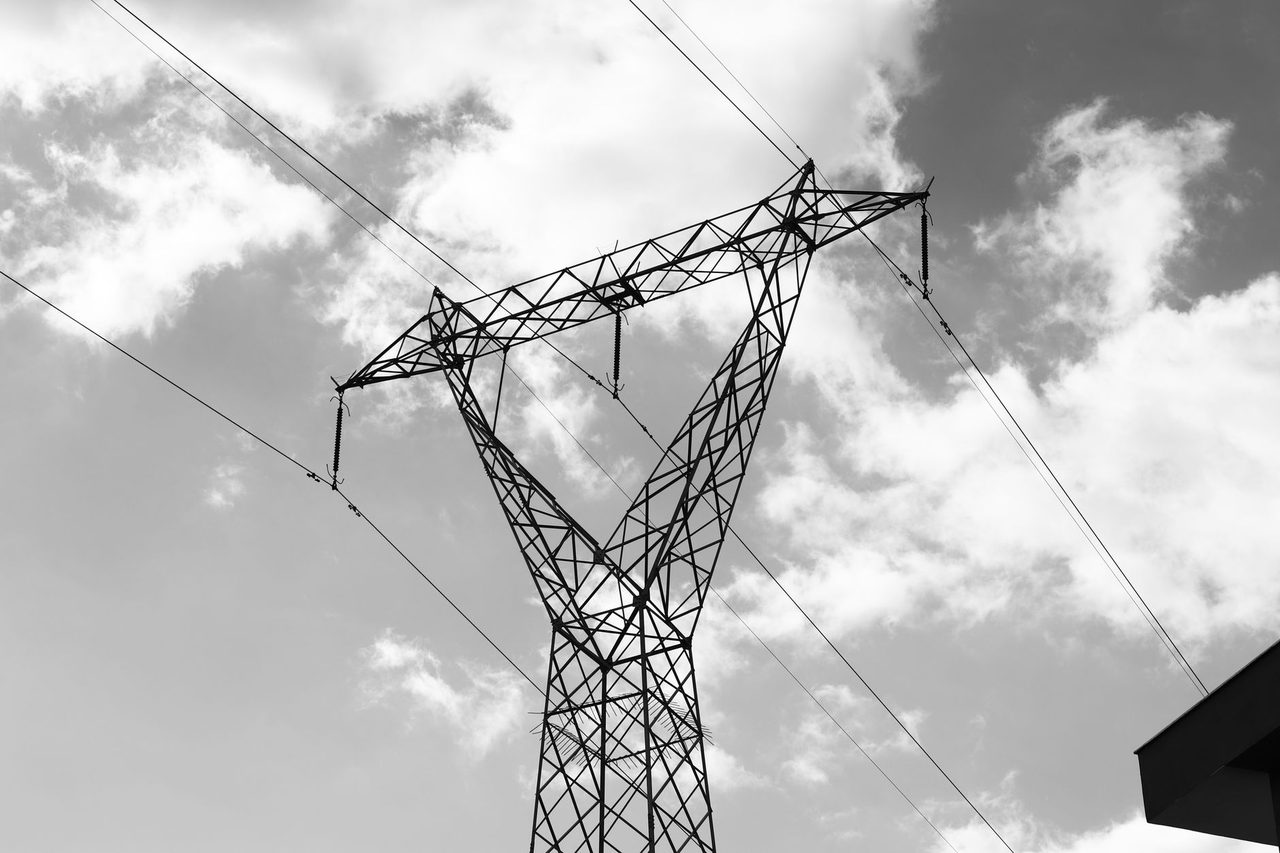
Photo: Efe Burak Baydar on Pexels
India's renewable pipeline is no longer constrained only by land, modules, turbines or battery prices. In 2026, one of the biggest hidden value drivers is grid integration work done before bid submission, financial close and detailed engineering. For utility-scale solar, wind, hybrid and battery energy storage system projects, grid studies now directly influence CAPEX, commissioning timelines, curtailment exposure, auxiliary consumption, delivered CUF, scheduling performance and lender comfort.
This matters across project types: interstate transmission system-connected solar and wind, state-connected open-access plants, co-located BESS, standalone BESS, FDRE portfolios, round-the-clock structures, green hydrogen-linked RE, and pumped storage evacuation schemes. Yet many sponsors still approach interconnection studies as a compliance box to tick after the site is fixed. That approach is expensive.
In practice, the quality of grid integration analysis can move project returns materially. A developer may win capacity on an attractive tariff, then discover the pooling substation has weak voltage support, fault-level constraints, transformer loading issues, longer line bays, restricted injection windows or seasonal curtailment patterns not captured in the base case. By then, renegotiation is rarely possible.
This article looks at grid integration studies for RE and BESS in India in 2026: what they include, the key technical and commercial variables, likely timelines and costs, and why developers, C&I buyers, lenders and utilities should treat this as a front-end bankability exercise rather than a post-award formality.
Why grid integration has become a first-order project variable
Three shifts explain why grid integration now deserves board-level attention.
First, project mix has become more complex. A plain vanilla solar plant injecting energy during daytime peaks is easier to model than a wind-solar-BESS hybrid with hourly scheduling obligations, reactive power requirements and evening discharge commitments. As India scales FDRE, RTC-like supply structures, ancillary services participation and storage-backed procurement, interconnection quality determines whether the asset can physically deliver what the PPA assumes.
Second, network conditions are tightening in high-growth renewable corridors. States with strong solar and wind buildout can show congestion at specific substations or downstream elements even where headline evacuation plans look adequate. Curtailment can arise not only from national peak-low conditions but from local thermal limits, voltage excursions, outage patterns and seasonal network topology.
Third, lenders and offtakers are asking more detailed questions. By 2026, serious diligence no longer stops at checking sanctioned bay approval and line route. Credit teams increasingly want to see assumptions on injection feasibility, fault ride-through compliance, harmonic performance, reactive support strategy, SCADA and protection architecture, metering boundaries, and expected curtailment treatment under the PPA or OA arrangement.
For standalone BESS, the issue is sharper. Revenue assumptions may depend on charging windows, discharge availability, grid charging permissions, round-trip efficiency under actual auxiliary loads, and the substation's ability to absorb both import and export cycles without operational restrictions. A battery connected at the wrong node may remain technically commissioned but commercially underutilised.
What a robust grid integration study should cover
A proper grid integration package is broader than a single load-flow file. The exact scope depends on project type and connectivity voltage, but in 2026 a bankable study package for RE and BESS in India typically examines the following:
- Load-flow analysis under multiple operating scenarios, including peak RE injection, minimum demand, outage contingencies and BESS charge-discharge modes
- Short-circuit analysis to assess fault-level impact at the point of interconnection and adjacent buses
- Reactive power and voltage control assessment, including inverter capability, STATCOM or capacitor/reactor needs, and compliance with grid code requirements
- Dynamic studies where applicable, especially for large hybrid plants, weak-grid locations or storage-heavy projects
- Harmonic analysis for inverter-based resources and storage PCS configurations
- Protection coordination, islanding logic, relay settings philosophy and communication interfaces with SLDC/RLDC requirements
- Evacuation system sizing, line thermal loading, transformer rating adequacy and redundancy philosophy
- Metering, ABT-compliant energy accounting and telemetry architecture
- Curtailment risk assessment based on network topology, local congestion and dispatch practices
- Charging-source rules and operating constraints for BESS, especially where the business case assumes grid charging or multi-source charging
For a solar plus BESS project, one of the most commonly missed issues is that the battery's modeled dispatch profile is often prepared by a commercial team, while the interconnection assumptions are prepared later by engineering teams. If the battery is expected to charge aggressively during low-price solar hours and discharge during evening ramps, the evacuation and import-export architecture must support those transitions. If not, actual realised spreads fall below bid assumptions.
For wind-heavy hybrids, the key challenge is variability interacting with local voltage and reactive power behaviour. Sites with good wind resource are not automatically easy interconnection sites. Developers need to understand whether the network can support fluctuating injections without expensive compensation equipment or curtailment instructions.
The 2026 India regulatory and policy context
Grid integration decisions in India are shaped by a mix of central and state rules. Project teams must map all of the following early in development:
- CEA technical standards for connectivity to the grid
- IEGC and related scheduling, metering, forecasting and dispatch requirements
- CTU/Central Transmission Utility connectivity procedures for ISTS-linked assets
- STU and state discom technical requirements for intrastate and open-access projects
- CERC and SERC orders affecting energy accounting, deviation, ancillary participation and storage treatment
- Tender-specific requirements from SECI, NTPC, NHPC, state agencies or discoms
- Grid-code obligations on LVRT/HVRT, frequency response, reactive power and communication systems
For BESS specifically, 2026 project structuring often turns on whether charging is from co-located RE, the grid, or both; whether the offtake is capacity-like, energy-shifting, ancillary or hybrid; and how losses and auxiliary consumption are treated in settlement. These are not merely contractual questions. They must match the approved electrical design and connectivity philosophy.
State open-access projects add another layer. A C&I buyer may focus on landed power cost, banking treatment, wheeling, CSS and AS, but the physical interconnection still decides whether promised reliability is realistic. If a storage-backed OA project is sold on evening peak support but sits behind a constrained node with frequent outages or limited import-export flexibility, the commercial proposition weakens quickly.
Typical costs, timelines and where delays really occur
There is no single India-wide benchmark because voltage level, project size, location and study depth vary widely. But a practical 2026 market view is as follows.
For a standard utility-scale RE project, preliminary grid screening at development stage may cost a few lakh rupees if done as a desktop-plus-network review exercise. A fuller package with load flow, short-circuit and reactive studies, plus interconnection design iterations, can move into the low tens of lakhs depending on complexity and whether primary data from utilities is available.
For large hybrids, standalone BESS, pumped hydro evacuation packages or multi-node portfolios, the study cost can rise further because scenario modelling becomes more extensive and may need repeated revisions as tender assumptions evolve.
Timelines are often more damaging than consultant fees.
A realistic timeline in 2026 may look like this:
- 2 to 4 weeks for initial grid screening if system data is accessible
- 4 to 8 weeks for detailed study preparation and review for relatively straightforward projects
- 8 to 16 weeks or more where utility data is incomplete, multiple scenarios are contested, or bay and line approvals require redesign
- Additional months if right-of-way, route changes, substation augmentation or revised interconnection voltage are required
Most delay is not caused by simulation itself. It usually comes from one of five bottlenecks:
- Late identification of the real injection node
- Incomplete or outdated network data from counterparties
- Mismatch between bid assumptions and electrical design
- Utility comments requiring compensation equipment or higher interconnection voltage
- Internal decision delay on CAPEX trade-offs such as longer transmission line versus lower curtailment risk
A common error is to optimise only for nearest substation distance. The cheapest-looking connection point can be the most expensive lifecycle choice if it creates recurring curtailment, high reactive compensation needs, or longer commissioning dependency on utility augmentation.
How grid integration affects tariffs, IRR and lender confidence
Developers often model tariffs around module prices, turbine yields, battery replacement assumptions and debt terms. Those are important, but interconnection can alter all of them indirectly.
Consider the pathways:
- Higher evacuation CAPEX increases project cost directly through lines, bays, transformers, switchgear and compensation equipment
- Longer approval and construction timelines push COD, triggering IDC growth and possible liquidated damages
- Curtailment lowers net generation sold, reducing realised CUF and revenue
- Weak-grid operation can reduce inverter performance and increase losses or operational constraints
- Inadequate reactive design can trigger additional equipment spend after award
- For BESS, import-export restrictions can reduce usable cycles and annual throughput, hurting revenue stacking assumptions
In a competitively bid market, even modest changes matter. A solar-plus-storage project expecting a certain evening delivery profile may see its levelised delivered cost rise materially if battery throughput drops because of charging constraints. A standalone BESS merchant strategy may lose value if grid availability during the intended charge window is weaker than modeled. An FDRE project may need a larger battery or more oversizing of RE to compensate for practical dispatch limits at the interconnection point.
For lenders, grid integration quality influences both technical and legal diligence. Credit committees are far more comfortable when they see a documented chain from resource profile to dispatch model to electrical architecture to approved interconnection path. If those links are weak, debt sizing turns conservative, reserve requirements may increase, and reliance on sponsor support becomes heavier.
Lender's engineer reviews in 2026 increasingly ask specific questions such as:
- Is the evacuation design aligned with the PPA dispatch obligation?
- What is the expected annual and seasonal curtailment basis?
- Are fault levels within equipment duty limits through the debt tenor scenarios?
- Is the reactive power strategy adequate without hidden augmentation CAPEX?
- Can the BESS physically perform the assumed cycles under site and grid conditions?
- Are there any unresolved dependencies on utility-side strengthening works?
These are bankability questions, not only engineering questions.
Practical diligence checklist for developers, C&I buyers and policymakers
For developers and EPC sponsors, the right sequence is to run grid screening before freezing tariff strategy, not after. That means testing more than one interconnection option and modelling downside cases, including outages and low-demand periods. If the project includes BESS, model charging and discharging as network states, not just revenue rows in Excel.
For C&I consumers procuring storage-backed renewable supply, ask sellers for more than a single-line diagram and sanctioned load reference. Request clarity on the interconnection point, import-export restrictions, backup assumptions, telemetry setup, likely curtailment exposure and whether the supply promise depends on future utility approvals.
For utilities and policymakers, faster and more standardised access to network data would reduce bid uncertainty and lower eventual tariffs. Transparent hosting-capacity style disclosures, even if imperfect, can help developers avoid overbidding weak nodes. Better coordination between procurement agencies and transmission planners can also reduce the gap between tender ambition and physical deliverability.
A practical pre-investment checklist should include:
- Exact point of interconnection and approved voltage level
- Existing and planned transformer and line loading at the node
- Seasonal minimum-demand and maximum-RE injection conditions
- Fault level headroom over the project life
- Reactive compensation requirement and ownership boundary
- Communication and SCADA integration requirements
- Utility-side augmentation dependency and responsibility split
- Estimated curtailment scenarios and contractual treatment
- BESS charging-source permissions and metering treatment
- Commissioning critical path linked to transmission readiness
The strategic takeaway for 2026 projects
The next phase of India's renewable buildout will reward not just the lowest equipment cost or the most aggressive tariff bid, but the projects that are electrically deliverable from day one. Grid integration is where engineering reality meets commercial ambition.
That is especially true in segments now attracting strong capital and policy attention: standalone BESS, storage-linked FDRE, C&I open access with firming, green hydrogen-linked renewable supply and pumped hydro evacuation planning. In each case, the same principle applies: if the interconnection logic is weak, the project economics are fragile.
Sponsors that treat grid studies as front-end value engineering gain three advantages. They avoid avoidable redesign CAPEX, improve schedule certainty, and present a cleaner risk story to lenders and counterparties. In a market where basis-point changes in tariff and a few weeks of delay can decide project viability, that edge is meaningful.
If you are evaluating an RE, hybrid or storage project in India and want an independent view on grid integration risk, curtailment exposure, BESS operability or bankability implications, contact Growthifye's advisory desk.
About the author

Chief Executive Officer, Growthifye — With over 23 years in management consulting, Sudarshan has taken businesses from concept to scale — building and scaling new-age digital and energy businesses.
- 23+ years in management consulting
- EY alumnus
- Led large-scale BESS programmes, capital raises and advisory mandates
Want this analysis applied to your project?
Talk to our team