ERP for Indian Renewable Energy 2026: Multi-Entity Control, ROI and Rollout
By Sudarshan Karweer · sudarshan@growthifye.com · +91 84510 99371 (Call / WhatsApp) · 2026-09-15
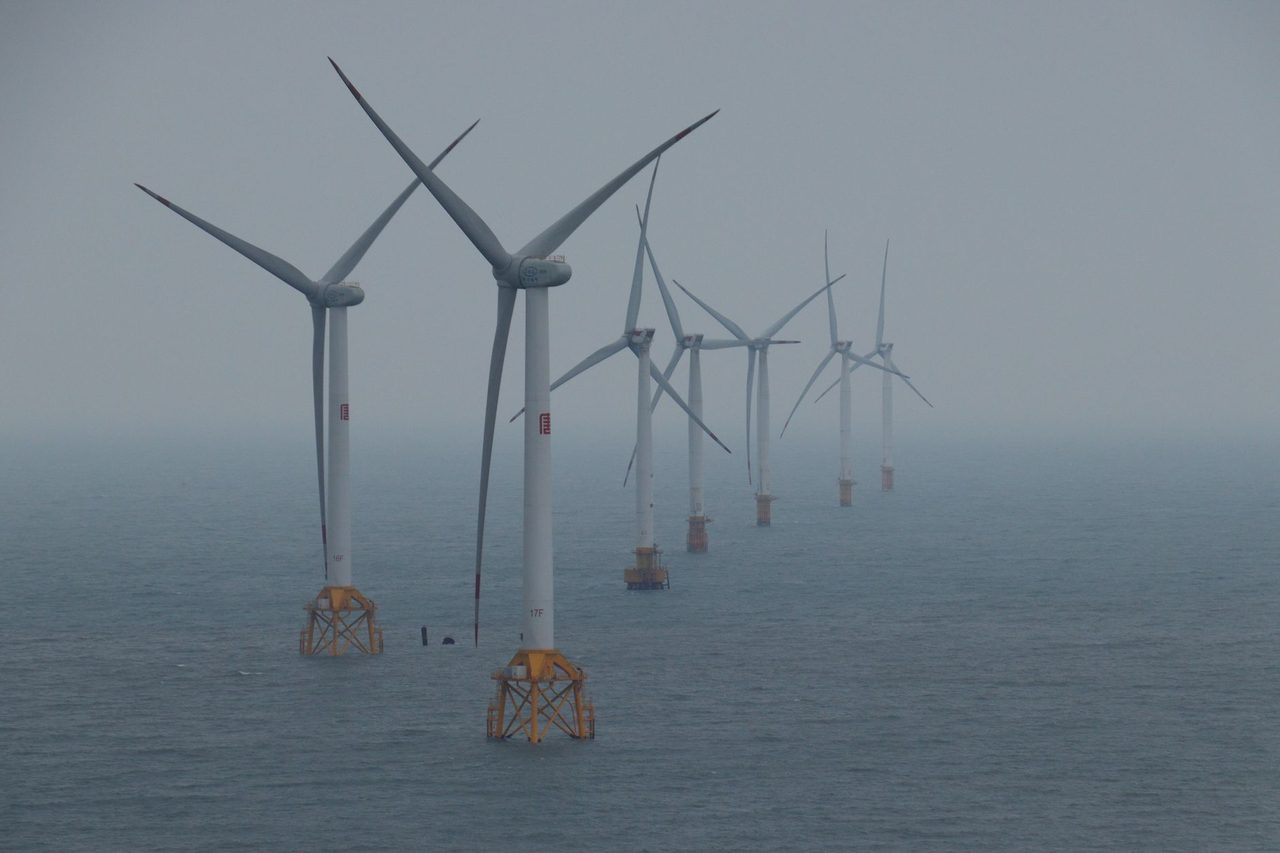
Photo: gong qianlan on Pexels
India’s renewable-energy market in 2026 is no longer constrained by ambition; it is constrained by operating complexity. Utility-scale solar and wind developers are managing dozens of SPVs, hybrid projects, storage assets, open-access billing structures, GST nuances, tighter lender covenants and more frequent reporting expectations from investors and regulators. C&I energy consumers are adding captive, group captive and third-party renewable contracts while trying to reconcile savings against contracted tariffs, banking rules and DSM-linked operational impacts. Utilities and discom-facing entities are under pressure to modernise finance, asset, procurement and service workflows while controlling losses and improving compliance.
In this environment, ERP is not just a finance system. For energy companies, ERP becomes the transaction backbone connecting projects, procurement, contracts, inventory, work execution, approvals, taxation and management reporting. Done well, it reduces leakage, speeds up decisions and improves lender confidence. Done poorly, it becomes another layer of data entry on top of Excel, emails and siloed applications.
This article looks at why ERP matters specifically for Indian renewable-energy and power businesses in 2026, which business cases are strongest, what ROI decision-makers can realistically expect, and how to roll out without disrupting ongoing EPC, O&M and finance operations.
Why ERP is now a board-level issue in Indian energy
The old model of running finance on standalone accounting software, procurement on email, inventory in spreadsheets and O&M in separate tools breaks down once a business scales beyond a handful of assets. In India, the complexity is amplified by project structures and policy overlays:
- Multiple SPVs with separate books, DSRA conditions and lender reporting packs
- EPC contracts split across modules, BoS, evacuation and transmission interfaces
- O&M teams managing geographically dispersed sites with inverter, transformer and spares workflows
- GST, TDS and e-invoicing requirements across vendors and states
- Open-access and captive structures with wheeling, banking and cross-subsidy implications
- Payment delays from counterparties and complex reconciliation of receivables
- Increasing scrutiny on internal controls from lenders, PE funds, infrastructure investors and audit committees
By 2026, many Indian RE platforms have already invested in SCADA, forecasting, analytics and cybersecurity. But the commercial and operational backbone is still fragmented. That gap shows up in very practical ways: delayed month-end closure, duplicate vendors, weak PO control, poor spare visibility, payment disputes, budget overruns, and inability to produce asset- or SPV-level profitability views on demand.
An energy-specific ERP design addresses these problems by creating one controlled system of record for commercial and operational processes. That is especially important when businesses are acquiring portfolios, refinancing projects or preparing for public-market scrutiny.
The strongest ERP use cases for developers, IPPs and C&I platforms
The best ERP business cases in Indian energy are not generic. They are driven by recurring pain points that directly affect cash flow, cost of capital or plant availability.
First is multi-entity finance and consolidation. Renewable developers often operate through project SPVs with shared services at a holdco or platform level. ERP can automate intercompany entries, standardise chart of accounts, accelerate consolidation and produce lender-ready reports. A finance team that takes 12-15 working days to close monthly accounts can often reduce this to 5-7 working days after process redesign and system rollout.
Second is procure-to-pay control for EPC and O&M. In many portfolios, project procurement still suffers from weak linkage between budget, BOQ, purchase requisition, PO, GRN and invoice. That creates overruns and dispute-prone vendor billing. ERP enables commitment tracking against approved budgets, milestone-based billing and retention control. For EPC-heavy businesses, even a 1-2% reduction in addressable procurement leakage can materially improve project IRR.
Third is inventory and spares management. Solar and wind O&M teams often either overstock insurance spares or discover stockouts at the wrong time. ERP linked to warehouse and maintenance processes can improve reorder planning, issue tracking and warranty claim visibility. On portfolios with high inverter, string combiner, breaker or transformer maintenance exposure, working-capital savings from better stock governance can range from 8-15% of inventory carrying value.
Fourth is contract and receivables management. Open-access, captive and utility-scale projects involve complex invoicing logic, change orders, liquidated damages, payment milestones and energy-linked settlement. While specialised billing systems may remain in place, ERP should own customer master, contract metadata, collections workflow and accounting impact. This is where many platforms recover value through lower DSO slippage and faster dispute resolution.
Fifth is capex governance. As storage, hybridisation and repowering begin to enter more boardroom discussions in 2026, finance leaders need a clean trail from approved capex to committed spend to asset capitalisation. ERP improves fixed-asset controls, CWIP tracking and auditability.
For integrated energy businesses, this is why ERP & asset management systems are increasingly treated as a strategic operating platform rather than an admin tool.
What ROI looks like in 2026
Indian energy firms often ask whether ERP is worth the disruption. The answer depends on scale, process maturity and scope, but there are several measurable benefit pools.
For a renewable platform with 1-3 GW under operation and development, common annualised value buckets include:
- 0.5-1.5% savings on addressable procurement spend through better compliance to approved vendors, PO discipline and duplicate-spend reduction
- 10-30% reduction in finance and commercial cycle time for month-end close, approvals, reconciliations and audit support
- 5-15 day improvement in vendor and customer reconciliation cycle times
- 8-15% lower inventory carrying costs where spare planning and stock visibility are weak
- Better claim recovery on warranties, back-charges and retention amounts
- Reduced external audit effort through stronger controls and cleaner supporting documentation
Consider a mid-sized platform spending Rs 300 crore annually on EPC residual packages, O&M materials, services and shared procurement categories. If ERP-led controls help capture even 1% savings, that is Rs 3 crore per year. Add Rs 50-80 lakh in inventory and process-efficiency benefits, plus faster receivables follow-up and reduced error-related leakages, and the payback can be under 18-24 months for a well-scoped rollout.
For C&I energy consumers operating captive or group-captive structures across multiple sites, ROI usually comes less from procurement and more from control, auditability and energy-cost reconciliation. ERP can help reconcile developer invoices, internal cost allocations, GST treatment and plant-level asset accounting, especially when generation assets are spread across states.
Lenders and investors also care about indirect ROI. Better ERP controls reduce dependency on key individuals, lower reporting inconsistency and improve diligence readiness for refinancing, stake sale or acquisition. In a market where debt pricing and investor confidence are highly sensitive to governance quality, this matters.
India-specific design choices that generic ERP projects miss
Many ERP programs underperform because they are designed like manufacturing or generic infrastructure projects rather than Indian energy businesses. In 2026, the following design choices matter.
Chart of accounts and reporting dimensions should support SPV, project, site, feeder, technology, cost centre and contract-level analysis. If these dimensions are not structured upfront, management reporting becomes another Excel exercise.
Tax configuration must reflect real operating complexity. This includes GST across states, reverse-charge scenarios where relevant, TDS categories, e-invoicing, e-way bill dependencies and vendor-compliance checks. Renewable companies with interstate procurement and decentralised execution need tight validation controls.
Project controls need budget-versus-commitment visibility, not just booked expense reporting. CFOs need to know approved budget, committed amount, goods received, invoice booked, amount paid and balance available by package and site.
Asset hierarchies should support the life cycle from CWIP to commissioning to operations. For example, modules, inverters, transformers, pooling substations and evacuation equipment may require different capitalisation logic, depreciation classes and maintenance relationships.
Approval workflows must reflect delegation-of-authority structures common in developer and utility environments. Mobile approvals are no longer optional because site, regional and corporate teams are distributed.
Integration architecture must be practical. ERP does not replace every operational application. It should integrate cleanly with SCADA historians, billing systems, banking platforms, expense tools, HRMS, procurement portals and where needed, maintenance applications. In many successful programs, Data & analytics platforms sit above ERP and operational systems to deliver management dashboards without overloading transaction workflows.
Cybersecurity and access controls are also central. Energy firms are rightly focused on OT risk, but finance and procurement platforms hold payment authority, vendor bank details, project-commercial information and sensitive contracts. Role-based access, segregation of duties, MFA and audit trails should be built in from day one.
Rollout model: how to avoid a painful implementation
The highest-risk ERP projects attempt to transform everything in one go. In energy, that usually collides with live project execution, quarter-end reporting and O&M continuity. A phased rollout is generally more effective.
A practical sequence for 2026 looks like this:
- Phase 1: finance, procure-to-pay, vendor master, approvals and basic fixed assets
- Phase 2: project accounting, capex controls, inventory and warehouse workflows
- Phase 3: contract management, receivables, collections and advanced reporting
- Phase 4: deeper integration with maintenance, field operations and analytics layers
Before technology selection, firms should complete a short operating-model diagnostic. This should map current processes, identify control failures, define target KPIs and classify must-have versus nice-to-have requirements. Too many teams begin with software demos before agreeing internal design principles.
Master-data governance is another make-or-break area. Vendor masters, material codes, site codes, cost centres and approval matrices need cleansing before migration. Without this step, duplicate records and bad reporting simply move from spreadsheets into the new system.
Change management must be treated seriously. Project managers, site stores teams, finance controllers, procurement managers and O&M supervisors will all experience process change. Training should be role-based and scenario-driven, not generic. For example, a site engineer needs to know how to raise and track a requisition against project budget, not the entire ERP menu.
This is where IT strategy & roadmaps and Program governance become critical. The implementation team needs decision rights, escalation paths, release planning and business ownership at each stage. ERP cannot be left to IT alone; it must be co-owned by finance, procurement, projects and operations.
Vendor selection and deployment choices in the Indian market
In 2026, most energy firms are choosing between large enterprise suites, mid-market ERP platforms and industry-configured implementations. The right choice depends on transaction complexity, entity count, integration needs and growth plans.
Large platforms suit businesses with many SPVs, significant audit expectations, complex controls and an active M&A pipeline. Mid-market platforms can work well for regional developers, O&M specialists or C&I platforms that need speed and discipline without excessive customisation.
Cloud deployment is increasingly the default unless specific policy, customer or data-residency constraints require a different setup. Cloud-based ERP generally reduces infrastructure overhead, supports distributed teams better and enables faster update cycles. That said, architecture should still account for integration resilience, backup, identity management and cybersecurity obligations.
Selection criteria should include:
- Fit for multi-entity finance and consolidation
- Strength of project accounting and budgetary control
- India tax and statutory compliance capability
- Workflow flexibility and mobile usability
- Integration capability with existing energy systems
- Quality of local implementation ecosystem
- Total cost over 5 years, not only license cost
Buyers should be cautious about over-customisation. If every exception is coded into the ERP, upgradeability suffers and process discipline weakens. The better approach is to standardise 70-80% of core workflows and limit custom development to high-value differentiators.
What boards, lenders and policymakers should watch
For boards and investors, ERP should be evaluated as part of enterprise control maturity, not merely as software expenditure. The key questions are straightforward:
- Can management get reliable SPV-level and portfolio-level numbers quickly?
- Are commitments, payments and contracts tightly controlled?
- Is there a defensible audit trail across procurement, projects and asset accounting?
- Can the platform scale for hybrid, storage, transmission-linked or acquired assets?
For lenders, stronger ERP environments improve information quality around DSCR monitoring, reserve accounts, capex usage, vendor obligations and covenant reporting. While ERP alone does not solve project risk, it reduces operational opacity.
For utilities and policymakers, the broader lesson is that digital maturity in power is not only about grid, SCADA and cybersecurity. Commercial systems are equally important to sector efficiency. Delays in billing, poor vendor controls, fragmented data and weak asset accounting ultimately affect cost to serve, dispute volumes and investment confidence.
In 2026, as India continues to add renewable and storage capacity while tightening expectations around compliance and governance, ERP is becoming foundational infrastructure for energy enterprises. The winners will be the organisations that treat it as an operating-model transformation tied to financial discipline, project execution and scalable growth.
If your organisation is evaluating ERP modernisation for renewable portfolios, captive energy structures or utility operations, contact Growthifye’s advisory desk. We can help assess business case, target architecture, rollout sequencing and implementation risks for a practical 2026 roadmap.
Explore Growthifye's related capabilities
This analysis connects directly to our advisory practice: IT strategy & roadmaps · ERP & asset management systems · Data & analytics platforms · Cloud migration.
About the author

Chief Executive Officer, Growthifye — With over 23 years in management consulting, Sudarshan has taken businesses from concept to scale — building and scaling new-age digital and energy businesses.
- 23+ years in management consulting
- EY alumnus
- Led large-scale BESS programmes, capital raises and advisory mandates
Want this analysis applied to your project?
Talk to our team