
Energy Trading & REC Compliance Software in India 2026: ROI and Rollout
By Sudarshan Karweer · sudarshan@growthifye.com · +91 84510 99371 (Call / WhatsApp) · 2026-09-16
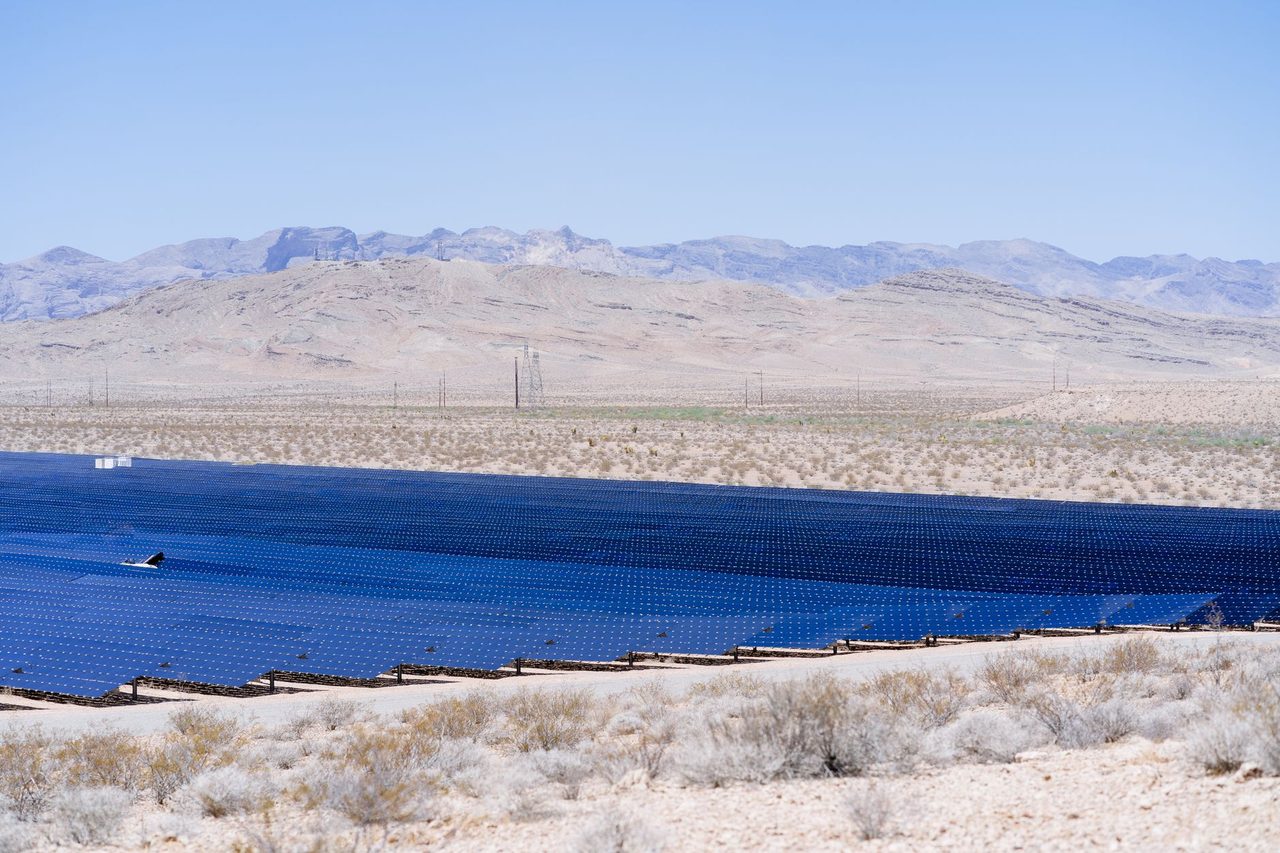
Photo: Deane Bayas on Pexels
India’s electricity market is no longer a simple monthly settlement exercise. In 2026, renewable generators, C&I open-access consumers, discoms, traders and lenders are dealing with day-ahead, real-time and green market exposure, DSM-linked scheduling risks, banking restrictions, contract deviations, REC position tracking, and state-specific compliance workflows. In this environment, energy trading and REC compliance software has moved from a back-office convenience to an operating necessity.
For Indian renewable portfolios, especially wind-solar-hybrid, group captive and third-party open-access structures, the value at risk is material. A 50 MW open-access portfolio can face annual crores of rupees in avoidable leakage from schedule deviations, suboptimal exchange participation, certificate handling delays, inaccurate contract allocation, missed claims, and settlement disputes. The firms that digitise these workflows in 2026 are not simply automating reports; they are protecting EBITDA, improving lender confidence and creating auditable market discipline.
This article explains where energy trading and REC compliance software fits in the Indian context, what business case stands up in 2026, what capabilities matter most, and how to roll out the platform without disrupting commercial operations.
Why this category matters in India in 2026
India’s market design continues to deepen through exchange-based procurement, green market participation, forecasting and scheduling obligations, and increasing granularity in metering and settlement data. Renewable portfolios are simultaneously becoming more complex:
- Captive and group captive consumers are splitting demand across multiple plants, states and legal entities
- Hybrid and RTC-style supply structures are combining bilateral PPAs with market purchases
- Developers are managing merchant exposure alongside contracted revenue
- Utilities and large consumers are tracking compliance under renewable purchase obligations and certificate mechanisms
- Traders and scheduling teams are making intra-day decisions with limited time and fragmented data
Manual handling becomes especially risky when a company is managing:
- Multiple SLDC interfaces
- Exchange data from IEX, PXIL or related market channels
- REC inventory and compliance deadlines
- Banking, wheeling and cross-subsidy surcharge calculations across states
- Forecast revisions and DSM consequences
- Invoice, settlement and rebate reconciliation
Most Indian organisations still run these processes through email trails, spreadsheets and custom macros. That approach fails at scale for one simple reason: commercial power decisions now need near-real-time visibility across operational, contractual and regulatory data.
What energy trading and REC compliance software actually does
This software layer sits between plant data, market data, scheduling teams, finance, compliance and management reporting. Its purpose is to create a single operating view of market participation and renewable compliance.
A practical Indian deployment usually includes the following modules:
- Market position management: tracks available generation, contracted obligations, merchant exposure and purchase requirements by 15-minute or applicable market block
- Forecast and schedule workflow: ingests generation forecasts, demand forecasts and revisions; compares scheduled versus actual injections and drawal
- Exchange decision support: evaluates whether to sell, buy, defer or rebalance positions based on tariffs, contract terms and risk rules
- REC lifecycle management: manages issuance status, inventory, retirement, transfer, supporting documents and compliance windows
- Settlement reconciliation: validates exchange statements, DSM charges, open-access bills, SLDC charges and counterparty invoices
- Contract allocation engine: allocates generation and costs across captive users, third-party customers, business units or plants
- Compliance calendar and audit trail: tracks filing dates, evidence packs, approvals and regulator-ready documentation
- Management dashboards: shows realised tariff, unrealised leakage, deviation trends, state-level exposure and certificate position
The biggest gain is not just visibility. It is disciplined action. A software-led workflow ensures that market, scheduling, finance and regulatory teams operate on the same numbers.
Where the ROI comes from for Indian power and renewable portfolios
In 2026, the business case is strongest when companies quantify margin leakage line by line rather than treat software as generic digital transformation. The most common ROI buckets in India are the following.
1. Better exchange participation and dispatch decisions
For merchant renewable capacity or partially contracted portfolios, a tariff improvement of even Rs 0.15 to Rs 0.40 per kWh can be meaningful. For a 100 MW portfolio with 22% to 30% annual merchant exposure, small optimisation gains can translate into annual upside of Rs 1.2 crore to Rs 4 crore depending on CUF, market spread and decision quality.
2. Lower deviation and scheduling leakage
Forecasting errors and delayed schedule corrections can trigger avoidable DSM exposure or less favourable settlement outcomes. Even a 5% to 10% reduction in deviation-related leakage can materially improve project cash generation. On a mid-sized renewable portfolio, this can easily mean tens of lakhs to low crores annually.
3. Faster and more accurate REC operations
Missed submission windows, incomplete documentation, status mismatches and inventory errors can delay monetisation or create compliance risk. A software-led REC register with workflow controls reduces the probability of lost value and improves auditability for obligated entities and generators.
4. Lower reconciliation effort and dispute cycle time
Commercial teams often spend hundreds of person-hours every month reconciling:
- Exchange trades
- n- SLDC statements
- Open-access invoices
- DSM line items
- Banking balances
- Counterparty bills
Automating these checks reduces headcount pressure, shortens monthly close and strengthens claims management.
5. Better lender and investor comfort
For financed renewable assets, cash flow reliability matters as much as top-line revenue. When the borrower can show digital controls over market exposure, certificate accounting, counterparty settlement and exception management, lenders gain better confidence in revenue governance.
In practice, Indian firms often target payback in 9 to 18 months for focused deployments, especially where portfolios exceed 30 MW to 50 MW or where multi-state open-access structures are involved.
Priority use cases by stakeholder group
The same platform serves different business outcomes depending on the user.
C&I energy consumers
Large industrials procuring power through open access, captive or group captive structures need software to answer four recurring questions:
- What is the all-in delivered tariff after wheeling, banking, CSS, AS and losses?
- Are contracted and actual allocations compliant with captive rules and state procedures?
- Should today’s shortfall be met through exchange purchase, discom supply or internal load shifting?
- Are renewable compliance and certificate records complete and audit-ready?
For a steel, cement, chemicals, data centre or auto manufacturer with multi-site demand, this becomes a treasury-grade energy function rather than a utility bill review process.
RE developers and IPPs
Developers need a clear view of:
- Contracted versus merchant position by asset
- Curtailment and under-injection impacts
- Forecast quality and schedule adherence
- Settlement recovery from offtakers and market channels
- REC status by project and registry stage
This is especially valuable where one platform supports solar, wind and hybrid portfolios across several states.
Utilities and discoms
Utilities can use these systems for renewable obligation tracking, certificate accounting, market purchase optimisation, and settlement control. As procurement portfolios become more diversified, software helps reduce manual handoffs between planning, trading, finance and regulatory teams.
Lenders and policymakers
Lenders benefit from cleaner data rooms, better variance reporting and stronger cash-flow controls. Policymakers and sector agencies benefit when market participants maintain traceable digital records rather than fragmented documents and ad hoc calculations.
What a good Indian solution architecture looks like
The architecture should be practical, not overengineered. In most cases, the right approach is a modular platform connected to existing metering, SCADA, scheduling and finance systems.
Typical data inputs include:
- ABT or meter data and time-series generation records
- Demand and consumption data from plants or facilities
- Forecast feeds from weather and generation tools
- Exchange prices and trade confirmations
- SLDC schedules and revision data
- Open-access billing data
- PPA, captive allocation and wheeling agreement terms
- REC application, issuance and retirement records
- Finance and ERP entries for invoices, accruals and settlements
Core design principles for 2026 deployments in India should include:
- 15-minute data handling with flexibility for evolving market granularity
- State-wise rule configuration rather than hard-coded logic
- Strong audit logs for compliance and dispute support
- Exception-based workflows so teams act on anomalies, not every transaction
- Scenario modelling for tariff, schedule and certificate decisions
- Secure role-based access for market, finance, plant and compliance teams
This is where Growthifye’s Data & analytics platforms and IT strategy & roadmaps capabilities become relevant. Many firms do not need a monolithic system on day one. They need a phased operating model that first cleans commercial data, then automates reconciliations, and finally adds optimisation and decision support.
Key selection criteria before you buy
Indian buyers should avoid selecting software based only on generic commodity-trading claims or standard utility billing features. The better evaluation framework includes the following questions.
Market and regulatory fit
- Can the system model Indian exchange products and scheduling realities?
- Can it handle state-specific open-access charges and rule variations?
- Can it track REC workflows and evidence with an audit trail?
Commercial intelligence
- Does it show realised versus expected tariff by asset, customer and time block?
- Can it attribute leakage to curtailment, forecast error, pricing decisions or billing mismatch?
- Can it simulate buy-versus-sell and contract-versus-market decisions?
Integration depth
- Does it connect cleanly with ERP, meter data, scheduling tools and finance systems?
- Can it support APIs as well as file-based ingestion where legacy systems remain?
- Does it reduce duplicate data entry across teams?
Control and security
- Are approvals, maker-checker rules and exception workflows robust?
- Is there adequate logging for regulatory and lender review?
- Are cyber controls aligned to enterprise policy, especially where operational data is shared?
Implementation practicality
- Can go-live happen in 12 to 20 weeks for a first phase?
- Is there enough localisation for Indian market terminology and formats?
- Can the vendor support change management for commercial and plant teams?
A realistic rollout roadmap for 2026
The fastest successful deployments are not “big bang” programmes. They usually follow four stages.
Phase 1: Diagnostic and KPI definition
Map today’s workflow from generation and forecast to trade, settlement, billing and compliance. Quantify leakages in rupees per month. Establish KPIs such as:
- Realised tariff uplift
- Deviation cost reduction
- Settlement cycle time
- Reconciliation accuracy
- REC processing lead time
- Monthly close effort
Phase 2: Data foundation and reconciliation controls
Integrate metering, schedules, exchange files, contract masters and finance records. Build a single commercial data model. Start with dashboards for position, exceptions and settlement mismatches.
Phase 3: Workflow automation and compliance engine
Configure approvals, allocation logic, filing calendars, document repositories and REC lifecycle workflows. Introduce maker-checker controls and automated alerts.
Phase 4: Optimisation and advanced analytics
Add forecast-performance analytics, tariff scenario modelling, counterparty scorecards and decision support for market participation.
For larger portfolios, a programme office is often needed to coordinate commercial, regulatory, IT and operations teams. This is where Program governance can materially improve adoption and time-to-value.
Common mistakes to avoid
Several failure patterns appear repeatedly in India:
- Treating the project as only an IT purchase rather than a commercial controls initiative
- Ignoring state-level tariff and open-access complexity during design
- Failing to define a clean contract master for PPAs, captive allocations and charges
- Overlooking finance reconciliation requirements until late in the project
- Trying to optimise market decisions before fixing data quality and settlement controls
- Underestimating user adoption among scheduling, regulatory and finance teams
A software platform cannot compensate for weak commercial process design. But once workflows are standardised, the platform can create measurable and repeatable gains.
Final view: who should prioritise this now
If your organisation manages more than one of the following, the case for action in 2026 is strong:
- 20 MW+ of renewable capacity with some merchant or open-access complexity
- Multi-site C&I procurement with captive or group captive allocation
- Exposure to exchange purchases or sales on a recurring basis
- REC compliance obligations or certificate monetisation workflows
- Monthly settlement disputes or long reconciliation cycles
- Lender pressure for tighter revenue controls and reporting
India’s power market is getting more dynamic, not less. Companies that still rely on spreadsheets will increasingly lose margin in the gaps between scheduling, trading, settlement and compliance. Energy trading and REC compliance software closes those gaps by turning fragmented commercial activity into a controlled digital process with visible ROI.
If you are evaluating the business case, operating model or vendor roadmap for this area, contact Growthifye’s advisory desk. Our team helps Indian energy companies define the right target architecture, quantify ROI and execute a practical rollout path.
Explore Growthifye's related capabilities
This analysis connects directly to our advisory practice: IT strategy & roadmaps · ERP & asset management systems · Data & analytics platforms · Cloud migration.
About the author

Chief Executive Officer, Growthifye — With over 23 years in management consulting, Sudarshan has taken businesses from concept to scale — building and scaling new-age digital and energy businesses.
- 23+ years in management consulting
- EY alumnus
- Led large-scale BESS programmes, capital raises and advisory mandates
Want this analysis applied to your project?
Talk to our team