Click a state to see its merit-order stack — every generator ranked by variable cost, the must-run block, and the marginal unit that sets the price of the last MW. Then read how SCED re-optimises the national stack and where the flexibility gap a battery monetises sits.
Contracted capacity by variable-cost band (six reference states)
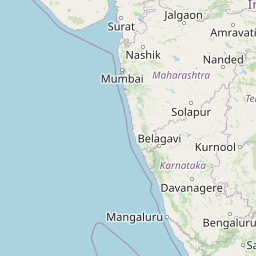
Maharashtra
FY25-26 reference stack · indicative
Marginal cost
₹5.5–9
Must-run block
16.3 GW
Marginal unit
Uran gas
Must-runBottom of stackMiddle of stackMarginal / top
Why MOD struggles here: Largest, most heterogeneous stack (MAHAGENCO, three big IPPs, central share, Mumbai licensees). Pilot showed MOD vs LP diverge most on day-changeover, ramp limits and intra-state congestion; old MAHAGENCO units kept on at tech-min; ~12 GW RE now inverts the daytime stack.
Midday inversion + evening gas band = the BESS spread. Size it against your state's ToD windows.
Live figures are parsed from MERIT (meritindia.in) when the portal allows automated access; otherwise the last successful snapshot or the FY25-26 reference stack (published tariff-order ballparks) is shown and labelled as such.
Growthifye estimate — for guidance only. Figures are compiled from public sources and Growthifye's own models and may be incomplete, outdated or inaccurate. Growthifye Advisory, its directors, employees, partners, associates and affiliates accept no responsibility or liability for the accuracy of this data or for any decision, loss or damage arising from its use; users indemnify Growthifye against any such claim. Verify with the procurer, regulatory commission or official notification before relying on any figure. Not investment, legal or tax advice.
We use essential cookies to run the site and, with your consent, track your activity to personalise your learning and recommendations. See our Privacy Policy.