
India Renewable Energy Refinancing Strategy 2026: Lower Cost Debt After COD
By Sudarshan Karweer · sudarshan@growthifye.com · +91 84510 99371 (Call / WhatsApp) · 2026-09-14
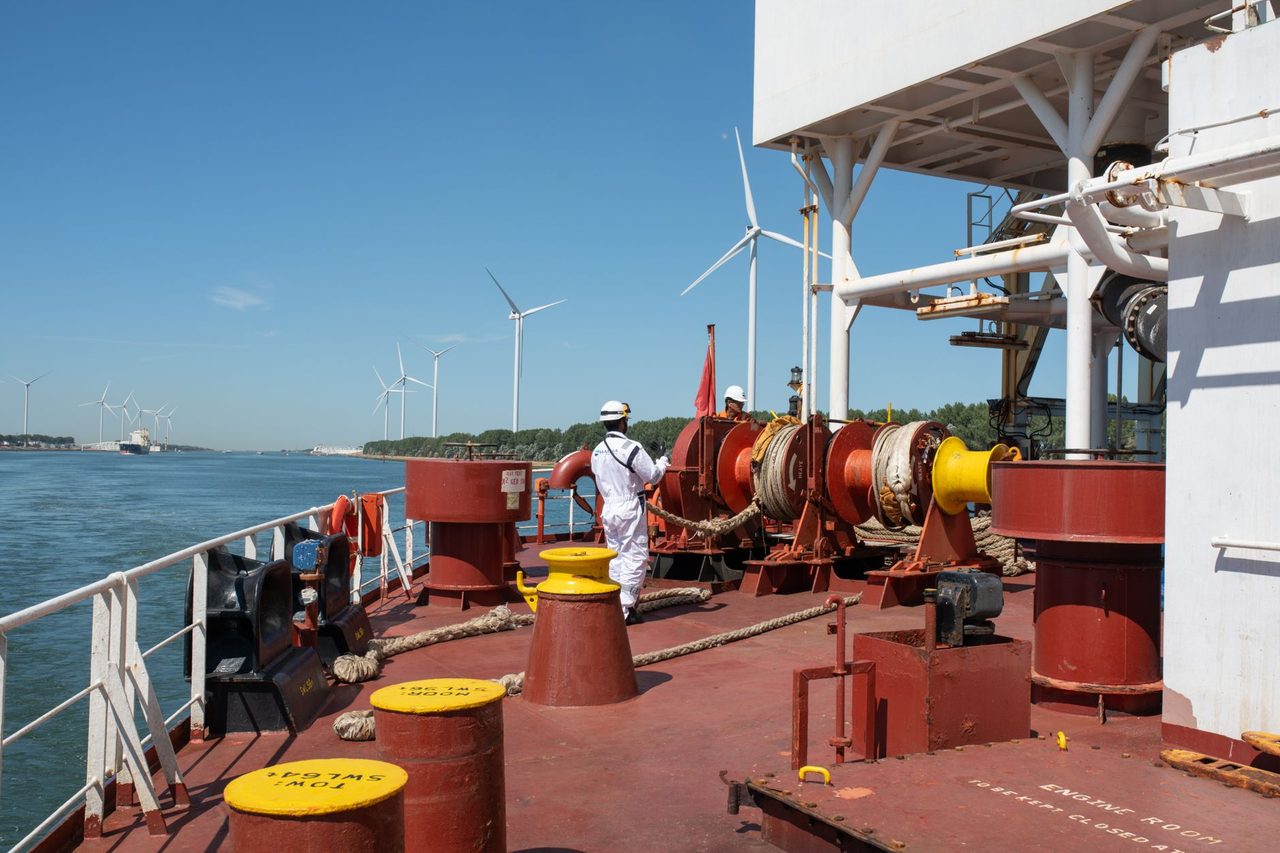
Photo: Oleksiy Yeshtokyn,🌻🇺🇦🌻 on Pexels
India’s renewable energy financing market in 2026 is no longer just about reaching financial close. For operating assets, the sharper question is whether the original debt package still matches the project’s risk profile after commissioning. In many cases, it does not. Solar, wind and storage projects that borrowed during construction or early operations often carry spreads, reserve requirements and covenant packages that reflected execution risk, evacuation uncertainty, counterparty concerns or equipment-performance assumptions that are no longer relevant after a stable operating track record is established.
That gap creates a refinancing opportunity.
For Indian renewable energy developers, C&I platform owners, IPPs, infrastructure funds and even utilities monetising operating portfolios, refinancing after COD can reduce interest cost, align amortisation with actual cash generation, improve dividend visibility and create capacity for new growth capex. For lenders, it can mean better-quality operating exposure with clearer data, lower construction risk and stronger downside underwriting.
This article focuses on one specific angle that is materially different from term-sheet design, construction finance, debt sculpting or takeout finance: post-COD refinancing strategy in India in 2026. The practical objective is to explain when refinancing makes sense, what metrics lenders will test, how pricing is moving across lender categories, what documents usually need to be reset, and how sponsors can avoid value leakage during execution.
Why refinancing matters more in 2026
Three developments make refinancing more relevant in 2026 than it was a few years ago.
First, a large stock of projects commissioned between 2022 and 2025 is now seasoned enough to demonstrate generation stability. A solar project with 12 to 18 months of operating data, availability records, CUF evidence, invoicing discipline and payment-cycle history is fundamentally easier to underwrite than the same project at NTP. The same applies to wind assets that have cleared the first monsoon cycle and to hybrid plants where scheduling and dispatch performance can be evidenced rather than assumed.
Second, the lender universe has deepened. Besides PSU power financiers such as IREDA, PFC and REC, refinancing discussions increasingly include banks, NBFC-infra lenders, AIF-backed structured credit pools and, for stronger sponsors, club arrangements that compete actively on spread and tenor. This competition does not eliminate credit selectivity, but it does reward well-documented assets.
Third, tariff pressure has made capital efficiency critical. Utility-scale solar tariffs in many bid vintages remain in the roughly Rs 2.45-3.10/kWh band, depending on location, module regime, ISTS posture and bid cycle. Wind and hybrid structures price differently, but across technologies the room for operating underperformance is limited. Even a 50-125 basis point reduction in all-in debt cost can materially improve project equity returns over the remaining life of the asset.
Refinancing is therefore not a rescue tool alone. In 2026 it is a mainstream portfolio-management lever.
Which projects are strong refinancing candidates
Not every asset should be refinanced immediately after COD. The best candidates usually share five traits.
- At least 9-18 months of stable operating history
- No unresolved land, transmission, change-in-law or major claims issues
- Payment behaviour from offtakers that is visible and broadly within underwritten tolerance
- Technical performance at or above lender base case after accounting for seasonality
- Existing debt package priced for a higher-risk phase than the project is currently in
In practice, lenders segment opportunities by asset type and revenue structure.
Utility-scale solar with central-agency offtake or stronger state counterparties is generally the easiest segment to refinance, especially when curtailment is low and inverter/module performance has settled. Wind projects can also refinance well, but lenders will focus carefully on P50/P75 translation, wake losses, seasonal variability and turbine availability history. C&I open-access portfolios can achieve attractive outcomes too, though lenders will scrutinise customer concentration, contract tenor, wheeling and banking assumptions, open-access charge volatility and replacement risk if a consumer exits.
Storage and RTC-linked structures are refinanceable in 2026, but the bar is higher. Lenders need confidence that dispatch strategy, degradation assumptions, augmentation provisions and contracted revenue architecture are robust. If the project relies heavily on merchant spreads or complex ancillary-service assumptions, refinancing may attract structured pricing rather than plain-vanilla operating-asset pricing.
A sponsor should ask a simple threshold question: has the project de-risked enough since first close that a new lender would underwrite it materially better than the original debt package did? If yes, refinancing is worth pursuing.
What lenders look at before offering lower-cost debt
The headline spread is only the final output. Before that, lenders test cash-flow durability.
In 2026, most operating-asset refinance credit reviews in India will revolve around the following metrics and evidence sets.
- Historical CUF/PLF versus appraisal case and independent engineer assumptions
- Plant availability, inverter/turbine downtime and balance-of-plant reliability
- Monthly billing and collection history
- Days sales outstanding by offtaker and payment security structure
- Actual O&M cost versus budget
- Insurance claims history and residual exposure
- DSCR under actuals, base case and downside case
- Remaining PPA tenor relative to proposed debt tenor
- Major maintenance and inverter replacement provisions where relevant
- Curtailment, grid outages and deemed generation treatment
- Change-in-law receivables or unresolved regulatory claims
For many operating solar and wind assets, refinance lenders in 2026 will seek a minimum average DSCR in the area of 1.20x-1.30x on a conservative case, with minimum DSCR often needing to remain above 1.10x-1.15x depending on offtaker quality and concentration. Stronger portfolios with central offtake, low volatility and sponsor support may achieve more flexible sculpting. C&I portfolios often need a somewhat more conservative coverage profile because customer churn and regulatory changes can affect visibility.
Seasoning matters. A project with only three or four months of post-COD data rarely receives the same treatment as one with four completed quarters. One full seasonal cycle is particularly valuable for wind and hybrid assets.
This is also where Lender-grade financial modelling becomes decisive. A refinance case is not just a lower interest-rate sensitivity. It needs a revised operating base case, scenario-tested collections, covenant headroom analysis, reserve-account treatment and a clear bridge between historical actuals and forward assumptions. Weak models delay committee approval even when the asset itself is strong.
Pricing, tenor and lender mix in the Indian market
Refinancing outcomes vary widely, but a realistic 2026 strategy starts with lender segmentation rather than a single broad process.
IREDA, PFC and REC remain highly relevant for operating renewable assets, particularly where project documentation is clean and scale is meaningful. Depending on credit profile, security package, sponsor strength and technology, these institutions may offer competitive long-tenor debt relative to construction-phase borrowings or smaller bilateral lines. Banks can be very competitive on selected operating portfolios, especially where escrow discipline, payment track record and sponsor quality are strong. NBFC-infra lenders may step in where speed, structuring flexibility or partially bespoke covenants matter more than absolute lowest coupon.
For seasoned utility-scale operating assets in 2026, refinancing can in many cases improve pricing by roughly 50-150 basis points versus debt raised during construction or early operations, though actual savings depend on base-rate resets, rating posture, lender appetite and portfolio aggregation. Where the original package included conservative reserve structures, sponsors may also create value by resizing those protections to the actual operating risk rather than only reducing coupon.
Tenor is equally important. A lower spread with an overly fast amortisation profile may not maximise equity value. Conversely, stretching tenor too aggressively can weaken DSCR and reduce lender comfort. The right outcome usually combines:
- Tenor aligned to residual PPA life and equipment life
- Sculpting that follows seasonal cash flows rather than flat instalments
- Rationalised DSRA sizing
- Calibrated distribution lock-up triggers
- Covenant levels based on operating reality, not construction uncertainty
For C&I portfolios, refinancing can also involve moving from fragmented SPV-level debt into a portfolio line if contracts, security interests and cash-flow behaviour support consolidation. That can reduce administrative friction and improve borrowing terms, but only if the lender can get comfortable with cross-collateralisation and customer-replacement mechanics.
Structuring issues sponsors often miss
Many refinancing processes lose value not on pricing, but on structure.
One common mistake is focusing only on interest savings while ignoring prepayment costs. Existing facilities may include foreclosure charges, reset penalties, swap breakage, trustee fees or hidden documentation costs. The refinance model must compare net present value after all transaction costs, not just nominal spread reduction.
Another frequent issue is incomplete consent mapping. Sponsors may need approvals or no-objection positions from existing lenders, account banks, security trustees, insurers, key contractors, offtakers or state nodal interfaces depending on the financing and concession structure. Delays here can wipe out timing benefits.
Security perfection is also critical. If land documentation, lease rights, transmission-use evidence, receivables assignment or charge registration are inconsistent across project entities, the incoming lender’s diligence expands quickly. For multi-state C&I portfolios, title and contract standardisation can be the difference between a 10-week process and a 24-week process.
Tax and accounting effects should also be tested. Debt replacement can alter upstreaming patterns, withholding treatment in certain structures, or sponsor-level cash availability. If refinancing is paired with dividend recapitalisation or equity extraction, lenders will scrutinise whether the post-transaction project still has adequate resilience.
Where relevant, sponsors should also assess whether Sustainability-linked loans can be layered into refinancing strategy for a broader corporate or portfolio borrowing programme. This is more suitable when the borrower can credibly commit to measurable KPIs and robust monitoring architecture. However, SLL logic should not be forced onto a plain operating-asset refinance unless the KPI framework is genuinely material and auditable.
Execution playbook: how to run a refinance process efficiently
A disciplined process materially improves outcomes. In the Indian market, a sponsor seeking refinancing in 2026 should typically proceed in six steps.
First, diagnose refinanceability. Build a lender-facing fact pack covering generation history, invoices, collections, outages, claims, covenant compliance, legal status, key contracts and residual risks. Be explicit about all issues; lenders will find them anyway.
Second, rebuild the operating model. Historical actuals should flow cleanly into forward assumptions on generation, degradation, tariffs, losses, O&M, insurance, payment lags, reserve movements and tax. Downside cases should include curtailment, delayed collections and lower-than-base generation. This is where Growthifye’s Green financing frameworks and Lender-grade financial modelling capabilities can materially support sponsors preparing for lender scrutiny.
Third, define the target structure before approaching the market. Decide whether the objective is coupon reduction, tenor optimisation, reserve release, covenant reset, top-up debt, portfolio aggregation or partial sponsor liquidity. Different goals require different lender sets.
Fourth, run a focused lender outreach. A wide process is not always better. For high-quality operating assets, a curated group of relevant lenders usually delivers stronger engagement than a generic blast to the market. Shortlisted lenders should receive a uniform information package so pricing and terms are comparable.
Fifth, negotiate beyond the coupon. Sponsors should compare:
- Margin and benchmark mechanism
- Amortisation profile
- DSRA requirement
- Distribution lock-up tests
- Cash sweep triggers
- Major maintenance reserve provisions
- Information covenants
- Cure rights and event-of-default language
- Prepayment flexibility for future strategic actions
Sixth, manage documentation and CPs like a project. Refinancing fails when someone assumes an operating asset is administratively simple. Condition precedents, security release timing, charge re-creation, account transitions and lender legal opinions require program management discipline.
Strategic implications for developers, C&I sponsors and policymakers
For developers, refinancing should be integrated into portfolio planning from the day of first close. Construction debt, operating debt and eventual capital recycling should not be treated as isolated decisions. The project’s document architecture, reporting quality and data capture should be designed so that a future refinance is easy to execute.
For C&I sponsors, the message is slightly different: contract quality is capital structure. Lenders will pay for visibility. Strong change-in-law clauses, termination payments, pass-through logic, customer diversification and metering discipline all influence refinance outcomes. A portfolio with seemingly similar assets can receive sharply different terms depending on how standardised and enforceable its contracts are.
For lenders, refinance demand offers a route to scale high-quality renewable exposure with lower execution risk than under-construction assets. But lender responsiveness will increasingly depend on data discipline. Borrowers that maintain auditable operational and financial records will move faster through credit.
For policymakers and sector institutions, easier refinancing of de-risked assets can lower the weighted cost of capital across the renewable system. That matters because the sector’s next phase includes not just generation additions but storage, hybridisation, repowering, network investments and flexible demand integration. If operating assets can refinance efficiently, sponsor equity is recycled faster into new capacity.
In 2026, this is especially relevant as India continues to push capacity growth under broader clean-energy and manufacturing initiatives, while state-level payment behaviour, open-access rules and transmission availability remain uneven. Efficient post-COD refinancing cannot solve every structural issue, but it can reduce friction in the capital stack and improve bankability at portfolio scale.
The bottom line
Refinancing is one of the few levers that can improve project economics without changing the plant, the tariff or the offtaker. But it works only when the asset has genuinely de-risked and the sponsor presents that transformation clearly to lenders. In India’s 2026 renewable market, the winners will be those who treat refinancing as a structured value-creation exercise: diagnose operating performance rigorously, target the right lender pool, model downside honestly, and negotiate the full covenant package rather than only the headline rate.
For solar, wind, hybrid, storage and C&I portfolios, the question is no longer whether post-COD refinancing is possible. The better question is whether the current debt still reflects the project’s actual operating risk. If the answer is no, there is likely value on the table.
If you are evaluating a refinance, covenant reset, lender switch or portfolio-level debt optimisation, contact Growthifye’s advisory desk. We help sponsors and investors structure lender-ready refinancing strategies, documentation roadmaps and execution plans for faster, more bankable debt closure.
Explore Growthifye's related capabilities
This analysis connects directly to our advisory practice: Green financing frameworks · Sustainability-linked loans · Blended & concessional finance · Impact quantification & MRV.
About the author

Chief Executive Officer, Growthifye — With over 23 years in management consulting, Sudarshan has taken businesses from concept to scale — building and scaling new-age digital and energy businesses.
- 23+ years in management consulting
- EY alumnus
- Led large-scale BESS programmes, capital raises and advisory mandates
Want this analysis applied to your project?
Talk to our team