India Renewable Energy Project Finance Term Sheets 2026: Bankable Clauses Guide
By Sudarshan Karweer · sudarshan@growthifye.com · +91 84510 99371 (Call / WhatsApp) · 2026-09-15
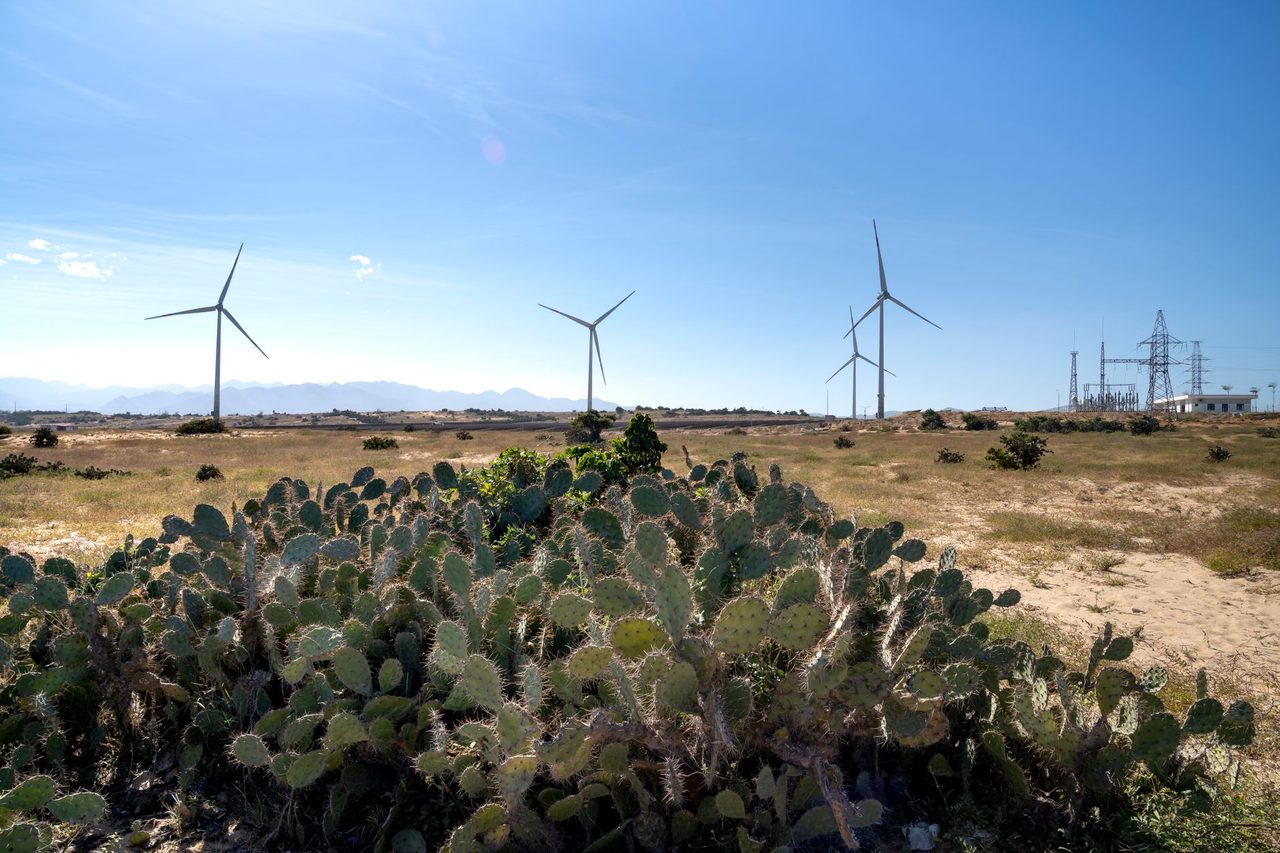
Photo: Quang Nguyen Vinh on Pexels
India’s renewable-energy market in 2026 is not short of lender appetite. It is short of time, bankable documentation, and disciplined term-sheet negotiation. For many solar, wind, hybrid and BESS projects in India, the commercial difference between a good project and a delayed project is no longer headline interest rate alone. It is the quality of the project finance term sheet: what gets written into conditions precedent, drawdown tests, reserve requirements, cure periods, security package, change-in-law treatment, and cash sweep triggers.
For developers, C&I sponsors, utilities evaluating procurement structures, and lenders participating in consortia or bilateral deals, this matters because term-sheet discipline directly affects debt closure timelines, equity IRR, construction flexibility and post-COD refinancing options. In 2026, with utility-scale solar tariffs still often clustering around roughly Rs 2.45-3.10/kWh depending on state, offtaker profile and project design, and C&I open-access structures still underwriting to more complex landed savings and curtailment assumptions, small drafting errors can materially alter project economics.
This article focuses on a clearly practical topic: how to structure renewable-energy project finance term sheets in India in 2026 so they are lender-acceptable, execution-ready and aligned with project cash flows. It does not revisit refinancing, SLLs, blended finance, working capital or equity raises as primary topics. Instead, it addresses the first document that shapes all of them later: the term sheet.
Why term sheets are now a value lever, not just a legal formality
In many Indian renewable transactions, sponsors still treat the term sheet as a preliminary commercial summary to be “cleaned up later” in facility documentation. That approach is expensive. By the time the common loan agreement, security documents, account-control arrangements and direct agreements are being negotiated, lenders are rarely conceding on economics-linked clauses that were already noted in the term sheet.
In 2026, this has become more important for five reasons:
- More projects are hybrid, FDRE-linked, storage-integrated or multi-offtake in structure, so template term sheets no longer fit.
- Lenders are differentiating sharply between central-agency-backed PPAs, state DISCOM exposure, and C&I offtake pools.
- Evacuation and commissioning risks remain material in several states, increasing focus on CPs and long-stop dates.
- Debt pricing is tighter for top-tier sponsors, but documentation requirements are also more exacting.
- Institutions such as IREDA, PFC and REC, along with banks and NBFCs, are increasingly careful about construction monitoring, covenant testing and security perfection.
A well-built term sheet reduces negotiation cycles, makes credit approval easier, and allows faster movement from sanction to first disbursement. It also improves syndication prospects if multiple lenders are involved.
What a bankable 2026 term sheet must cover
At minimum, a project finance term sheet for Indian renewable assets should go beyond sanction amount and interest rate. It should define how risk is allocated during construction and operations.
The core commercial sections should include:
- Borrower, sponsor and project structure
- Facility size and currency
- Purpose and permitted use of proceeds
- Door-to-door tenor and repayment profile
- Moratorium period linked to scheduled COD and actual COD
- Interest rate basis, reset mechanism and default interest
- Upfront fee, commitment fee, processing fee and agency fee where applicable
- Security package and ranking
- Conditions precedent to first drawdown and subsequent drawdowns
- Financial covenants and testing dates
- Reserve requirements including DSRA if applicable
- Cash waterfall and distribution lock-up triggers
- Information covenants, reporting frequency and monitoring rights
- Events of default, cure rights and material adverse change language
- Prepayment, refinancing and cash-sweep provisions
- Environmental, social and regulatory compliance undertakings
For projects above roughly Rs 200-300 crore debt size, particularly in hybrid, storage or pooled C&I structures, lenders increasingly expect term sheets to attach or reference a detailed assumptions schedule. This schedule should align the term sheet with the base-case model, PPA terms, implementation schedule and EPC assumptions. That is where Lender-grade financial modelling becomes essential: if the term sheet and model disagree on COD timing, degradation, CUF/P50-P90 assumptions, O&M escalation or receivables cycle, the lender’s credit committee will likely reopen commercial points.
Pricing, leverage and tenor: current India 2026 ranges
By 2026, pricing for renewable project finance in India remains highly sponsor- and offtaker-specific. There is no single market-clearing number, but practical ranges are useful for negotiation.
For seasoned sponsors with strong execution record and robust offtake:
- Utility-scale solar/wind with high-quality counterparties may see rupee debt pricing in the high single digits to low double digits, depending on tenure, security and lender class.
- Hybrid and storage-linked projects often price wider than plain vanilla solar because of operational complexity, revenue-stack uncertainty and technology-performance diligence.
- C&I open-access structures typically face additional spread where customer concentration, state charges or curtailment risk remain material.
Leverage typically depends on contracted cash flow strength and technology mix:
- Plain vanilla operationally familiar projects may still support debt at around 70:30 or 75:25 debt-equity in select cases, subject to DSCR and sponsor profile.
- Storage-heavy or merchant-exposed structures may require more conservative leverage.
- Lenders may haircut revenue assumptions where deemed-generation claims, peak-price assumptions or ancillary-service revenues are not yet proven enough for full credit.
Door-to-door tenor in India often sits in the 15-18 year range for renewable assets, but the effective amortisation must align with:
- PPA tenor
- n- Useful life and repowering assumptions
- Degradation curve
- Land-lease period
- Evacuation access certainty
- Residual value treatment, if any
Sponsors should avoid over-focusing on sanctioned tenor while ignoring repayment shape. A 17-year loan with aggressive back-ended repayment and hard cash sweeps can be less valuable than a 15-year loan with cleaner sculpting and fewer distribution restrictions.
The clauses that most often derail debt closure
In practice, a small set of clauses causes disproportionate delay in Indian renewable transactions. These are the points to settle early.
1. Conditions precedent tied to land and permits
Lenders in 2026 remain cautious on title, lease enforceability, right-of-way and route approvals. For solar and wind projects, the term sheet should distinguish between:
- CPs required before first disbursement
- CPs required before major EPC drawdown
- CPs permitted post-first drawdown but pre-COD
If every last parcel, mutation and access paper is required upfront, disbursement timing can become unrealistic. A practical structure is to require critical land-control evidence and permit sufficiency at first drawdown, while allowing non-material perfection items to be completed under monitored timelines.
2. COD definition and long-stop mechanics
Term sheets frequently define COD too simplistically. For renewable projects, COD should be tied not only to mechanical completion, but also to:
- Synchronisation and declared commercial operation
- Minimum performance benchmarks
- Grid connectivity and evacuation readiness
- PPA or OA commencement conditions
- Receipt of key third-party certificates
Long-stop dates should account for module delivery, transmission readiness, monsoon disruptions and state-level procedural slippage. Cure periods must be realistic, not merely lender-protective.
3. DSCR thresholds and lock-up triggers
Many disputes arise because average DSCR, minimum DSCR, default DSCR and distribution lock-up DSCR are not clearly separated. A usable structure may include:
- Base-case average DSCR target acceptable to lenders
- Minimum historical/projected DSCR threshold for distributions
- Hard default threshold with cure rights
- Additional lock-up trigger if receivables exceed a set number of days
For projects exposed to state DISCOM payment risk, lenders may seek tighter reserve coverage even if modelled DSCR is acceptable.
4. Cash sweep design
Cash sweeps are increasingly used where lenders are uncertain about merchant tail, offtaker quality or storage revenue assumptions. But cash sweeps should not be drafted so broadly that they destroy sponsor flexibility. Good drafting specifies:
- Trigger conditions
- Percentage of surplus cash swept
- Priority of sweep use
- Whether sweep can be released after sustained covenant compliance
- Interaction with permitted distributions and maintenance reserves
5. Change in law and tariff adjustment treatment
In Indian renewable projects, change in law can affect duties, open-access charges, transmission charges, forecasting penalties and tax treatment. The term sheet should state how lender underwriting treats reimbursable versus non-reimbursable impacts and whether failure to recover from the offtaker creates a reset right, cure obligation or equity-support expectation.
Security package: what lenders expect in India
A standard renewable project-finance security package in 2026 typically includes a combination of asset, contract and cash-flow security. The exact scope depends on lender type and project structure.
Common elements include:
- Charge over project assets, movable and immovable
- Assignment of project documents including PPA/OA contracts, EPC, O&M, insurance and key permits, subject to consent requirements
- Pledge of shares of the project SPV
- Charge over project accounts
- Assignment of receivables
- DSRA control arrangements where relevant
- Sponsor support undertakings during construction
For C&I portfolios or pooled demand structures, lenders may additionally ask for:
- Contract assignment mechanics customer by customer
- Minimum customer credit criteria
- Replacement rights if customer churn exceeds threshold
- Receivables-tracking covenants
Where the financing involves multiple lenders or future sell-down potential, intercreditor and security-sharing concepts should be considered from the term-sheet stage rather than deferred.
Utility-scale vs C&I vs storage: term-sheet drafting cannot be identical
A recurring mistake is using one financing template for all technologies and offtake structures.
For utility-scale PPA-backed projects, lender focus is usually strongest on:
- Counterparty payment behaviour
- Curtailment and deemed-generation framework
- Transmission availability
- Delay damages and EPC wrap
- Receivables cycle, often 60-180+ days depending on offtaker history
For C&I open-access projects, the focus shifts toward:
- Customer concentration limits
- Contract tenor mismatch versus debt tenor
- Change in banking, wheeling, CSS and AS charges
- Group-captive compliance where relevant
- Termination compensation and replacement-customer assumptions
For BESS and storage-integrated projects, lenders often scrutinise:
- Technology warranty package
- Degradation guarantees and augmentation assumptions
- EMS integration and dispatch logic
- Revenue-stack bankability, especially where ancillary or peak-arbitrage revenues are proposed
- Fire safety, insurance and OEM recourse structure
Because these structures require cross-functional underwriting, Growthifye’s Green financing frameworks and Lender-grade financial modelling can help align legal drafting with technical and revenue realities before lenders harden positions.
Negotiation strategy: how sponsors can improve outcomes
Sponsors often negotiate only on price. In 2026, better outcomes usually come from negotiating package economics and execution certainty together.
Practical steps include:
- Prepare a lender Q&A pack before term-sheet circulation covering land, interconnection, permits, EPC status, module/OEM plan, insurance, tax assumptions and offtaker profile.
- Present downside cases clearly: lower CUF, receivables delay, generation shortfall, commissioning slippage and cost overrun sensitivity.
- Ask lenders to mark which term-sheet items are credit-committee critical and which are standard documentation placeholders.
- Negotiate CP staging rather than absolute CP dilution.
- Seek covenant definitions tied to audited and tested project cash flows, not vague management estimates.
- Push for objective materiality thresholds in event-of-default language.
- Ensure prepayment language does not inadvertently penalise future refinancing once the asset stabilises.
Where institutions such as IREDA, PFC or REC are in the lender mix, sponsors should also pay close attention to disbursement evidence requirements, engineer certification formats, procurement traceability and compliance undertakings. These are often more operationally important than the headline spread.
For lenders, the reverse is also true: an over-engineered term sheet can slow closure, raise legal spend and push stronger sponsors toward competing capital providers. Discipline should mean clarity, not unnecessary friction.
A 2026 checklist before signing any renewable term sheet
Before accepting a term sheet, sponsors and credit teams should confirm the following:
- Does the repayment profile match realistic COD and cash-flow ramp-up?
- Are tariff, CUF, degradation and receivables assumptions consistent with the base model?
- Are all fees quantified and included in all-in cost calculations?
- Are CPs achievable within the actual development schedule?
- Is COD defined with enough precision to avoid post-construction dispute?
- Are DSCR tests, lock-ups and default thresholds clearly separated?
- Is the security package financeable without impossible consent requirements?
- Are change-in-law and force-majeure consequences commercially workable?
- Does the cash waterfall allow normal O&M and statutory payments without friction?
- Is there flexibility for future refinancing, lender substitution or partial prepayment?
In India’s 2026 renewable market, the strongest financings are not those with the shortest sanction letter. They are the ones where the term sheet already reflects the real project, the real cash flow, the real counterparties and the real execution path.
A disciplined term sheet will not solve a weak project. But it will help a good project close faster, draw on time, avoid preventable legal disputes and preserve value through construction and operations.
If you are structuring debt for a solar, wind, hybrid or storage project and want lender-ready support on term sheets, assumptions, documentation strategy and debt closure, contact Growthifye’s advisory desk.
Explore Growthifye's related capabilities
This analysis connects directly to our advisory practice: Green financing frameworks · Sustainability-linked loans · Blended & concessional finance · Impact quantification & MRV.
About the author

Chief Executive Officer, Growthifye — With over 23 years in management consulting, Sudarshan has taken businesses from concept to scale — building and scaling new-age digital and energy businesses.
- 23+ years in management consulting
- EY alumnus
- Led large-scale BESS programmes, capital raises and advisory mandates
Want this analysis applied to your project?
Talk to our team