
India Renewable Energy Portfolio Financing 2026: Holdco Debt, Warehousing and Scale-Up
By Sudarshan Karweer · sudarshan@growthifye.com · +91 84510 99371 (Call / WhatsApp) · 2026-09-17
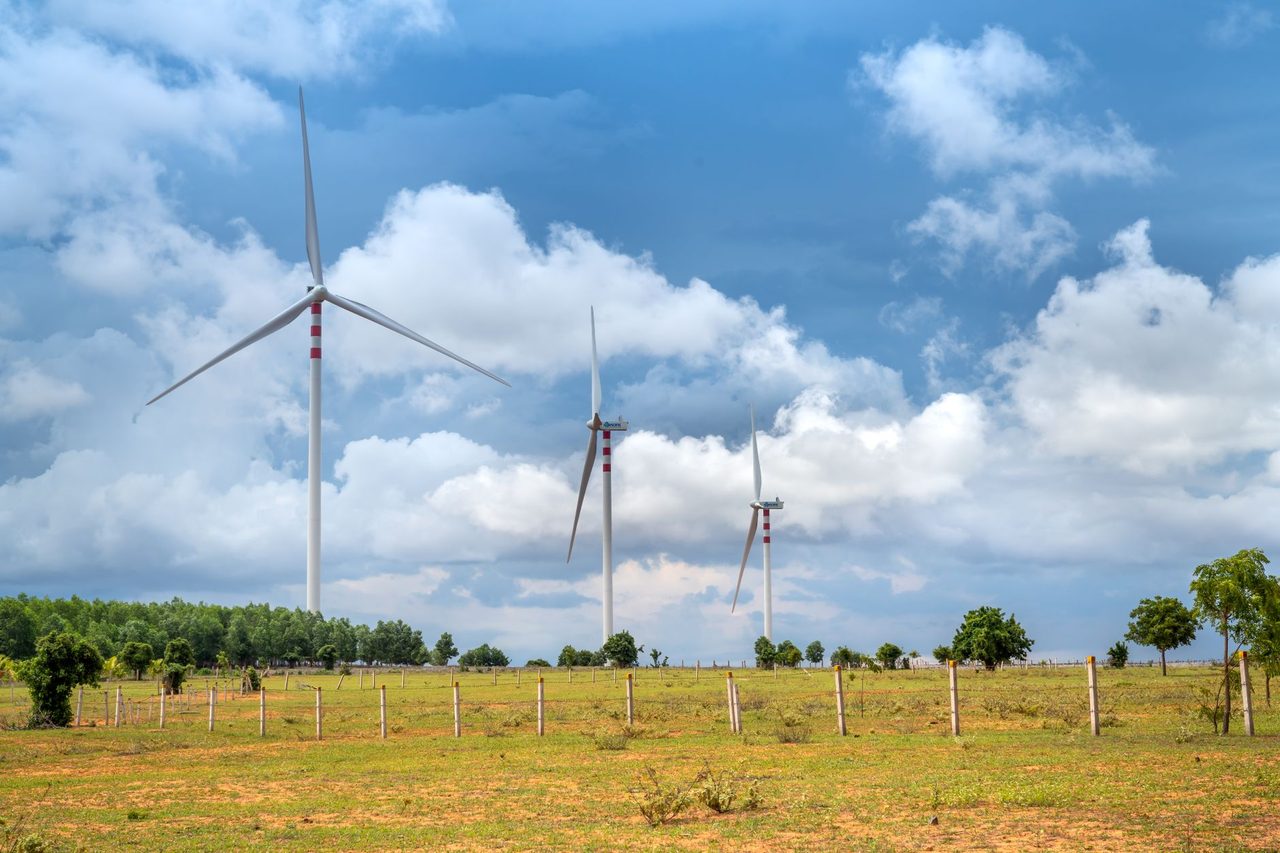
Photo: Quang Nguyen Vinh on Pexels
India’s renewable energy market in 2026 is large enough that project-by-project debt execution is no longer the only efficient route to scale. Developers with repeatable pipelines in C&I solar, open-access hybrids, utility-scale solar, wind repowering and battery-linked projects are increasingly evaluating portfolio-level financing structures: holdco debt, warehouse lines, platform facilities and aggregated refinancing pools.
This shift matters because execution risk in India is still concentrated in land, connectivity, offtake bankability, commissioning timelines, curtailment assumptions and payment delays. If each asset is financed from scratch with a separate lender process, sponsors lose time, legal cost and often tariff competitiveness. A portfolio financing strategy can shorten drawdown timelines, reduce duplication and improve capital efficiency across multiple SPVs.
For Indian C&I consumers, lenders, utilities and policymakers, portfolio financing is also relevant because it can support faster deployment of distributed and open-access capacity, improve governance around project pipelines, and channel debt into assets that may be individually too small or too fragmented for standard long-tenor project finance.
This article explains how portfolio financing is being structured in India in 2026, where holdco debt works, where warehouse lines are useful, what lenders are underwriting, and how sponsors should approach term sheets and lender discussions.
Why portfolio financing is gaining traction in India in 2026
Three market realities are driving interest.
First, pipeline granularity has increased. A developer may have 150 MW to 400 MW of C&I solar and hybrid projects under development, but split across 10 MW, 20 MW and 30 MW SPVs in different states. Individually, some of these assets are too small to attract the best debt pricing or require too much execution effort relative to loan size.
Second, construction and closure timelines remain tight. For many open-access projects, interconnection windows, group captive structuring, contracted capacity ramp-up and state-level approvals create timing mismatches between equity deployment and long-term debt closure. A warehousing line can bridge this gap.
Third, lender sophistication has improved. Institutions such as IREDA, PFC, REC, select infrastructure NBFCs, private credit providers and some banks are more comfortable in 2026 evaluating sponsor-level governance, standardised EPC/O&M frameworks, pooled cash-flow controls and concentration limits. That does not mean they accept weak assets, but they are increasingly willing to finance a portfolio approach if underwriting discipline is strong.
In practical terms, portfolio structures become attractive when a sponsor has:
- A visible 12-24 month pipeline
- Standardised contracts across SPVs
- Credible equity support
- Proven execution capability in land, permits and evacuation
- Offtaker diversification with acceptable credit filters
- A financing need too dynamic for one-off project debt alone
What portfolio financing means in the India RE context
In 2026, portfolio financing in Indian renewables usually falls into four buckets.
- Holdco debt: debt raised at the parent or intermediate holding company against distributions, share pledges, sponsor support or upstream cash flows from operating assets
- Warehouse or development-to-construction line: a short-to-medium tenor facility used to aggregate projects before takeout by long-term project finance or refinancing
- Portfolio term loan: one lender or lender group finances multiple SPVs under a common framework, often with harmonised covenants and security packages
- Operating asset aggregation or pooled refinancing: multiple commissioned assets are clubbed for a larger refinancing, often to reduce cost of debt and release sponsor equity for redeployment
These structures are not substitutes for robust project finance. They are overlays that solve specific capital-allocation problems.
For example, a C&I developer building 200 MW across Maharashtra, Tamil Nadu, Karnataka and Rajasthan may first use a warehouse line of 2-3 years to fund pre-COD equity bridge and construction gaps, then refinance eligible SPVs with long-term amortising debt after stabilisation. A utility-scale sponsor with operating cash-flow visibility may use holdco debt against dividend streams to fund development rights, transmission deposits or equity commitments in new bids.
Holdco debt: where it works and where it breaks
Holdco debt remains one of the most discussed but most misunderstood structures in India. It can be powerful, but only when sponsors are realistic about cash-flow quality.
In the best cases, holdco facilities are backed by predictable upstream distributions from operational assets with low merchant exposure, stable DSCRs and manageable reserve requirements at the SPV level. These may include utility-scale solar and wind assets with central-agency offtake, or mature C&I portfolios with diversified offtakers and demonstrated collection history.
Typical use cases in 2026 include:
- Funding sponsor equity into under-construction SPVs
- Acquiring operating assets or platforms
- Bridging late-stage bid security, transmission and development costs
- Supporting corporate capex tied to renewable platform expansion
Indicative market parameters vary sharply by sponsor quality and underlying asset mix, but practitioners are seeing:
- Tenor of 3-7 years for holdco debt, shorter than project debt
- Pricing often 150-400 basis points above senior SPV debt depending on leverage, recourse and security
- Tight distribution lock-up tests linked to underlying DSCR, reserve compliance and receivable ageing
- Mandatory prepayment from asset sales, claim proceeds or excess distributions above base-case assumptions
Where holdco debt breaks is equally important.
- If underlying SPVs are not yet operational and there is no stable upstreaming path
- If concession agreements, PPAs or financing documents heavily restrict distributions
- If receivables are stressed due to delayed discom payments or weak C&I collections
- If sponsors overleverage expected cash flows and leave no headroom for curtailment, generation variance or tariff disputes
Lenders in 2026 are scrutinising dividend traps, intercreditor mechanics and structural subordination much more aggressively. A sponsor that pitches holdco debt without a lender-grade cash-flow bridge from SPV free cash to holdco debt service will struggle. This is where Lender-grade financial modelling is not cosmetic; it is the core work product.
Warehouse lines for C&I, hybrid and storage pipelines
Warehouse financing is becoming one of the most useful tools in India’s mid-market renewables segment. It addresses a simple problem: development and construction spending does not always line up neatly with long-term debt closure.
Consider a developer with a 300 MW C&I pipeline, including open-access solar and solar-plus-storage projects. It may need to spend on land advances, grid deposits, module and inverter ordering, EPC mobilisation and early-stage construction before all SPV-level debt documents are final. If it waits for each project to reach financial close independently, COD dates slip and customer tariffs lose competitiveness.
A warehouse line can support this intermediate stage. In 2026, such facilities are usually structured with:
- A 18-36 month tenor, sometimes extendable
- A borrowing base linked to eligible projects and milestones
- Project-level ring-fencing requirements before inclusion
- Agreed takeout pathways into SPV term debt, refinancing or platform sale
- Milestone-driven drawdowns for land, equipment, EPC and transmission-related uses
Pricing depends on whether the line is secured by operating assets, sponsor guarantees, assignment of project rights or simply a pipeline plus equity commitment. Broadly, warehouse capital costs more than fully de-risked senior term debt, but can still be economical if it avoids delayed COD or fragmented execution.
The underwriting focus is intense. Lenders will ask:
- What percentage of the pipeline has signed LOIs, PPAs or energy supply agreements?
- How much capacity has connectivity approval versus application stage?
- What is the state-wise exposure and curtailment risk?
- How standardised are EPC, O&M and offtake templates?
- What is the sponsor’s historical cost overrun record?
- What is the average expected post-COD DSCR under downside generation and collection cases?
For battery-linked portfolios, warehouse lenders are also looking closely at augmentation assumptions, warranty packages and use-case economics. In 2026, behind-the-meter and open-access storage economics remain site-specific, so lenders are cautious about assuming aggressive arbitrage or peak-shifting benefits without contracted value streams.
Lender appetite and capital stack design in 2026
Portfolio financing is not one homogeneous market. Different capital providers have distinct preferences.
IREDA, PFC and REC remain highly relevant for renewable lending, but portfolio structures need to fit their mandate, credit standards and documentation frameworks. Some sponsors will find these institutions more suitable for larger operating pools, platform-level facilities with strong asset visibility, or later-stage refinancing rather than early, lightly secured warehousing.
Banks may participate where sponsors have strong balance sheets, cash-management visibility and lower perceived complexity. Infrastructure NBFCs and private credit providers are often more flexible on structure, but at a pricing premium.
A practical capital stack in 2026 may combine:
- Sponsor equity for development and risk capital
- Warehouse debt for aggregation and pre-stabilisation funding
- SPV term debt after permitting, contracting and construction milestones
- Holdco debt only where upstream cash-flow visibility is demonstrably robust
- Equity raise at platform level to recycle capital into the next pipeline phase
Developers should not chase the cheapest nominal coupon in isolation. The real metric is all-in execution-adjusted cost of capital. A line that closes in 45 days and enables 4-6 months faster deployment can be more valuable than a lower-priced structure that takes too long or imposes unworkable conditions precedent.
For many sponsors, the differentiator is preparation quality: data room discipline, standardised contract packs, downside-case modelling, state exposure mapping and covenant calibration. Growthifye’s work in Green financing frameworks and Lender-grade financial modelling is directly relevant here because portfolio lenders want repeatable underwriting logic, not just a collection of SPV files.
Key term sheet issues sponsors should negotiate carefully
Sponsors often focus on interest rate and miss the clauses that determine whether a portfolio facility is usable.
The most important points in 2026 include:
- Eligibility criteria: define clearly what projects can enter the borrowing base, including stage of permits, offtake, land and grid status
- Concentration limits: avoid over-restrictive caps by state, offtaker or technology if the business model naturally clusters in certain markets
- Cure rights: negotiate time to replace ineligible projects or top up equity before an event of default is triggered
- Cash sweep mechanics: ensure surplus-cash traps do not cripple growth capital at portfolio level
- Takeout conditions: align refinance milestones with realistic construction and commissioning schedules
- Security sharing: map intercreditor arrangements early if SPV lenders and warehouse lenders overlap
- Information covenants: standardise reporting templates so monthly and quarterly compliance is practical across dozens of SPVs
Receivables assumptions deserve special attention. In C&I portfolios, lenders increasingly segment offtakers by rating, sector, payment days and security package. A portfolio weighted toward top-tier manufacturing and data-centre offtakers may command better leverage than one concentrated in weaker SMEs, even if average tariffs look similar.
As a rough market reference in 2026, operational utility and high-quality C&I solar portfolios may support stronger leverage and tighter pricing than under-construction or mixed-risk pools. But leverage should be calibrated against realistic CUF, degradation, receivable cycles and reserve requirements. Aggressive base cases only postpone the problem.
What policymakers and utilities should take from this trend
Portfolio financing can help scale renewable deployment beyond headline GW additions. It is particularly relevant for fragmented C&I and distributed pipelines that are strategically important for industrial decarbonisation but cumbersome to finance one asset at a time.
Policymakers can support more efficient portfolio capital formation by improving predictability in:
- Open-access approvals and banking rules
- Grid connectivity processes and timelines
- Payment discipline and enforcement standards
- Contract enforceability for C&I structures
- Data transparency on curtailment and evacuation constraints
Utilities should also recognise that better payment performance and clearer contracting norms lower financing friction, which ultimately lowers delivered renewable tariffs for consumers.
For developers and industrial buyers, the message is straightforward: financing strategy should now be designed at platform level, not only asset level. A 20 MW project may still need classic SPV debt, but the sponsor’s advantage increasingly comes from how 10-15 such projects are aggregated, warehoused, refinanced and governed over a 24-month scale-up cycle.
Portfolio financing is not a shortcut around asset quality. It is a way to monetise repeatability, compress timelines and allocate capital more efficiently. In India’s 2026 renewable market, that can be the difference between a sponsor that closes scattered projects and one that builds a durable, scalable platform.
If you are evaluating holdco debt, warehouse lines, portfolio refinancing or platform capital for renewable assets in India, contact Growthifye’s advisory desk. We help sponsors and capital providers structure bankable financing pathways, documentation strategy and execution-ready lender materials.
Explore Growthifye's related capabilities
This analysis connects directly to our advisory practice: Green financing frameworks · Sustainability-linked loans · Blended & concessional finance · Impact quantification & MRV.
About the author

Chief Executive Officer, Growthifye — With over 23 years in management consulting, Sudarshan has taken businesses from concept to scale — building and scaling new-age digital and energy businesses.
- 23+ years in management consulting
- EY alumnus
- Led large-scale BESS programmes, capital raises and advisory mandates
Want this analysis applied to your project?
Talk to our team

