India Data Centre Energy Hedging 2026: RTC Pricing, Congestion and BESS Strategy
By Sudarshan Karweer · sudarshan@growthifye.com · +91 84510 99371 (Call / WhatsApp) · 2026-09-14

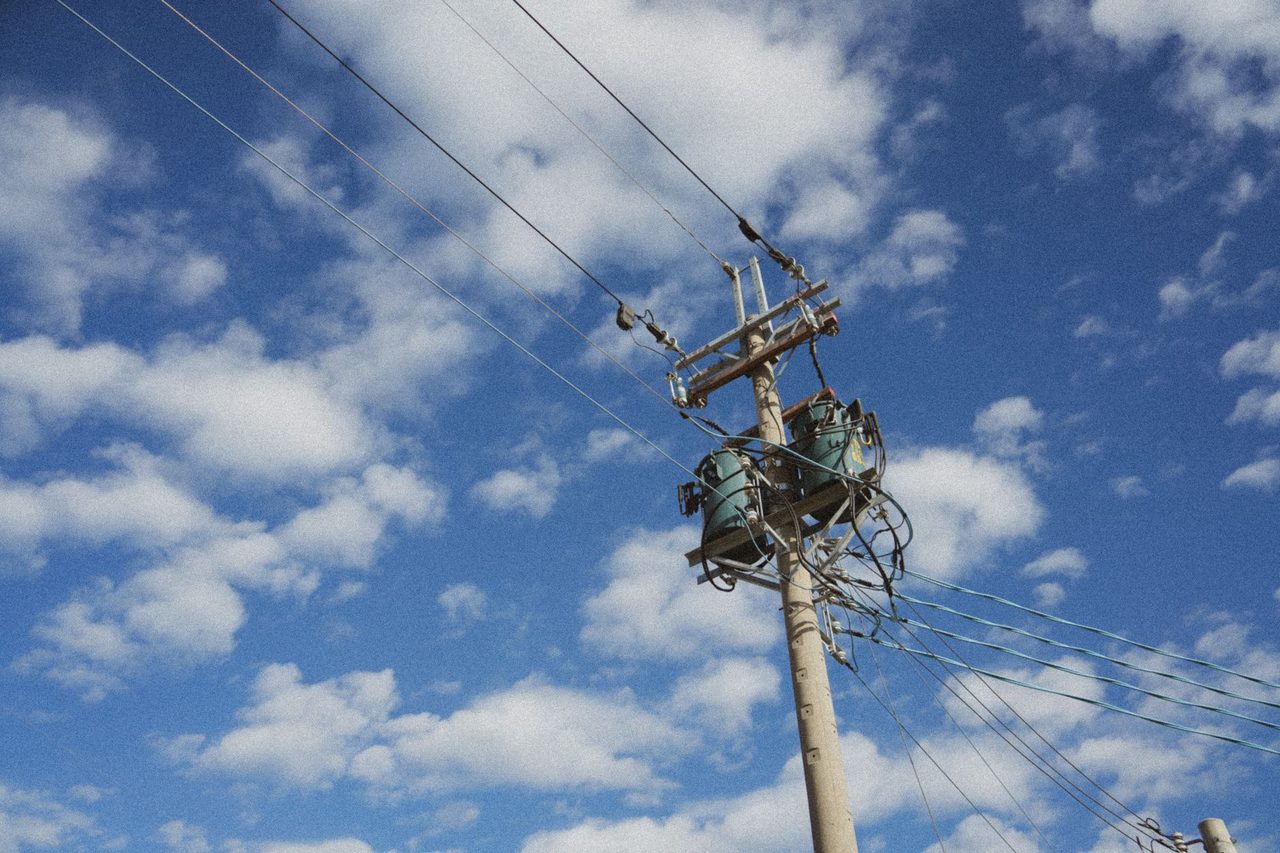
Photo: panumas nikhomkhai on Pexels
India’s data centre sector is no longer solving only for connected load and backup redundancy. In 2026, the more difficult boardroom question is how to hedge power cost, shape risk and interruption risk over 10-20 years while compute demand rises, tariffs stay volatile and sustainability commitments move toward round-the-clock clean energy. For operators in Mumbai, Chennai, Hyderabad, Noida and Pune, the energy discussion has shifted from “how do we buy renewable power?” to “how do we structure a portfolio that behaves predictably every hour?”
This is where energy hedging matters. For Indian data centres, hedging is not just a trading concept. It is the practical design of supply contracts, open-access exposure, behind-the-meter flexibility, backup fuel strategy and operational controls to reduce downside across price, availability and compliance. A poorly structured portfolio may look cheap on an annual landed-cost basis but still create large monthly shocks from deviation charges, evening deficits, congestion-linked curtailment or poor battery dispatch.
This article looks specifically at data centre energy hedging in India in 2026: what risks need hedging, how RTC and hybrid contracts are being priced, where open-access economics break down, how on-site BESS changes the curve, and what lenders and counterparties now expect to see in risk allocation.
Why hedging has become a core data centre energy function
Indian data centres are unusually sensitive to energy volatility for four reasons.
- Power is mission critical, not discretionary.
- Load factors are high and increasingly flat over 24 hours.
- Sustainability claims are moving from annual MWh matching toward hourly or at least time-granular matching.
- Grid and market complexity is increasing faster than many colocation commercial teams can underwrite.
A hyperscale or large colo campus can have an IT load of 40-120 MW, with total facility demand materially above that depending on PUE, cooling configuration and redundancy design. At a PUE of 1.35, a 60 MW average IT load implies roughly 81 MW average facility load. On an annual basis, that is more than 700 GWh. Even a Re 0.50/kWh forecasting or settlement miss translates into more than Rs 35 crore per year.
That is why hedging should be treated as a structured energy-procurement and reliability problem, not just as tariff negotiation.
In practical terms, Indian data centre operators in 2026 are trying to hedge at least six exposures:
- Grid tariff escalation under HT/EHT supply, including energy charges, demand charges and ToD components
- Open-access policy change, especially banking limits, wheeling losses, additional surcharge and CSS where relevant
- Renewable shape mismatch, particularly evening and monsoon deficits
- Congestion and curtailment risk on STU/CTU-linked procurement portfolios
- Imbalance and scheduling-settlement risk, especially where multiple sources are stitched together
- On-site outage and transition risk between utility supply, DG and BESS-backed systems
The 2026 contract menu: utility supply, open access, RTC and hybrids
Most large data centres in India still retain utility supply as the reliability anchor, but cost and decarbonisation objectives increasingly push them into layered procurement. The common structures in 2026 are:
- Base utility supply from DISCOM/STU-connected source
- Captive or third-party wind-solar open access for daytime and shoulder-hour coverage
- “RTC” or shaped supply contracts backed by hybrid renewable portfolios, hydro allocations, market purchases and storage
- On-site solar and BESS for peak shaving, ride-through and short-duration balancing
- Diesel gensets reserved primarily for emergency compliance and extended outage scenarios
RTC pricing in India remains highly contract-specific. There is no single reliable benchmark because products labelled “RTC” can vary significantly in firmness, scheduling discipline, liquidated damages, permissible fallback sources and settlement treatment. In 2026, market conversations for medium-to-large C&I consumers often show broad landed ranges such as:
- Plain solar OA: often around Rs 3.5-5.0/kWh ex-busbar equivalent depending on state, tenure and charges, but landed economics can rise materially after wheeling, banking and cross-subsidy impacts
- Wind-solar hybrid OA: often around Rs 4.0-5.8/kWh before full delivered-risk adjustments
- Firmed/RTC-style supply: often around Rs 5.5-7.5/kWh depending on tenor, time-block firmness, fallback market pass-through and storage content
- Utility HT/EHT tariffs for data-centre-relevant consumers: often around Rs 7-11+/kWh effective landed equivalent depending on state, demand profile and fixed-charge allocation
The spread between “cheap renewable” and “reliable clean power” is exactly where hedging decisions sit. The wrong comparison is solar versus grid average tariff. The correct comparison is shaped, delivered, compliance-ready power versus the all-in cost of unmanaged exposure.
For example, a daytime-heavy solar contract may save money on annual averages but leave 6 pm-11 pm uncovered in most months. If that uncovered slice is procured at volatile market rates or absorbed through costly utility imports, the effective blended cost can converge with, or even exceed, a properly structured hybrid-RTC portfolio.
What data centres should actually hedge: the five risk buckets
A robust energy-hedging framework for data centres should separate risk into distinct buckets rather than bury everything inside one “levelized tariff” number.
1) Shape risk
Shape risk is the mismatch between contracted generation profile and actual facility load. Data centres have relatively flat demand, while solar is highly concentrated and wind remains seasonal and intraday-variable. If a 100 MW facility contracts 70% of annual energy from solar-heavy supply, it may still be undercovered in evening blocks for 3,000-4,000 hours a year.
The right metric is not annual renewable percentage alone. It is hourly uncovered demand, monthly 95th percentile deficit, and deficit cost by time block.
2) Basis and congestion risk
A project may look bankable at generator busbar, but delivered economics depend on where the generation sits relative to load, corridor availability and state/ISTS settlement assumptions. Congestion-driven backing down, transmission outages and state-level scheduling frictions can turn a nominally firm portfolio into a financially leaky one.
For data centres with tight uptime commitments, location strategy matters. A portfolio sourced from geographically diversified wind and solar assets can reduce weather correlation, but it can also increase scheduling complexity and basis exposure if transmission paths are constrained.
3) Regulatory risk
Open-access economics are deeply state-specific. Banking rules, banking charges, permitted settlement windows, additional surcharge treatment, CSS applicability and minimum contract demand assumptions all matter. The same renewable PPA can be highly attractive in one state and marginal in another after policy changes.
2026 is not a year to assume static policy. Data centre operators should model downside cases such as:
- Reduced or withdrawn banking support
- Higher wheeling/transmission loss assumptions
- Tightened standby or parallel-operation conditions
- Restriction on certain OA structures for consumer categories
4) Volume and ramp risk
Data centre load does not always grow smoothly. New halls, tenant ramp-up, AI workload concentration and seasonal cooling impacts can change the demand curve faster than long-tenure contracts can adapt. Overcontracting creates spill risk and settlement pain; undercontracting leaves the operator short in expensive hours.
5) Operational risk at site level
Even if commercial hedging is strong, site-level controls may fail to monetize it. Poor EMS logic, weak battery charge-discharge discipline, poorly set DG sync protocols or reactive-power issues can increase cost and reduce resilience. This is why On-site generation & BESS and Energy management systems are no longer “nice to have” engineering layers; they are part of financial risk management.
How on-site BESS changes the hedge equation
For data centres, on-site BESS should not be evaluated only as a backup asset. In 2026, its value stack is broader:
- Fast ride-through during transfer events
- Peak shaving and maximum-demand management where tariff design rewards it
- Renewable firming across short deficit windows
- Power-quality support alongside UPS architecture
- Avoidance of high-cost imports during expensive time blocks
- Reduction in DG runtime for short disturbances and transition events
In commercial evaluations, many buyers still overestimate energy-arbitrage value and underestimate reliability and demand-charge value. In India, a 1-hour or 2-hour BESS behind the meter may not fully solve overnight renewable deficits, but it can still materially improve the economics of a hybrid supply portfolio if the operator targets the most expensive and operationally sensitive intervals.
A practical example: suppose a campus has a 50 MW evening deficit for 3 hours on a subset of days under a renewable-heavy structure. A 25 MW / 50 MWh BESS will not convert solar into full-night RTC, but it can shave the steepest portion of that deficit, reduce exposure to expensive block purchases, and support cleaner transition management. That can improve both cost variance and sustainability outcomes.
Battery economics still need discipline. Buyers should test:
- Daily-cycling versus contingency-only dispatch assumptions
- Degradation under UPS-integrated duty profiles
- Round-trip efficiency under local ambient and HVAC assumptions
- Spare inverter/module strategy for uptime-critical operations
- Interaction with existing electrical architecture and protection philosophy
In short, BESS is most valuable where it is integrated into the whole hedge, not bolted on after contracting decisions are made.
RTC and firming contracts: clauses that matter more than headline tariff
Many 2026 negotiations still focus excessively on quoted tariff and too little on settlement architecture. For data centres, the following contract clauses usually matter more than a nominally lower paise-per-unit number.
- Definition of firmness: annual, monthly, daily or 15-minute basis
- Allowed shortfall bands before damages apply
- Whether supplier can use market purchases, hydro, thermal or storage for balancing
- Treatment of grid curtailment and force majeure
- Scheduling responsibility and imbalance-cost pass-through
- Delivery point and metering hierarchy
- Change-in-law pass-through, especially for transmission/open-access charges
- Termination rights linked to persistent underperformance
- Renewable-attribute treatment where hourly claims are relevant
A common issue is “soft RTC” sold as firm clean power but settled with broad carve-outs that transfer evening and monsoon risk back to the buyer. If the supplier has wide discretion to deem deficits as grid events or pass market purchases through without a cap, the buyer may think it has hedged when it has only outsourced scheduling.
The procurement team, operations team and finance team should therefore align on one question: which risks are intended to remain with the data centre, and which must sit with the supplier at a priced premium?
That alignment typically improves when the tender includes clear load-shape data, outage constraints, transfer tolerances and target coverage by hour rather than generic annual energy demand.
A practical portfolio design approach for Indian data centres
There is no universal structure, but a sensible 2026 framework for many large campuses is a layered portfolio.
- Layer 1: utility/discom connectivity for base reliability and statutory service backbone
- Layer 2: low-cost renewable energy for daylight and seasonal coverage where OA economics are robust
- Layer 3: shaped or RTC contract for uncovered critical hours
- Layer 4: behind-the-meter BESS for short-duration balancing, ride-through and demand optimisation
- Layer 5: DG reserved for exceptional outages and compliance-driven emergency backup
This portfolio should be tested under at least three scenarios:
- Normal operations with expected load growth
- High-congestion / weak-renewable month
- Policy-stress case with adverse OA rule changes or charge increases
The output should not just be average cost. It should include:
- P50 and P90 landed power cost
- Hourly clean-energy coverage by month
- Expected unserved-energy probability under site-event assumptions
- Annual demand-charge and peak-import profile
- Battery utilization, degradation and replacement timing
- Counterparty exposure by supplier and by market mechanism
This is where Load & reliability engineering and 24/7 clean power contracting need to work together. If the engineering team models one reliability philosophy and the contracting team procures a different firmness profile, the site ends up paying twice: once for redundant equipment and again for external balancing.
What lenders, utilities and policymakers should take from this
For lenders, data centre power strategy is now credit-relevant. A project with weak energy hedging can show margin compression even if occupancy ramps well. Credit review should examine not just tariff assumptions, but also evening coverage, policy sensitivity, supplier concentration and BESS replacement reserve assumptions.
For utilities, data centres are not ordinary HT consumers. They are high-load-factor, high-reliability, increasingly flexible customers that can support better grid outcomes if tariff design rewards load shaping, power quality and storage participation. More transparent standby rules, time-of-day signals and storage-friendly interconnection procedures would reduce system stress and improve investment confidence.
For policymakers, the next step is to make high-reliability clean power easier to contract transparently. Standardized firm-supply definitions, better treatment of storage, and cleaner settlement architecture for multi-source portfolios would reduce disputes and lower transaction costs for one of India’s fastest-growing infrastructure segments.
Bottom line for 2026
Indian data centres should stop treating energy as a simple sourcing line item. In 2026, the winning strategy is a hedged portfolio designed around hourly load behaviour, state-specific delivered economics, congestion risk and site-level flexibility. The right question is not whether renewable power is cheaper than the grid. The right question is which mix of utility supply, shaped renewable contracts, RTC procurement and on-site BESS delivers the lowest-risk cost per reliable clean MWh.
Operators that answer that question rigorously will be better positioned on EBITDA stability, uptime performance, customer sustainability expectations and financing outcomes.
If your team is evaluating RTC procurement, BESS sizing, tariff-risk exposure or hourly clean-power pathways for a new or operating campus, contact Growthifye’s advisory desk. We help data centre operators, developers and financiers structure practical energy strategies with bankable risk allocation.
Explore Growthifye's related capabilities
This analysis connects directly to our advisory practice: Load & reliability engineering · 24/7 clean power contracting · Grid connectivity & redundancy · On-site generation & BESS.
About the author

Chief Executive Officer, Growthifye — With over 23 years in management consulting, Sudarshan has taken businesses from concept to scale — building and scaling new-age digital and energy businesses.
- 23+ years in management consulting
- EY alumnus
- Led large-scale BESS programmes, capital raises and advisory mandates
Want this analysis applied to your project?
Talk to our team