India 2026 CCTS Readiness Strategy: Compliance Carbon, MRV and Abatement Planning
By Sudarshan Karweer · sudarshan@growthifye.com · +91 84510 99371 (Call / WhatsApp) · 2026-09-09
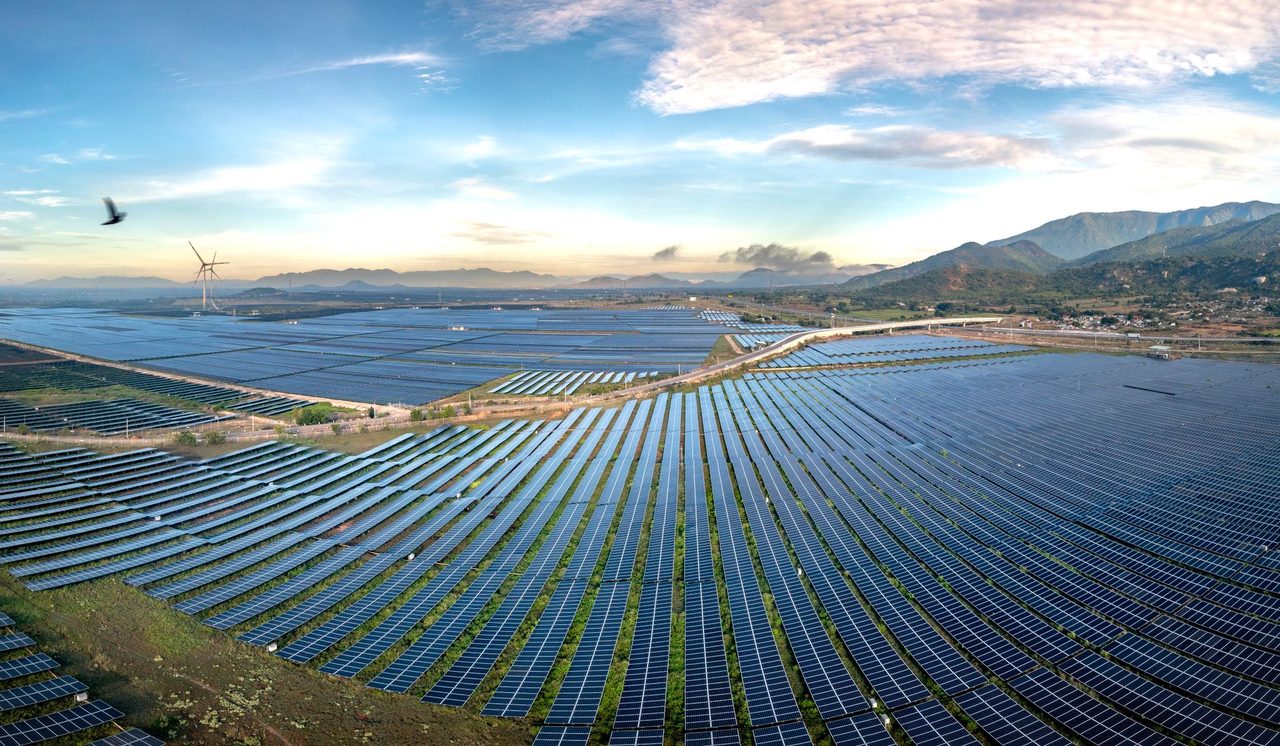
Photo: Quang Nguyen Vinh on Pexels
India’s Carbon Credit Trading Scheme (CCTS) is becoming a board-level issue for energy-intensive businesses in 2026. For Indian manufacturers, infrastructure operators, utilities, renewable developers and lenders, the question is no longer whether compliance carbon will affect operating economics, but how quickly plant-level emissions data, allowance exposure and abatement options can be converted into investable decisions.
This matters because India’s decarbonisation landscape is now converging across multiple fronts: BRSR Core expectations, export-market carbon pressure, electricity decarbonisation, industrial fuel switching and a domestic compliance-carbon architecture under the Energy Conservation framework. Many companies have already built a Scope 1 and Scope 2 inventory for disclosure. Far fewer have translated that inventory into facility-wise compliance readiness, marginal abatement economics and a practical procurement-and-capex playbook.
A useful 2026 strategy is therefore different from a generic net-zero statement. It requires three things: accurate monitoring, reporting and verification (MRV), a view of how carbon obligations could map to individual plants and products, and a ranked list of abatement actions tied to tariffs, fuel prices, payback thresholds and financing routes.
For Indian industry, the core opportunity is straightforward. The earlier a company identifies sub-₹2,000/tCO2e abatement opportunities, the lower its eventual compliance cost and the stronger its position in customer negotiations, lender diligence and future carbon-market participation. The cost of delay is equally clear: weak data systems, poor energy baselines, and untested emissions factors can quickly turn a manageable transition into a margin problem.
Why CCTS readiness is different from general ESG reporting
Many corporates still treat carbon as a disclosure exercise. That approach is inadequate for a compliance-oriented market structure. ESG reporting can tolerate annual estimates, broad organisational boundaries and spreadsheet-heavy consolidations. CCTS readiness cannot.
A plant that may eventually face allowance obligations needs auditable monthly activity data, calibrated metering, stable emissions factors, fuel reconciliation and clear responsibility across production, maintenance, finance and sustainability teams. In practice, that means the emissions ledger must begin to resemble the discipline of an energy accounting or statutory compliance process rather than a narrative sustainability report.
Key differences include:
- Facility-level granularity instead of enterprise-only totals
- Monthly or near-real-time activity capture instead of annual back-calculation
- Defined data hierarchy for fuel purchase, stock change, consumption and output normalisation
- Verification readiness for meters, invoices, lab data and process assumptions
- Clear linkage between emissions data and operational decisions such as kiln substitution, boiler upgrades, electrification or renewable procurement
In sectors such as steel, cement, aluminium, fertilisers, chlor-alkali, refineries, paper, textiles, chemicals and ceramics, this distinction is especially important. Even where final sector-specific implementation details continue to evolve, companies that wait for every rulebook to freeze before building data infrastructure will lose time they cannot recover.
What a 2026 CCTS-ready operating model looks like
An effective operating model starts at the plant and rolls upward. Most large Indian industrial sites already generate the underlying data required for emissions accounting: grid power import, captive generation, coal and petcoke receipts, furnace oil, diesel, natural gas, steam flows, clinker production, billet output, process chemistry and waste co-processing. The issue is not data absence but data fragmentation.
A practical CCTS readiness architecture in 2026 should include:
- Boundary mapping by plant, process unit and utility block
- Asset register for boilers, kilns, furnaces, DG sets, WHR units, turbines and process vents
- Source-wise emissions factor library with version control
- Metering map covering electricity, steam, compressed air, fuel and key process streams
- Monthly activity-data workflow with maker-checker approval
- Output normalisation by product line for emissions-intensity tracking
- Internal audit protocol for data gaps, estimation logic and document retention
For many companies, the first milestone is not software procurement but data discipline. A well-designed spreadsheet model with plant ownership, meter IDs, invoice tie-outs and audit trails can outperform an expensive platform that nobody trusts. Once boundaries and controls are stable, digitisation becomes much easier.
This is where Carbon accounting & disclosure and Carbon markets & MRV move from advisory labels to operating capabilities. If the MRV backbone is weak, every downstream activity becomes unreliable: MACC analysis, capex prioritisation, customer disclosures, lender questions and carbon-cost forecasting.
Estimating allowance exposure before rules fully mature
One of the most common questions in 2026 is: how can a company prepare if the exact allowance position is not yet final? The answer is to model scenarios using plant intensity and output projections.
Start with three internal cases:
- Base case: current operations and current emissions intensity
- Operational improvement case: no-regret efficiency and maintenance actions implemented
- Transition case: efficiency plus renewable electricity, partial electrification, fuel switch or process change
For each facility, estimate annual tCO2e under these cases. Then stress-test a carbon-cost range. Many companies are using internal scenario bands such as ₹750/tCO2e, ₹1,500/tCO2e and ₹3,000/tCO2e to evaluate future margin exposure. The exact market-clearing level will depend on allocation design, sector coverage, stringency and market liquidity, but these ranges are useful for capital planning.
Illustratively:
- A plant emitting 100,000 tCO2e annually faces ₹7.5 crore exposure at ₹750/tCO2e
- The same plant faces ₹15 crore at ₹1,500/tCO2e
- At ₹3,000/tCO2e, exposure rises to ₹30 crore
For commodity businesses with EBITDA margins under pressure, that is material. Even for diversified groups, these numbers can exceed the annual capex required for targeted efficiency upgrades or renewable integration.
This is why MACC should be built now, not after carbon pricing becomes visible in invoices. A marginal abatement cost curve allows management to sequence interventions by cost and implementation speed.
The 2026 abatement stack Indian industry should prioritise
The lowest-cost strategy is usually not a single flagship technology. It is a stack of measures implemented in order of economics and execution ease.
1) Energy efficiency and loss reduction
In many industrial plants, 3% to 10% emissions reduction remains available through process control, combustion optimisation, VFD retrofits, compressed-air leak reduction, steam-system improvements, insulation and waste-heat recovery optimisation. Typical simple paybacks can range from 1 to 3 years depending on site conditions.
Examples seen in Indian industry include:
- Boiler combustion tuning with 1% to 3% fuel savings
- Compressed-air system optimisation with 10% to 25% electricity savings in the utility block
- Pump and fan retrofits with 15% to 30% electricity savings
- Improved condensate recovery and steam balancing reducing thermal fuel demand by 2% to 8%
At a grid tariff of roughly ₹6 to ₹9/kWh for many C&I consumers and delivered gas or solid-fuel costs remaining volatile, these interventions often sit well below likely medium-term carbon-cost levels.
2) RE-led Scope 2 reduction with stronger hourly visibility
Even for companies focused on compliance carbon, electricity decarbonisation remains one of the fastest levers where grid imports are significant. Group captive and third-party open access solar can still land in the broad range of about ₹3.0 to ₹4.5/kWh in good states and credit profiles, while hybrid structures and firmed renewable supply can land higher depending on storage, scheduling and banking conditions.
State-specific charges, banking restrictions and CSS/AS treatment continue to matter, but the directional case remains strong where discom tariffs are elevated. A 10 MW average renewable-backed procurement strategy can avoid tens of thousands of tCO2e annually depending on the baseline grid factor and operating profile.
For industries with growing disclosure expectations, RE-led decarbonisation also improves credibility with customers and lenders because the interventions are metered, contract-backed and easier to verify than some estimated reductions.
3) Industrial electrification where heat quality allows
Low- and medium-temperature heat loads are increasingly worth screening for electrification, especially where a site can combine open access renewables, battery support for select loads, and process redesign. Applications include drying, washing, pre-heating, hot-water systems and some boiler displacement opportunities.
The economics depend on:
- Current fuel cost per useful GJ
- Load factor and operating hours
- Electrical infrastructure upgrades
- Demand charges and time-of-day tariffs
- Renewable sourcing strategy
With improved heat-pump and electric thermal technologies, some use cases already beat fossil alternatives on lifecycle cost where utilisation is high and grid power can be partially hedged through renewable procurement.
4) Fuel switching and feedstock changes for high-emission assets
For sectors using coal, petcoke or furnace oil, partial switching to lower-carbon fuels, biomass residues, RDF, natural gas or process-specific substitutes can be economically sensible, though MRV quality becomes critical. Not all “alternative fuel” claims survive audit scrutiny. Companies need robust calorific value data, moisture corrections, fossil-biomass split methodologies and documented substitution rates.
5) Green hydrogen only for selected hard-to-abate cases
Green hydrogen remains strategically important but should be applied selectively in 2026. Delivered costs are still high for most mainstream industrial heat applications relative to direct electrification or conventional fuels, even after considering policy support. It makes more sense in selected refining, fertiliser, chemicals or metallurgical pathways where hydrogen is a feedstock or where electrification is technically constrained.
This is exactly why a MACC-based approach matters. High-visibility technologies should not crowd out low-cost abatement already available today.
Building MRV that lenders, auditors and regulators can trust
MRV is the bridge between decarbonisation intent and financial credibility. In the Indian market, lenders increasingly ask whether carbon savings claims are tied to metered baselines, documented assumptions and operational persistence. Corporate buyers and export customers are doing the same.
A lender-grade MRV system for CCTS readiness should include:
- Defined organisational and operational boundaries
- Source-wise methodology notes aligned to applicable standards
- Meter calibration schedule and exception logs
- Fuel stock reconciliation at month-end
- Linkage between ERP procurement data and emissions calculations
- Production-linked intensity metrics such as tCO2e per tonne of clinker, steel, chemical or finished product
- Change-management records when process conditions or fuels change
- Retention of invoices, lab reports, meter snapshots and engineering calculations
Where companies are planning capex, MRV should be embedded into project design. For example, a biomass co-firing project should include fuel-quality measurement, storage-loss assumptions, substitution accounting and post-commissioning verification from day one. A renewable procurement programme should preserve interval consumption data, settlement records and contract documentation. An electrification project should define the thermal baseline it is displacing.
This reduces a recurring market problem: projects that save energy in theory but fail to produce defensible carbon outcomes in practice.
What boards, CFOs and plant heads should do in the next 12 months
For 2026, the most effective governance model is cross-functional. Sustainability cannot own compliance carbon alone, and plant teams cannot solve it without finance and procurement.
A pragmatic 12-month agenda is:
- Identify facilities most likely to be carbon-cost exposed based on energy intensity and sector profile
- Build a plant-wise emissions baseline for the last 24 months with monthly granularity
- Map all material emissions sources and data owners
- Establish an internal MRV protocol and document-control system
- Create a first-pass MACC with payback, capex and implementation timelines
- Screen immediate abatement levers under ₹2,000/tCO2e and medium-term levers under ₹4,000/tCO2e
- Integrate carbon-cost scenarios into annual budgeting and product costing
- Prioritise renewable electricity, efficiency and electrification before higher-cost pathways
- Prepare board reporting that shows emissions, intensity, projected exposure and abatement pipeline together
For lenders and investors, the due-diligence question should also evolve. Instead of asking only whether a borrower has a net-zero target, ask whether it has facility-level carbon baselines, verified abatement economics and a credible compliance-readiness plan. That is far more predictive of transition resilience.
For renewable developers and utilities, CCTS creates a stronger commercial case for structured supply solutions. Industrial customers will increasingly want products linked not just to electricity price reduction, but to verifiable carbon-intensity reduction, operational matching and audit-ready documentation.
The companies that will handle India’s compliance-carbon era best are not necessarily those with the most ambitious long-term slogans. They are the ones building clean data, realistic carbon-cost scenarios and an abatement stack grounded in tariffs, fuel economics and execution reality. In 2026, that is what CCTS readiness means.
If your organisation is preparing for compliance carbon, plant-level MRV or an investable decarbonisation plan, contact Growthifye’s advisory desk. Our teams support Carbon accounting & disclosure, Net-zero roadmaps & MACC and Carbon markets & MRV for Indian industry, developers and lenders.
Explore Growthifye's related capabilities
This analysis connects directly to our advisory practice: Carbon accounting & disclosure · Net-zero roadmaps & MACC · RE-led decarbonisation · Industrial efficiency & electrification.
About the author

Founder & CEO, Growthifye — engineering and financing India's clean-energy transition.
Want this analysis applied to your project?
Talk to our team